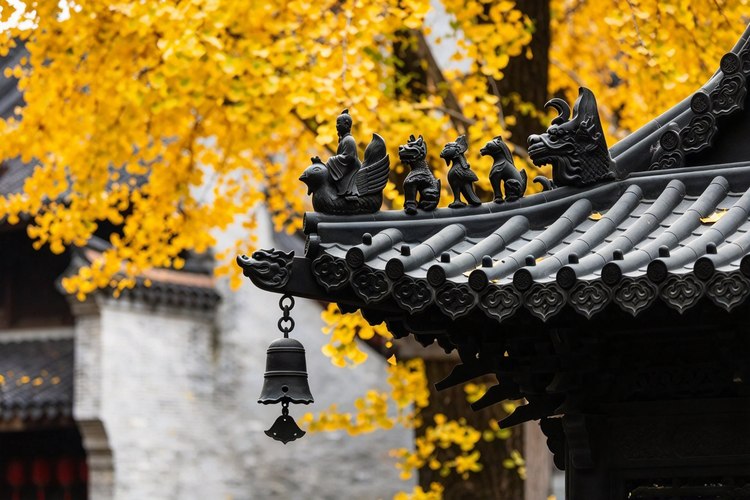
Autumn Zen Morning at Longmen Guanghua Temple: Meditation, Tea and Chinese Buddhist Culture
Discover Funzendo’s Autumn Zen Morning at Longmen Guanghua Temple in Luoyang, combining introductory
2026-10-30 09:00:48
Longmen Guanghua Temple, Luoyang, China
- Immersive Zen Meditation Experience
- Additional Training Courses
- 3 Meals a Day
- Hot Showers
- Accommodation
- Wifi and Internet Connection
- Washing Machines
- Public Activity Room
As autumn settles over Luoyang, the changing season offers an opportunity to experience Chinese culture at a different pace. Beyond the city's celebrated historic sites, traditional Buddhist temples preserve practices that connect architecture, tea, daily discipline, and contemplative learning. On October 24, 2026, Funzendo lists an Autumn Zen Morning at Longmen Guanghua Temple, introducing participants to guided Zen meditation, mindful breathing, and traditional Chinese tea culture.
Located near the famous Longmen Grottoes in Luoyang, Henan Province, Guanghua Temple offers a setting in which cultural discovery can extend beyond viewing historical buildings and sculptures. Visitors can encounter a living religious environment while learning how traditional practices have shaped ideas about attention, conduct, and the relationship between everyday life and spiritual reflection. For international visitors who want to understand more about Chinese Buddhist culture, this kind of experience offers a different perspective on heritage: not only what has survived from the past, but also how cultural traditions continue to be practiced.
Autumn Zen Morning: An Introduction to Chinese Contemplative Culture
The listed Autumn Zen Morning is scheduled for October 24, 2026, from 9:00 AM to 11:30 AM at Longmen Guanghua Temple. According to the event information published by Funzendo, the experience introduces guided sitting meditation, breathing awareness, Chinese Zen culture, and a mindful tea experience. It is presented as an introductory session, so previous meditation experience is not required. Visitors should contact Funzendo in advance to confirm availability, fees, and the practical arrangements for participation.
The value of an introductory cultural experience lies in the opportunity to learn the context behind a practice rather than simply imitate its outward form. Sitting quietly, noticing the breath, and approaching a cup of tea with attention may seem like simple activities. Within Chinese contemplative traditions, however, they can become ways to explore patience, awareness, and the quality of one's attention. The aim is not to produce a special sensation or achieve a perfect state of calm. It is to learn how to observe an ordinary experience more carefully.
This distinction matters for visitors who are encountering Zen for the first time. Zen is often presented internationally as a relaxation technique, but its historical roots are connected with Buddhist teachings, disciplined practice, ethical reflection, and a particular way of investigating experience. A short introductory session cannot represent the full depth of these traditions, yet it can provide a respectful starting point for further learning.
Why Longmen Guanghua Temple Offers a Distinct Cultural Setting
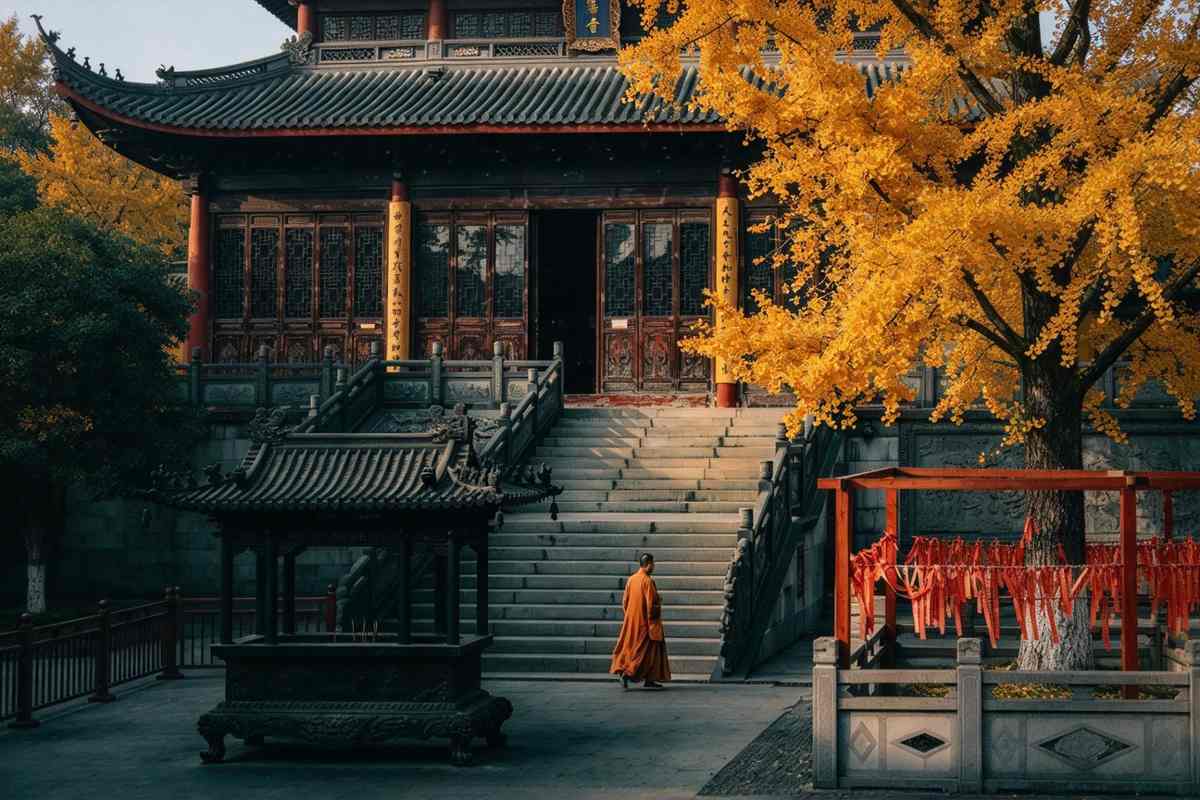
Guanghua Temple stands in the Longmen area of Luoyang, a city with an important place in the history of Chinese Buddhism. The temple is associated with Tang Dynasty Esoteric Buddhism, often called Tangmi, and with the legacy of the Indian monk Śubhakarasiṃha, known in Chinese as Shan Wuwei. His role in the transmission and translation of Buddhist teachings helped shape the development of Esoteric Buddhist traditions in China. The temple's historical associations therefore connect the local landscape with a wider history of religious exchange across Asia.
For visitors, this background provides a useful way to understand why a temple visit differs from a conventional sightseeing stop. The buildings, courtyards, monuments, and pathways are not merely decorative features. They belong to a setting shaped by religious memory and continuing practice. Observing the space quietly, following local guidance, and respecting areas used for worship can help visitors appreciate the temple without treating it as a stage created solely for tourism.
The wider Longmen area is also known for the Longmen Grottoes, whose Buddhist sculptures and inscriptions preserve an extraordinary record of religious art and patronage. Visiting the grottoes and learning about Guanghua Temple can offer complementary perspectives: one emphasizes the artistic and historical record carved into stone, while the other introduces visitors to a temple environment connected with living Buddhist traditions.
Travelers interested in this broader cultural context can explore Funzendo's Zen Pilgrimage journeys, which introduce Buddhist heritage destinations and cultural routes beyond a single temple visit. For those who prefer to begin locally, the Funzendo cultural activities page provides an overview of experiences associated with the temple and traditional Chinese practice.
Breathing Awareness: Learning to Pay Attention
Breathing awareness is one of the introductory elements listed for the Autumn Zen Morning. In a guided sitting practice, participants may be invited to notice the natural rhythm of breathing without deliberately forcing it to become slower or deeper. Attention may move away from the breath toward sounds, physical sensations, or thoughts. The practice is to recognize that movement of attention and gently return to the chosen point of awareness.
For beginners, this can be a more realistic introduction than trying to empty the mind. Thoughts continue to arise, and the surrounding environment does not need to become completely silent. Learning to notice distraction without immediately reacting to it is part of the process. A guided session can help newcomers understand the basic approach and ask questions about posture, comfort, and how to respond when attention wanders.
Cultural context remains important here. Meditation practices are not identical across Buddhist traditions, and a short introductory activity should not be mistaken for comprehensive Buddhist training. The Autumn Zen Morning is an entry point for learning about one aspect of Chinese contemplative culture, rather than a substitute for extended study or sustained practice.
Participants should choose a comfortable posture and inform the organizer of any practical needs before the session. Sitting on the floor is not the only possible way to approach a period of quiet reflection; comfort and appropriate guidance matter more than forcing the body into an unfamiliar position. Anyone who experiences discomfort should adjust their posture or ask for assistance.
Chinese Tea Culture: A Practice of Attention and Hospitality
The event also introduces traditional Chinese tea culture. Tea has played many roles throughout Chinese history: it has been a daily drink, a subject of literary appreciation, an element of hospitality, and part of the cultural life of scholars, monastic communities, and households. The methods of preparing and serving tea have changed across periods and regions, producing a rich range of utensils, techniques, tastes, and social customs.
In a mindful tea experience, attention can shift toward details that are easily overlooked in daily life: the appearance of dry leaves, the sound of water being poured, the fragrance rising from a cup, the changing color of the infusion, and the temperature and texture of the tea. These observations do not require specialized knowledge. They offer a practical way to encounter tea as both a sensory experience and a cultural tradition.
Tea also creates a natural setting for hospitality. Preparing a drink for another person involves timing, care, and consideration of the guest. In some Chinese cultural settings, tea is closely associated with respect and social connection. Learning about tea in a temple environment can therefore open a conversation about more than flavor or brewing technique: it can introduce the values and customs that give an everyday activity its cultural meaning.
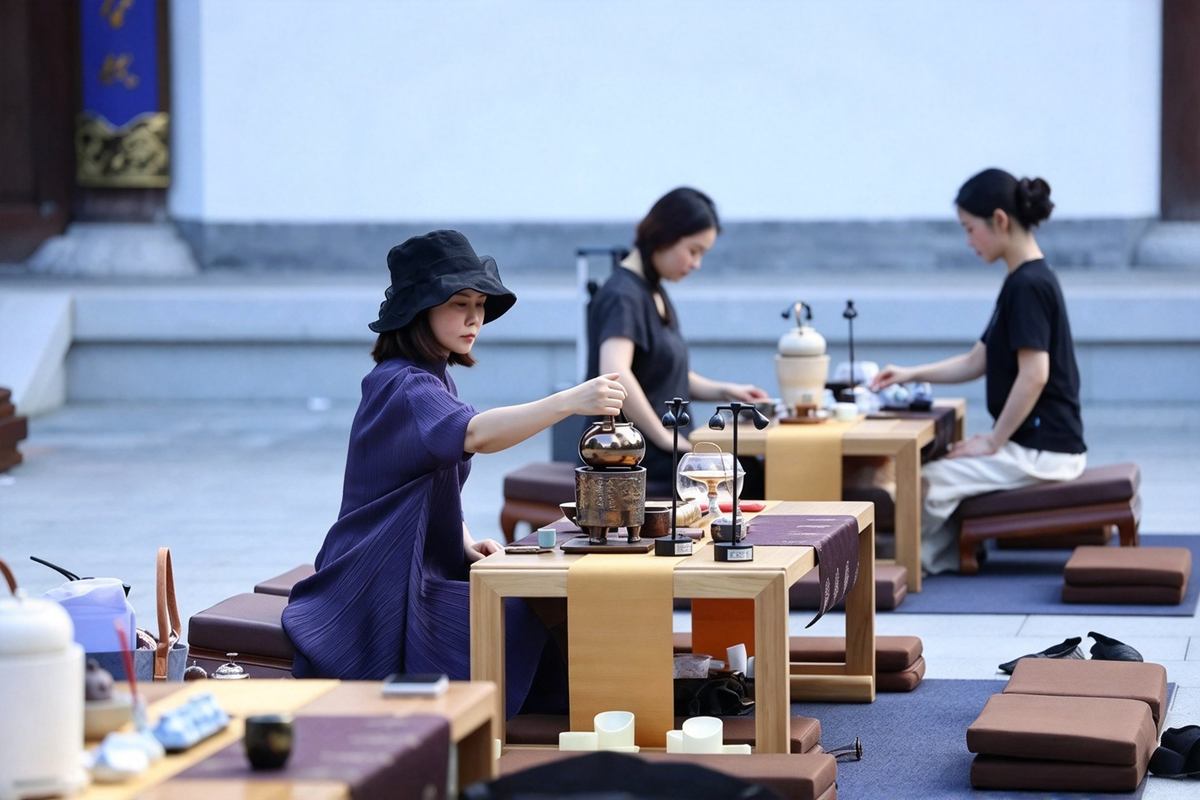
Visitors who wish to explore this subject in greater depth can learn more about the Incense, Tea and Singing Bowl Culture Retreat. This program connects several traditional cultural experiences and is a separate option for people seeking a more extended introduction. Interested visitors should review the program page and confirm the current arrangements directly with Funzendo.
More Than a Morning of Relaxation: Understanding Cultural Practice
One reason to experience traditional practices in their cultural setting is that they resist being reduced to quick lifestyle tips. A tea ceremony is not simply a method of drinking tea slowly, just as Zen meditation is not simply a technique for switching off thoughts. Each practice carries its own history, vocabulary, expectations, and relationship to the community in which it is taught.
Approaching these experiences with curiosity makes room for questions. Why are certain gestures performed in a particular way? How does a temple's atmosphere influence the way people move and speak? What distinguishes an introductory cultural activity from a formal religious ceremony? How have Chinese traditions changed as they have traveled between regions and generations? These questions can turn a short visit into the beginning of a more meaningful cultural journey.
Respectful participation is equally important. A Buddhist temple remains a religious space, even when it welcomes visitors for cultural learning. Guests should follow instructions from the organizers, speak quietly where appropriate, avoid interrupting worship, and ask before photographing people or religious activities. Clothing should be modest and suitable for walking around a temple. Visitors should also follow any site-specific restrictions on photography, access, and behavior.
Such considerations help ensure that cultural experiences benefit both visitors and the places that host them. They also make the experience more rewarding: instead of treating a temple as a backdrop for photographs, participants can begin to understand its role as a place of practice, memory, and community.
Who May Find the Autumn Zen Morning Meaningful?
According to the published event description, the session is intended for international visitors, beginners interested in meditation, and people curious about Chinese Buddhist culture. It may appeal to travelers who want a cultural activity beyond a standard sightseeing itinerary, as well as to people who would like a first introduction to sitting meditation and Chinese tea traditions.
No previous meditation experience is required, but participants should arrive with realistic expectations. A morning session is an introduction, not an intensive retreat or a complete course in Buddhist philosophy. Those who want to explore the subject further may consider a longer program after discussing their interests, schedule, and experience level with Funzendo.
The experience may also interest culturally curious travelers who are drawn to the relationship between local history and daily practice. Luoyang's Buddhist heritage is not limited to a single monument or historical period. Learning about a temple, observing its environment, and encountering traditional tea culture can help visitors connect different parts of the city's cultural story.
Planning Your Visit to Longmen Guanghua Temple
The published event listing gives the date as October 24, 2026, and the time as 9:00 AM to 11:30 AM, at Longmen Guanghua Temple in Luoyang, Henan Province. The event page asks visitors to contact Funzendo in advance to confirm availability, fees, and participation details. Because the listing does not establish every practical arrangement, visitors should verify these details before making travel plans.
When making an inquiry, it is useful to explain the number of people attending, whether anyone is new to meditation, any accessibility or seating needs, and whether the group would like to learn more about tea culture or the temple's Buddhist history. This information can help the organizer clarify whether the listed experience is suitable and what participants should prepare.
Visitors planning a broader stay in Luoyang may also wish to consider how much time they want to spend exploring the city's heritage. The Longmen Grottoes and Guanghua Temple offer different perspectives on Buddhist culture, while other historical sites in and around Luoyang reveal the city's significance across multiple periods of Chinese history. Allowing sufficient time for each place is often more rewarding than trying to fit too many stops into a single day.
To ask about the Autumn Zen Morning, visit the official Autumn Zen Morning event page or contact Funzendo through its activities page. Please confirm that the session is still accepting participants before traveling to the temple.
A Small Beginning to a Wider Cultural Journey
An introduction to Zen meditation and Chinese tea culture does not need to promise dramatic change to be worthwhile. Its value may lie in learning a few foundational practices, encountering the history of a Buddhist temple, and gaining a clearer understanding of how traditional culture continues to shape ordinary activities. For visitors to Luoyang, the Autumn Zen Morning offers a way to approach the city's heritage through participation as well as observation.
Funzendo brings together temple-based learning, meditation programs, and traditional Chinese cultural experiences at Longmen Guanghua Temple. Whether a visitor begins with a morning session, a tea-focused activity, or a longer cultural retreat, the most useful starting point is a willingness to learn, ask questions, and respect the setting. The autumn morning can then become more than a brief pause in a travel itinerary: it can be an introduction to the living traditions behind one of Luoyang's important Buddhist heritage sites.
Clients Reviews
“I’ve been taking classes at Shen Jianghe Tai Chi Kung Fu for six months, and it’s been an incredible journey! The instructor, Master Shen, is calm, knowledgeable, and patient. He takes the time to ensure everyone understands the movements. The community here is welcoming, and I’ve made some great friends. I feel stronger and more centered, both physically and mentally. Great experience of learning tai chi for beginners like me.”
“Fantastic experience at the school! The instructors are not only skilled but also incredibly supportive. They focus on individual progress, which I appreciate. The atmosphere is positive and encouraging, making it easy for newcomers like me to feel comfortable. Plus, I’ve noticed a significant improvement in my flexibility and balance!”
“I can’t recommend this academy enough! The classes are challenging yet fun, and the instructors genuinely care about our progress. I’ve learned so much about technique and discipline. The camaraderie among students makes every class enjoyable. It feels like a second family!”