A Guide to Visit Buddhist Temple China: Rituals and Retreats
The first light of dawn spills over the tiled rooftops of Guanghua Temple, painting the courtyard stones in soft gold. A faint melody of wooden fish drumbeats echoes as monks begin their morning chants, their voices rising in unison. For travelers seeking an experience unlike any other, to visit a Buddhist temple in China is to step into a living rhythm of devotion, discipline, and reflection. But what does a temple stay actually involve? Here's what you need to know before stepping through the gates.
What to Expect When You Visit a Buddhist Temple in China: focusing on visit Buddhist temple China
For travelers interested in visit Buddhist temple China, Chinese Buddhist temples are not just historical landmarks—they're active communities, often home to monks who devote their lives to study, meditation, and ritual. At Guanghua Temple in Luoyang, for instance, the day begins at 4:30am with morning chanting in the main hall, accompanied by the soft, rhythmic sound of the wooden fish drum. Visitors are welcome to join, but you'll need to remain silent and observe with respect.
When it comes to visit Buddhist temple China, Unlike the quiet stillness of cathedrals, Buddhist temples in China hum with daily activity. Monks sweep courtyards, harvest vegetables from the garden, or prepare their meals in the communal kitchen. The air is rich with the scent of sandalwood incense rising from the altar dedicated to Shakyamuni Buddha. At Guanghua Temple, the altar features a 3-meter-tall Buddha statue surrounded by intricately carved guardians, attracting photographers and worshippers alike.
When it comes to visit Buddhist temple China, For travelers, experiences vary widely depending on the temple. Some allow casual visits lasting an hour or two, while others—like Funzendo's retreats—offer extended stays. These programs often include participating in rituals, learning meditation techniques, and sharing silent meals with resident monks, giving visitors a deeper sense of daily temple life.
How to Prepare for a Chinese Temple Stay Experience: focusing on visit Buddhist temple China
When it comes to visit Buddhist temple China, Packing for a temple stay requires careful thought. At Guanghua Temple, guests are provided with plain robes to wear during their stay, but you'll need to bring your own toiletries, sturdy walking shoes, and clothing suited to the season. Summers in Luoyang can climb to 35°C, while winter mornings often hover below freezing, so plan accordingly.
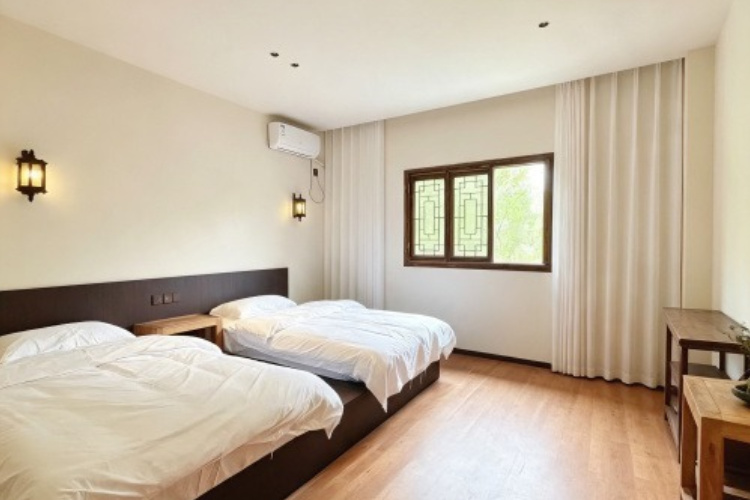
When it comes to visit Buddhist temple China, Temple stays are not designed as luxury escapes. The accommodations at Guanghua Temple are simple yet functional, ranging from twin rooms with private bathrooms (350 RMB per night) to shared dormitories with basic setups. Beds are firm but clean, and meals such as mung bean congee and pickled vegetables are served in lacquered bowls in a communal dining area.
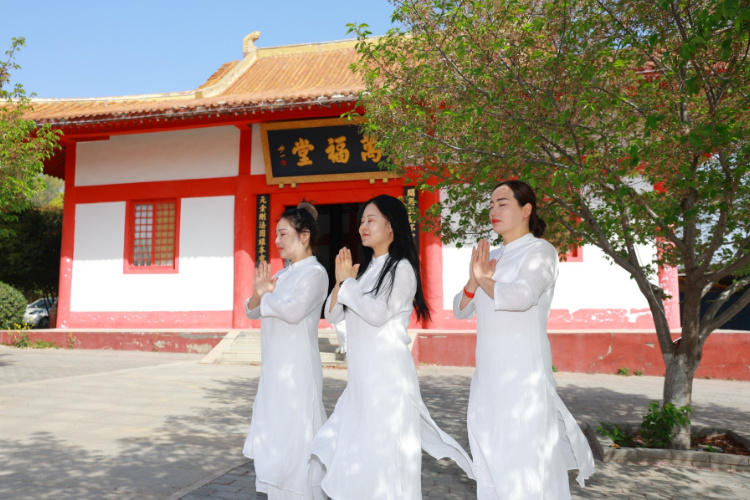
When it comes to visit Buddhist temple China, Before going, it's a good idea to learn basic temple etiquette. Always bow with palms together when greeting monks, and avoid pointing your feet toward altars or people during meditation sessions. Though Funzendo programs offer guidance in English, learning a few Mandarin phrases like 'Amituofo' (a respectful greeting) can help you better connect with the temple’s cultural practices.
Daily Life Inside a Buddhist Temple Retreat: focusing on visit Buddhist temple China
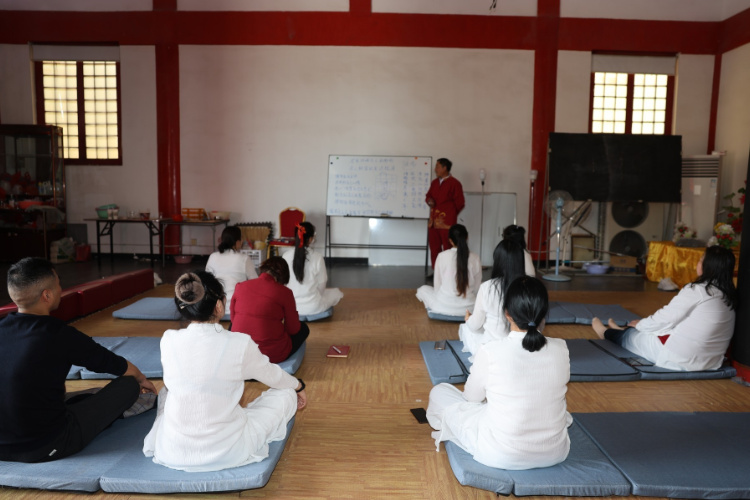
When it comes to visit Buddhist temple China, A day in a Chinese Buddhist temple follows a disciplined but calming routine. At Guanghua Temple, activities start early with chanting and meditation, followed by a simple breakfast at 6:30am. Meals are eaten in silence, encouraging you to fully notice the texture and flavor of each bite of food.
Mid-morning is typically set aside for study or work. During a Funzendo retreat, you might learn how to prepare ceremonial tea, practice qigong exercises in the courtyard, or listen as Master Zuyan explains the principles of Zen meditation. These sessions focus on hands-on learning, and while no experience is necessary, participants are encouraged to approach each task with focused attention.
Afternoons are quieter, often spent journaling, walking through the temple grounds, or sitting under the sprawling branches of the 1200-year-old ginkgo tree that shades Guanghua Temple’s main courtyard. Evening chanting begins at 7pm, followed by a brief meditation before lights go out at 9pm. Freed from modern distractions, this simple schedule allows guests to experience a clarity that feels refreshing.
Visiting Nearby Cultural Sites After Your Temple Stay
Luoyang, where Guanghua Temple is located, has a history stretching back over a thousand years. If you have extra time, make a trip to the nearby Longmen Grottoes. This UNESCO World Heritage site features over 100,000 Buddhist carvings and statues, some dating to the 5th century. The largest Buddha, standing 17 meters tall, is an unforgettable sight.
Another nearby destination is the White Horse Temple, considered the birthplace of Chinese Buddhism. Its grounds feature a blend of architectural styles from China, India, and Thailand, symbolizing Buddhism's spread across Asia. Arriving early in the morning lets you explore the courtyards and halls at a more relaxed pace before the crowds arrive.
If you're planning a longer trip, Funzendo organizes pilgrimages to other notable sites such as Mount Wutai or the Mogao Caves in Dunhuang. These multi-day tours delve into Buddhist art, philosophy, and rituals, offering insight into the cultural heritage that has shaped these remarkable locations.
Understanding the Significance of Buddhist Rituals
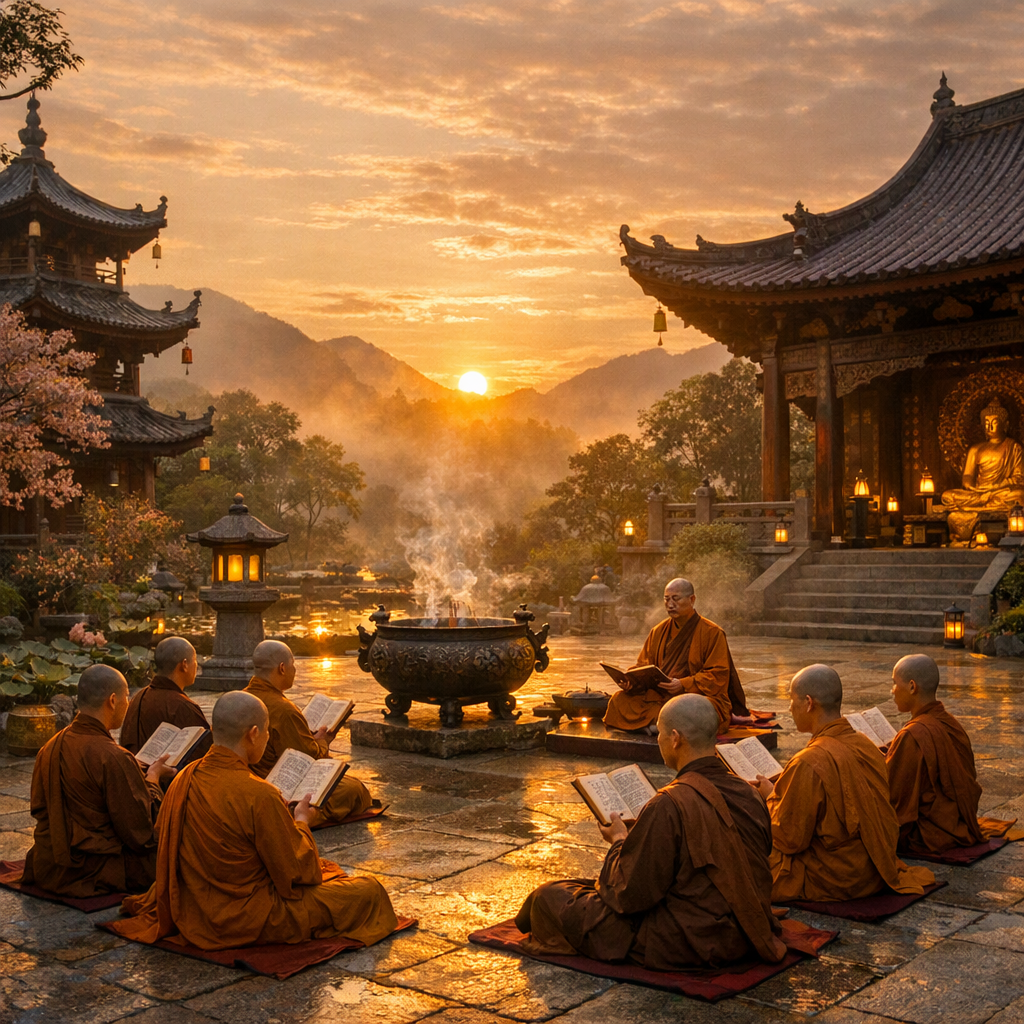
Participating in Buddhist rituals is often a highlight of visiting a temple in China. Practices like chanting, bowing, and offering incense carry deep symbolic meanings. Burning incense, for example, is not just a gesture but an act of purification and offering to the Buddha. At Guanghua Temple, visitors can join monks during chanting sessions, where the repeating rhythms help quiet the mind.
Approach these practices with respect and genuine interest. If you’re unsure how to take part, it’s fine to observe quietly or ask a temple guide for clarification. Many temples host workshops where you can learn the significance of these rituals, providing a richer understanding of their spiritual and cultural importance.
Frequently Asked Questions
How much does it cost to stay at a Buddhist temple in China?
Costs vary by temple and program. At Guanghua Temple, accommodation ranges from 350 RMB per night for a twin room to 500 RMB for a family suite. Structured retreats may have additional fees.
What should I pack for a temple stay in China?
Bring comfortable clothing, sturdy walking shoes, toiletries, and weather-appropriate layers. Many temples provide robes, but it's best to confirm this in advance.
Are temple stays suitable for beginners?
Yes, many programs, including Funzendo’s 3-Day Zen Meditation Retreat, are designed for those with no prior experience. The schedule and teachings are accessible to all.
Will there be a language barrier at Chinese temples?
Some temples, like those partnered with Funzendo, offer English-language programs. However, learning a few basic Mandarin phrases can enhance your experience and show respect.
What is the best time of year to visit a Buddhist temple in China?
Spring and autumn are ideal due to their mild weather and beautiful scenery. Visiting during festivals like Vesak or the Lantern Festival can also provide a memorable cultural experience.
Funzendo Editorial Team: this article was drafted with AI assistance and reviewed by our editors at Guanghua Temple, Luoyang.