A Temple Reset for Burned-Out Professionals: Three Days to Step Away from Work
Your working day may officially end at six, but your mind often keeps working long after you leave the office. Messages arrive during dinner. Emails wait on your phone before breakfast. Even on weekends, a part of your attention remains connected to deadlines, meetings, and the next task that needs to be completed.
For busy professionals, the problem is not always a lack of holidays. It is the difficulty of genuinely stepping away from the routines that create constant pressure. A few days in a different city may change the scenery without changing the habits. You may still check notifications, plan the next meeting, and think about unfinished work.
A temple retreat offers a different approach. Instead of filling every hour with sightseeing or entertainment, it introduces a slower environment and a structured opportunity to practise attention, breathing, and stillness.
At Longmen Guanghua Temple in Luoyang, China, Funzendo offers a 3-Day Chan Meditation Retreat designed for beginners and people seeking a focused introduction to traditional Chinese meditation. The program combines Chan philosophy with breathing practice, standing meditation, sitting meditation, and a singing bowl sound bath.
This is not a promise of an instant solution to burnout. It is an opportunity to interrupt familiar routines, experience a different rhythm, and learn practical methods that may support a more deliberate relationship with work and rest.
Why Taking Time Off Does Not Always Feel Like Rest
Many professionals recognize the experience of being physically away from work but mentally unable to leave it behind. A holiday begins, yet the first instinct is to check email. A quiet afternoon becomes an opportunity to catch up on messages. Even when there is nothing urgent, the habit of checking remains.
This is one reason why simply changing locations does not always create a meaningful break. Recovery from demanding work requires more than an empty calendar. It also involves creating some distance from work-related thoughts, expectations, and repeated patterns of attention.
The Always-Available Workday
Digital communication has made it possible to work from almost anywhere. It has also made it harder for many people to recognize when the working day is truly over.
A notification can interrupt a meal. A short message can lead to another task. A quick check of the inbox can turn into half an hour of work. Over time, these small interruptions may make it difficult to give full attention to anything outside professional responsibilities.
A retreat creates an opportunity to examine this pattern. By temporarily reducing the number of decisions and external demands in the day, you can become more aware of how often your attention is pulled away.
The Difference Between Being Busy and Being Engaged
A full schedule does not necessarily mean that you are working effectively. When attention is repeatedly divided, even ordinary tasks can feel exhausting. You may move from one responsibility to another without having enough time to reflect, process, or complete a thought.
Meditation does not remove professional responsibilities. It offers a way to practise noticing distraction and returning attention to a chosen point, such as the breath or physical posture. That simple process can be valuable for people whose daily routines involve constant switching between tasks.
What Is a Temple Reset — and What Is It Not?
A temple reset is not a luxury spa weekend, a productivity seminar, or a sightseeing tour with meditation added to the itinerary. Its value comes from a different kind of experience: spending time in a quieter environment while following a purposeful routine.
At Guanghua Temple, the setting itself is part of the experience. Located in Luoyang near the Longmen Grottoes, the temple offers a traditional Buddhist environment shaped by its architecture, religious customs, and cultural history.
The three-day Chan retreat introduces participants to traditional meditation through both explanation and practice. Rather than asking beginners to sit silently without guidance, the program teaches several methods step by step.
It is useful to understand what this experience can and cannot offer:
It can offer: A structured break from familiar work routines, guided meditation learning, time in a quieter environment, and practical exercises to explore.
It is not: A medical treatment for burnout, a substitute for professional mental health care, or a guaranteed solution to workplace stress.
It does not require: Previous meditation experience or a Buddhist background.
It does require: A willingness to participate, follow the retreat structure, and give yourself time away from ordinary work demands.
The purpose is not to return home as a completely different person. It is to create enough space to notice your habits, experience traditional Chan practice, and consider which small changes could make everyday life more balanced.
Why Choose a Three-Day Chan Meditation Retreat?
For professionals with limited annual leave, a three-day program can be a manageable introduction to a more structured meditation experience. It is long enough to move beyond a single introductory session, while remaining shorter than an extended retreat.
Funzendo's three-day retreat in China is designed around three connected stages: understanding, practice, and integration.
1. A Clear Structure Without a Sightseeing Schedule
The retreat takes place at Guanghua Temple and focuses on meditation learning rather than sightseeing. This makes it different from a cultural tour in which participants move between attractions throughout the day.
The program includes approximately four to five hours of meditation and learning each day, with the remaining time organized around meals, rest, and the retreat environment. The exact daily timetable should be confirmed before booking.
2. Several Methods Instead of One Meditation Technique
Different people find different approaches to stillness and concentration. The retreat introduces traditional Chan teachings alongside breathing practice, standing meditation, and sitting meditation.
This gives beginners an opportunity to understand the foundations of each method and experience how they differ, rather than assuming that meditation means sitting in one position for hours.
3. A Short Experience That Can Continue at Home
A retreat is most useful when it becomes a starting point rather than an isolated event. During the program, participants learn basic practices that can be revisited after returning to ordinary life.
A few minutes of breathing awareness before opening a laptop, a short standing practice between meetings, or a period of sitting meditation at the end of the day can become simple ways to maintain a connection with what you have learned.
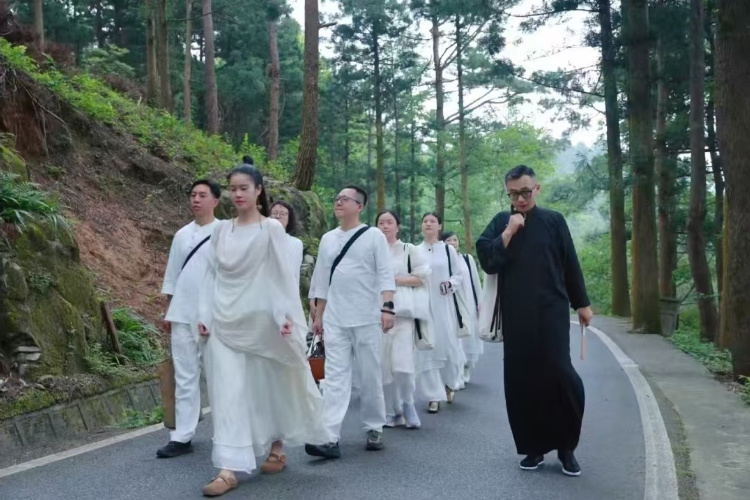
Inside the Three-Day Retreat: What Happens Each Day?
A useful retreat should give participants a clear sense of what they will learn and practise. The Funzendo three-day program is organized progressively, allowing beginners to understand the principles of Chan meditation before developing their practical experience.
The following overview reflects the program's published learning structure. It is not a fixed hour-by-hour timetable; session times and arrangements should be confirmed with Funzendo for your chosen retreat date.
Day 1 — Step Away and Understand the Foundations
The first day introduces participants to the retreat environment and the basic principles of Chan meditation.
After arrival and registration at Guanghua Temple, participants become familiar with the retreat guidelines, meditation environment, and basic sitting posture. The learning sessions introduce the Five Chan Schools and the foundations of traditional Chinese Chan wisdom.
The practical focus begins with Tu Na, a traditional breathing practice. Participants also receive an introduction to sitting meditation and guided practice.
For someone whose attention is usually occupied by meetings, messages, and deadlines, the first challenge may be surprisingly simple: becoming aware of the breath without immediately moving on to the next thought.
Day 2 — Develop Attention Through Practice
The second day builds on the first day's introduction and explores the relationship between posture, breathing, and awareness.
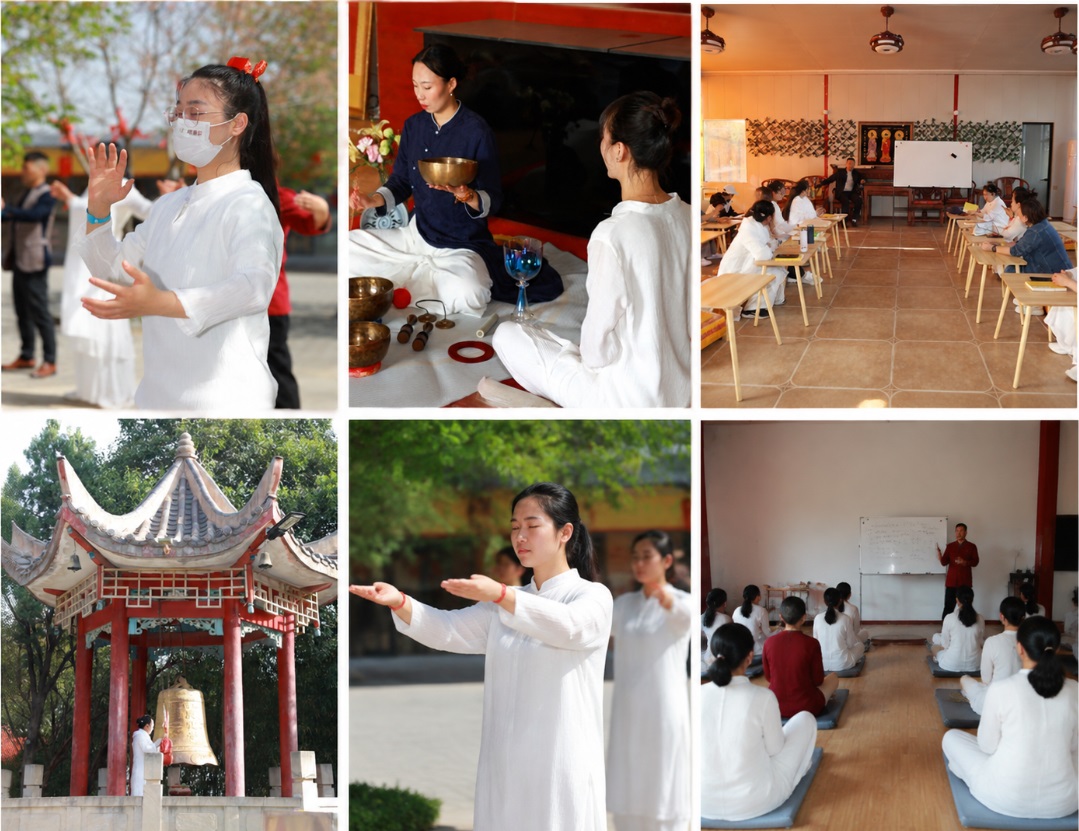
Participants continue practising Tu Na and are introduced to Zhan Zhuang, or standing meditation. Unlike sitting meditation, this method focuses on standing posture, stability, and awareness of the body.
The program also develops sitting meditation techniques and explores how traditional Chan teachings relate to daily life.
One of the retreat highlights is a singing bowl sound bath session. This provides a different sensory experience within the program and offers participants an opportunity to explore sound, listening, and quiet awareness.
Day 3 — Review, Integrate, and Continue
The final day focuses on reviewing the methods introduced throughout the retreat and considering how to continue practising after returning home.
Participants revisit guided sitting meditation, breathing practice, and standing meditation. The program includes a review of key Chan teachings, questions and answers with instructors, and personal practice guidance.
Rather than treating the final session as a finish line, the aim is to help participants understand what they have learned and identify practical ways to continue.
| Retreat Day | Main Focus | Key Experiences |
|---|---|---|
| Day 1 | Understanding Chan | Retreat orientation, Five Chan Schools, Tu Na, introductory sitting meditation. |
| Day 2 | Developing Practice | Breathing, Zhan Zhuang, sitting meditation, Chan philosophy, singing bowl sound bath. |
| Day 3 | Integration | Guided practice, review, questions and answers, personal practice guidance. |
The Practices: What Can Busy Professionals Learn?
The retreat introduces several traditional methods. Each offers a different way to work with attention and physical awareness.
Tu Na — Traditional Breathing Practice
Breathing is something we do continuously, usually without noticing it. Tu Na introduces a more deliberate awareness of the breath as part of traditional meditation practice.
For professionals who spend much of the day concentrating on screens or moving quickly between tasks, learning to pause and observe the breath can provide a simple point of return. The practice is not about forcing the breath or trying to achieve a particular feeling. It begins with learning to pay attention.
Zhan Zhuang — Standing Meditation
Zhan Zhuang is a traditional standing practice that emphasizes posture, stability, and awareness of the body.
It offers an alternative to sitting meditation and may be particularly interesting for people whose working days involve long periods at a desk. Participants learn the basic standing position and explore how stillness can involve the whole body rather than the mind alone.
Sitting Meditation — Returning Attention to the Present
Sitting meditation is one of the central practices introduced during the retreat. Participants learn basic posture, breathing awareness, and methods of developing concentration.
For beginners, thoughts will naturally continue to appear. The practice is not to eliminate every thought or judge yourself for becoming distracted. It is to notice when attention has wandered and gently return to the practice.
Singing Bowl Sound Bath — Listening as a Practice
The retreat includes one singing bowl sound bath session. This introduces participants to a different form of sensory experience, using sound as an opportunity for listening and awareness.
It is a cultural and experiential part of the retreat, not a medical treatment or a guaranteed method of relieving stress.
What Changes After Three Days?
It is important to approach a short retreat with realistic expectations. Three days cannot resolve every source of professional pressure, and people respond to meditation in different ways. Some participants may find the environment unfamiliar at first; others may appreciate the opportunity to follow a structured routine.
Rather than promising dramatic results, it is more useful to consider what the experience can help you explore.
A More Noticeable Relationship With Your Attention
You may begin to notice how often your attention moves automatically toward a phone, a notification, or an unfinished task. Meditation practice gives you an opportunity to observe this movement and practise returning to the present activity.
A Different Experience of Time
When a day is organized around a small number of meaningful activities rather than constant appointments, you may become more aware of the space between tasks. Meals, walking, and rest can feel different when they are not treated simply as interruptions to work.
Practical Methods to Take Home
The most useful outcome may be a basic practice that you can continue independently. A short breathing exercise before a demanding meeting, a few minutes of standing awareness between desk sessions, or a regular period of sitting meditation can become part of a more intentional daily routine.
These practices are not a substitute for addressing unreasonable workloads, persistent exhaustion, or mental health concerns. If you are experiencing severe or ongoing burnout symptoms, consider seeking support from an appropriately qualified health professional as well.
Who Is This Retreat Designed For?
The three-day Chan meditation retreat may be worth considering if you:
Work in a demanding professional role and want a structured break from your normal routine.
Spend much of the day responding to messages, meetings, and digital communication.
Find it difficult to make time for personal reflection or meditation.
Want to learn traditional Chinese Chan meditation rather than attend a general wellness weekend.
Are curious about breathing practice, standing meditation, and sitting meditation.
Prefer a focused retreat without sightseeing activities.
Are new to meditation and want an introductory program with practical guidance.
It may not be the right choice if you are looking for nightlife, a packed tourist itinerary, a luxury spa experience, or a program that promises to treat a medical or psychological condition. The retreat is focused on meditation learning and traditional practice.
How to Make the Most of Your Time Away From Work
The retreat itself is only part of the experience. How you prepare can influence how much space you create for yourself during those three days.
Set Expectations Before You Leave
Let colleagues or clients know that you will have limited availability during the retreat. If your role requires emergency coverage, arrange a clear alternative contact rather than leaving responsibilities uncertain.
You do not need to make dramatic announcements. A simple message explaining your limited availability and the appropriate contact for urgent matters may be enough.
Choose Your Own Digital Boundaries
A temple retreat should not be described as a compulsory digital detox unless that is explicitly part of the confirmed program. The three-day retreat page lists internet access among its facilities.
You can still choose to reduce unnecessary screen time. Consider turning off non-essential notifications, avoiding work applications during practice periods, and checking messages only at a time you have decided in advance.
If you need to remain reachable for an important responsibility, make that arrangement before arrival. The aim is not to create additional anxiety by being unreachable; it is to become more deliberate about when and why you use your devices.
Do Not Fill Every Free Moment
It can be tempting to turn a retreat into another productivity project: reading several books, writing a complete life plan, or setting ambitious personal goals. Try not to replace work pressure with pressure to achieve a perfect retreat.
Allow time for meals, rest, quiet observation, and simply becoming familiar with the temple environment. A few days away do not need to become another performance target.
What to Know Before Booking
The Funzendo three-day retreat is held at Longmen Guanghua Temple in Luoyang, Henan Province. The published program is designed for beginners and includes accommodation, three meals a day, and a structured meditation-learning experience.
Before confirming your place, review the current program information and ask the team about the next available retreat date, language support, arrival arrangements, and any personal requirements.
The retreat is a focused meditation program rather than a sightseeing holiday. If you would prefer a more flexible experience centered on temple accommodation and optional activities, you can also explore the Guanghua Temple Zen Stay.
For a broader overview of meditation and cultural programs, visit the Funzendo Meditation & Healing programs.
Frequently Asked Questions
Can I join the three-day retreat if I have never meditated before?
Yes. The 3-Day Chan Meditation Retreat is designed for beginners. It introduces the foundations of Chan practice and teaches breathing, standing, and sitting meditation step by step. Previous meditation experience is not required.
Is this a digital detox retreat?
It is a meditation retreat, not a compulsory phone-free program. Internet access is listed among the facilities. Participants can choose to reduce non-essential screen use and arrange their own work boundaries during the retreat.
How many hours of meditation and learning are included each day?
The published itinerary describes approximately four to five hours of meditation and learning each day. The specific session timetable should be confirmed with Funzendo before booking.
Does the retreat include sightseeing?
No. The three-day retreat is focused on meditation, learning, and practice within the Guanghua Temple environment. It does not include sightseeing activities as part of the retreat itinerary.
Are meals and accommodation included?
The published three-day retreat information lists accommodation and three meals a day among the program inclusions. Confirm the latest details, room arrangements, and any special dietary requirements with Funzendo before booking.
Can international visitors who do not speak Chinese participate?
International participants are welcome. The retreat page asks guests to contact Funzendo before booking to discuss language support arrangements. It is best to confirm the language of instruction and assistance available for your chosen dates.
Will three days cure burnout?
No short retreat can guarantee that outcome. The program offers a structured opportunity to learn meditation and step away from ordinary routines, but it is not a medical or psychological treatment. Persistent or severe burnout symptoms should be discussed with a qualified professional.
What if I want a quieter temple stay rather than a structured retreat?
You may prefer the Guanghua Temple Zen Stay. It focuses on accommodation and the experience of temple life, with optional activities depending on availability.
Step Away From the Routine. Return With a Practice.
Professional life will still be waiting when you return. There will be messages to answer, projects to complete, and responsibilities that cannot simply disappear. The value of a retreat is not that it removes those responsibilities, but that it gives you an opportunity to examine how you relate to them.
Three days at Longmen Guanghua Temple offer a structured introduction to Chinese Chan meditation in a traditional Buddhist setting. Through breathing practice, Zhan Zhuang, sitting meditation, Chan teachings, and a singing bowl sound bath, you can experience a different rhythm and learn methods that may continue to be useful after the journey.
If you are looking for a focused introduction rather than another busy holiday, explore the 3-Day Chan Meditation Retreat at Funzendo.
If you are unsure whether the retreat fits your schedule, experience level, or travel plans, contact the team before booking. You can discuss available dates, program arrangements, and language support before making your decision.
Explore the retreat:View the 3-Day Chan Meditation Retreat
Have questions?Contact Funzendo
Funzendo · Longmen Guanghua Temple · Luoyang, Henan, China