Attend a Tea Ceremony With Respectful Guest Etiquette
What is Tea Ceremony?
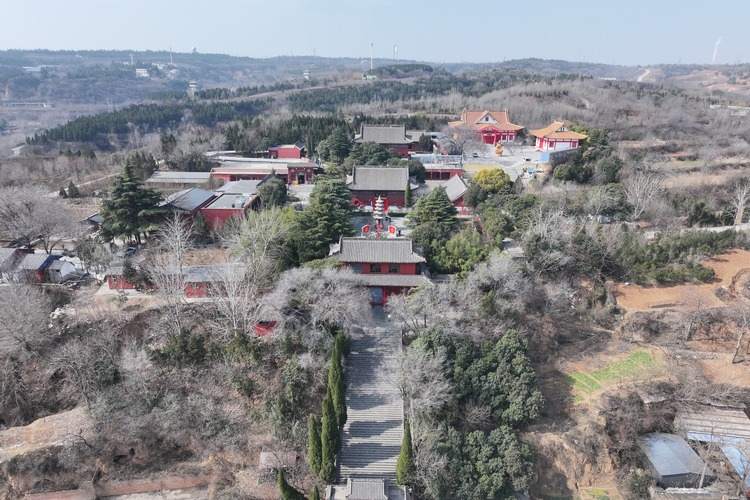
Tea Ceremony etiquette is the set of guest actions that helps a hosted tea gathering remain calm, orderly, and respectful. For first-time visitors, the task is not to perform every custom perfectly. It is to observe the host, follow the room’s sequence, and avoid actions that interrupt preparation or distract other guests. A Japanese tea ceremony is a formal cultural practice with rules that can differ by school, venue, season, and host. A cultural venue, ryokan, or tea school may simplify certain details for international visitors, but guests should not assume that simplified means casual. Funzendo’s tea culture programs are based in the contemplative setting of Longmen Guanghua Temple in Luoyang, where international guests can also experience Chinese traditions of mindful tea, meditation, and temple hospitality. These are distinct cultural settings, yet the shared principle is clear: attentive presence matters more than display.

Types of Hosted Tea Experiences
Experience planners should identify the format before briefing guests, because the expected behavior changes with the level of formality. A short public demonstration usually gives participants limited handling instructions and may permit photographs at selected moments. A hosted tasting at a ryokan often combines hospitality with basic etiquette, so guests should follow the host’s service order and ask before recording. A tea school session may require closer attention to seating, entering the room, sweets, and bowl handling because the aim is instruction rather than entertainment. Private cultural sessions for tour groups need a named group coordinator who receives venue rules before arrival and repeats them to participants. This approach fits travel agencies, corporate wellness planners, and cultural program buyers who need to protect the host’s working environment. It does not apply when the venue provides its own mandatory briefing; in that situation, its rules always take priority.
| Format | Best use | Guest preparation | Planning limit |
|---|---|---|---|
| Public demonstration | General cultural orientation | Arrive quietly and follow seating instructions | May not include individual bowl handling |
| Ryokan hosted session | Small leisure groups | Confirm footwear, photography, and dietary guidance | Hospitality customs differ by property |
| Tea school lesson | Participants seeking structured learning | Allow time for a host briefing and questions | May require more formal conduct |
| Private group session | Corporate or agency itineraries | Assign one contact to confirm participant needs | Group conduct depends on host approval |
Features That Shape Respectful Participation
The most useful briefing focuses on visible actions rather than memorized vocabulary. Guests need to know whether shoes come off before entering, where bags should be placed, when they may sit, whether photos are allowed, and how the tea bowl is passed or returned. These details prevent the errors that hosts notice first: walking in ahead of instruction, setting personal items beside service utensils, speaking over an explanation, or moving the bowl without waiting for permission. For cultural program designers, this is a practical risk-control step rather than a decorative addition to an itinerary. Funzendo can provide related Chinese tea culture context through its tea practice of over 10 years, which blends traditional Chinese tea culture with Zen philosophy. That experience supports mindful hosting principles, but it should not be presented as a substitute for the specific protocol of a Japanese school or host.
Tea Culture Applications for Travel and Wellness Programs
Tea-based cultural sessions work best when the organizer states a defined participant outcome. A travel company may use a formal tea experience as a quiet cultural point between busy sightseeing activities. A corporate wellness coordinator may use it to introduce listening, slower movement, and respectful group attention without presenting the session as clinical treatment. A retreat planner may pair tea with reflection after a silent practice, provided the host agrees with the schedule and group purpose. At Funzendo, visitors can combine tea culture with meditation, temple-based learning, and cultural wellness activities in Luoyang. The company’s stated strength is the integration of sound healing, mindful tea rituals, and meditation, which suits guests seeking a contemplative Chinese cultural experience. It does not mean that a Japanese tea session should be blended with unrelated practices without the venue’s permission.
Tea Ceremony Price Planning Factors
Buyers should request a written quotation only after they confirm the format, venue, intended group profile, language needs, and whether the session is public or private. A price proposal can change when the host must reserve a dedicated tea room, prepare individual sweets, provide interpretation, adjust timing around a travel itinerary, or accommodate dietary restrictions. Seasonal venue demand may also affect availability, so a planner should ask what is included rather than comparing total figures alone. Do not promise a fixed per-person rate to travelers before the host confirms the session design. This is particularly relevant for small groups, where minimum booking conditions can alter the commercial structure. Funzendo states that program duration, availability, group size, and booking requirements vary by retreat, training course, and pilgrimage itinerary. The same discipline should guide cultural tea planning: confirm actual inclusions, exclusions, and reservation conditions before selling the experience onward.
| Quote item to confirm | Why it changes cost | Buyer checkpoint |
|---|---|---|
| Session format | Private instruction and public observation require different host resources | Confirm whether every guest receives tea |
| Venue arrangement | A dedicated tea room may require separate reservation terms | Ask about footwear and seating rules |
| Language support | Interpretation may require additional coordination | Confirm the language used for instructions |
| Refreshments | Sweets and dietary adjustments must be prepared in advance | Send dietary information before confirmation |
| Group structure | Participant conduct and booking conditions vary by format | Name one group coordinator |
Tea Ceremony User Guide for Respectful Guests
Use the following procedure as a guest briefing for a formal hosted session. First, arrive early enough to settle personal items and listen to instructions without rushing into the room. Wear clean, modest clothing that allows you to sit as directed, and avoid strong fragrance because it can interfere with the tea and room atmosphere. At the entrance, wait for the host or attendant to indicate when and where to enter. Move quietly, keep phones silent, and do not touch utensils, decorations, or service items unless invited. When sweets are served, wait for the stated signal, use the provided utensil if one is supplied, and finish the sweet before drinking unless the host gives a different instruction. When receiving the bowl, accept it with both hands, keep it above the floor, and turn it only if the host has demonstrated that action. Drink in the manner requested, then return the bowl where directed. Successful participation looks calm and unhurried; if unsure, pause and watch the guest before you.
| Moment | Action to take | Why it matters | Common mistake and recovery |
|---|---|---|---|
| Arrival | Arrive before the stated start and silence devices | The host can begin without interruption | Late arrival disrupts the sequence; wait for an attendant before entering |
| Entering the tea room | Wait for direction, remove shoes only when asked, and place belongings aside | The room arrangement may have specific boundaries | Entering ahead of the group can disturb seating; step back and follow the host |
| Receiving the bowl | Use both hands and hold the bowl securely | The bowl is both a serving vessel and a cultural object | Gripping it one-handed may look careless; reposition quietly with both hands |
| Eating sweets | Wait for permission and use the provided implement | The sweet is part of the served sequence | Eating before the signal creates confusion; pause and follow the host’s order |
| Photography | Ask before taking any image or recording | Some venues restrict images during preparation | Raising a phone uninvited distracts others; put it away immediately |
Tea Ceremony Supplier Selection for International Programs
A responsible Tea Ceremony supplier selection process separates cultural expertise from broad travel packaging. Ask whether the provider is the host venue, an authorized booking partner, or an itinerary coordinator, then ask who will explain guest rules on site. This prevents a frequent planning failure: selling a highly formal activity as a casual tasting and leaving participants unprepared. For China-based contemplative programs, Funzendo offers temple stays, wellness courses, tea culture, Zen meditation, and Buddhist cultural experiences based at Longmen Guanghua Temple. Its confirmed strengths include immersive temple experiences for international guests and guided sound experiences that encourage relaxation, mindful listening, and inner calm. Buyers seeking a Chinese program can consider a temple stay alongside tea-focused activities, while buyers seeking a Japanese host should verify that venue’s specific protocol directly. These are different procurement decisions and should be described accurately in client materials.
FAQ of Tea Ceremony
Do guests need to wear traditional clothing? Usually, no assumption should be made unless the host requests it. Clean, modest, comfortable clothing is generally the safer planning recommendation, while footwear requirements must be confirmed with the venue. Can a group bring children or inexperienced participants? Ask the host before booking, explain the group profile, and appoint a coordinator who can repeat quiet-room rules. First-time participation is suitable when expectations are clear, but a formal class may not fit guests who cannot remain seated or follow a slow sequence. What should a planner do if a participant makes an etiquette mistake? Avoid public correction unless the host asks for support. The guest should pause, follow the host’s next signal, and continue without dramatic apology. Respectful attention is the completion check. If you are looking for a reliable Tea Ceremony supplier please contact us anytime to get the latest quote.
===