Beyond Fasting: Understanding a Structured Fasting Retreat in Chinese Wellness Culture
Fasting is often discussed in terms of weight loss, calorie restriction, or popular wellness trends. Yet a structured fasting retreat involves a much broader set of questions. How should participants prepare? What happens during the fasting period? How is their condition monitored? And why is the return to normal eating an essential part of the experience?
In traditional Chinese wellness culture, periods of dietary restraint have appeared in different religious, philosophical, and health-related contexts. However, fasting practices are not all the same. Religious abstinence, traditional dietary customs, and modern supervised fasting programs have different purposes and requirements.
For international visitors interested in Chinese wellness traditions, understanding these distinctions is important. A responsible fasting program should not promise miraculous detoxification or encourage people to ignore physical warning signs. It should explain its methods, establish appropriate health precautions, provide supervision, and give recovery the attention it deserves.
At Funzendo, located at Longmen Guanghua Temple in Luoyang, China, the Seven-Day Fasting & Purification Retreat combines a structured fasting schedule with health assessment, Qigong, breathing exercises, Six Healing Sounds, emotional relaxation, and recovery guidance.
1. Fasting Is More Than Skipping Meals
In everyday language, fasting simply means going without food for a period of time. In practice, however, the word covers many different approaches.
Some people fast for religious or spiritual reasons. Others follow time-restricted eating patterns as part of their personal lifestyle. Supervised fasting programs may use a defined schedule with preparation, monitoring, and a planned return to eating.
These approaches should not be treated as interchangeable. Their duration, nutritional requirements, health considerations, and intended outcomes can differ significantly.
A multi-day fasting retreat is particularly different from skipping breakfast or choosing not to eat between dinner and the following morning. It involves a longer period of dietary restriction and therefore requires greater attention to individual health, hydration, medication use, and potential complications.
The first question should never be how long a person can tolerate not eating. It should be whether fasting is appropriate for that individual in the first place.
2. The Cultural Background of Dietary Restraint in China
Dietary restraint has appeared in several strands of Chinese religious and cultural history. Buddhist communities, Daoist traditions, and different forms of personal cultivation have developed their own approaches to food, discipline, and daily routines.
In Buddhist settings, food practices are often connected with ethical conduct, moderation, and the organization of monastic life. In some Daoist traditions, dietary regulation has also been discussed as part of broader cultivation systems.
These historical practices should not be simplified into a single universal fasting method. Different traditions have different teachings, and historical religious fasting is not necessarily equivalent to a contemporary wellness retreat.
For modern visitors, the cultural value lies in understanding how food, discipline, and self-cultivation have been discussed in Chinese traditions. It does not require reproducing historical fasting practices without appropriate guidance.
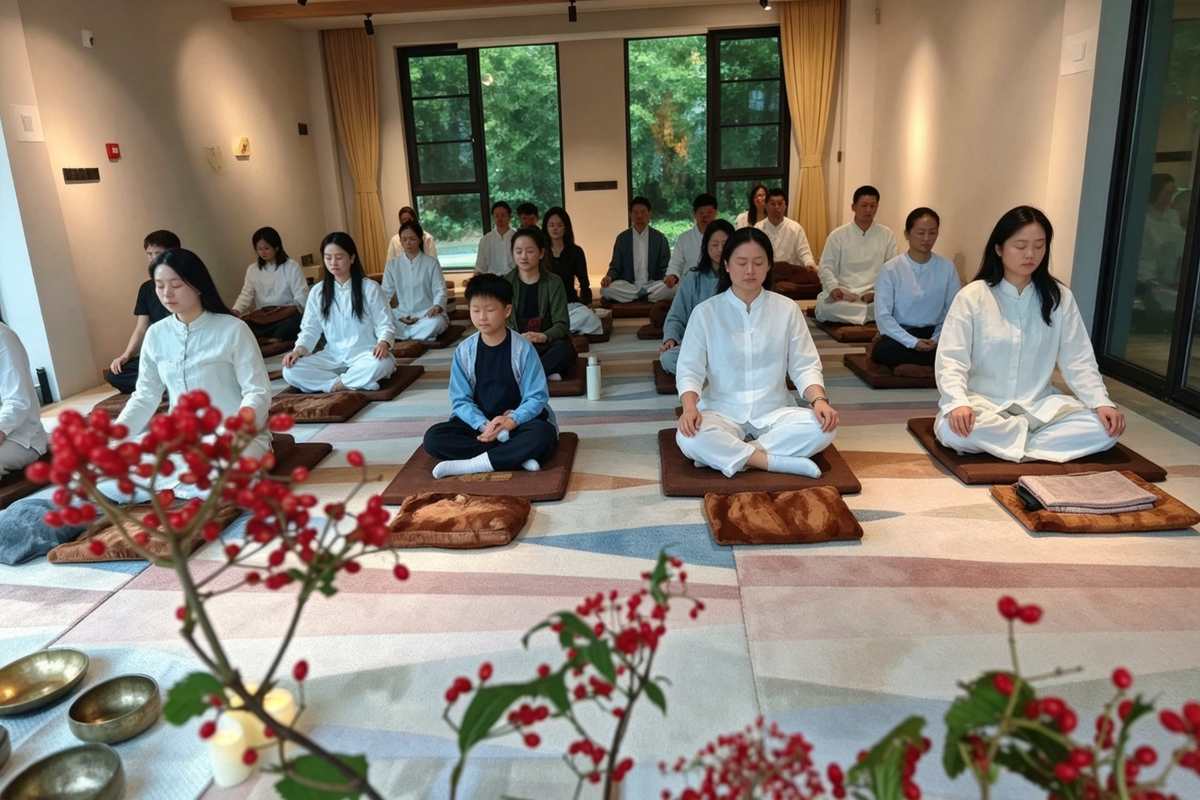
3. Why Preparation Matters Before a Fasting Program
A responsible fasting program should begin before the first day of dietary restriction. Preparation is not merely a matter of willpower. It involves understanding the participant's health circumstances and determining whether the planned program is suitable.
Health Assessment
Before participating in a multi-day fasting program, individuals should receive appropriate medical advice and disclose relevant health information. This includes existing medical conditions, previous eating disorders, current medications, pregnancy or breastfeeding, and any history of problems related to blood sugar, blood pressure, or nutrition.
Some people should avoid fasting altogether. Others may require medical supervision or changes to medication. A wellness instructor should not independently advise participants to stop prescribed medication or disregard medical guidance.
Understanding the Program
Participants should know what the fasting plan actually involves. Important questions include:
What foods or drinks are permitted during the fasting period?
How long does the dietary restriction last?
What health information is collected before participation?
Who monitors participants during the program?
What happens if someone develops symptoms or needs to stop?
How is the return to normal eating organized?
A clear explanation of these details helps participants make an informed decision instead of relying on vague promises about purification or detoxification.
Setting Realistic Expectations
A fasting retreat should not be presented as a guaranteed method for losing weight, removing toxins, curing illness, or resetting the metabolism. The body already has biological systems, including the liver and kidneys, that perform essential functions involved in processing and eliminating waste.
For a wellness retreat, a more responsible emphasis is placed on education, structured routines, cultural learning, and understanding personal habits.
4. What Happens During the Fasting Period?
Once a participant has been assessed and accepted into a suitable program, the fasting period requires ongoing attention. It should not be treated as a test of endurance.
Different programs use different dietary protocols. Participants should follow the specific plan explained by the qualified professionals responsible for their care rather than combining advice from unrelated online fasting methods.
Monitoring and Communication
Health monitoring is an important part of a supervised program. Participants should have a clear way to report symptoms, ask questions, and receive assistance.
Warning signs such as fainting, confusion, severe weakness, persistent vomiting, chest pain, or significant dizziness should never be dismissed as evidence that a fast is working. These symptoms may require the fasting process to stop and prompt medical evaluation.
Rest and Appropriate Activity
Fasting may affect energy levels and physical performance. Activities should therefore be adapted to the individual's condition. Intense exercise or demanding physical challenges should not be added simply to make a retreat feel more productive.
Gentle movement, quiet reflection, and adequate rest may form part of a program when appropriate. The emphasis should remain on safety rather than achieving a particular physical performance.
5. The Role of Qigong and the Six Healing Sounds
One distinctive feature of the Funzendo fasting retreat is that it does not focus exclusively on food restriction. The published program also includes traditional wellness practices, such as Qigong, breathing exercises, and the Six Healing Sounds.
Qigong: Movement and Awareness
Qigong (气功) refers to a broad family of Chinese practices involving movement, posture, breathing, and focused attention. Different traditions have different methods and purposes.
In a wellness setting, gentle Qigong exercises may introduce participants to body awareness and controlled movement. During a fasting program, however, physical activity should be adjusted to the participant's health and energy levels. It should not be used to push someone through weakness or exhaustion.
Six Healing Sounds: A Traditional Breathing Practice
The Six Healing Sounds, known in Chinese as Liu Zi Jue (六字诀), are a traditional Chinese practice involving specific sounds and breathing patterns.
The practice is often introduced as a form of coordinated breathing and vocal expression. It provides an opportunity to explore how breath, sound, posture, and attention are connected within traditional Chinese wellness culture.
For international learners, it is important to understand the Six Healing Sounds as a traditional practice rather than a clinically established treatment for particular diseases.
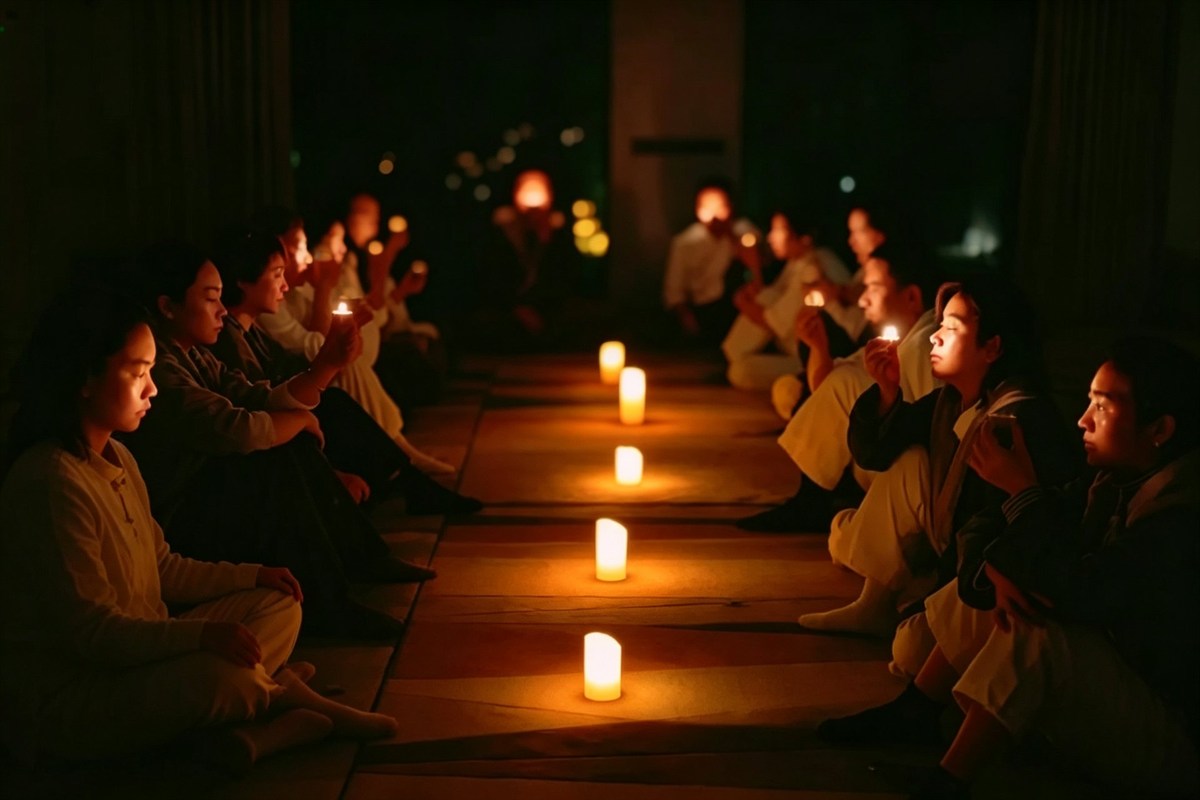
6. Emotional Relaxation and Mindfulness During a Retreat
Changing daily eating routines can also change the way people experience their schedules and surroundings. A structured retreat may therefore include time for reflection, mindfulness, and emotional support.
At Funzendo, emotional guidance, stress-release activities, and mindfulness practice are listed among the fasting retreat highlights. These elements provide a contemplative dimension alongside the practical schedule.
Mindfulness does not mean ignoring discomfort or forcing a positive attitude. It means learning to notice thoughts, emotions, and physical sensations without immediately reacting to every experience.
For example, participants might be encouraged to observe:
How they respond when their usual daily routine changes.
Whether they tend to eat automatically while distracted.
How their mood and concentration change during different activities.
Which daily habits they would like to understand more clearly.
These reflections can be useful as personal learning exercises. They should never be used to suggest that emotional distress or physical symptoms are simply part of a necessary purification process.
7. Recovery: The Part of Fasting That Deserves More Attention
Many people focus on the number of hours or days spent fasting. Yet the return to eating is equally important when considering the structure of a multi-day program.
After a prolonged period of little or no food intake, returning immediately to large meals may be unsafe. In certain circumstances, refeeding can lead to serious electrolyte and metabolic complications, including refeeding syndrome.
The level of risk depends on factors such as the duration and severity of food restriction, nutritional status, and underlying medical conditions. People at risk may need a medically supervised refeeding plan.
Why Recovery Needs a Planned Process
A structured recovery phase should take individual circumstances into account. It should not rely on a universal meal plan copied from a website or a fixed rule that applies to everyone.
Depending on the person's condition and the duration of fasting, professional guidance may address:
How and when food intake is resumed.
Whether nutritional or electrolyte monitoring is necessary.
How symptoms are observed during the return to eating.
When normal dietary patterns can be gradually re-established.
Whether additional medical follow-up is required.
Anyone who has undergone prolonged restriction or has a risk of malnutrition should seek medical supervision for refeeding. A retreat's general wellness guidance should not replace clinical assessment.
8. How to Evaluate a Fasting Retreat Before Booking
Not every program described as a fasting retreat offers the same level of preparation or supervision. Before booking, it is worth examining the details rather than relying on attractive descriptions.
Check the Health Screening Process
Does the program ask about medical history, medications, and relevant health conditions? Is there a clear process for deciding whether someone should participate?
Understand Who Provides Supervision
Find out who is responsible for health monitoring and what qualifications they hold. A meditation teacher or wellness instructor should not be assumed to have the authority or training to manage medical complications.
Ask About the Recovery Phase
Does the program explain how participants return to eating? Is the recovery plan adapted to individual circumstances? Is medical support available when required?
Look for Clear Information About Limitations
Be cautious of programs that promise guaranteed weight loss, disease treatment, complete detoxification, or dramatic physical transformation. Responsible providers should explain what their programs include and what they cannot promise.
A useful rule is simple: a retreat should be transparent about its schedule, supervision, risks, and limitations before asking anyone to make a booking.
9. The Seven-Day Fasting & Purification Retreat at Funzendo
For visitors interested in exploring Chinese wellness culture through a structured program, Funzendo offers a Seven-Day Fasting & Purification Retreat at Longmen Guanghua Temple in Luoyang, China.
The official course description presents a seven-day structure that combines five days of fasting with preparation and recovery components. It also includes traditional wellness activities and ongoing guidance.
What the Published Program Includes
Day 1 – Arrival and Preparation: Introduction to the retreat, health assessment, an explanation of fasting principles, and preparation activities.
Days 2–6 – Fasting and Wellness Practice: The guided fasting period, health monitoring, Qigong, breathing exercises, Six Healing Sounds, and emotional relaxation sessions.
Day 7 – Recovery and Integration: Recovery guidance, sharing of the wellness experience, lifestyle recommendations, and the closing of the retreat.
The course page also lists accommodation, three meals a day, hot showers, internet access, washing machines, and a public activity room among its facilities and inclusions. Participants should confirm the exact meal arrangements during the fasting period directly with Funzendo before booking.
Who May Be Interested?
The course is presented for people interested in traditional Chinese wellness, structured lifestyle experiences, and guided cultural learning. However, interest alone does not establish medical suitability.
Because the program involves multi-day fasting, prospective participants should consult an appropriately qualified healthcare professional before enrolling. Anyone for whom fasting may be medically unsuitable should not participate simply because a retreat is available.
For the full course description, location, inclusions, and booking information, visit the Fasting & Purification Retreat page.
10. From a Retreat Experience to More Conscious Daily Habits
A structured wellness retreat can provide an opportunity to step away from familiar routines and examine everyday habits. However, the most useful lessons do not need to involve continued fasting after the retreat ends.
Participants may instead reflect on practical questions:
Do I eat at regular times, or do my meals depend entirely on my work schedule?
Do I recognize hunger and fullness, or do I often eat automatically?
Do I allow enough time to rest and recover?
Can I introduce gentle movement and quiet reflection into ordinary days?
Which lifestyle changes are realistic and sustainable for me?
For many people, sustainable habits are more valuable than extreme short-term challenges. Regular meals, appropriate nutrition, sufficient sleep, movement suited to individual ability, and professional healthcare when needed remain important foundations of well-being.
Conclusion: A Responsible Retreat Begins with Understanding
Fasting is a subject that deserves more than simple promises of purification or rapid transformation. A multi-day fasting program requires preparation, individual assessment, appropriate monitoring, and careful recovery. Its cultural and wellness elements should complement these responsibilities rather than replace them.
In Chinese wellness culture, Qigong, breathing exercises, the Six Healing Sounds, and mindfulness offer additional ways to explore body awareness and traditional self-cultivation. When introduced responsibly, these practices can provide cultural learning beyond the fasting schedule itself.
At Funzendo in Luoyang, the Seven-Day Fasting & Purification Retreat brings these elements together in a structured program. For anyone considering participation, the first step is not to ask how long they can fast, but to understand the program, review its safety arrangements, and determine whether it is appropriate for their health.
A meaningful wellness experience should leave participants better informed—not simply more willing to push their limits.