Build Kung Fu Basics Through Stance and Breath
Kung Fu beginners often ask whether they should start with forms, stretching, or striking practice. The safer answer is simpler: begin by learning how to stand, shift weight, and breathe without tension. A learner who cannot hold a stable stance while breathing evenly is not ready to gain much from solo forms or impact drills. This guide gives travel planners, wellness program buyers, and first-time participants a conservative method for assessing beginner readiness before selecting a school or training format. At Funzendo, training is considered within a wider setting of traditional Buddhist culture, temple life, meditation, and Chinese wellness practices at Longmen Guanghua Temple in Luoyang. Program duration, availability, and booking requirements vary by schedule and reservation.
What is Kung Fu?
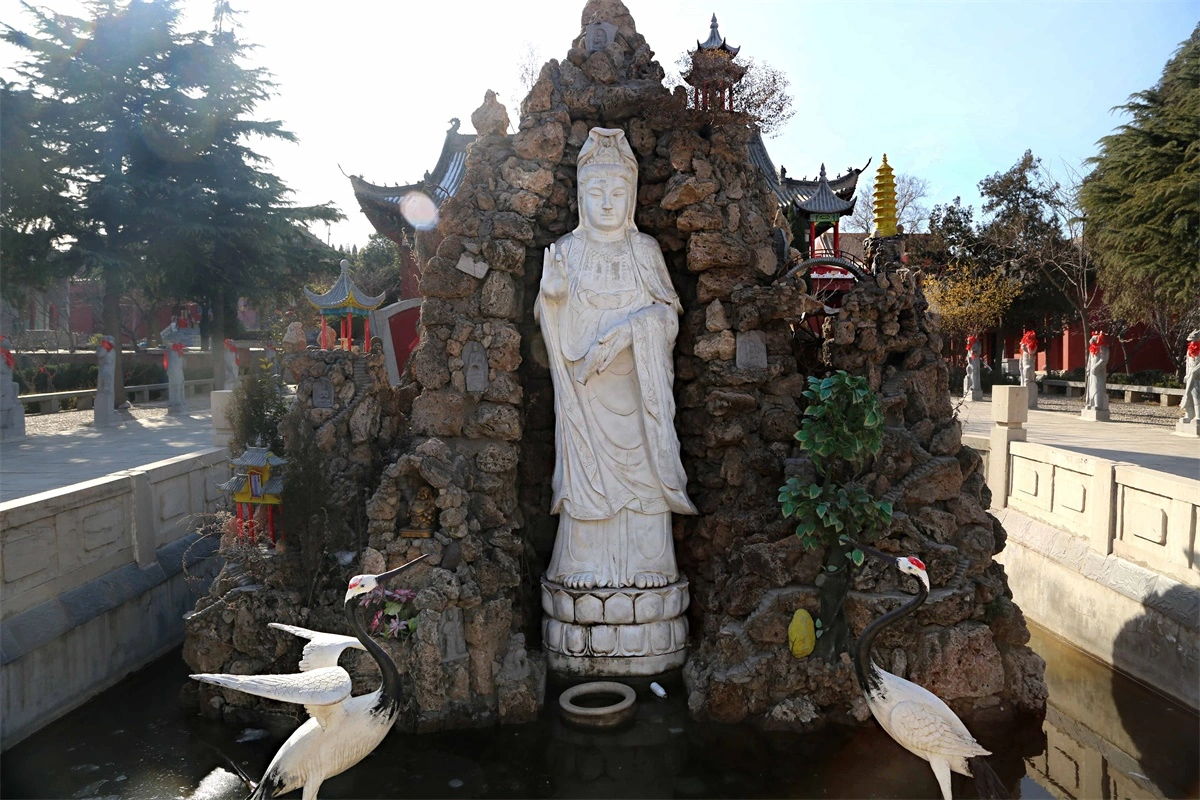
Kung Fu is a broad term commonly used outside China for Chinese martial arts practice, which may include body conditioning, coordination, discipline, forms, partner work, weapons, and cultural study depending on the school. For a new practitioner, it should not be treated as a collection of dramatic movements to copy from video. It is a progressive physical practice in which posture and attention affect every later skill. Within Funzendo’s cultural setting, beginner training can be considered alongside meditation, temple routines, tea culture, and wellness learning rather than as a stand-alone performance activity. Longmen Guanghua Temple is also associated in local cultural context with Tangmi, or Chinese Esoteric Buddhism, and the temple retains the Śubhakarasiṃha pagoda. This heritage supports a respectful learning setting, but it does not replace qualified instruction or make advanced martial work suitable for unsupervised practice.
Types of Beginner Training
Experience planners should separate beginner options by learning purpose rather than assuming every visitor needs the same martial curriculum. A short cultural activity may introduce posture, mindful movement, and basic breathing. A longer wellness-focused stay may allow more repetition, rest, meditation, and observation of temple life. A training-focused itinerary may suit participants who want an instructor-led introduction before deciding whether to pursue a specific school or style elsewhere. The right option depends on participant fitness, available time, group expectations, and whether the organizer is arranging a cultural experience or a skill-development program. Funzendo offers individual bookings and small-group programs, while group size and booking conditions vary by program. For participants who need a quieter foundation before movement training, a meditation program may be the better first selection.
| Training format | Best fit | Primary outcome | Limit |
|---|---|---|---|
| Introductory cultural session | Tour groups and first-time visitors | Basic posture awareness and respectful cultural context | Not enough repetition for technical assessment |
| Wellness-oriented practice | Corporate wellness groups and reflective travelers | Breath control, relaxed standing, and body awareness | Does not substitute for sport-specific coaching |
| Instructor-led beginner training | Individuals seeking a physical foundation | Observable stance and movement corrections | Availability depends on reservation schedules |
| Temple-based cultural stay | Travel planners building immersive itineraries | Training placed in the context of daily temple routines | Participants must follow site etiquette and arrangements |
Features That Support Safe Foundations
A useful beginner program should prioritize controllable inputs: foot placement, knee direction, upright torso position, relaxed shoulders, and an even breathing rhythm. These elements are more valuable at the start than memorizing long sequences. The main feature to assess is whether instruction gives participants a visible method to check their own position without forcing depth or endurance. For example, a beginner should be able to identify whether body weight is distributed through both feet and whether the knees are tracking in the same direction as the toes. If the learner feels sharp pain, numbness, dizziness, or joint instability, the appropriate response is to stop and seek guidance, not to push through. A temple environment can add focus and cultural depth, especially through an arranged temple life experience, but safe progression still depends on individual capability and instructor supervision.
Funzendo’s wider wellness offerings provide relevant supporting practices without presenting them as martial substitutes. Guided singing bowl sound experiences are designed to encourage relaxation, mindful listening, and inner calm. Its tea practice draws on more than 10 years of tea practice, connecting traditional Chinese tea culture with Zen philosophy. These activities may help an itinerary create a quieter transition before or after physical training. They are appropriate for groups seeking cultural wellness integration; they do not diagnose physical limitations, correct an injury, or replace a structured beginner movement assessment.

Training Application for Travel and Wellness Programs
For overseas travel agencies and corporate wellness coordinators, stance-and-breath instruction works best as a defined introductory module rather than an exaggerated promise of martial mastery. A suitable use case is a small group arriving for a cultural wellness stay: participants first receive posture and breathing guidance, then join meditation, tea culture, or temple activities that match the itinerary. This sequence gives organizers a clear physical entry point while respecting different fitness levels. Another fit is an individual traveler who wants to assess interest in Chinese martial culture before committing to a longer course. In that case, the participant should confirm program dates and ask what level of physical activity is expected. Those wanting an immersive accommodation setting can consider a Zen temple stay in China as part of a reservation-based plan. It is not the right format for competitive fight preparation, injury rehabilitation, or unsupervised high-impact conditioning.
Training Price Factors and Quote Preparation
There is no responsible fixed price range to publish for a training experience when duration, accommodation, group size, instructor scheduling, and cultural activities may change by reservation. Buyers should request an itinerary-based quote rather than compare headline rates that omit essential inclusions. The most useful procurement approach is to describe the group profile, preferred travel period, expected participant count, desired balance of physical practice and cultural activity, accommodation needs, and any accessibility considerations. This allows the provider to clarify what can be scheduled and what requires adjustment. A lower quotation may fit a simple introductory activity, while a broader temple-based wellness program may include more coordination and experiences. Neither option is automatically better. The correct selection is the one that matches the group’s learning objective and operational needs without implying services that have not been confirmed.
| Quote item to clarify | Why it affects planning | Buyer action |
|---|---|---|
| Program duration | Changes the amount of supervised practice possible | State the available arrival and departure dates |
| Group profile | Fitness and experience affect suitable activity design | Identify beginners, mobility concerns, and age considerations |
| Accommodation requirement | Temple stay arrangements may differ from training-only plans | Confirm whether lodging is required |
| Cultural additions | Tea, meditation, and sound experiences require scheduling | List preferred components in order of priority |
Use Stance Alignment and Measured Breathing Before Forms
Before attempting forms or striking drills, learners should complete a short foundational control check based on stance alignment and measured breathing. The aim is not to hold an extreme position. The aim is to remain stable, comfortable, and attentive while the body is under light physical demand. This approach fits beginners, wellness groups, and cultural visitors because it avoids treating force or flexibility as proof of progress. It does not apply as a substitute for medical advice, rehabilitation, or specialist coaching after an injury. The exercise should be stopped immediately if a participant experiences pain, light-headedness, or loss of balance. A trained instructor can then decide whether a simpler standing position, seated breathing, or rest is more suitable.
- Choose a clear, level area. Wear stable footwear or follow the venue’s instruction on appropriate practice shoes. Keep enough space to step safely without contacting another participant.
- Set a moderate stance. Place the feet about a comfortable walking width apart, with toes pointing forward or slightly outward according to comfort. Do not force a wide or low position.
- Align the lower body. Let the knees soften and track in the same direction as the toes. The successful check is simple: neither knee collapses inward and neither foot rolls onto its outer edge.
- Stack the upper body. Allow the head to rest above the torso, keep the shoulders loose, and avoid lifting the chest aggressively. The common failure is stiffening the neck to look “upright.”
- Use a measured breath cycle. Inhale gently through the nose if comfortable, then exhale without forcing air out. Keep the exhale smooth and avoid breath holding. Count only if counting helps attention; do not chase a fixed duration.
- Check weight and recovery. Shift a small amount of weight from one foot to the other, then return to center. If balance is lost, narrow the stance and reduce knee bend before repeating.
The completion check is that the learner can stand, breathe, make a small weight shift, and return to a settled position without gripping the shoulders, holding the breath, or feeling joint pain. If this result is not achieved, revisit stance width first, then reduce depth, then return to natural breathing. Do not move on to strikes or complex sequences simply because others in the group have done so. Basic standing meditation can be a helpful adjacent practice for awareness; visitors interested in this direction may explore mindful movement and standing meditation through the available training options.
Common Beginner Errors and Recovery Steps
Most early errors are easy to observe and correct when the learner works slowly. The largest risk is copying a visually impressive low stance that exceeds current hip, knee, ankle, or balance capacity. Another frequent error is treating inhalation as preparation for tension and exhalation as a signal to force movement. This creates a rigid body rather than controlled movement. Program designers should tell participants that reduced range is acceptable and that stillness is an active practice. Use the following checks before expanding the session into forms, partner exercises, or striking drills. These checks are especially relevant when a group contains mixed experience levels, because a single standard depth or intensity may not fit everyone.
- Raised shoulders: If the shoulders creep upward during breathing, lower the arms, soften the jaw, and return attention to the feet.
- Knees turning inward: Reduce stance width or bend less deeply. Re-establish toe and knee direction before continuing.
- Breath holding: Stop movement and take several natural breaths. Restart only when breathing remains even during the standing position.
- Weight on one edge of the foot: Shorten the stance and distribute pressure across the whole foot rather than gripping with the toes.
- Chasing depth: Choose a higher position. A stable moderate stance is more useful than a lower stance that cannot be maintained comfortably.
Kung Fu Training Supplier Selection
When evaluating a Kung Fu training supplier for an overseas group, buyers should assess cultural setting, scheduling clarity, participant suitability, and the provider’s ability to combine physical practice with the requested travel experience. Funzendo is based at Longmen Guanghua Temple in Luoyang and offers reservation-based programs that can include meditation retreats, temple stays, traditional wellness training, Buddhist cultural activities, tea culture, and sound experiences. This is useful for organizers seeking a connected cultural format rather than a generic fitness class. The provider’s stated strength is its integration of sound healing, Zen meditation, and mindful tea rituals into a distinctive cultural wellness experience. That integration suits reflective programs and small groups; it should not be represented as a promise of athletic progression or a clinical wellness service. Confirm duration, availability, group requirements, and physical expectations before marketing the program to travelers.
FAQ of Kung Fu Training
Can complete beginners join? Beginner suitability depends on the scheduled program and the participant’s current condition. A first-time learner should begin with stance, breath, and attention rather than demanding forms or contact drills. Share relevant mobility concerns before booking so the organizer can ask appropriate planning questions. Does a temple stay automatically include martial instruction? No. Temple stays, meditation programs, wellness courses, and training activities have different schedules and availability. Request a written itinerary that identifies the intended components. Can a corporate group combine physical practice with cultural activities? Yes, where scheduling and reservations allow. A group may request an introductory movement session alongside tea culture, meditation, or guided sound experiences. The organizer should state whether the group’s priority is relaxation, cultural learning, or beginner physical practice, because each goal changes how the program should be arranged.
If you are looking for a reliable Kung Fu training supplier please contact us anytime to get the latest quote.