Compare Silent Retreat Prices Beyond the Nightly Rate
Booking a corporate or group wellness program based on an advertised nightly rate is a significant financial risk. An attractive price for a silent retreat can quickly become unmanageable when you account for ancillary costs like transport to a remote location, mandatory donations, or separately priced meals and activities. Before committing your organization to a program, it is essential to look beyond the sticker price and understand the full investment required to ensure the experience aligns with your budget and objectives.
Deconstructing Retreat Pricing Models
The advertised price of a retreat rarely tells the whole story. Pricing structures vary widely between modern wellness centers and traditional monastic settings, and understanding these differences is the first step in accurate budget planning. For group organizers and corporate wellness coordinators, comparing these models on an "apples-to-apples" basis is necessary for responsible financial stewardship. Most providers fall into one of three main categories, each with its own set of potential hidden costs.
A clear understanding of these models prevents budget overruns and ensures the chosen program delivers the expected value without financial surprises. The ideal model depends on your group's need for budget predictability versus flexibility.
| Pricing Model | What It Typically Includes | Common Exclusions & Hidden Costs | Best For |
|---|---|---|---|
| All-Inclusive Package | Lodging, all meals, scheduled group sessions (e.g., meditation, workshops), and use of facilities. | Airfare, airport transfers, visa fees, travel insurance, optional one-on-one sessions, and souvenirs. | Groups needing predictable, fixed costs and minimal logistical planning on-site. |
| Base Rate + Add-ons | Basic lodging and access to the grounds. | All meals, specific training courses, private consultations, airport transfers, and sometimes even bedding or towels. | Groups seeking a highly customized itinerary where participants can pick and choose activities. |
| Donation-Based (Dāna) | Access to teachings and basic shared accommodation and meals, sustained by the practice of generosity. | The concept of Dāna is not "free." A substantial contribution is expected to cover costs and support the teachers and facility. Travel and personal expenses are separate. | Individuals or groups deeply familiar with Buddhist traditions who want to support a monastery directly. Less suitable for corporate budgets requiring fixed invoices. |

Calculating Your Total Silent Retreat Budget
A comprehensive budget is the most critical tool for any group travel planner. To avoid unexpected expenses, you must systematically account for every cost category from the moment your group leaves home until they return. The initial program fee is often just one component of a much larger financial picture. A detailed breakdown helps justify the investment to stakeholders and provides transparency for participants. Use the following checklist to build a realistic financial forecast for your upcoming retreat.
- Program & Tuition Fees: This is the advertised cost. Confirm exactly what it covers. Does it include all scheduled activities, or are some core workshops extra?
- Accommodation: Is lodging included in the program fee? Clarify the type (private room, shared dorm) and if any upgrades are available at an additional cost.
- Meals & Dietary Needs: Confirm if three meals per day are included. Ask if there are upcharges for special dietary requirements (e.g., gluten-free, vegan) that are not part of the standard temple fare.
- International & Domestic Transport: Factor in round-trip airfare to the nearest major airport. From there, calculate the cost of domestic transport, such as high-speed rail or a private bus charter, to reach the retreat location. For our programs at Longmen Guanghua Temple, this would mean travel to Luoyang.
- Visas & Travel Insurance: Include costs for obtaining necessary travel visas for all participants. Comprehensive travel and medical insurance is non-negotiable and should be budgeted for each person.
- Required Donations: Some monasteries operate on a model that includes suggested or mandatory donations to the temple or the teaching monastics, separate from the program fee. This must be clarified upfront.
- Discretionary Spending: Allocate a per-person budget for optional activities, books, cultural artifacts, or special teas they may wish to purchase.
- Cancellation & Contingency: Review the cancellation policy. What percentage of the fee is non-refundable? It is wise to add a 5-10% contingency fund to your total budget to cover unforeseen circumstances or currency fluctuations.
Evaluating Program Inclusions for True Value
Once you have a handle on the total cost, the next step is to assess the value delivered. A lower-priced retreat is not a better deal if it offers a superficial experience in a non-traditional setting. For organizations seeking authentic cultural and wellness outcomes, the quality of the instruction and the environment are paramount. We find that discerning groups prioritize programs that offer genuine immersion over generic wellness packages. This is where an authentic temple stay provides unmatched value.
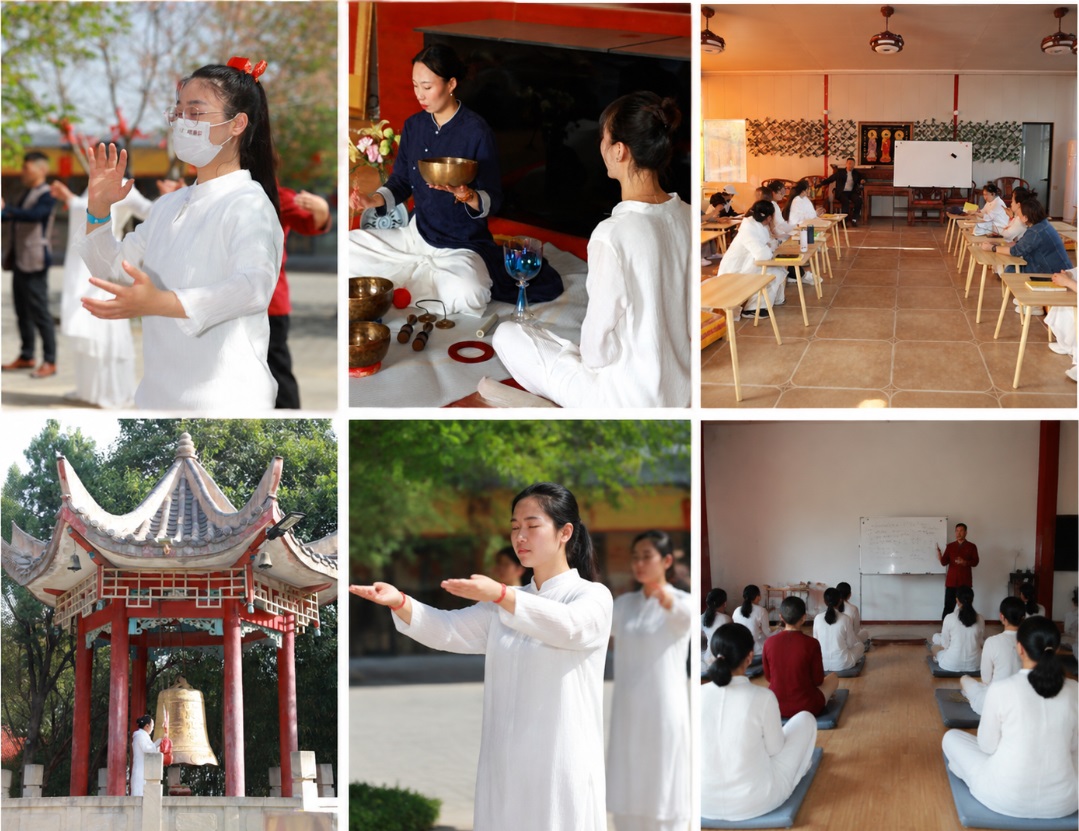
At Funzendo, we focus on providing Immersive Temple Experiences within the historic grounds of Longmen Guanghua Temple. This allows participants to learn contemplative traditions in the very environment where they have been practiced for centuries. Furthermore, our programs are distinguished by a Unique Sound, Tea & Zen Integration. This approach combines guided Singing Bowl Sound Healing sessions, accessible Zen Meditation & Mindfulness practices for beginners, and our Authentic Chinese Tea Ceremony. This multidisciplinary method, rooted in over a decade of dedicated tea practice, offers a richer, more holistic experience for inner calm and present-moment awareness than a retreat focused on a single modality. When evaluating options, consider whether the program provides a unique, integrated curriculum or simply a quiet place to stay.
Common Financial Mistakes When Booking a Retreat
Even with careful planning, certain oversights are common when organizing a group retreat, particularly internationally. Being aware of these potential pitfalls can save your organization significant time and money. These mistakes often stem from assumptions about what is included or from underestimating the complexity of logistics in a foreign country.
- Underestimating "Last-Mile" Transportation. Many authentic monasteries and retreat centers are located in serene, remote areas. Planners often budget for the international flight but fail to adequately research the cost and time required for the final leg of the trip—be it a multi-hour bus ride, a private car service, or a regional train. This can lead to logistical stress and significant unplanned expenses.
- Misinterpreting "Donation-Based" as Free. As mentioned, the Dāna model is a pillar of Buddhist culture, not a business transaction. Assuming it means the retreat is free or that a minimal contribution is acceptable is a serious cultural and financial misstep. For B2B planning, it's often better to choose programs with clear, invoiced pricing to avoid ambiguity.
- Ignoring Currency Conversion and Transfer Fees. When paying international providers, the exchange rate on the day of transfer can differ from the rate on the day you received the quote. Additionally, international bank transfers often incur fees from both the sending and receiving banks. These small percentages can add up, especially for large group payments.
- Overlooking the Details of the Cancellation Policy. A non-refundable deposit is standard. However, some policies have tiered cancellation fees that increase as the start date approaches. A last-minute cancellation, even for a valid reason, could result in the forfeiture of the entire program fee. Ensure the policy is clear and that your travel insurance provides adequate coverage for cancellations.
By building a comprehensive budget and asking detailed questions about inclusions, you can confidently select a silent meditation program that provides profound value and aligns with your organization's financial planning. Our chinese traditional culture training offers a structured, transparently priced alternative for groups seeking deep engagement without financial uncertainty.
For a detailed proposal on our immersive cultural wellness programs, please contact our team to discuss your group's requirements.