Connect Buddhist Philosophy to Everyday Ethical Choices
Many professionals are familiar with the core tenets of Buddhist philosophy, such as the Four Noble Truths and the concept of non-attachment. The challenge, however, is translating this profound wisdom from ancient texts into practical guidance for modern, everyday decisions. How can these principles inform our choices in the workplace, our interactions with colleagues, and our personal conduct without being reduced to simple self-help maxims? The key is to move beyond theoretical knowledge and cultivate a framework for mindful action rooted in core ethical teachings.
This approach isn't about seeking an escape from professional life but about engaging with it more skillfully and compassionately. By examining our intentions and understanding the ethical dimensions of our speech and actions, we can integrate these practices into our daily routines. At Funzendo, we facilitate experience daily Buddhist temple life programs at Longmen Guanghua Temple, providing an authentic environment where individuals can explore these connections firsthand. The integration of sound, tea, and Zen offers a unique cultural wellness experience that grounds these philosophical concepts in tangible practice.
Beyond Self-Help: A Framework for Mindful Decision-Making
A common misconception reduces Buddhist ethics to a set of rules for personal improvement. In reality, it offers a dynamic system for evaluating the quality of our actions based on their underlying motivations and potential consequences. This framework relies on a constant, gentle inquiry into our own minds. It's not about achieving perfection, but about cultivating awareness. This is a core part of the Chan meditation tradition. By focusing on intention, compassion, and right speech, we can create a practical model for assessing our choices in any situation.
This method shows how to use these principles to evaluate everyday decisions without diluting their meaning. It shifts the focus from "what is in it for me?" to "what is the most skillful and least harmful way to proceed?" The following elements form a cohesive guide for applying these concepts to professional and personal challenges.
- Intention (Cetanā): This is the starting point for any ethical evaluation. Before you act or speak, pause to examine the motivation behind your intended choice. Is it rooted in generosity, clarity, and goodwill, or in greed, aversion, and confusion? An action that appears helpful on the surface can be unskillful if its true intention is self-promotion or manipulation.
- Compassion (Karunā): This principle asks you to consider the impact of your actions on others. A truly ethical choice seeks to alleviate or prevent suffering. This requires empathy and an understanding of the interconnectedness of all beings. In a business context, this could mean choosing a supplier based on their ethical labor practices, not just the lowest price.
- Right Speech (Sammā Vācā): This extends beyond simply avoiding lies. It involves a conscious evaluation of your communication. Is what you are about to say true? Is it beneficial? Is it spoken at the right time? Is it spoken with kindness? This principle challenges the norms of gossip, harsh criticism, and idle chatter that are common in many environments.
The Eightfold Path as a Practical Guide for Professionals
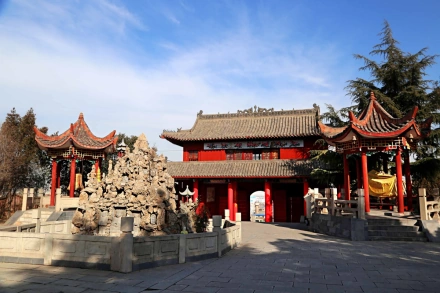
The Noble Eightfold Path provides a comprehensive structure for applying Buddhist philosophy to all aspects of life, including one's career. It is not a sequential set of steps but eight interconnected practices that support and reinforce one another. For professionals, these principles offer clear guidance for navigating complex situations with integrity and wisdom.
For instance, "Right Livelihood" prompts us to consider whether our work contributes to the well-being of society or causes harm. This doesn't necessarily mean everyone must work for a non-profit. It means being mindful of the impact of your industry and your specific role within it. "Right Action" guides us to abstain from actions that cause physical or mental harm, which in a business setting includes deceitful practices or creating a toxic work environment. Cultivating these qualities is a gradual process, often supported by practices like meditation and reflection. Our immersive temple experiences are designed to introduce guests to these contemplative traditions in an authentic setting, helping to build a foundation for mindful living.
Common Workplace Scenarios and the Eightfold Path
Applying these concepts requires context. Here’s how specific elements of the path can be used to analyze common professional challenges:
| Scenario | Relevant Path Factor | Mindful Application |
|---|---|---|
| A difficult negotiation with a client. | Right Speech & Right Intention | Instead of focusing solely on winning, aim for a mutually beneficial outcome. Speak truthfully about your capabilities and limitations. Avoid manipulative language. Your intention should be to build a sustainable, honest relationship. |
| Managing a team member's poor performance. | Right Action & Right Effort | Address the issue directly and privately, with the intention of helping the individual improve. Provide clear, constructive feedback rather than criticism. The effort should be directed toward mentorship, not punishment. |
| Feeling overwhelmed by workload and stress. | Right Mindfulness & Right Concentration | Practice single-tasking instead of multitasking. Take short breaks for mindful breathing to reset your focus. Our Zen Meditation & Mindfulness programs offer accessible breathing practices for beginners seeking greater balance. |
| Considering a new job offer in a questionable industry. | Right Livelihood & Right View | Evaluate the company's mission and its impact on customers, employees, and the environment. Does this work align with your personal values? A correct view recognizes the long-term consequences of one's professional choices. |
Evaluating Daily Choices: A Checklist for Ethical Action
To make these principles immediately actionable, a simple checklist can help guide your decision-making process. Before making a significant choice, take a moment to reflect on these questions. This practice helps to break habitual, reactive patterns and introduces a moment of conscious consideration. Over time, this internal check becomes more natural and integrated into your thought process. This is a core benefit of a consistent mindfulness practice, which can be developed during a temple stay or retreat.
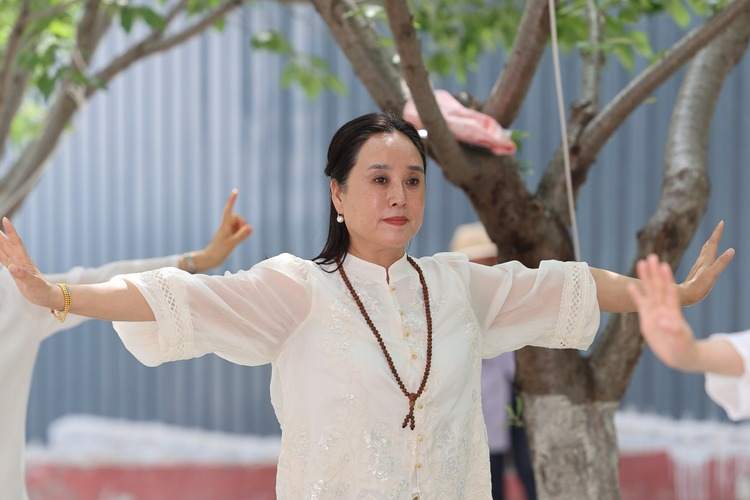
This checklist is not a rigid scorecard but a tool for self-inquiry. The goal is to cultivate clarity, not to judge yourself or others.
A Buyer's Decision Checklist for Mindful Action:
- The Intention Question: What is my primary motivation for this action? Is it driven by a desire for personal gain, fear, and attachment, or by clarity, kindness, and a wish to be of service?
- The Harm Question: Could this action, directly or indirectly, cause harm to myself, other people, or the environment? Am I considering all stakeholders?
- The Speech Question: If this decision involves communication, is my speech truthful? Is it necessary? Is it kind in tone and content? Will this be the appropriate time to say it?
- The Karma Question: What are the likely short-term and long-term consequences of this action? Am I planting seeds for future conflict and suffering, or for future peace and understanding?
- The Detachment Question: Am I overly attached to a specific outcome? Can I perform this action with diligence and care, while accepting that the result is not entirely within my control?
This systematic approach helps ground Buddhist philosophy in real-world scenarios. It transforms abstract concepts into a living practice of ethical awareness and compassionate action, whether you are leading a team, negotiating a contract, or simply interacting with colleagues. Our expertise in blending traditional Chinese tea culture with Zen philosophy, developed over more than 10 years of practice, demonstrates how simple, mindful rituals can reinforce this state of awareness throughout the day.
To explore these principles in a dedicated and supportive environment, consider our programs at Longmen Guanghua Temple. For more information on group bookings or customized wellness itineraries, please contact our team for a detailed consultation.