A traditional Chinese medicine course offers more than lectures—it’s a chance to dive deeply into centuries-old practices like herbal healing, acupuncture, and Qi Gong. Each morning at 8:30 a.m., students gather in a sunlit classroom at Beijing;s Dongzhimen Hospital to learn the art of pulse diagnosis, a skill passed down for over 2,000 years. Sessions blend theory with tactile practice, providing a meaningful way to connect with Chinese heritage while mastering essential techniques. This course brings ancient wisdom into the modern world, making it practical for students from diverse backgrounds.
The Foundations of Traditional Chinese Medicine
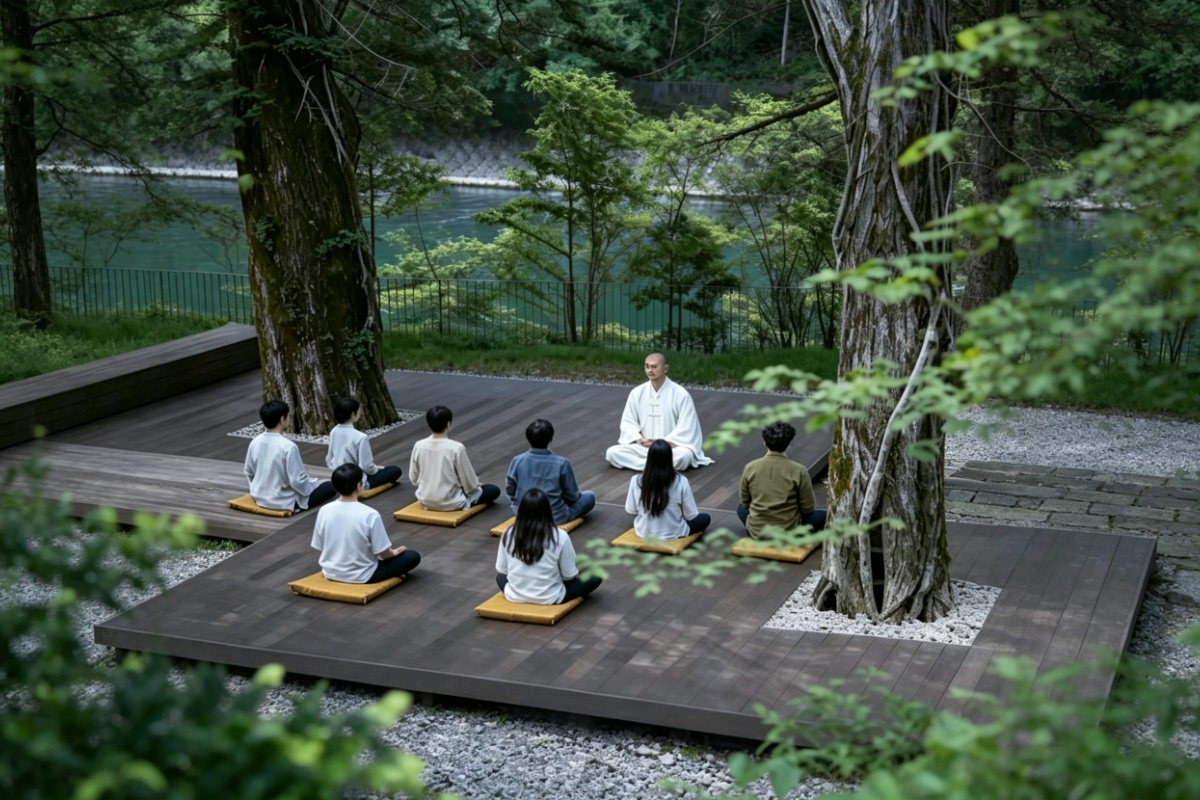
Traditional Chinese medicine, or TCM, is rooted in the belief that the body’s Qi, or vital energy, must flow freely for health and balance. A foundational course typically begins with the study of Yin-Yang theory and the Five Elements (wood, fire, earth, metal, water). In Shanghai University of Traditional Chinese Medicine, students spend mornings drawing detailed charts of the meridian pathways that connect the body’s organs.
The curriculum includes foundational texts like the ;Huangdi Neijing; (Yellow Emperor’s Inner Canon). At 10:15 a.m., instructors read passages aloud, inviting students to interpret the ancient text’s poetic descriptions of disease and health. These moments connect modern scientific understanding with historical wisdom.
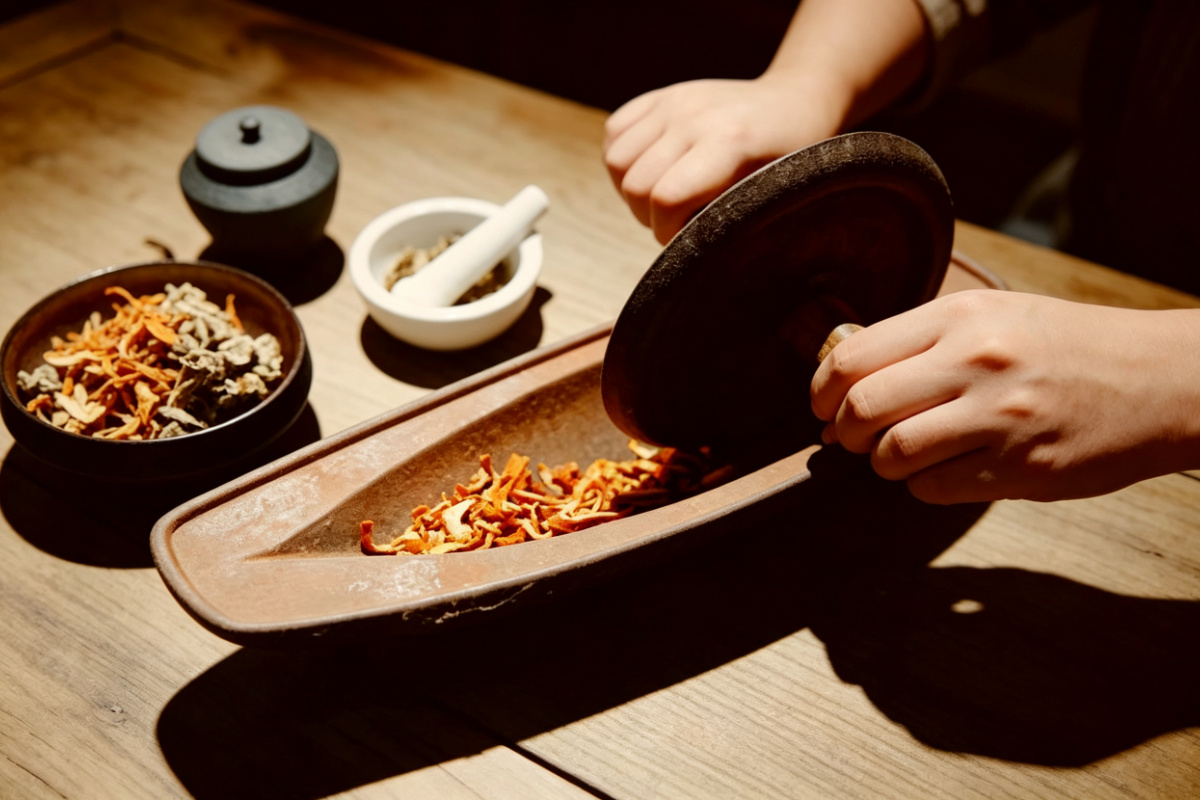
Hands-on sessions involve handling real medicinal herbs. In one class, students crush dried goji berries and angelica root in a mortar and pestle, learning their distinct aromas and uses. A 50-gram bundle of dried astragalus root, often prescribed to boost immunity, costs approximately 20 yuan in local herbal pharmacies, offering a tangible connection to real-world practices.
Learning Acupuncture: Precision and Patience
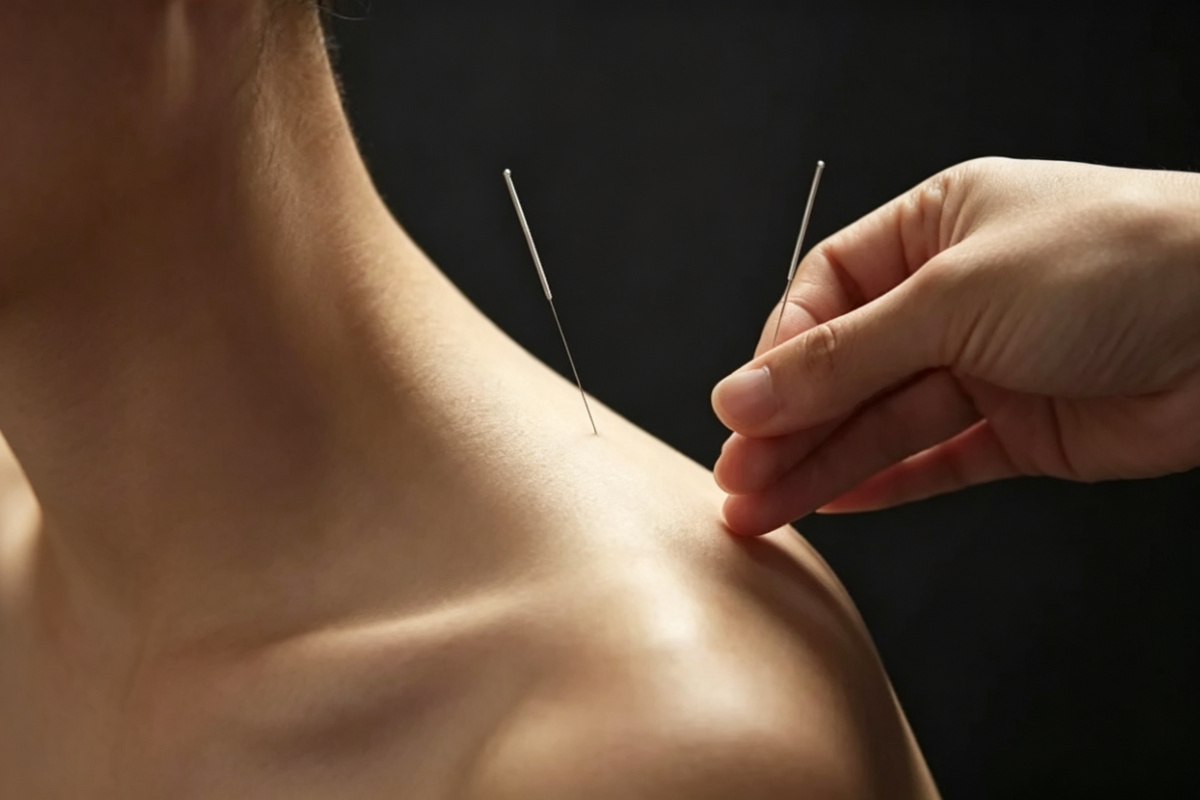
Acupuncture, one of the most recognizable pillars of TCM, requires both precision and patience. During a course at Guangzhou University of Chinese Medicine, students practice inserting fine, stainless steel needles into silicone pads before working with live patients. The needles, typically 0.25 millimeters in diameter, are sterilized individually before use.
By week three of a comprehensive program, students advance to supervised acupuncture sessions. In a calm clinical room with white walls and soft lighting, the instructor demonstrates needling the Hegu point (LI-4) on the hand to relieve headaches. Each student takes turns, hands slightly trembling as they locate the exact spot.
Safety protocols are emphasized at every step. Alcohol swabs, latex gloves, and sharps disposal containers are standard tools in these sessions. Following such practices prepares students for real-world application, blending technical accuracy with patient care.
Herbal Medicine: From Garden to Remedy
Herbal medicine is another cornerstone of any traditional Chinese medicine course. At Zhejiang Chinese Medical University, students visit the institution’s medicinal garden, where over 200 species of plants are cultivated. In the late afternoon, the air smells of damp earth and fresh mint as students examine plants like honeysuckle, licorice root, and Sichuan pepper.
One memorable part of the course involves preparing decoctions. Using a traditional clay pot called a ;tang guo; students simmer herbs with water for 45 minutes, creating a dark, aromatic liquid. The tang guo’s narrow spout preserves volatile oils, ensuring the remedy’s potency.
Modern applications of herbs are also explored. Huangqi (astragalus), for example, is not only used in soups but also processed into capsules sold in health stores worldwide. These lessons connect traditional methods with contemporary wellness trends, showcasing the versatility of herbal medicine.
The Role of Qi Gong in TCM Education
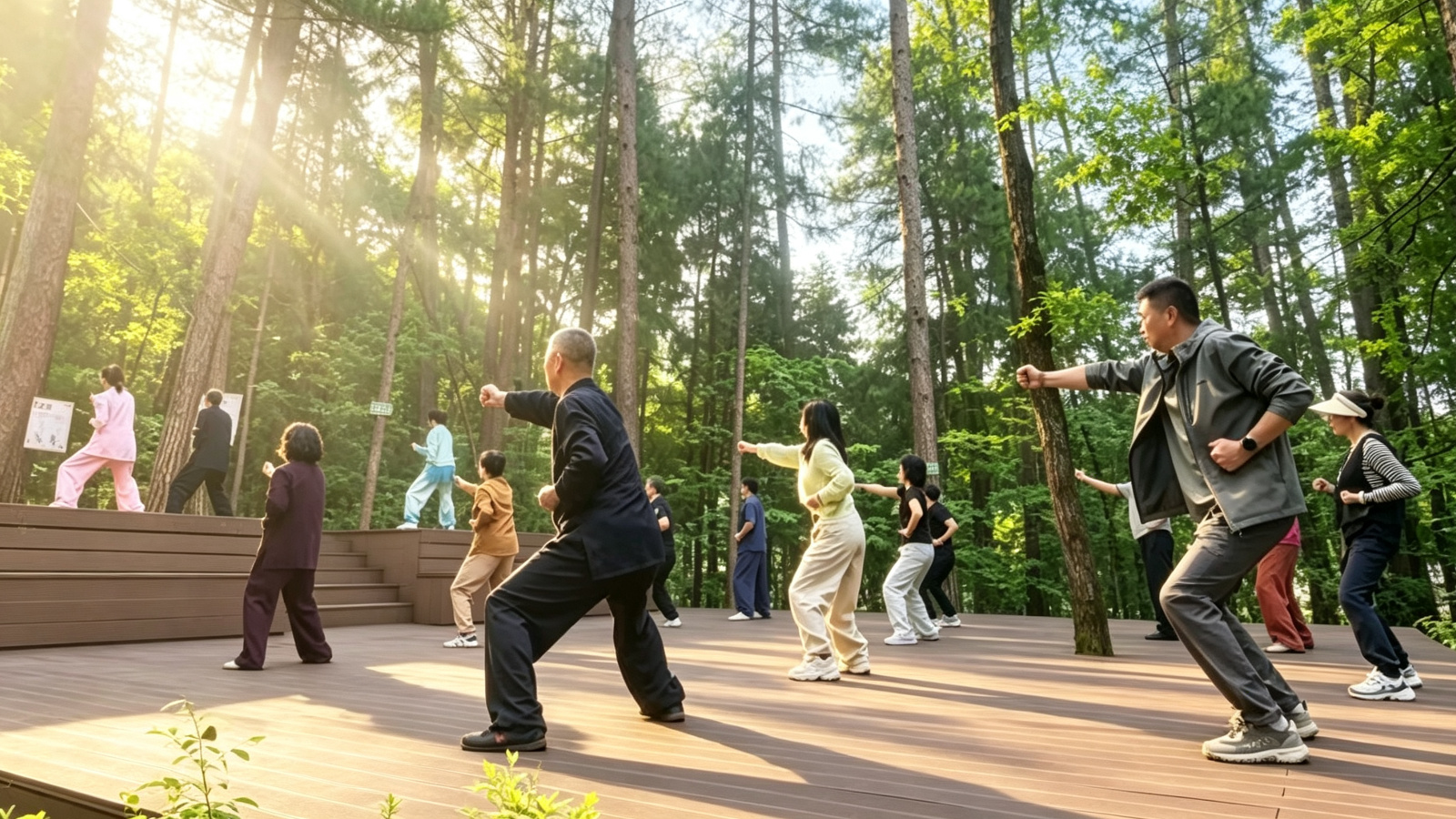
Qi Gong, a meditative movement practice, complements the theoretical and clinical aspects of a course. At the Wudang Taoist Academy, sunrise Qi Gong sessions are held on a stone terrace overlooking the forests of Hubei Province. The instructor begins with slow arm rotations, emphasizing deep nasal breathing to enhance focus.
Each movement in Qi Gong harmonizes the body’s internal energy. Students practice the ;Eight Brocades; a sequence of eight exercises dating back to the Song Dynasty. As they stretch and twist, the sound of a bamboo flute played by a local musician drifts through the air, creating a serene learning environment.
Many students report improved concentration and reduced stress after just one week of daily practice. Observing how Qi Gong integrates with TCM principles helps participants develop a well-rounded view of health that extends beyond medical treatments, nurturing both mind and body.
Clinical Internships: Applying Knowledge to Real Patients
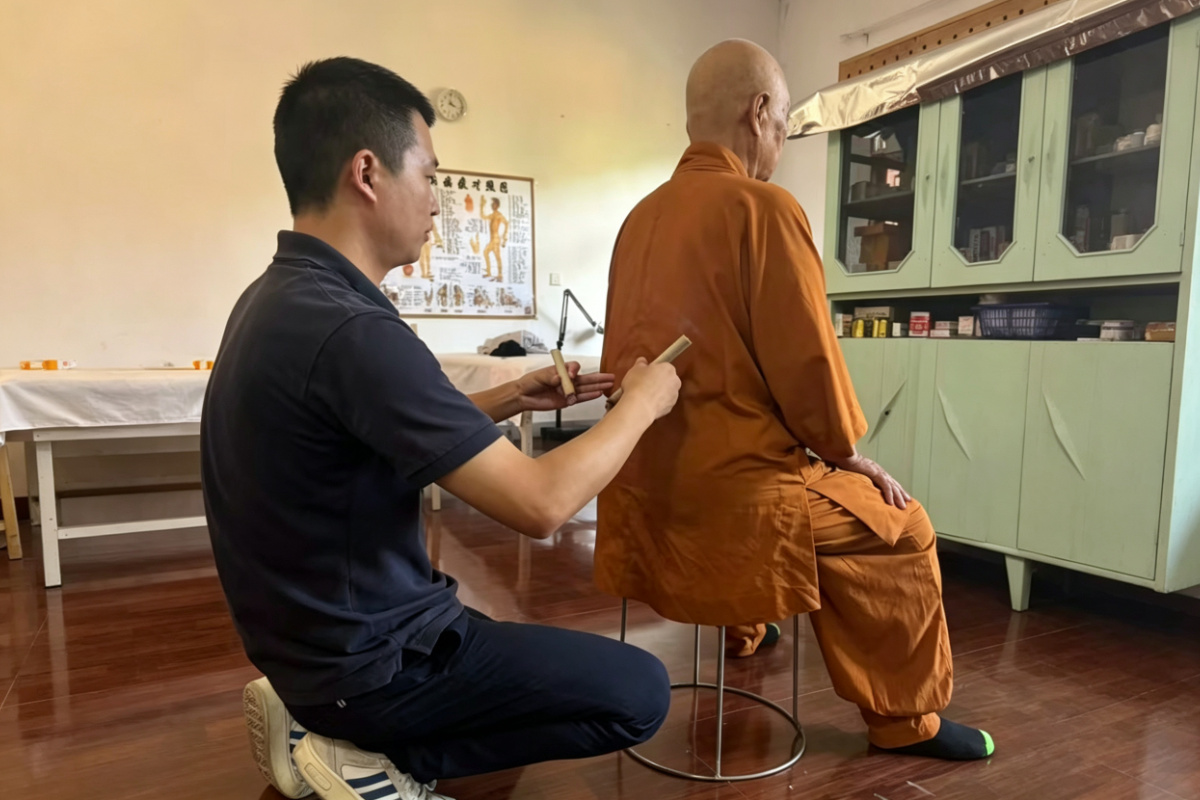
One of the most rewarding parts of a course is the clinical internship. At Chengdu University of TCM, advanced students shadow licensed practitioners in outpatient clinics. A typical morning involves observing a practitioner perform cupping therapy on a patient with chronic back pain using glass cups and a flame to create suction.
Interns also assist in preparing personalized herbal prescriptions. After reviewing a patient’s symptoms, they weigh and package precise amounts of dried herbs like dang gui (angelica) and bai zhu (white atractylodes). Each prescription is labeled with the patient’s name and brewing instructions.
The internship experience includes follow-ups, where interns learn how treatments evolve over time. Witnessing real patient outcomes builds confidence and bridges the gap between theoretical knowledge and practical application, solidifying their understanding of patient care.
Choosing the Right Course for You
Selecting the right traditional Chinese medicine course depends on your goals and level of commitment. Short-term workshops lasting two to three weeks are available at institutions like Kunming Medical University, offering an introduction to acupuncture and herbal medicine. These programs, costing around 5,000 yuan, are ideal for beginners.
For those seeking professional certification, full-time programs can span three to five years and include rigorous exams. Beijing University of Chinese Medicine, for example, offers a Bachelor’s degree program that covers everything from TCM diagnostics to Western medical integration.
Online courses are another option, especially for international students. Organizations like the International College of Traditional Chinese Medicine in Vancouver provide virtual lessons on topics such as TCM theory and dietary therapy. These flexible options ensure quality education for students unable to attend in person, making learning accessible globally.
Frequently Asked Questions
What is included in a traditional Chinese medicine course?
A typical course covers TCM theory, acupuncture, herbal medicine, Qi Gong, and clinical practice. Programs may also include foundational texts like the ;Huangdi Neijing; and hands-on experiences, such as preparing herbal decoctions.
How long does it take to complete a TCM program?
Short-term workshops last a few weeks, while professional certification or degree programs can take three to five years, depending on the institution.
Can I study traditional Chinese medicine online?
Yes, online courses are available through institutions like the International College of TCM in Vancouver. These courses often focus on TCM theory, dietary therapy, and introductory practices.