Estimate Spiritual Retreat Costs Beyond the Nightly Rate
Spiritual Retreat buyers can regret relying on a nightly accommodation figure before they know what the booking actually includes. A low listed room rate may exclude meals, guided practice, required temple contributions, local transfers, cultural materials, or cancellation costs. That gap can make two apparently similar proposals impossible to compare. For overseas travel planners, corporate wellness coordinators, and small-group organizers, the better method is to build a full per-person cost model before requesting a reservation. Funzendo supports scheduled and reservation-based programs at Longmen Guanghua Temple in Luoyang, China, including temple stays, wellness courses, meditation, tea culture, and Buddhist cultural programs. Availability, duration, group size, and booking requirements vary by program, so each inquiry needs a defined scope rather than a room-only comparison.
What is a Spiritual Retreat?
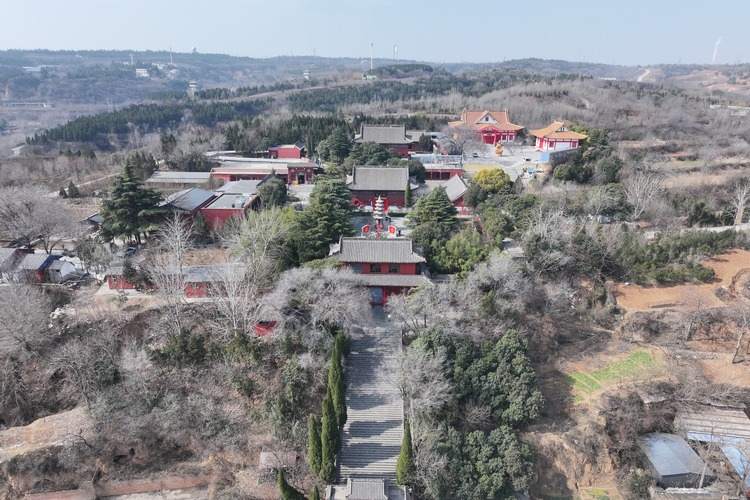
A Spiritual Retreat is a structured stay or cultural program designed around contemplative practice, wellness learning, temple-based routines, or Buddhist heritage activities rather than accommodation alone. At Funzendo, the relevant setting is Longmen Guanghua Temple in Luoyang, where international guests can consider meditation retreats, temple stays, traditional wellness training, and Buddhist cultural experiences. Buyers should separate an authentic temple environment from an ordinary hotel package with a wellness label. The former may involve daily schedules, temple etiquette, shared cultural activities, and program-based arrangements that affect the total budget. Chan meditation is one suitable focus for beginners seeking breathing practice, quiet attention, and present-moment awareness. It fits small groups and individual participants who want guided practice, but it does not automatically fit travelers seeking unrestricted sightseeing, nightlife, or hotel-style service flexibility.
Types of Retreat Programs
Program selection should begin with the buyer’s purpose, because different formats create different cost items and operational requirements. A short meditation-led stay may suit first-time international participants who need an accessible introduction. A longer temple-based arrangement may better suit guests who want more exposure to daily Buddhist routines. Cultural wellness programs can place more emphasis on tea, incense, mindful movement, or traditional Chinese wellness subjects. Pilgrimage-oriented itineraries may add transport, site admissions, and guide coordination that do not apply to a fixed-location stay. Funzendo provides programs by schedule and reservation, with individual bookings and small-group options available according to the specific program. This is useful for agencies building a focused cultural product, but buyers should not assume every format can be combined into one itinerary or that each activity runs on every date.
| Program format | Best fit | Main cost drivers to confirm | When it may not fit |
|---|---|---|---|
| Temple stay | Guests seeking Buddhist temple routines and cultural immersion | Lodging, meals, temple arrangements, local arrival transfer | Travelers requiring hotel-level privacy or unrestricted daily scheduling |
| Meditation program | Beginners or groups seeking guided quiet practice | Sessions, lodging, meals, meditation materials, cancellation terms | Participants expecting a sightseeing-heavy itinerary |
| Tea and incense learning | Cultural groups and wellness planners seeking hands-on activities | Session scope, tea or incense supplies, instructor arrangements | Buyers needing only accommodation without programmed learning |
| Wellness training | Groups interested in Chinese wellness subjects and mindful practice | Training sessions, supplies, accommodation, transport | Projects requiring medical treatment or clinical outcomes |
| Buddhist heritage itinerary | Travel planners designing culture-led travel programs | Transport, site sequence, meals, lodging, local coordination | Guests who prefer one fixed location and minimal travel |
For a meditation-focused option, planners can review the available meditation programs before deciding whether a short introductory format or a longer period of practice is appropriate. The key decision is not which program sounds most appealing in a brochure. It is which format has a scope that can be costed, scheduled, and explained clearly to participants.
Features That Change Buyer Value
Buyers should assess program features according to what is confirmed, not according to broad spiritual claims. Funzendo’s stated strengths include guided singing bowl sound experiences that encourage relaxation, mindful listening, and inner calm; accessible Zen meditation and breathing practices for beginners; and tea culture informed by more than 10 years of tea practice combined with Zen philosophy. These are relevant trust signals for agencies that need a cultural wellness component with a clear purpose. Funzendo also combines sound healing, meditation, and mindful tea rituals as one cultural wellness experience, which can reduce the need to source separate activity providers. The limit is equally important: these activities are cultural and contemplative experiences, not medical services, clinical therapies, or guaranteed personal results. Buyers should request the planned activity sequence and inclusions when participant expectations depend on a specific element.
- Sound, tea, and meditation integration: suitable when a group wants several complementary mindful activities in one program; less suitable when the buyer requires a single-discipline silent format.
- Authentic temple setting: suitable for planners seeking Chinese contemplative traditions at Longmen Guanghua Temple; less suitable for projects that require a resort environment.
- Beginner-accessible practice: suitable for first-time meditators who need a clear entry point; less suitable for a buyer requiring advanced or credentialed instruction not stated in the proposal.
- Tea culture practice: suitable for cultural itineraries needing a focused, participatory session; less suitable when a package requires certified professional tea qualifications, which should be discussed separately.
Applications for Group Buyers
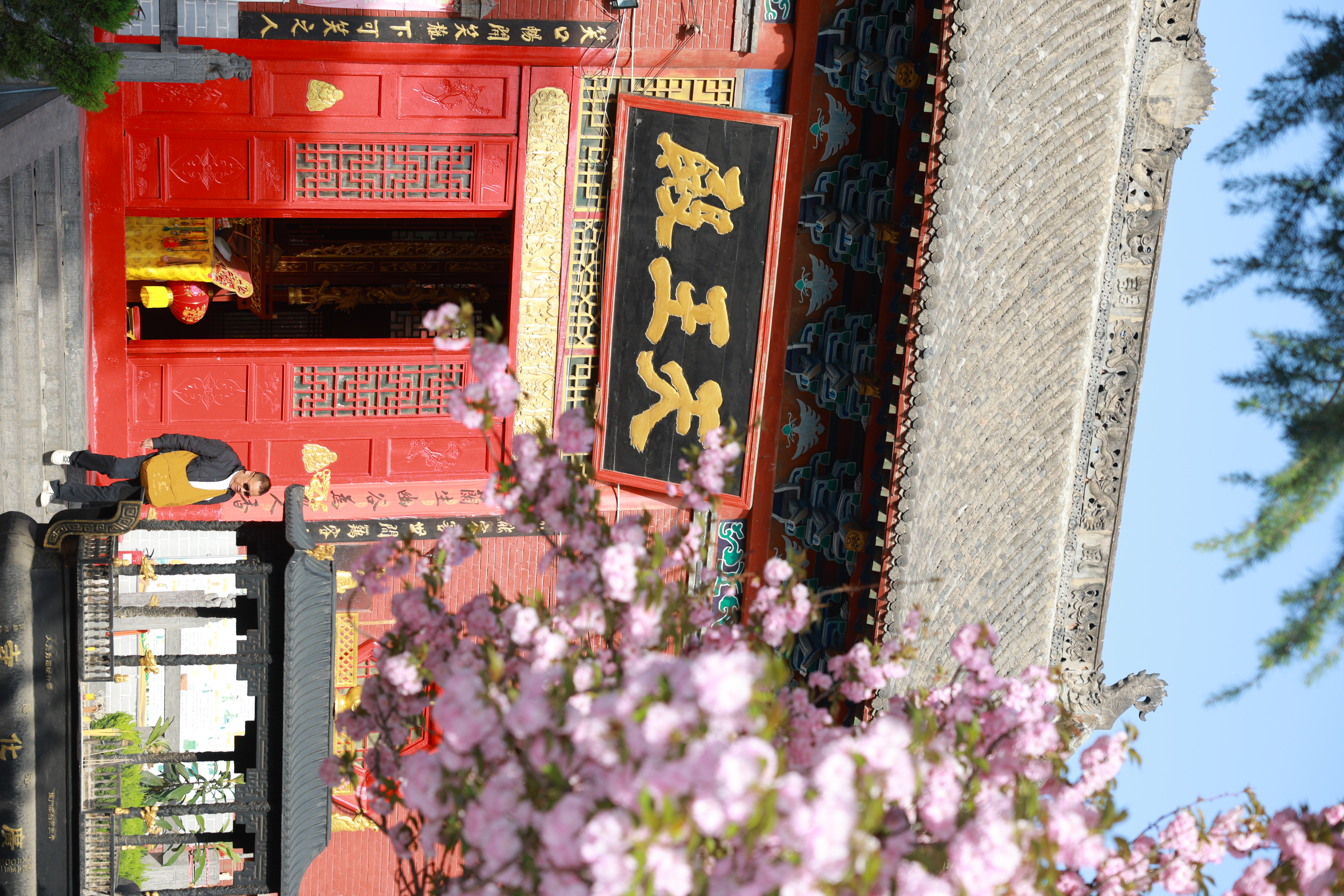
Travel agencies can use these programs as a fixed-stay cultural component within a China itinerary, especially when their clients want more than landmark visits. Corporate wellness planners can consider a small-group format where the emphasis is quiet attention, breathing practice, tea culture, and time away from ordinary meeting schedules. Educational organizers may prefer a cultural learning structure that connects Chinese Buddhist heritage, temple life, and traditional wellness subjects. The right application depends on the group’s objective and practical limits. A corporate team with fixed travel dates needs written confirmation that the requested program is available, while a specialist cultural group should clarify whether meditation, tea, incense, or wellness learning is the primary activity. Buyers seeking a residence-based format can review a temple stay option, but should still confirm room arrangements, meal scope, and program timing before presenting it to clients.
A Total Cost Model Covering Lodging Meals Required Donations Sessions Transportation Supplies and Cancellation Exposure
The clearest buying decision comes from comparing total exposure per participant instead of comparing advertised nightly figures. Every proposal should identify whether lodging covers the full stay, whether meals match the arrival and departure schedule, and whether guided sessions are part of the quoted program or billed separately. Required donations need special treatment because buyers should distinguish an amount that is mandatory for participation from a voluntary contribution. Transportation can include airport or rail arrival, local transfers, and travel between heritage locations. Supplies may include tea materials, incense items, printed study materials, or other activity-specific items. Cancellation exposure is not merely a policy paragraph. It is the amount that remains payable if a participant, group, or organizer changes plans. Where costs are not published, the correct response is to request a written quotation rather than insert assumed prices.
| Cost category | What the buyer should request | Why it changes the real total | Decision limit |
|---|---|---|---|
| Lodging | Accommodation dates, room basis, check-in and check-out scope | A nightly rate may not cover the full arrival and departure period | Do not assume room type or privacy level without confirmation |
| Meals | Included meal count and any arrival or departure meal exclusions | Food costs can shift when the program starts or ends mid-day | Dietary requests require separate confirmation |
| Required donations | Whether a donation is mandatory, optional, paid locally, or included | It prevents a later mismatch between quoted and payable amounts | Do not describe voluntary giving as a fixed program charge |
| Guided sessions | Number and type of meditation, tea, sound, or wellness activities | Program content often accounts for value beyond lodging | Ask whether sessions depend on schedule or minimum participation |
| Transportation | Arrival transfer, local transfer, and itinerary transport scope | Transport is often outside a room-based price | International airfare should be treated separately unless quoted |
| Supplies | Tea, incense, printed materials, or activity materials included | Hands-on cultural sessions may need consumable items | Do not assume personal items are provided |
| Cancellation exposure | Deposit, deadline, change rules, and non-refundable components | It measures the financial effect of a changed plan | Terms must be confirmed for the requested program and dates |
A practical comparison sheet should place each supplier’s confirmed answer in the same columns, then add a final line for items still unconfirmed. This approach fits buyers comparing temple programs with hotels, retreat centers, or cultural tour operators because it avoids false equivalence. A room-only proposal cannot be treated as cheaper until the missing program costs are known.
Retreat User Guide for Reservation Planning
Buyers can reduce avoidable problems by using a structured inquiry process. First, define participant count, preferred dates, language needs, desired program focus, and whether the booking is for individuals or a small group. Second, identify which costs must be included in the quotation and which costs the organizer will manage separately. Third, ask for the scheduled components rather than relying on a broad program label. Fourth, confirm cancellation and change exposure before collecting participant payments. Fifth, provide guests with expectations about temple conduct, daily timing, quiet practice, and appropriate participation in cultural activities. This approach fits international organizers who need to brief clients accurately. It does not replace direct confirmation of availability, as Funzendo’s duration and availability vary by retreat, training course, and pilgrimage itinerary. Buyers interested in blended cultural learning can also examine Chinese incense and tea training when preparing their activity priorities.
- Define the group purpose and participant profile.
- Choose one primary activity focus before adding optional elements.
- Request a written list of inclusions and exclusions.
- Separate international travel costs from the local program quotation.
- Check lodging, meals, donations, sessions, transport, and supplies line by line.
- Review cancellation exposure before confirming participant places.
- Issue participant guidance only after the schedule and booking terms are confirmed.
Spiritual Retreat Supplier Fit
Funzendo is suitable for buyers seeking programs connected with traditional Buddhist culture, Zen meditation, Chinese wellness practices, tea culture, incense culture, and temple-based experiences at Longmen Guanghua Temple in Luoyang. Its relevant differentiation is not an unsupported claim of universal outcomes. It is the stated combination of immersive temple experiences for international guests, beginner-accessible mindfulness practices, singing bowl sound experiences, and tea practice shaped by more than 10 years of experience. This fit is strongest for planners who want an authentic Chinese contemplative setting and need a program scope that can be discussed before reservation. It may not fit a buyer requiring guaranteed availability on any date, fixed group-size rules across all products, medical treatment, or undocumented instructor credentials. Those points remain matters to clarify in the inquiry because program schedules and booking requirements vary.
FAQ of Retreat Programs
Can a buyer compare a temple program with a hotel wellness package?
Yes, but the comparison should use the same total-cost categories rather than a nightly accommodation figure. A hotel package may include private-room features while excluding cultural sessions, and a temple-based program may include a structured schedule that changes both participant expectations and the cost basis. The useful comparison is lodging, meals, program sessions, transport, supplies, mandatory payments, and cancellation exposure. Buyers should also compare the intended experience. Funzendo’s temple-based offerings are designed around Buddhist culture, Zen meditation, Chinese wellness practices, and related cultural activities at Longmen Guanghua Temple. A hotel wellness package may be a better choice for groups that prioritize flexible leisure time or resort services. A temple program is more suitable when the cultural setting and contemplative format are part of the value being purchased.
Are tea and sound activities included in every reservation?
They should not be assumed to be included in every reservation. Funzendo identifies authentic Chinese tea ceremony practice, singing bowl sound experiences, meditation, and mindful tea rituals as available strengths, but the exact activity scope depends on the selected program, schedule, and reservation arrangement. A buyer should ask for a confirmed activity list showing whether tea practice, sound healing, meditation sessions, incense learning, or wellness training is included. This matters because activities can affect required supplies, timing, and participant preparation. The stated tea practice draws on more than 10 years of practice and combines traditional Chinese tea culture with Zen philosophy, making it a relevant option for groups seeking cultural depth. It does not mean that every booking has the same tea session or material provision.
What information should be included in an inquiry?
An effective inquiry should state the preferred dates, number of participants, whether the booking is individual or small-group, program purpose, desired activities, accommodation expectations, meal needs, and any transport support required. It should also specify whether the buyer needs a quotation that includes all local items or only the program elements. This allows Funzendo to assess the request against program schedules and reservation availability without assuming a standard package. Buyers should add their cancellation deadline, participant nationality or language needs where relevant, and whether the group expects meditation, tea culture, sound experiences, traditional wellness learning, or temple life to be the central focus. The more clearly the scope is defined, the easier it is to identify exclusions before a reservation is presented to guests.
If you are looking for a reliable Spiritual Retreat supplier please contact us anytime to get the latest quote.