Experience Morning Chanting at Guanghua Temple
In the early hours before dawn, Guanghua Temple comes alive with the resonant echoes of morning chanting. Located in Putian, Fujian Province, this daily ritual draws visitors seeking a tranquil start to their day. As the temple bell rings, a sense of peace envelops the sacred grounds, marking the beginning of a profound experience. Guanghua Temple morning chanting is exactly what this guide walks you through, step by step.
The Ritual of Morning Chanting
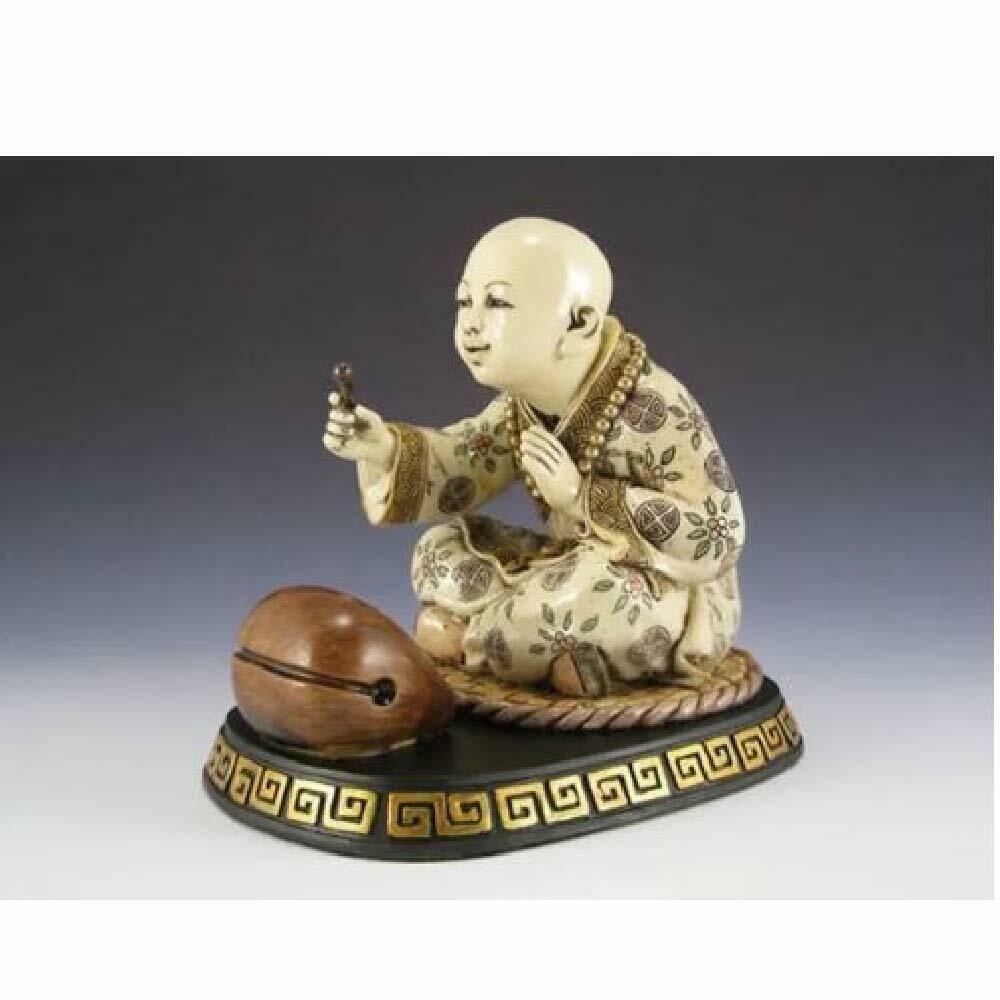
Every morning at 5:30 a.m., the monks of Guanghua Temple initiate the day with a harmonious chanting session. The sound of a wooden fish drum, known as a 'muyu', fills the main hall, setting a rhythmic pace for the chants. This percussion instrument, carved from a single block of wood, symbolizes diligence and wakefulness in Buddhist practice.
The chanting involves not just the voice, but the entire being. Monks and participants alike bow in unison, their movements synchronized with the verses. The air is tinged with the scent of sandalwood incense, gently curling up from bronze burners placed along the hall's perimeter.
Visitors are welcome to join, seated on straw cushions laid out in neat rows. The atmosphere is one of collective meditation, where each participant becomes a part of the temple's living history. No prior experience is necessary; newcomers find their place naturally within the rhythmic flow.
Guanghua Temple's Unique Setting
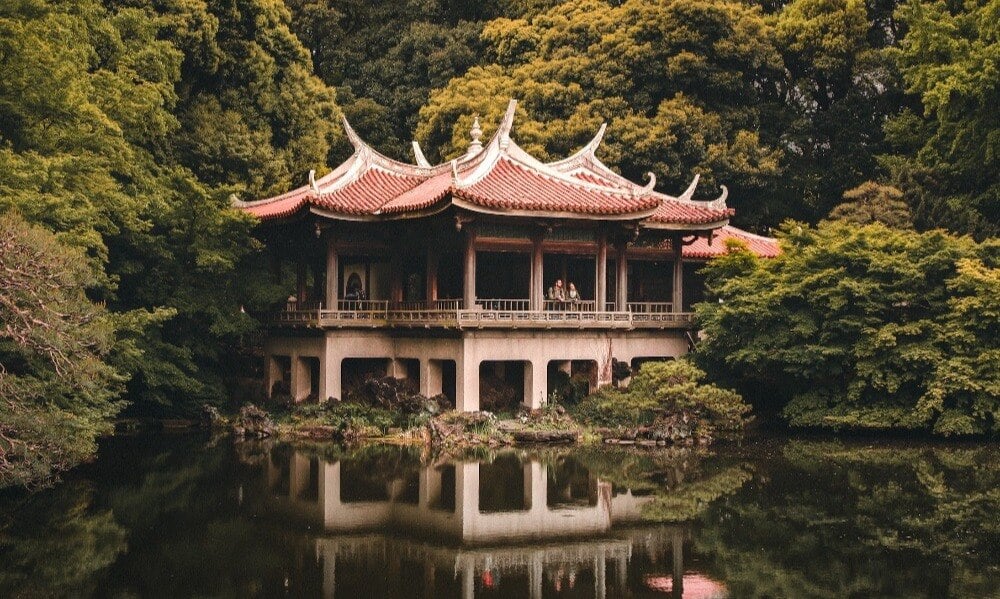
Situated against the lush backdrop of the Ma Mountain range, Guanghua Temple offers a serene environment that enhances the chanting experience. The temple complex, spanning several acres, showcases traditional Chinese architecture with its expansive courtyards and intricately decorated eaves.
The main chanting hall, known as the Mahavira Hall, is adorned with statues of the Buddha and bodhisattvas. Here, the morning light filters through lattice windows, creating patterns on the polished wooden floors. This interplay of light and shadow adds a visual dimension to the auditory experience of chanting.
Reaching Guanghua Temple is as much a part of the experience as the chanting itself. From Putian city center, a 20-minute drive along winding mountain roads offers glimpses of rural life and verdant landscapes, preparing the mind for the tranquility ahead.
A Closer Look at the Chanting Texts
The texts chanted during the morning ritual are drawn from ancient Buddhist scriptures. Key among these is the Heart Sutra, known for its succinct expression of Buddhist philosophy. The sutra's verses are chanted in a melodic cadence that is soothing yet invigorating.
Chanting the Heart Sutra is believed to clear the mind and awaken the spirit. Each word is pronounced with care, carrying the collective intention of those present. The monks lead the refrain, their voices blending with those of the lay participants, creating a harmonious chorus.
For those unfamiliar with the texts, English translations are available at the temple's entrance. This makes it accessible for international visitors who wish to engage more deeply with the practice. Participation is encouraged, but silent observation is equally respected.

The Role of Meditation in Morning Chanting
After the chanting concludes, a period of silent meditation follows, lasting approximately 20 minutes. Participants are guided to focus on their breath, allowing the mind to settle after the invigorating chants. This transition from sound to silence is a crucial part of the experience at Guanghua Temple.
The meditation takes place in the same hall, where the lingering notes of the chanting still resonate. Participants sit cross-legged, hands resting in their laps, as they engage in this introspective practice. The stillness amplifies the sense of connection with the self and the surrounding environment.
Engaging in meditation after chanting helps in internalizing the teachings of the sutras. It provides an opportunity for personal reflection, fostering a deep sense of peace and clarity. This practice is integral to the temple's daily routine, supporting the monks' spiritual development and offering visitors a glimpse into monastic life.

Visiting Guanghua Temple: Practical Information
Guanghua Temple welcomes visitors year-round, with no admission fee for those wishing to attend the morning chanting. However, donations are appreciated and contribute to the maintenance of the temple and its activities.
Visitors are advised to arrive by 5:15 a.m. to settle in before the chanting begins. Comfortable, modest clothing is recommended, as is bringing a light jacket for the early morning chill. Straw cushions are provided, but you may bring a personal cushion for added comfort.
[Temple stays](https://www.funzendo.com/temple-stay/7-day-zen-meditation-retreat.html) are available for those wishing to immerse themselves more fully in the temple's practices. These stays offer a deeper understanding of monastic life, with opportunities to participate in daily activities beyond the morning chanting.
After the Chant: Exploring Guanghua Temple
Once the morning chanting concludes, visitors are encouraged to explore the temple grounds. The tranquil gardens, with their ancient pine trees and lotus ponds, provide a peaceful setting for reflection. The sound of water trickling from stone fountains adds to the serene atmosphere.
The temple's library houses a collection of Buddhist texts and historical manuscripts. Open to the public, it offers insights into the cultural treasures preserved at Guanghua Temple. Visitors can also view the intricate carvings and artwork that adorn the temple's walls and ceilings.
For those interested in deepening their understanding of Zen practice, workshops and lectures are occasionally held in the temple's auxiliary halls. These sessions cover a range of topics, from meditation techniques to the interpretation of Buddhist teachings, enhancing the visitor experience. In the end, a Guanghua Temple morning chanting like this stays with you long after you leave.
Frequently Asked Questions
What time does the morning chanting start at Guanghua Temple?
The morning chanting at Guanghua Temple begins at 5:30 a.m. Visitors are advised to arrive by 5:15 a.m. to settle in.
Is there an admission fee for attending the chanting?
There is no admission fee for attending the morning chanting at Guanghua Temple, though donations are appreciated.
Can visitors participate in the chanting?
Yes, visitors are welcome to participate in the chanting. English translations of the texts are available for international guests.
Funzendo Editorial Team: this article was drafted with AI assistance and reviewed by our editors at Guanghua Temple, Luoyang.