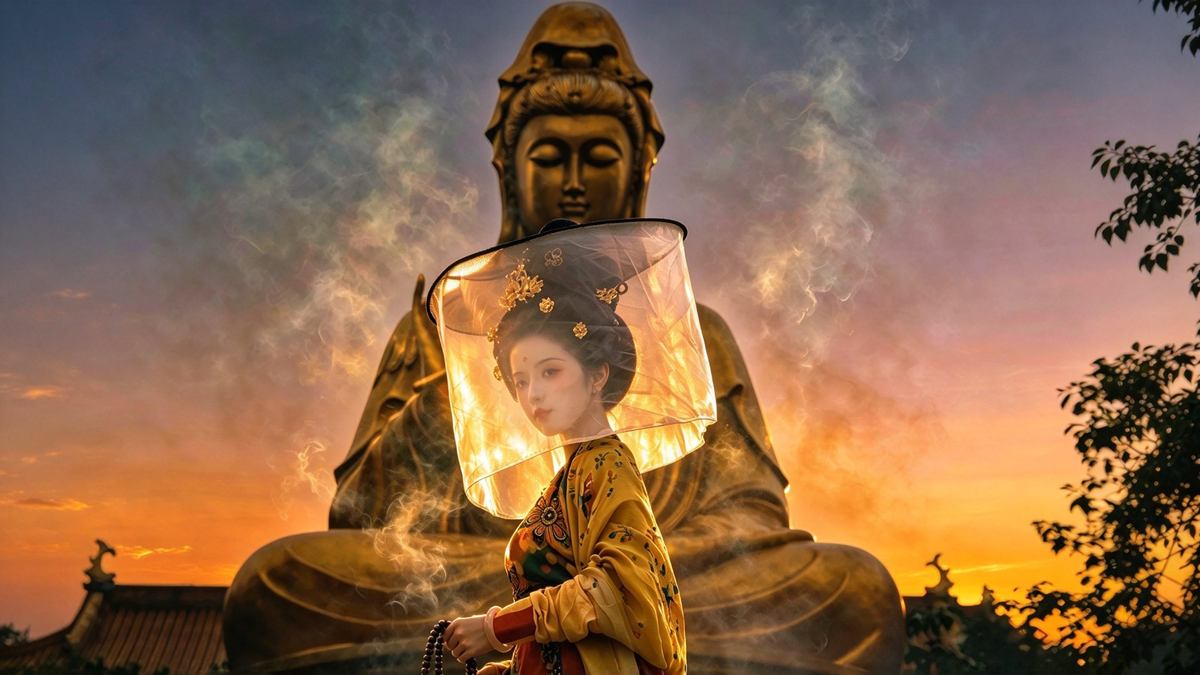
 Autumn and the Practice of Mindfulness
October brings a quieter rhythm to the landscapes of central China. The traditional Chinese solar term Hanlu (Cold Dew), which began on October 8 this year, marks a stage of autumn associated with cooler mornings and increasingly noticeable differences between daytime and nighttime temperatures. In Chinese seasonal culture, this period invites people to observe nature's changes and adjust to the rhythm of the season.
At Longmen Guanghua Temple in Luoyang, Henan Province, the setting offers an opportunity to reflect on a simple but meaningful question: how can we create more space for awareness in our everyday lives?
Zen practice does not require us to escape the world. It begins with learning to meet ordinary moments with greater attention — walking, breathing, drinking tea, and sitting quietly without constantly reaching for the next task.
Discovering Zen Beyond the Meditation Cushion
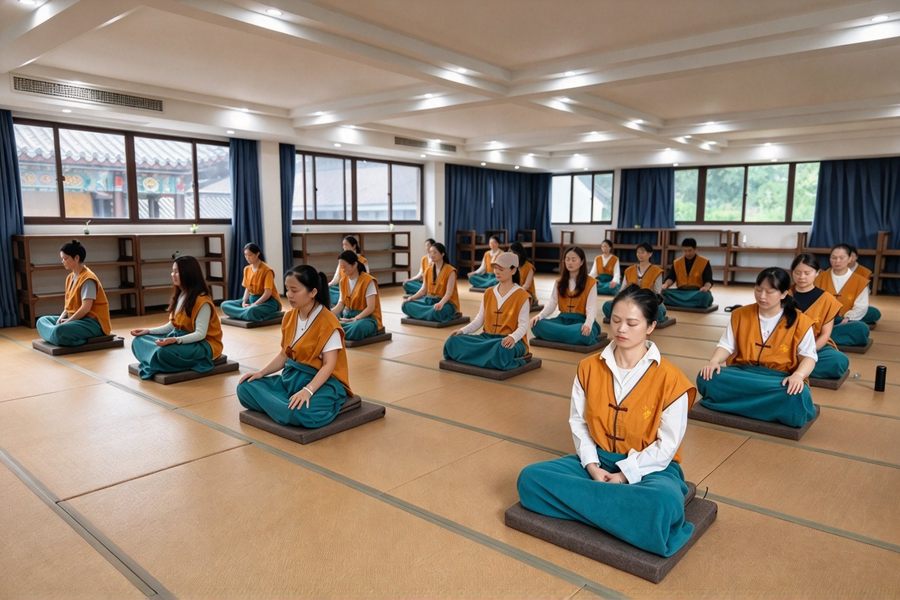
For many international visitors, Chinese Buddhist culture is first encountered through historic temples, ancient sculptures, and sacred architecture. Yet the living traditions of a temple extend beyond its physical structures.
Meditation offers one way to experience this heritage directly. Through seated practice, mindful breathing, and quiet observation, participants can begin to notice their habits of attention and develop a more deliberate relationship with daily experience.
At Guanghua Temple, Zen culture is connected with the wider history of Chinese Buddhism and the distinctive religious heritage of the Longmen area. Visitors interested in this tradition can explore meditation alongside other cultural practices, including Chinese tea culture and incense appreciation, depending on the activities available during their visit.
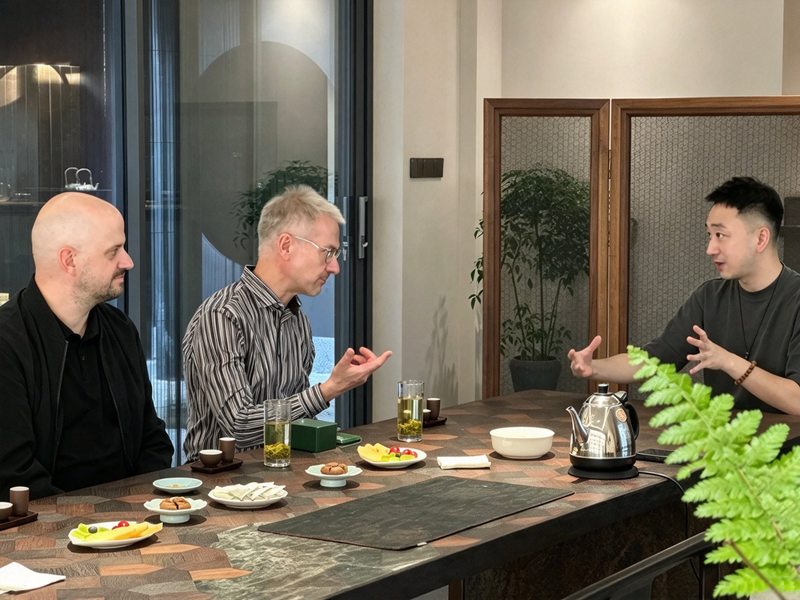
These practices offer different ways to cultivate attention. The measured preparation of tea, the gradual unfolding of an incense ritual, and the stillness of seated meditation all invite participants to pause and engage with the present moment.
A Different Way to Experience a Chinese Temple
A meaningful temple visit need not be measured by the number of places seen in a day. It can also be an opportunity to understand the atmosphere, customs, and contemplative traditions that shape temple life.
For visitors who wish to go beyond sightseeing, a guided cultural experience or meditation program can provide a more structured introduction to Chinese Buddhist practice. Beginners can approach meditation gradually, while those with previous experience may find value in spending time away from familiar routines.
Respect for the temple environment remains essential. Visitors should follow local guidance on photography, dress appropriately, observe quiet areas, and ask before participating in religious activities.
Explore Zen and Chinese Cultural Experiences with Funzendo
Funzendo introduces international visitors to Zen meditation, Chinese Buddhist heritage, tea culture, and traditional wellness practices through experiences connected with Longmen Guanghua Temple and other destinations on its pilgrimage routes.
Whether you are curious about beginning meditation, exploring the cultural foundations of Chinese Buddhism, or experiencing a quieter style of travel, the first step can be simple: make time to slow down and pay attention.
This autumn, let your journey into Chinese temple culture become more than a visit to a historic place. Let it become an opportunity to discover a different relationship with time, attention, and everyday life.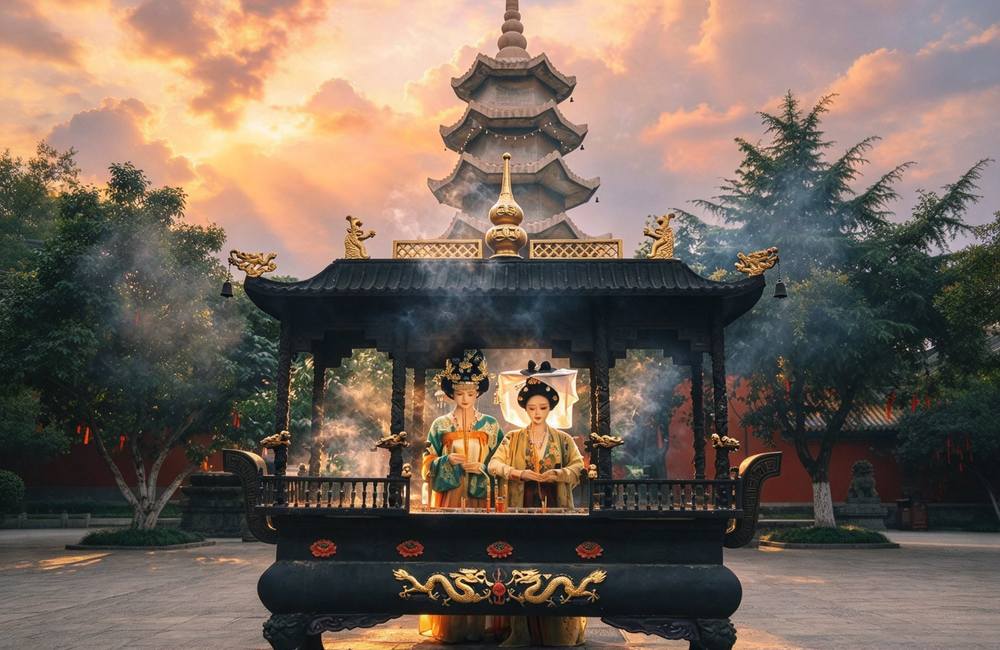
Explore more: Zen Meditation | Activities | Pilgrimage and Cultural Experiences