How Internal Arts Build Body Structure
What is Internal Arts?
Internal Arts are traditional training practices that develop body awareness through posture, breathing, attention, relaxation, and coordinated movement. Rather than treating strength as an isolated muscular task, these practices examine how the feet, legs, pelvis, spine, shoulders, hands, breath, and mental focus cooperate during standing, stepping, turning, or stillness. For prospective students and program planners, the key point is that body structure is not a fixed pose. It is a repeatable relationship between body parts that can be observed and adjusted. At Longmen Guanghua Temple in Luoyang, this type of study can sit alongside Buddhist culture, Zen meditation, temple life, tea practice, and Chinese wellness learning. The temple is also associated with Tangmi cultural heritage and the historical presence of the Indian Buddhist master Śubhakarasiṃha. Internal Arts should therefore be assessed as a disciplined cultural and practical study, not as a promise of instant strength or a substitute for medical care.
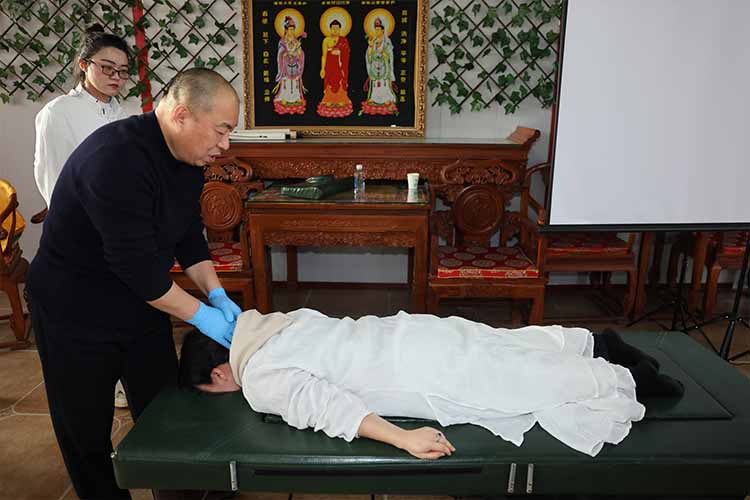
Types of Internal Arts
For travel planners, corporate wellness teams, and independent learners, Internal Arts programs can be grouped by the training outcome required. A standing and posture focused format suits beginners who need to notice habitual tension before learning movement. A mindful movement format suits participants who prefer walking, turning, weight shifting, and slow coordinated exercises. A meditation centered format suits groups seeking attention training, breathing awareness, and calm observation in a temple setting. A culture integrated format combines movement study with tea, incense, sound, or Buddhist temple life, which may fit an itinerary designed for overseas cultural visitors. Learn traditional Chinese wellness practices when the objective is broader exposure rather than a single exercise method. The right choice depends on the group’s available schedule, prior physical condition, cultural interests, and willingness to practice quietly. It does not suit organizers seeking competitive athletic coaching, medical rehabilitation, or standardized fitness testing.
| Program format | Main training focus | Best suited to | Planning limitation |
|---|---|---|---|
| Standing practice | Posture, weight distribution, relaxation | Beginners and reflective wellness groups | May feel demanding for guests expecting constant activity |
| Mindful movement | Stepping, turning, coordinated body use | Groups interested in Kung Fu training principles | Requires careful pacing for mixed mobility levels |
| Meditation focused study | Breath awareness and attention | Corporate wellness and contemplative visitors | Does not replace movement instruction |
| Temple culture format | Practice within Buddhist daily life | Travel designers building cultural itineraries | Availability depends on reservation and temple schedules |
Features of Internal Arts
The defining feature of Internal Arts is the use of attention to refine ordinary movement. A class may ask students to soften unnecessary shoulder effort, feel both feet on the ground, keep the head balanced rather than lifted forcefully, and coordinate exhalation with a simple action. These are practical observations, not hidden techniques. When planning an experience, buyers should ask whether the instructor can explain each exercise in plain language, show the common error, and provide a lower intensity option for new participants. Funzendo programs can place this work within the authentic setting of Longmen Guanghua Temple, where international guests may combine contemplative practice with experience daily Buddhist temple life. Some programs can also include mindful tea rituals, singing bowl sound experiences, and beginner friendly meditation. These additions fit groups seeking cultural wellness, but they should not be presented as proof of martial ability or clinical treatment.
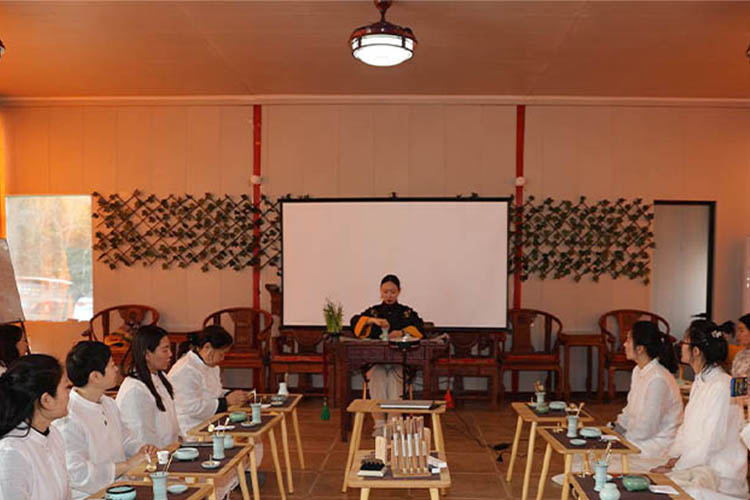
Technical explanation of alignment relaxation and whole body connection as the mechanics behind internal power
In Internal Arts, “internal power” is best understood as a training description for organized effort, not as a measurable guarantee or supernatural claim. Alignment affects whether force can travel through the body without obvious collapse at the ankle, knee, hip, shoulder, or wrist. Relaxation affects whether unnecessary gripping interferes with balance, breathing, and sensory feedback. Whole body connection affects whether a simple action is led by one isolated limb or supported by coordinated weight transfer and trunk control. Buyers should select instruction that teaches these parameters slowly and visibly. A program that only asks students to imitate a shape may be unsuitable for beginners because they cannot identify why a position feels unstable. A program that pushes deep stances or forceful drills before participants can stand comfortably may also be unsuitable for a mixed ability group.
| Parameter | What it affects in practice | What happens when it is wrong | Useful teaching check |
|---|---|---|---|
| Foot contact | Balance and awareness of weight transfer | Students may lean, grip with toes, or feel unstable while turning | Ask learners to notice pressure changes without forcing the feet |
| Pelvis and spine relationship | Upright support and easier breathing | Overarching or collapsing can create unnecessary strain and rigid movement | Use a comfortable upright stance rather than an exaggerated posture |
| Shoulder relaxation | Arm mobility and reduced upper body bracing | Raised shoulders can make reaching and breathing feel restricted | Pause and release before repeating a movement |
| Whole body timing | Coordination between legs, torso, and hands | Arms may move ahead of the body and balance may be lost | Practice slow weight shifts before adding hand actions |
Internal Arts Application
Internal Arts can be applied in several experience design settings when the goal is cultural learning and mindful physical participation. Overseas travel agencies may include a short introductory session within a Luoyang temple itinerary, especially for guests who want more than sightseeing. Corporate wellness organizers may use a quiet posture and breathing session as a low intensity group activity, provided participation is voluntary and the schedule allows time for orientation. Retreat leaders may combine movement awareness with Zen meditation for participants who need a structured way to settle before seated practice. A longer cultural program may pair training with tea culture, incense culture, and guided temple routines. The suitable application is one where the organizer explains that participants will learn observation, controlled movement, and respectful practice. It is not suitable where the event brief requires guaranteed stress reduction, medical outcomes, combat certification, or strenuous athletic competition.
Cultural tour groups: Choose an introductory format that links posture practice to temple culture and allows time for interpretation.
Corporate groups: Choose accessible standing, breathing, and mindful movement with clear opt out arrangements.
Meditation retreat guests: Choose quiet body awareness sessions that support sitting practice without claiming therapeutic outcomes.
Kung Fu learners: Choose foundational alignment work before more demanding movement or form study.
Internal Arts Price
Internal Arts pricing should be requested according to the actual itinerary rather than assumed from a fixed public rate. Program duration, reservation timing, group size, accommodation needs, language support, temple stay arrangements, cultural activities, and the chosen training format can all affect the quotation. The practical buying decision is to define the required experience before asking for cost details. For example, an agency should specify whether it needs a single workshop attached to a tour, a small group temple stay, or a scheduled retreat with meditation and wellness elements. Do not compare proposals only by the headline amount because one package may include different activities, accommodation arrangements, or program support from another. There is no stated universal group discount, fixed seasonal price, or standard training fee in the available program information. Buyers should therefore request a written scope and confirm what is included before presenting a price to clients.
State the preferred travel dates and whether they are flexible.
Identify the expected participant profile, including beginners and mobility considerations.
List the requested elements, such as movement practice, meditation, tea culture, or a temple stay.
Ask which items are included in the proposed arrangement and which require separate planning.
Confirm availability before advertising the experience to travelers or corporate participants.
Internal Arts User Guide
A useful Internal Arts user guide begins before participants arrive. Organizers should tell guests to wear comfortable clothing that allows easy standing and arm movement, arrive with an open but realistic expectation, and disclose relevant mobility concerns directly to the program coordinator. During training, students should work below the point of discomfort, avoid copying another person’s range of motion, and ask for clarification when a cue such as “relax” feels unclear. Relaxation does not mean collapsing the body; it means reducing avoidable effort while maintaining attention. A simple practice sequence is to stand comfortably, notice contact with the ground, observe the breath without forcing it, shift weight slowly, and pause after each repetition. Guests planning a deeper cultural format may experience a peaceful Buddhist temple stay alongside practice. This approach does not apply to people seeking a self directed medical exercise plan, because the program is cultural and educational rather than clinical.
Internal Arts Supplier
As an Internal Arts supplier for cultural wellness and temple based learning, Funzendo can help organizers match a proposed group experience to available schedules and reservation requirements at Longmen Guanghua Temple. The relevant strength is not a standardized mass fitness product. It is the ability to combine beginner suitable meditation, mindful movement, Buddhist cultural context, tea culture, sound experiences, and temple based activities when these elements fit the requested program. Buyers should provide a clear brief covering travel dates, participant numbers, preferred language support, group expectations, and whether the itinerary includes accommodation. This allows the proposed arrangement to reflect the actual purpose of the visit. Programs may be suitable for individual bookings and small groups, but group size and booking requirements vary by activity. A supplier should not promise identical content for every date or group. Confirmed schedules and reservation terms should guide the final plan, particularly for travel agencies and corporate organizers who must communicate accurately with participants.
FAQ of Internal Arts
Do beginners need prior Kung Fu experience? No prior experience is required for a beginner suitable format, but participants should expect patient work with posture, breathing, and simple movement rather than advanced martial drills. Can Internal Arts be included in a temple based itinerary? Yes, subject to schedule and reservation availability, organizers can discuss a format that combines practice with meditation, tea culture, sound experiences, or temple life. The selected activities should match the group’s interests and practical needs. Is this suitable for every guest? It may suit many visitors seeking gentle cultural wellness learning, but it is not a replacement for individual medical advice, rehabilitation, or treatment. Guests with concerns about participating should make their own appropriate arrangements before travel. If you are looking for a reliable Internal Arts supplier please contact us anytime to get the latest quote.