How Tai Chi Trains Balance Through Deliberate Weight Shifts
The slow, flowing movements of Tai Chi are often associated with improved balance, but the mechanism is not abstract. The practice systematically trains the body’s neuromuscular system through precise physical principles. It is a form of mindful movement that refines proprioception—the body's ability to sense its own position in space—by forcing practitioners to consciously manage their center of gravity through slow, controlled weight transfers. This is fundamentally different from reactive balance training; it is a proactive method of learning stability from the ground up.
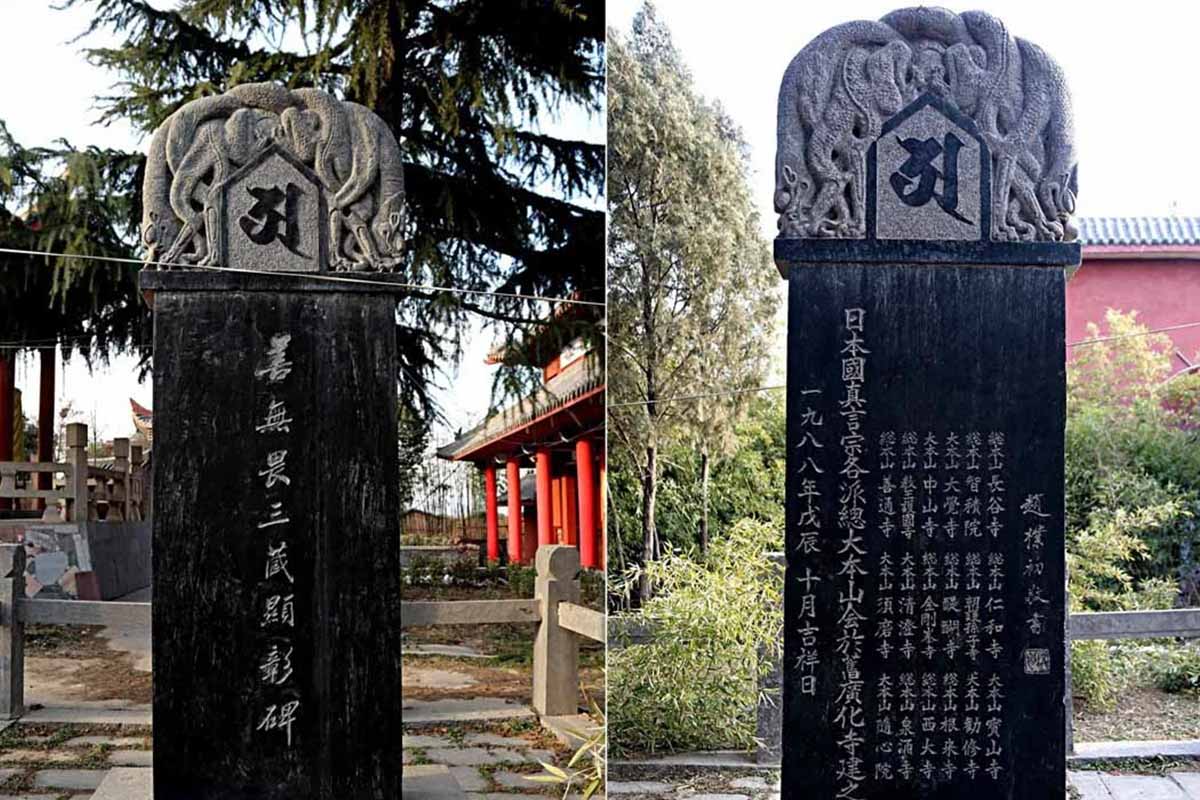
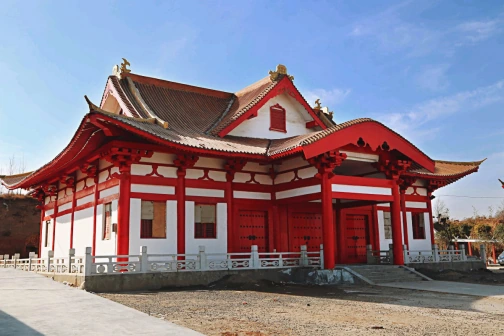
Unlike exercises that build balance through speed or instability, this ancient practice focuses on deliberate, methodical motion. Each posture and transition is an exercise in maintaining equilibrium while the body is in motion. At Funzendo, we integrate these principles not just as physical exercise, but as part of a holistic approach to wellness. Our programs, grounded in the authentic setting of Longmen Guanghua Temple, connect mindful movement with deeper contemplative traditions, offering a unique cultural wellness experience for international groups and individuals seeking to learn traditional Chinese wellness practices.
The Biomechanics of Stability in Movement
To understand how these slow movements enhance stability, it’s helpful to review some basic concepts from biomechanics. Balance is the ability to maintain the body's center of mass over its base of support. When you stand still, your base of support is the area encompassed by your feet. When you move, that base changes, and your brain must make constant, minute adjustments to muscle tension and posture to prevent a fall. Most daily activity involves reactive balance—your body corrects itself automatically after a slight stumble or an uneven surface.
This practice flips that model. Instead of reacting to instability, you are intentionally creating and controlling it within a safe, structured framework. By moving slowly, you give your nervous system more time to process sensory feedback from your feet, ankles, knees, and hips. This feedback loop is critical for proprioception. The slow, circular, and continuous motions train the muscles to make fine adjustments, strengthening the small stabilizer muscles around the joints that are often neglected in conventional exercise. It is a patient, detailed conversation between your mind, your muscles, and the ground beneath you.
A Technical Breakdown of Balance Training Mechanics
Generic claims about balance benefits overlook the specific techniques that produce the results. The effectiveness of the practice comes from a few key mechanical components that work together. Understanding these elements helps a practitioner move from simply mimicking forms to internalizing the principles of stability. It also informs corporate wellness and tour organizers about the true value of including this discipline in a wellness program.
- Intentional Weight Transfer: The core of the training involves shifting 100% of the body's weight from one leg to the other before taking a step. This is done without momentum. The practitioner learns to feel the "empty" leg (devoid of weight) and the "full" leg (bearing all weight). This trains the body to manage its center of gravity with extreme precision, building strength and control in the supporting leg's entire structure, from the foot to the hip.
- Knee and Hip Alignment: Correct alignment is non-negotiable. The knee of the weighted leg must always track in line with the toes and never extend past them. This protects the joint from injury and creates a strong, stable column of support. Simultaneously, the practitioner learns to "sink the qua" (relax and open the hip joints), which lowers the center of gravity and increases stability. Poor alignment creates structural weakness and strains the joints, negating the balance benefits.
- Conscious Foot Pressure and "Rooting": Practitioners are taught to feel the connection to the ground through the soles of their feet, a concept known as "rooting." The pressure should be distributed evenly, with a focus on the Yongquan point (Kidney 1) in the center of the sole. This heightened awareness of foot pressure provides the brain with detailed information about the body's position relative to the ground, improving the speed and accuracy of balance adjustments.
- Slow, Continuous Directional Changes: Moving slowly through turns and transitions is far more challenging for the balance system than moving quickly. It requires the vestibular system (the sensory system in the inner ear that provides the sense of balance) to work in concert with the muscular and skeletal systems without the aid of momentum. This deliberate control through multiple planes of motion builds a robust and adaptable sense of equilibrium.
Common Mistakes That Hinder Balance Development
For beginners or groups seeking foundational training, avoiding common errors is just as important as learning the correct movements. These mistakes often stem from rushing the process or carrying over habits from other forms of exercise. Addressing them is key to unlocking the true stability benefits of the practice.
| Common Mistake | Consequence | Corrective Action |
|---|---|---|
| Leaning the Torso | Instead of shifting weight by moving the hips, beginners often lean their upper body. This moves the center of gravity outside the base of support, causing instability and forcing reactive corrections. | Keep the torso upright as if suspended from the crown of the head. Initiate all weight shifts from the hips and legs, maintaining a vertical central axis. |
| Moving Too Quickly | Using speed and momentum masks a lack of true control and balance. It prevents the nervous system from processing the sensory feedback needed to refine proprioception. | Slow down deliberately, especially during transitions between postures. The movement should feel continuous and even, like pulling a silk thread. |
| Locking the Knees | A locked knee on the supporting leg creates a rigid, unstable structure and puts excessive strain on the joint. It breaks the connection to the ground and inhibits micro-adjustments. | Always maintain a slight bend in the knees of both the "full" and "empty" legs. This keeps the muscles engaged and ready to adapt. |
| Holding Your Breath | Tensing up and holding the breath creates body-wide stiffness, which fights against the fluid adjustments required for balance. | Focus on deep, slow, diaphragmatic breathing. Coordinate the breath with the movement to promote relaxation and sensitivity. Our programs emphasize meditation and breathing practices for this reason. |
Integrating Mindful Movement with Contemplative Wellness
The physical practice of balance is a gateway to mental and emotional equilibrium. The intense focus required to perform the movements slowly and correctly is a form of moving meditation. This quality makes it a perfect complement to other contemplative practices offered in a comprehensive wellness retreat. At Funzendo, we specialize in creating these integrated experiences. Our unique approach combines the mindful movement of practices like Tai Chi with singing bowl sound healing, silent Zen meditation, and the quiet ritual of an authentic Chinese tea ceremony.
This integration provides a more complete experience for corporate teams and wellness tourists. For example, a morning session of slow, grounding movement can prepare the mind for a deeper, more focused period of seated meditation. An afternoon tea ceremony, which itself requires steady hands and a calm mind, reinforces the principles of presence and deliberate action. This "Unique Sound, Tea & Zen Integration" is one of our core selling points, built on over a decade of tea practice and a deep understanding of Chinese contemplative traditions. For those interested in the Taoist roots of these practices, a Wudang Taoist wellness journey offers an immersive exploration of these connections.
By curating programs at Longmen Guanghua Temple, we offer international guests an opportunity for immersive temple experiences that go beyond simple tourism. They can engage with these traditions in an authentic, supportive environment, learning how different wellness modalities can work together to foster a greater sense of inner calm and physical stability. This holistic approach is ideal for organizations looking to provide their teams with meaningful, restorative wellness solutions.
For organizations planning wellness programs or cultural tours, understanding the specific mechanics of these practices is key. To explore how our integrated wellness courses can be tailored for your group, please contact us to discuss program options.