An incense ceremony workshop in China offers an opportunity to explore a traditional art in which fragrance, craftsmanship, etiquette, and contemplation come together. More than a way to create a pleasant aroma, Chinese incense culture reflects centuries of artistic development and its connections with Buddhist practice, tea culture, classical literature, and everyday life.
For international visitors, learning about incense provides a different perspective on Chinese cultural heritage. Through observing aromatic materials, understanding traditional techniques, and exploring the etiquette associated with incense, participants can discover how a seemingly simple fragrance becomes part of a much broader cultural experience.
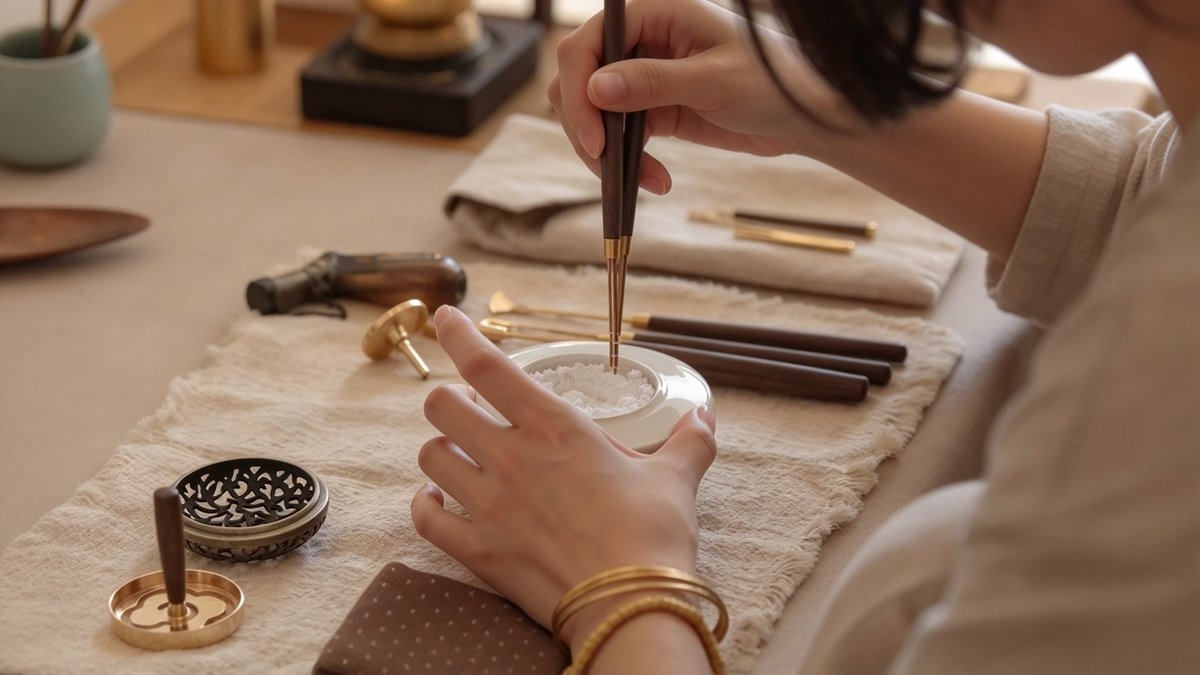
What to Expect at a Traditional Chinese Incense Workshop
A traditional incense workshop introduces participants to the materials, techniques, and cultural practices associated with incense. The exact format depends on the instructor and program, but a well-structured experience may combine practical demonstrations with historical explanations and opportunities for hands-on learning.
Understanding Traditional Incense Materials
Natural aromatic materials have played an important role in Chinese incense culture. Agarwood and sandalwood are particularly well known, although their fragrance profiles, origins, and traditional uses differ.
Agarwood is valued for its complex, resinous aroma, while sandalwood is often associated with a softer, woody fragrance. Other aromatic ingredients may be introduced according to the particular incense tradition being studied.
Participants can learn to observe differences in fragrance, texture, and appearance. They may also discover why material quality, storage conditions, and the proportions used in a particular formulation influence the finished product.
Responsible sourcing is an important consideration when working with valuable aromatic woods. The origins and sustainability of materials should be considered alongside their fragrance and traditional significance.
Exploring Traditional Incense-Making Techniques
Depending on the workshop, practical activities may include examining raw materials, learning about grinding and blending, observing incense shaping, or exploring the preparation of traditional incense forms.
Different methods produce different results. Powdered ingredients may be blended into incense mixtures, while other traditions involve shaping aromatic materials into coils, sticks, or decorative patterns.
The process requires attention to texture, consistency, and the characteristics of individual ingredients. Participants can begin to understand how craftsmanship develops through repeated practice rather than simply following a recipe.
For beginners, the objective is to gain an introduction to the materials and methods, appreciate the care involved in the process, and understand how incense-making fits within Chinese craft traditions.
Chinese Incense Culture and Buddhist Practice
Incense has a long history in China and has appeared in religious ceremonies, domestic settings, literary culture, and traditional arts. Its significance extends beyond fragrance to include symbolism, ritual, and the cultivation of attention.
In Chinese Buddhist settings, incense is commonly associated with offerings, reverence, and the expression of sincerity. Lighting incense according to local temple customs can form part of a visitor's experience of Buddhist etiquette.
However, incense practices are not identical across all temples or Buddhist traditions. The appropriate gestures, number of incense sticks, and procedures depend on the specific setting. Visitors should follow the guidance of temple staff and respect local religious customs.
For those exploring an incense ceremony workshop in China, this cultural background is essential. Understanding why incense is used helps participants appreciate the meaning of the practice rather than treating it only as a craft activity or photographic subject.
Incense Meditation: The Relationship Between Fragrance and Attention
Incense has also been associated with contemplative settings in Chinese culture. Its fragrance can become a point of attention during a quiet period of reflection, offering a way to notice sensory experience without rushing from one activity to another.
An incense meditation session may invite participants to observe the aroma, sit quietly, and pay attention to their immediate surroundings. The experience can be approached without assuming that fragrance itself produces a particular psychological or medical effect.
In traditional settings, incense may accompany meditation, tea gatherings, or other structured cultural practices. These activities offer different ways to explore patience, awareness, and the relationship between everyday actions and contemplative traditions.
For newcomers, a guided introduction can help explain the difference between simply burning incense and participating in a culturally informed practice.
Incense should always be used with appropriate ventilation and care, particularly around people sensitive to smoke or fragrance. Unattended burning incense should never be left in a temple room, workshop, or accommodation space.
From Incense Etiquette to Chinese Tea Culture
Incense and tea have both occupied important places in traditional Chinese cultural life. In some historical and contemporary settings, the two are brought together in quiet gatherings that emphasize attention to materials, preparation, and the surrounding environment.
An incense workshop may therefore provide a starting point for exploring other aspects of Chinese cultural heritage.
A tea experience introduces participants to the selection of tea leaves, the use of traditional brewing vessels, and the careful preparation of each serving. An incense experience, meanwhile, directs attention toward aromatic materials, fragrance, and the customs surrounding their use.
Although these practices have distinct histories and purposes, both can encourage a more attentive approach to ordinary activities.
For international visitors, experiencing them together can offer a richer understanding of traditional Chinese aesthetics than studying either practice in isolation.
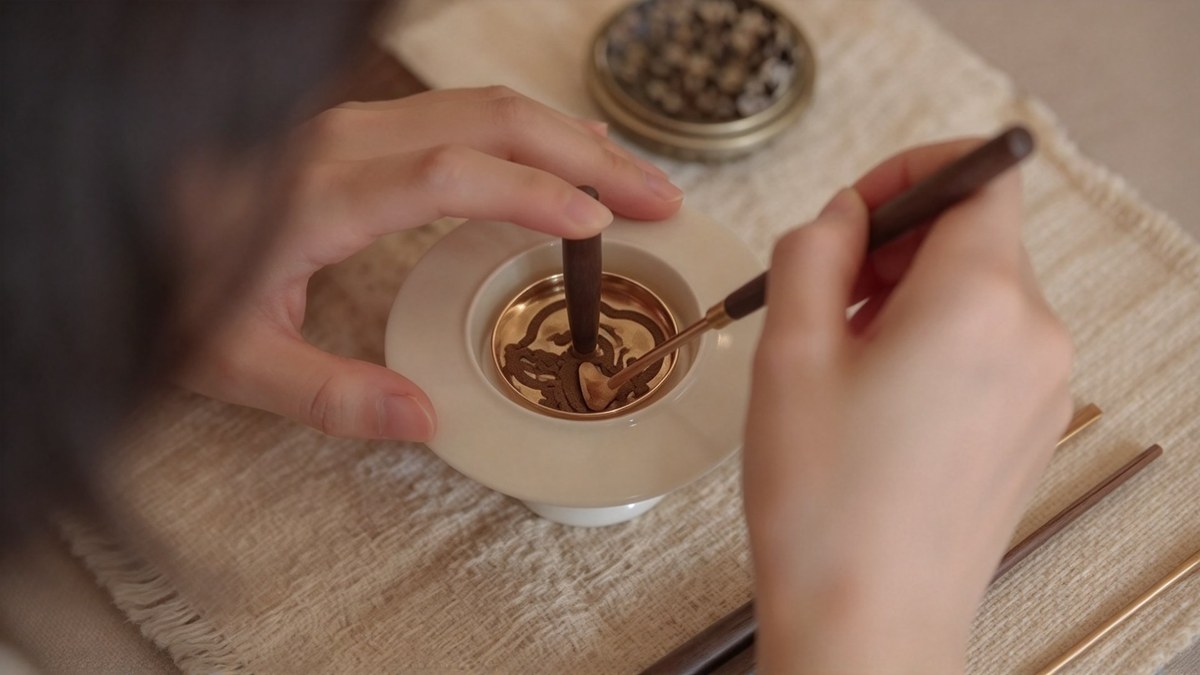
How to Choose an Incense Ceremony Workshop in China
Workshop formats vary, so it is worth checking the details before making a booking. Some programs focus primarily on incense-making techniques, while others emphasize cultural history, Buddhist etiquette, or contemplative experiences.
Consider the following factors when selecting a workshop.
1. Cultural Context
Look for an instructor who can explain the historical background of the techniques being taught, including the relationship between incense and Chinese religious or artistic traditions.
2. Practical Participation
If you want a hands-on experience, confirm whether participants will work with the materials themselves or mainly observe demonstrations.
3. Materials and Sourcing
Ask which materials are included and whether their origins are explained. Valuable aromatic woods should be sourced responsibly.
4. Language Support
International visitors may benefit from bilingual explanations or translated learning materials. Confirm the available language support before booking rather than assuming it will be provided.
5. Location and Program Format
Workshops may take place in cultural studios, educational settings, or temple-related environments. Confirm the venue, duration, group size, and any restrictions on participation or photography.
Choosing a program that explains both the practical process and its cultural background can make the experience more meaningful for first-time participants.
Discover Traditional Chinese Culture with Funzendo
Funzendo connects visitors with Chinese Buddhist heritage and traditional cultural experiences at Longmen Guanghua Temple in Luoyang, Henan Province.
For travelers interested in incense culture, this heritage setting offers an opportunity to explore the broader context of Chinese Buddhist traditions. Incense etiquette, mindful tea experiences, meditation, and other cultural practices can help visitors understand how traditional arts relate to religious life and contemplative learning.
An incense-related cultural experience should be selected according to the activities actually offered by the program. Visitors interested in hands-on incense making or a guided incense ceremony should contact Funzendo to confirm availability, instruction, materials, and booking arrangements.
Rather than approaching incense solely as a souvenir or fragrance, participants can use the experience to learn about craftsmanship, cultural symbolism, and the role of ritual in Chinese heritage.
Explore the Funzendo meditation programs to learn about contemplative practices, or visit the Funzendo activities page to discover cultural experiences and inquire about upcoming programs.
Frequently Asked Questions
What Is an Incense Ceremony Workshop in China?
An incense ceremony workshop introduces participants to aspects of traditional Chinese incense culture. Depending on the program, activities may include learning about aromatic materials, observing incense-making techniques, understanding Buddhist incense etiquette, and exploring the cultural significance of fragrance.
Is a Chinese Incense Workshop Suitable for Beginners?
Many introductory workshops are designed for people without previous experience. Before booking, confirm whether the program includes hands-on instruction, what materials are supplied, and whether the instructor can accommodate your language needs.
How Much Does an Incense Ceremony Workshop Cost?
Prices depend on the location, duration, materials, instructor, and level of practical participation. Workshops using premium aromatic materials or including additional cultural activities may have different fees from introductory sessions. Contact the organizer for current prices and inclusions.
What Should I Wear to a Temple-Based Incense Workshop?
Choose comfortable, modest clothing suitable for the venue. If the workshop takes place in a Buddhist temple, follow the site's dress code and etiquette guidance. Avoid strong perfumes so that you can better appreciate the natural aromas used during the session.
Do I Need to Speak Chinese to Participate?
Language support varies by organizer. Ask whether English-speaking instruction, bilingual materials, or interpretation is available before booking.
Can I Take Incense Home After the Workshop?
This depends on the workshop format, materials used, and any applicable transport restrictions. Ask the organizer whether finished incense or raw materials are included and check the relevant rules before carrying aromatic products internationally.