Is a China Retreat Right for You? Who Benefits Most (and Who Should Wait)
Searching for “Is a retreat right for me?” is a good place to begin. It suggests that you are not simply looking for another holiday, but considering whether stepping away from your usual environment could offer something meaningful.
A retreat in China can be very different from a conventional vacation. Instead of filling every day with sightseeing, shopping, and entertainment, you may find yourself following a quieter rhythm: waking with the morning bell, sharing vegetarian meals, learning traditional practices, spending time in meditation, and discovering the cultural background of Chinese Buddhist traditions.
But this kind of experience is not necessarily suitable for everyone, and the right time matters just as much as the right destination.
At Funzendo , located within the historic Longmen Guanghua Temple in Luoyang, Henan Province, we welcome international visitors interested in Zen culture, meditation, traditional Chinese practices, temple life, and meaningful cultural experiences. This guide will help you understand whether a China retreat matches your expectations, lifestyle, and current needs before making a booking decision.
1. You May Benefit from a China Retreat If...
You Feel Mentally Overloaded by Everyday Life
There is a difference between being busy and feeling constantly overwhelmed. You may have time away from work, but still find yourself checking messages, thinking about unfinished tasks, or struggling to enjoy the present moment.
A retreat creates a different environment in which everyday distractions become less central. A structured daily schedule, periods of quiet, guided meditation, and simple routines can give you an opportunity to observe your habits and reconsider how you use your attention.
This does not mean that a few days away will solve every personal or professional difficulty. Rather, a retreat offers space to slow down and explore practical ways of responding to everyday pressures.
If you are interested in learning these skills through traditional practice, explore our Zen Meditation experiences at Funzendo.
You Are Curious About Chinese Buddhist Culture
A retreat in China can offer more than an introduction to meditation. It can also provide an opportunity to understand the cultural and philosophical traditions behind the practices.
At Longmen Guanghua Temple, visitors encounter a setting connected with the history of Tang Dynasty Esoteric Buddhism, also known as Tangmi. The temple's historical environment provides a distinctive context for exploring Chinese Buddhist culture, temple architecture, traditional rituals, and the relationship between spiritual practice and everyday life.
For international visitors, this cultural dimension can make the experience especially meaningful. Rather than learning about Chinese Buddhism only through books or museums, you have an opportunity to experience aspects of temple life in their original cultural setting.
If your interest extends beyond meditation, a Chinese Cultural Experience may be an appropriate starting point.
You Are Willing to Experience a Simpler Daily Routine
One of the biggest adjustments for first-time retreat participants is the change in daily rhythm.
Depending on the programme, your day may include an early start, guided practice, traditional exercises, vegetarian meals, quiet periods, and time to explore the temple environment. The schedule is generally more structured than an ordinary holiday, but it also leaves room for reflection.
You do not need to have previous meditation experience. What matters more is a willingness to participate, listen to instructions, and approach unfamiliar activities with patience.
For some visitors, the simplicity of temple life is precisely what makes the experience valuable. There is less pressure to make decisions throughout the day, and more opportunity to focus on one activity at a time.
You Want a Meaningful Travel Experience Rather Than Just Accommodation
Not everyone travels for the same reasons. Some people want comfortable hotels and busy sightseeing schedules. Others prefer to understand the history, philosophy, and traditions of the places they visit.
A Buddhist temple stay offers a different approach to travel. Accommodation becomes part of a wider cultural experience, and ordinary activities such as eating, walking, listening, and resting can take on a more deliberate quality.
At Funzendo, visitors can combine temple accommodation with meditation, cultural learning, and selected traditional Chinese practices. The experience is particularly suitable for people who want to understand the relationship between Chinese heritage and contemporary ways of living.
Read more about our Chinese Cultural Experiences before choosing your programme.
2. When Should You Wait Before Booking a Retreat?
Choosing not to attend a retreat immediately does not mean that you are unsuitable for the experience. Sometimes, waiting or beginning with a shorter activity is the more sensible decision.
You Need Professional Medical or Psychological Support
A meditation retreat or temple stay is not a medical treatment programme. Although some participants find quiet environments and structured routines helpful for general wellbeing, these experiences should not replace medical care, psychotherapy, prescribed medication, or professional advice.
If you are currently experiencing significant psychological distress, have a medical condition that could affect participation, or are undergoing treatment, consult your healthcare professional before booking.
It is also important to inform the programme organiser about relevant practical needs in advance. This allows the team to explain the daily schedule, physical requirements, and available support honestly.
You Expect a Luxury Resort Experience
A traditional temple environment is different from a luxury wellness hotel. While accommodation and essential facilities are provided according to the selected room category, the emphasis is on cultural immersion and daily practice rather than resort-style entertainment.
You should be comfortable with a relatively simple lifestyle, shared communal areas where applicable, vegetarian dining, and a schedule that may begin earlier than you are accustomed to.
If your priority is a swimming pool, extensive leisure facilities, nightlife, or personalised hotel services, a conventional resort may be a better choice.
You Find Quiet Environments Particularly Difficult
Some people are immediately comfortable with silence. Others may initially feel restless when there is no music, conversation, or constant digital stimulation.
This is not a reason to force yourself into a long silent retreat.
A guided introductory programme, cultural activity, or shorter meditation session may be a more comfortable first step. You can gradually become familiar with the environment and decide whether a longer residential experience is appropriate.
Explore our guided meditation experiences before committing to a more intensive schedule.
You Have Very Limited Time
A retreat is not simply a sightseeing stop that can be added between two train journeys. Travel arrangements, arrival procedures, orientation, and adjustment to the temple environment all take time.
If you can only spare one night, you may not have enough time to understand the rhythm of the experience.
In this situation, a single-day cultural activity or a guided introduction to Chinese Buddhist culture may be more appropriate than a multi-day residential retreat.
3. Three Questions to Ask Yourself Before Booking
Before choosing a programme, take a moment to consider the following questions. Your answers can help you identify the type of experience that is most appropriate.
Question 1: Can I Step Away from My Usual Digital Routine?
You do not necessarily need to abandon your phone completely. However, are you willing to reduce unnecessary notifications, social media browsing, and work-related messages during practice sessions?
If the answer is yes, you may find it easier to participate in a structured retreat. If you are not ready, begin with a shorter experience that allows you to become familiar with the environment.
Question 2: Am I Looking for Stillness or Cultural Exploration?
These are two different motivations, and neither is better than the other.
If you want to develop a regular meditation practice, understand Zen principles, and spend time in a quieter environment, a meditation retreat may be suitable.
If you are more interested in Chinese history, temple architecture, tea culture, incense traditions, and Buddhist heritage, a cultural programme may be a better starting point.
You can also combine both interests through a carefully planned stay.
Question 3: Am I Comfortable with Simple Living?
Temple accommodation is designed around the experience of staying in a traditional religious and cultural environment. Depending on your room selection, you may share certain facilities or communal spaces with other visitors.
Vegetarian meals, an earlier daily schedule, and a quieter atmosphere are also part of the experience.
If these arrangements sound appealing, you may be ready for a temple stay. If you need greater privacy or have specific accommodation requirements, discuss them with the team before confirming your booking.
4. Which China Retreat Should You Choose First?
Once you have decided that a retreat might be right for you, the next step is to choose an experience that matches your expectations. A longer programme is not automatically better, especially for someone who has never participated in a retreat before.
For Complete Beginners: Start with a Three-Day Experience
If you are new to meditation and unfamiliar with Chinese temple culture, a shorter introductory experience gives you time to understand the surroundings without making a major commitment.
You can learn basic meditation techniques, become familiar with the daily schedule, experience vegetarian temple meals, and discover how traditional practices fit into contemporary life.
The goal is not to achieve a particular spiritual result in three days. It is to gain a realistic understanding of the practice and decide whether you would like to continue.
For People Interested in Traditional Chinese Practices
If you are curious about the connection between body awareness, posture, breathing, and traditional Chinese self-cultivation, consider a programme that introduces practices such as Zhan Zhuang (standing meditation) and traditional wellness exercises.
These activities offer a different perspective from sitting meditation alone. They introduce participants to traditional approaches to posture, movement, attention, and the relationship between body and mind.
Funzendo offers structured learning experiences through its Chinese Cultural Training and Retreat Programmes. Contact the team to identify the programme that best matches your interests and physical requirements.
For Those Seeking a Deeper Experience
If you already have some meditation experience and are comfortable following a structured daily schedule, a longer residential programme may provide more time to establish consistency.
Longer stays allow participants to become familiar with temple routines, deepen their understanding of Chinese Buddhist traditions, and explore different aspects of traditional culture.
However, the appropriate duration depends on your available time, personal circumstances, and the specific requirements of the programme. It is always better to choose a realistic commitment than to book a lengthy stay simply because it sounds more transformative.
For Travellers with Limited Time: Choose a Cultural Experience
You do not need to stay for several days to appreciate Chinese temple culture.
A shorter visit can introduce you to traditional architecture, Buddhist heritage, tea culture, incense appreciation, or guided meditation. This is particularly suitable for visitors already travelling through Luoyang who want to experience something beyond the city's main tourist attractions.
Browse the Funzendo Activities page to explore available experiences.
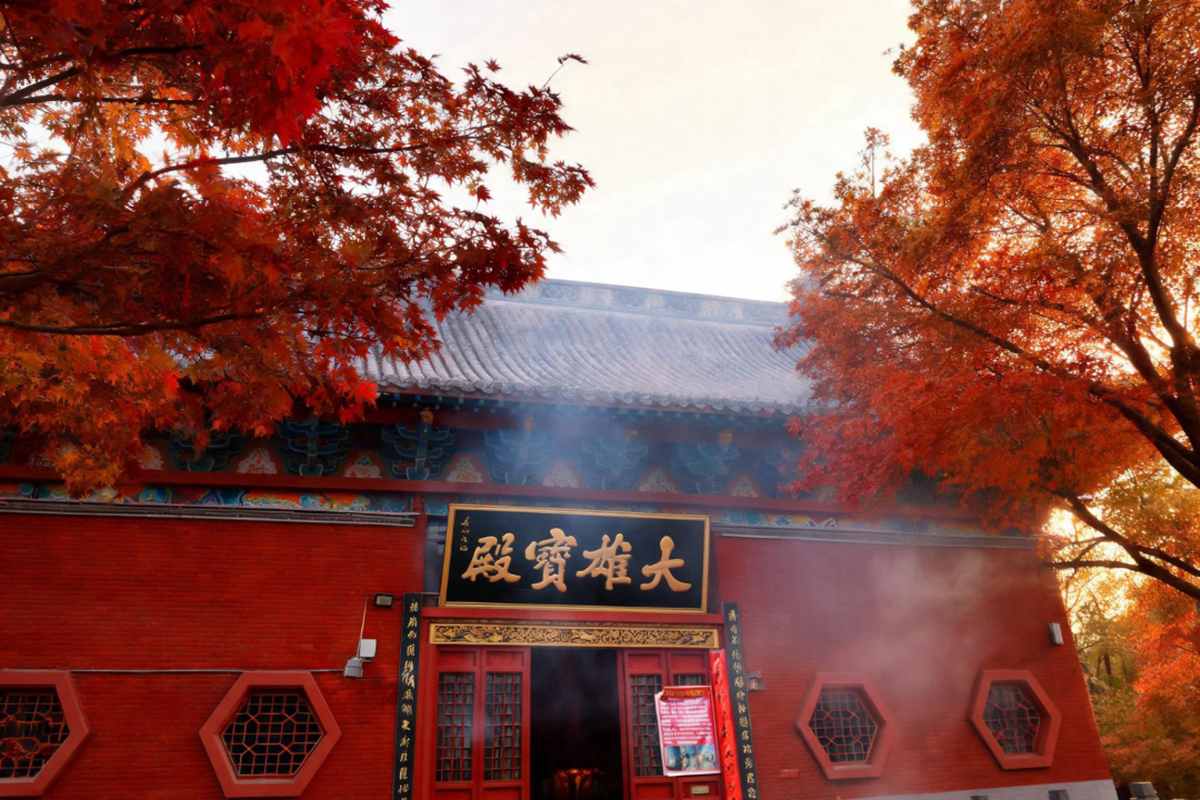
A traditional temple environment offers an opportunity to experience a slower rhythm of daily life.
5. What Should You Expect from a Retreat at Funzendo?
Understanding the actual setting is important before travelling internationally for a retreat. Knowing what is available, what is included, and what the daily experience involves helps you make a more informed decision.
A Historic Buddhist Setting
Funzendo is located within Longmen Guanghua Temple in Luoyang, a historic Buddhist temple associated with the development of Tang Dynasty Esoteric Buddhism.
The temple is situated near the famous Longmen Grottoes, one of China's most important cultural heritage destinations. However, the temple environment offers a different experience from the busy sightseeing areas. Visitors can explore a quieter setting while learning about the historical relationship between Buddhism, architecture, and traditional Chinese culture.
Traditional Practices and Cultural Learning
Depending on the programme selected, activities may include:
Zen meditation: An introduction to sitting meditation, awareness, and traditional Zen practice.
Standing meditation: Learning the fundamentals of Zhan Zhuang and developing awareness of posture and balance.
Chinese tea culture: Exploring traditional tea preparation, appreciation, and the cultural relationship between tea and Zen.
Incense culture: Learning about traditional incense materials, appreciation, and incense-related cultural practices.
Singing bowl experiences: Exploring sound, listening, and relaxation through guided sessions where included in the programme.
Buddhist cultural learning: Discovering the history and traditions associated with Chinese Buddhism and the temple environment.
Not every activity is included in every retreat. Always check the individual programme description before booking.
Vegetarian Dining and Temple Accommodation
Meals and accommodation are important parts of a residential experience. Temple-style vegetarian dining introduces visitors to a simpler approach to everyday food, while the accommodation provides a practical base for participating in scheduled activities.
Room arrangements and facilities depend on the accommodation category selected. If you have dietary restrictions, mobility requirements, or particular privacy needs, communicate them before arrival rather than assuming that every requirement can be accommodated.
A Location for Cultural Exploration
Another advantage of staying in Luoyang is the opportunity to explore the wider cultural landscape of the region.
Longmen Grottoes, White Horse Temple, and other historical sites offer valuable perspectives on the development of Buddhism and Chinese civilisation. Depending on your itinerary, these destinations can complement your temple experience.
For visitors who want to combine cultural exploration with personal practice, Luoyang provides a distinctive setting in which history and contemporary experience meet.
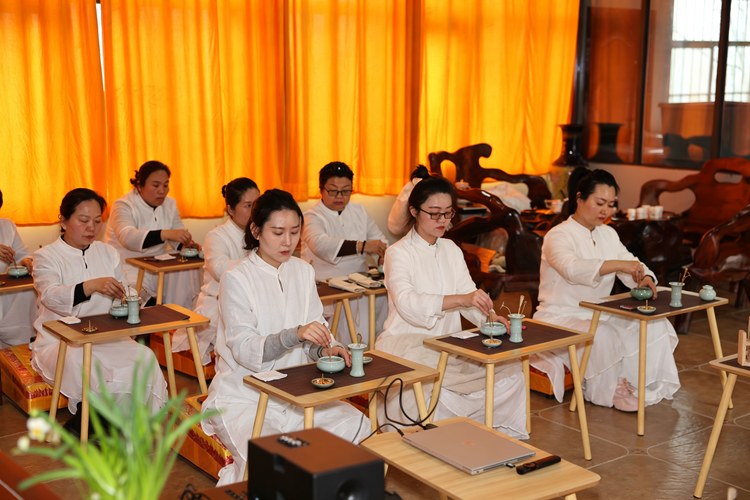
Tea, incense, and traditional cultural practices offer another way to understand the depth of Chinese temple life.
6. How to Prepare for Your First Retreat in China
A little preparation can make your first retreat more comfortable. You do not need extensive meditation experience or specialised equipment, but you should understand the practical arrangements before travelling.
Choose a Realistic Programme Duration
Consider your travel schedule, physical comfort, and previous experience. If this is your first retreat, an introductory programme is usually a more practical choice than immediately committing to a long residential stay.
Understand the Daily Schedule
Ask about wake-up times, meditation sessions, meal arrangements, free time, and any physical activities. This is particularly important if you are not accustomed to early mornings or structured daily routines.
Prepare for the Local Environment
Luoyang experiences distinct seasons, so clothing should be appropriate for your travel dates. Comfortable walking shoes are useful for moving around the temple grounds and visiting nearby historical sites.
Bring personal medication, necessary travel documents, and any essential items you use regularly. Inform the organiser about relevant health or mobility considerations in advance.
Arrive with Realistic Expectations
Do not expect to become an experienced meditator in a few days. Do not feel pressured to understand every Buddhist teaching immediately. A first retreat is an introduction, not an examination.
Allow yourself to learn gradually, ask questions when appropriate, and participate at a pace consistent with the programme guidance.
7. Frequently Asked Questions About China Retreats
Can I attend a China retreat if I have never meditated before?
Yes. Previous meditation experience is not always required. Introductory programmes are designed to help beginners understand basic techniques and become familiar with the practice. Check the entry requirements of your selected programme before booking.
Will I have to remain silent throughout the retreat?
Not necessarily. Different programmes have different communication and practice arrangements. Some include guided instruction and group discussion, while others place greater emphasis on quiet periods. Ask about the specific schedule before making a reservation.
Can I attend a retreat alone?
Yes. Solo travel can be a practical way to participate in a retreat, and you do not need to bring a companion. However, it is important to confirm your accommodation arrangements, arrival instructions, language support, and transport details in advance.
Is a Buddhist temple stay suitable for non-Buddhists?
Many cultural and introductory experiences are open to visitors from different religious and cultural backgrounds. You do not need to become a Buddhist to learn about meditation, Chinese Buddhist heritage, or temple traditions. Respect for the temple environment and its customs is important.
Is a retreat in China suitable for older visitors?
Suitability depends on the individual programme, accommodation, walking requirements, and personal physical condition. Some activities may involve stairs, extended sitting, or standing practice. Discuss your requirements with the organiser before booking.
How much time should I spend at a temple retreat?
For a first introduction, three days can provide a useful starting point. Longer programmes offer more time for structured learning and participation, but the ideal duration depends on your goals and circumstances.
How can I find out which programme is right for me?
The best approach is to contact Funzendo with your travel dates, previous experience, interests, and preferred length of stay. The team can explain the available programmes, accommodation arrangements, and practical requirements before you decide.
8. Make an Informed Choice Before You Travel
A retreat should not be a decision made simply because it is fashionable or because someone else found it meaningful. It should reflect what you are genuinely looking for and what you are ready to experience.
If you want a conventional holiday with constant entertainment and luxury facilities, a temple retreat may not be the right choice. If you are seeking an opportunity to learn about Chinese Buddhist culture, experience traditional practices, and spend time in a quieter environment, it may be worth exploring.
You do not have to be an experienced meditator, understand Buddhist philosophy, or know exactly what you hope to discover before arriving. Curiosity, realistic expectations, and respect for the environment are good places to start.
At Funzendo, we believe that a meaningful experience begins with choosing the right programme, not simply choosing the longest one.
Ready to explore a retreat in China?
Discover our Zen Meditation programmes, explore available Chinese Cultural Experiences, or learn more about our traditional cultural retreat programmes.
Before booking, contact the Funzendo team to discuss your interests, travel arrangements, and the experience that best matches your needs. We would rather help you choose a suitable programme than encourage you to book an experience that does not meet your expectations.