A Zen pilgrimage in Luoyang is more than a journey between historic temples. It is an opportunity to explore the development of Buddhism in China, encounter extraordinary religious art, and experience the cultural traditions that have shaped this ancient capital for centuries. For travelers seeking a deeper connection with Chinese Buddhist heritage, three days provide a meaningful introduction without turning the journey into a race between attractions.
Located in Henan Province, Luoyang was one of China's most important historical capitals and a significant center in the development and transmission of Buddhism. Its cultural landscape brings together monumental Buddhist sculpture, historic temples, traditional architecture, and living religious practices. The Longmen Grottoes, Longmen Guanghua Temple, and White Horse Temple each offer a different perspective on this heritage.
This Luoyang Zen pilgrimage 3-day itinerary is designed for international travelers who want to combine Buddhist history with a more contemplative travel experience. Rather than focusing exclusively on sightseeing, the route allows time for cultural interpretation, respectful temple visits, quiet reflection, and an introduction to traditional Chinese practices through Funzendo, located within Longmen Guanghua Temple.
Whether you are interested in Buddhist art, Chinese philosophy, meditation, or cultural heritage, the following itinerary offers a practical starting point for planning your journey.
Why Choose Luoyang for a Zen Pilgrimage?
Luoyang's importance in Chinese Buddhist history is closely connected to its position as an ancient capital and a meeting point for religious, artistic, and intellectual traditions. Over many centuries, Buddhist teachings were transmitted, interpreted, and expressed through temples, sculpture, inscriptions, and ritual practices.
The Longmen Grottoes preserve an exceptional collection of Buddhist carvings created over several historical periods. White Horse Temple is traditionally associated with the early establishment of Buddhism in China, while Longmen Guanghua Temple is connected with the history of Tang Dynasty Esoteric Buddhism. Visiting these places in one journey allows travelers to explore different dimensions of the Buddhist tradition rather than treating every temple as the same kind of attraction.
A pilgrimage does not have to be defined by religious affiliation. Some visitors travel to deepen an existing Buddhist practice; others come to understand Chinese culture, explore traditional architecture, or learn about the relationship between spirituality and daily life. What matters is approaching each site with curiosity and respect.
For this itinerary, the emphasis is on three complementary experiences: understanding Buddhist heritage, encountering living temple culture, and creating enough time to appreciate the journey at a more deliberate pace.
Day 1: Longmen Grottoes and Longmen Guanghua Temple
Morning: Discover the Buddhist Art of the Longmen Grottoes
Begin your pilgrimage at the Longmen Grottoes, one of China's most important collections of Buddhist rock-cut art and a UNESCO World Heritage Site. Carved into limestone cliffs along the Yi River, the grottoes contain thousands of statues, numerous caves and niches, and inscriptions that document the development of Buddhist art across different dynasties.
Allow several hours for your visit rather than treating the grottoes as a brief photo stop. The large-scale sculptures are impressive, but smaller figures, inscriptions, differences in carving styles, and the relationship between the cliffs and river also reward careful attention.
The monumental Vairocana Buddha at Fengxian Temple is among the best-known works at Longmen. Its scale and composed expression provide a striking introduction to the artistic language of Tang Dynasty Buddhism. As you explore, consider how the proportions of the figures, the details of their clothing, and the arrangement of entire groups communicate religious ideas through visual form.
A guided visit can help explain the historical background and symbolism behind the sculptures. If you prefer to explore independently, take time to read the available interpretation and follow the designated visitor routes. Protecting this heritage is part of visiting it responsibly: do not touch the carvings, cross barriers, or enter restricted areas for photographs.
The purpose of this first stop is not simply to see famous Buddhist images. It is to understand how artistic expression, religious devotion, and historical patronage came together in a place that has preserved their traces for centuries.
Afternoon: Visit Longmen Guanghua Temple
After exploring the grottoes, continue to Longmen Guanghua Temple, where Funzendo is located. This visit introduces a different aspect of Buddhist heritage: the temple as a religious and cultural setting rather than a monumental landscape of carved stone.
Guanghua Temple is associated with the history of Tang Dynasty Esoteric Buddhism and the transmission of Buddhist teachings in China. Its historical setting provides an opportunity to learn about the traditions connected with the temple, the people who helped shape its history, and the ways Buddhist culture developed in the Longmen area.
Take time to observe the temple's architecture, courtyards, commemorative sites, and surrounding landscape. Depending on access and the arrangements available on the day, you may be able to learn about the temple's historical features and the significance of its religious spaces. Some areas may be reserved for worship or other activities, so follow local guidance.
A pilgrimage becomes more meaningful when visitors distinguish between looking at a religious site and understanding its role. Temples are not merely architectural landmarks; many remain places of practice, observance, and community life. Quiet observation and respectful conduct help preserve that distinction.
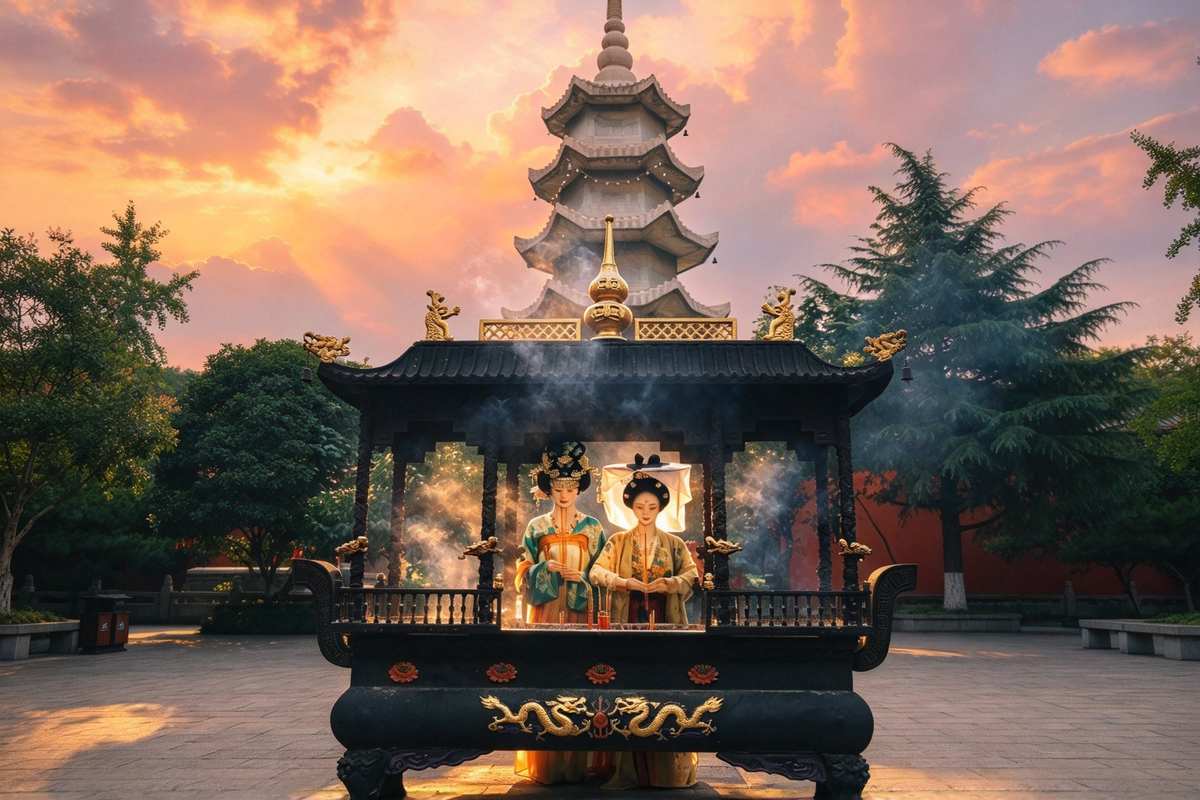
Late Afternoon: Experience a Quieter Rhythm at Funzendo
If your schedule and selected program permit, leave time for a guided introduction to meditation or another traditional cultural experience at Funzendo. After a morning spent exploring historical monuments, a quiet session can offer a different way to engage with the setting.
Beginners do not need previous meditation experience. An introductory session may focus on posture, breathing, and observing the mind without trying to force a particular result. The aim is not to achieve instant calm but to understand a practice that has played an important role in many contemplative traditions.
Visitors interested in a more immersive stay can explore Funzendo's Zen meditation programs. Check the available dates and arrangements in advance, as a guided session or overnight stay is not automatically included in every independent visit to the temple.
If you are staying overnight, use the evening to rest and prepare for the following day. A pilgrimage benefits from a manageable pace, especially when it combines outdoor walking, historical interpretation, and visits to active religious sites.
Day 2: White Horse Temple and the Roots of Chinese Buddhism
Morning: Explore White Horse Temple
On the second day, travel to White Horse Temple, traditionally regarded as one of the earliest Buddhist temple establishments in China. Its place in the history of Chinese Buddhism makes it an important destination for visitors interested in how Buddhist teachings became established and developed within Chinese society.
Walk through the temple grounds at a comfortable pace, observing the halls, courtyards, religious images, and architectural details. Rather than trying to photograph every building, consider the way the layout organizes movement and creates different spaces for gathering, worship, and contemplation.
White Horse Temple is also a useful place to reflect on the movement of ideas across regions. Buddhism originated in South Asia and reached China through complex networks of travel, translation, scholarship, and religious exchange. Its subsequent development involved sustained interaction with Chinese language, philosophy, artistic traditions, and social life.
For international visitors, this broader historical perspective can make the visit more rewarding. The temple is not simply a place with an important label in a guidebook; it represents a long process through which a religious tradition was introduced, interpreted, and given new forms in China.
Dress respectfully and follow instructions concerning photography, offerings, and access to religious spaces. If you wish to participate in a devotional activity, ask for guidance rather than assuming that every custom is the same across Buddhist traditions.
Midday: Enjoy a Simple Vegetarian Meal
A vegetarian meal can provide a natural pause between visits. Buddhist vegetarian cuisine has diverse regional and institutional traditions, and dishes vary according to the kitchen, season, and local ingredients. Depending on what is available, a meal may include vegetables, tofu, grains, soup, and other plant-based dishes.
Eating simply does not mean that food is unimportant. The preparation and sharing of a meal can reveal another aspect of temple culture: the relationship between daily routines, consideration for others, and the value of avoiding unnecessary waste.
Do not assume that vegetarian food is automatically available at every site or included in a tour package. Confirm dining arrangements in advance, especially if you have allergies or specific dietary requirements.
Afternoon: Choose a Cultural Extension
Instead of adding several distant attractions to the same afternoon, choose one extension according to your interests and available time. Travelers who want to explore Buddhist art and Chinese history in greater depth may prefer a museum visit or a return to a historical area that deserves more attention.
Another option is to return to the Longmen area and spend additional time learning about traditional Chinese cultural practices. Tea culture, incense traditions, and contemplative activities can complement a temple pilgrimage by introducing the craftsmanship and everyday customs associated with Chinese cultural heritage.
These experiences should be approached on their own terms rather than presented as identical to Buddhist religious practice. A tea ceremony, for example, has its own history and etiquette, while incense traditions can involve ritual use, sensory appreciation, and specialized craftsmanship.
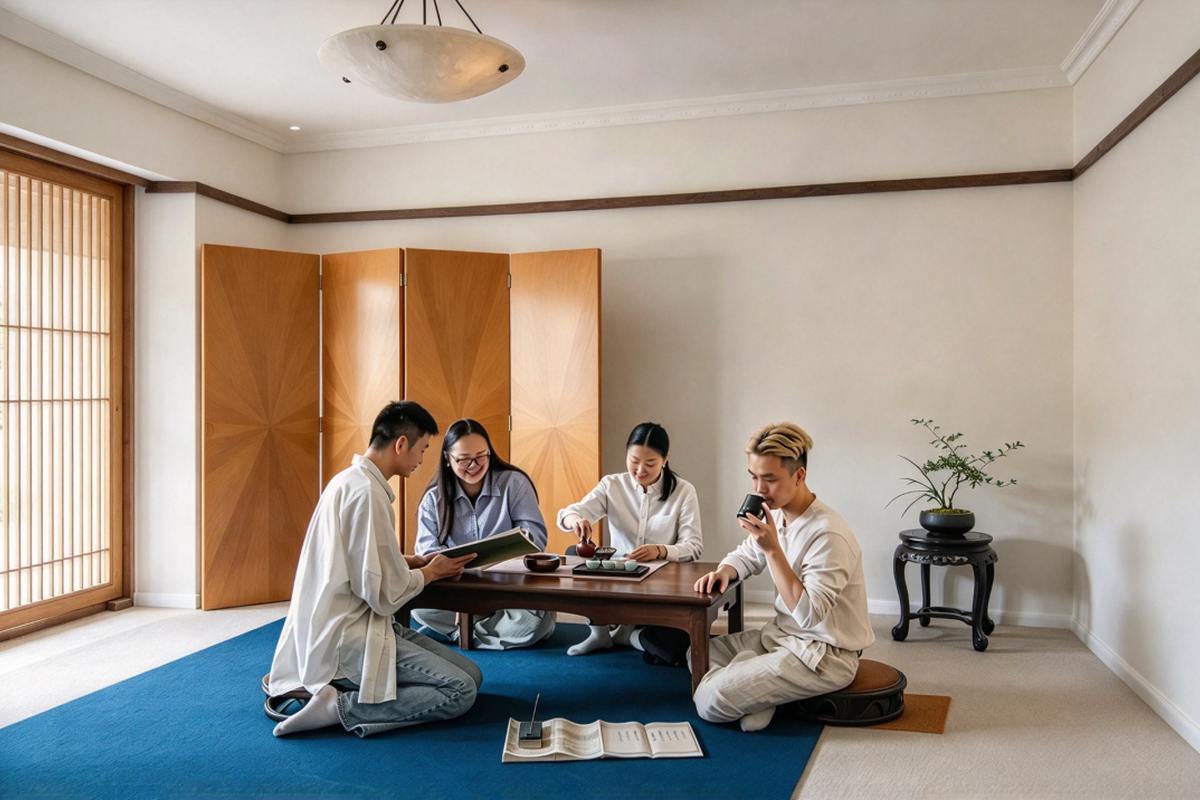
For travelers seeking a structured introduction to these traditions, Funzendo offers a culture retreat featuring incense, tea, and singing bowl experiences. Confirm the program schedule and availability before planning your itinerary around a particular activity.
Evening: Reflect on the Day
Leave the evening relatively open. You may wish to explore Luoyang's historic urban areas, enjoy a local meal, or simply rest after a full day of cultural visits. If you choose to visit a busy commercial district, remember that it offers a different atmosphere from the quiet spaces of a temple.
Consider what you have learned about the development of Buddhism in China. Comparing White Horse Temple with Longmen Guanghua Temple can help reveal the variety of historical experiences represented within a single city. Each site has its own identity, history, and contemporary role.
Day 3: Guanlin Temple and the Cultural Landscape of Luoyang
Morning: Visit Guanlin Temple
On the third day, consider visiting Guanlin Temple, a historic site associated with Guan Yu, a celebrated figure in Chinese history and popular culture. Although Guanlin is not a Buddhist temple in the same sense as Longmen Guanghua Temple or White Horse Temple, it offers valuable insight into the broader religious and cultural landscape of Luoyang.
Guan Yu became an enduring symbol of loyalty, righteousness, and integrity. Over time, traditions surrounding his veneration developed across different periods and communities. Guanlin's combination of temple architecture and tomb-related heritage provides a setting in which visitors can explore how historical memory, moral ideals, and devotional practices interact in Chinese culture.
Including Guanlin in a Zen pilgrimage may seem unexpected at first. However, a thoughtful cultural journey does not need to restrict itself to a single religious category. Understanding Chinese traditions often requires attention to the ways Buddhism, popular religion, historical figures, and local customs coexist within a wider cultural landscape.
Move through the grounds respectfully, follow site rules, and allow time to appreciate the architecture and historical interpretation. If Guanlin is not central to your interests, you can instead devote this morning to a museum or another heritage site that better matches your priorities.
Afternoon: Return to the Longmen Area or Explore Luoyang's Heritage
Use the final afternoon to revisit a place that deserves more attention, explore an additional cultural site, or return to Longmen Guanghua Temple if your schedule permits. A three-day itinerary works best when it includes some flexibility rather than assuming that every traveler will want to visit exactly the same number of attractions.
If you are especially interested in Buddhist art, additional time at the Longmen Grottoes may be more valuable than adding another distant stop. If your priority is Chinese history, a museum or a carefully selected historical site may provide more context. Travelers who prefer a quieter experience can choose a cultural activity or spend time reviewing what they have learned.
For those who want to extend their journey beyond a conventional sightseeing itinerary, Funzendo's temple activities and cultural experiences provide a starting point for exploring available options. Ask the team about suitable dates, activity formats, accommodation, and transportation before confirming your plans.
Before Departure: Carry the Experience Forward
A pilgrimage does not have to end with a final temple gate or a train departure. The experience can continue through the questions it raises: How do historical places preserve memory? How do religious traditions adapt across cultures? What can careful observation teach us about the way we approach unfamiliar places and people?
You might record a few observations from the trip, revisit a passage from a cultural guide, or continue a short meditation practice at home. These small actions are not a substitute for understanding the historical and religious context of the sites, but they can help connect the journey with everyday life.
Practical Tips for Planning a Three-Day Zen Pilgrimage
Plan by Location, Not Just by Interest
Longmen Grottoes and Longmen Guanghua Temple are in the Longmen area, while White Horse Temple and Guanlin are separate destinations. Organizing each day around nearby locations can reduce unnecessary travel and leave more time for the visits themselves. Confirm current routes and travel times before departure.
Check Opening Arrangements in Advance
Opening hours, ticketing arrangements, access restrictions, and visitor routes can change, particularly during public holidays or special events. Check the latest official notices for each attraction shortly before your visit. Do not assume that every temple or cultural program is available every day.
Wear Comfortable Clothing and Footwear
The itinerary includes walking through large heritage areas, temple courtyards, and potentially uneven paths or steps. Choose comfortable shoes and modest clothing suitable for the weather. Bring water and any personal essentials you need, and allow time to rest.
Respect Religious Spaces
Keep your voice low where appropriate, follow photography restrictions, and avoid touching religious objects or historic surfaces. Ask before participating in ceremonies or making offerings. Remember that a temple may be an active place of worship as well as a cultural destination.
Decide Whether You Want a Cultural Tour or an Immersive Stay
An independent itinerary offers flexibility, while a guided cultural program can provide context that may be difficult to obtain from signs alone. An immersive temple stay or meditation retreat is a different experience again, with more emphasis on scheduled activities and time spent within a temple environment.
Before booking a package, confirm exactly what is included: transportation, accommodation, meals, admission tickets, English-language guidance, meditation sessions, and cultural activities. These elements should never be assumed to be included simply because a program is described as a pilgrimage.
Who Is This Luoyang Zen Pilgrimage For?
This three-day route is suitable for travelers who are curious about Chinese Buddhist history, appreciate cultural heritage, and prefer to understand a destination rather than collect photographs of as many attractions as possible. It can also appeal to people who already practice meditation and want to explore the historical settings in which Chinese contemplative traditions developed.
You do not need to identify as Buddhist to appreciate the journey. A respectful attitude, an interest in learning, and a willingness to follow local customs are more important than prior religious knowledge.
The itinerary can also be adapted to different travel styles. Visitors with limited mobility may need to adjust the walking route at Longmen, while travelers who prefer more time for study can reduce the number of destinations. Families, older visitors, and those traveling during busy periods should consider transportation, rest breaks, and accessibility before finalizing the schedule.
Most importantly, do not expect a three-day pilgrimage to deliver a guaranteed spiritual transformation. Its value lies in the opportunity to encounter places, traditions, and ideas with greater attention and understanding.
Begin Your Luoyang Zen Pilgrimage with Funzendo
Luoyang offers a remarkable combination of Buddhist art, historic temples, and living cultural traditions. Over three days, travelers can move from the monumental sculptures of the Longmen Grottoes to the historic setting of Longmen Guanghua Temple, explore White Horse Temple's place in the history of Chinese Buddhism, and discover the wider cultural landscape through sites such as Guanlin.
Funzendo, located within Longmen Guanghua Temple, offers a starting point for travelers interested in exploring Chinese Buddhist culture through meditation, cultural activities, and temple-based experiences. Depending on your interests and the arrangements available, your journey may focus on historical interpretation, an introduction to meditation, traditional tea and incense culture, or a longer residential experience.
Explore Funzendo's Zen meditation programs and cultural activities to discover options that may complement your pilgrimage. Contact the team before booking to discuss your preferred dates, accommodation requirements, language needs, transportation, and the specific activities you would like to include.
A meaningful pilgrimage is not measured by the number of places visited. It is measured by the attention you bring to each encounter and the understanding you carry away. In Luoyang, three days can be the beginning of a deeper exploration of Chinese Buddhist heritage, traditional culture, and the enduring relationship between place and practice.