Meditation vs Zen: Differences, Benefits & How to Choose
Search for “meditation” and “Zen” online, and you will often see the same images: a cushion in a quiet room, a person sitting with closed eyes, or a Buddhist monk in meditation. It is easy to assume that the two terms mean the same thing. In reality, meditation is a broad range of practices, while Zen is a Buddhist tradition in which meditation plays a central role.
Understanding the difference can help you choose a practice that suits your needs, whether you want to develop a simple daily habit, explore Chinese Buddhist culture, or experience a guided retreat in a traditional temple setting.
This guide explains what meditation and Zen mean, how their approaches differ, and how beginners can decide where to start.
Meditation vs Zen: The Key Differences
The simplest distinction is that meditation describes a broad category of attention-training practices, whereas Zen refers to a tradition of Buddhist practice and understanding. Zen includes meditation, but meditation does not always involve Zen philosophy or Buddhism.
| Aspect | Meditation | Zen (Chan) |
|---|---|---|
| Meaning | An umbrella term for many contemplative practices | A school of Buddhism with its own teachings and methods |
| Origins | Found in diverse cultural, philosophical and religious traditions | Developed within Buddhism; known as Chan in China and Zen in Japan |
| Methods | Breath awareness, body scans, visualization, mantra and more | Seated meditation, mindful activity, and methods that vary by lineage |
| Common aims | Attention, self-awareness, relaxation or personal reflection | Insight, understanding and the cultivation of wisdom |
| Learning context | Apps, classes, individual practice or guided programs | Often learned through a teacher, a practice community and Buddhist teachings |
Neither approach is automatically better than the other. The right choice depends on what you want to learn and how deeply you wish to explore the practice.
What Is Meditation?
Meditation is a way of training attention and developing awareness. Depending on the method, you might focus on your breathing, notice physical sensations, repeat a phrase, visualize an image, or observe thoughts without immediately reacting to them.
One reason meditation appeals to so many people is its flexibility. A beginner can start with a few minutes of quiet breathing at home, while a more experienced practitioner might attend a class or follow a structured retreat. Meditation is also taught in secular settings, including some mindfulness and stress-management programs, without requiring a religious commitment.
Common types of meditation
Breath meditation: Gently return your attention to the natural rhythm of breathing whenever your mind wanders.
Body-scan meditation: Bring attention to different parts of the body and notice sensations without immediately judging them.
Walking meditation: Pay attention to each step, the movement of the body and contact with the ground.
Guided meditation: Follow verbal instructions from a teacher or recording to support attention and awareness.
These practices can support relaxation and concentration, although individual experiences vary. Meditation is not a guaranteed treatment for anxiety, insomnia or other medical conditions, and it should not replace appropriate professional care.
What Is Zen Meditation?
Zen, known as Chan in Chinese, is a tradition of Mahayana Buddhism that places strong emphasis on direct practice and insight. Its influence can be seen in Buddhist philosophy, temple life, art, calligraphy, architecture and forms of contemplative culture across East Asia.
One of the best-known Zen practices is zazen, or seated meditation. Practitioners generally pay attention to posture and awareness, following the instructions of their particular school or teacher. Some traditions emphasize observing the breath; others use different methods of contemplation or inquiry.
Zen is not simply a technique for relaxing. Its broader context includes ethical conduct, Buddhist teachings, disciplined practice and the cultivation of wisdom. The aim is not necessarily to eliminate every thought, but to understand experience more clearly and change how one relates to it.
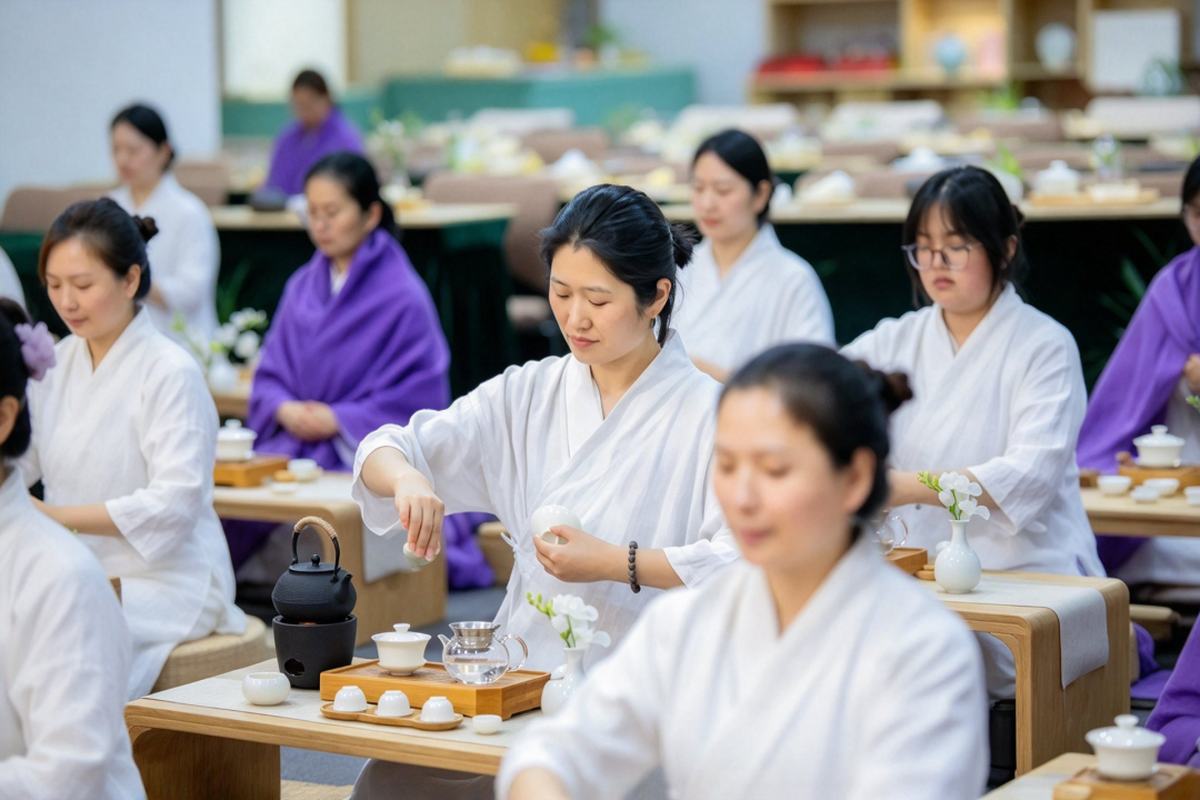
Zen extends beyond the meditation cushion
In Zen practice, awareness can extend into ordinary activities. Walking, eating, preparing tea or carrying out a simple task can become opportunities to pay attention to what is happening in the present moment.
This does not mean that every mindful activity is automatically Zen. Rather, these activities can be understood within a wider tradition of practice, intention and teaching. Learning about that context helps explain why a Zen experience may feel different from a short meditation session at home.
For readers interested in the Chinese roots of Zen, exploring Zen meditation at Funzendo offers an introduction to seated practice, mindful breathing and contemplative experiences at Longmen Guanghua Temple in Luoyang.
Four Important Differences to Understand
1. A broad skill versus a specific tradition
Meditation can be practiced independently of any religious tradition. Zen, by contrast, has a particular Buddhist history and body of teachings. Learning a breathing exercise may take only a few minutes; understanding Zen more deeply is an ongoing process.
2. Different methods and structures
There is no single meditation technique that suits everyone. Some people prefer guided instruction, while others enjoy silent practice. Zen practice can offer a more defined structure, including guidance on posture, periods of sitting and the relationship between formal practice and daily life. The details depend on the school and teacher.
3. Relaxation versus a broader inquiry into life
Many people begin meditation because they want to slow down, improve concentration or create a pause in a busy day. Zen practice can also support these intentions, but its traditional purpose reaches further into questions of awareness, suffering, attachment and wisdom.
It is important not to turn this distinction into a rigid rule. Meditation can be profound, and Zen practice can bring a sense of calm. The difference lies primarily in the wider framework and intention, rather than in a promise of a particular result.
4. Individual practice versus learning in a cultural setting
You can meditate at home without visiting a temple. Experiencing Zen in a Chinese Buddhist temple, however, may introduce you to a different learning environment: quiet halls, the rhythm of daily practice, Buddhist architecture and the cultural traditions surrounding the practice.
For international visitors, this combination of instruction and cultural context can make a retreat more meaningful than treating meditation as an isolated activity.
Which Is Right for You?
The best starting point depends on your goals, available time and curiosity about Buddhist culture.
Choose general meditation if you want a simple daily routine
If your priority is to create a quiet moment in a demanding schedule, begin with a short breathing or body-awareness practice. Sit comfortably, notice your natural breathing and gently return your attention whenever you become distracted. Consistency matters more than trying to achieve a perfect state of calm.
Explore Zen if you want a deeper practice
If you are curious about Buddhist philosophy, traditional methods and the relationship between awareness and everyday life, Zen may be worth exploring. A qualified teacher can help you understand posture, practice instructions and the cultural context that a short online exercise may not provide.
Consider a temple experience if you want cultural immersion
If you are traveling in China and want to experience meditation alongside living Buddhist culture, a guided temple program can bring these interests together. You can learn the basics of seated meditation while gaining a better understanding of the place, traditions and daily rhythms in which the practice takes place.
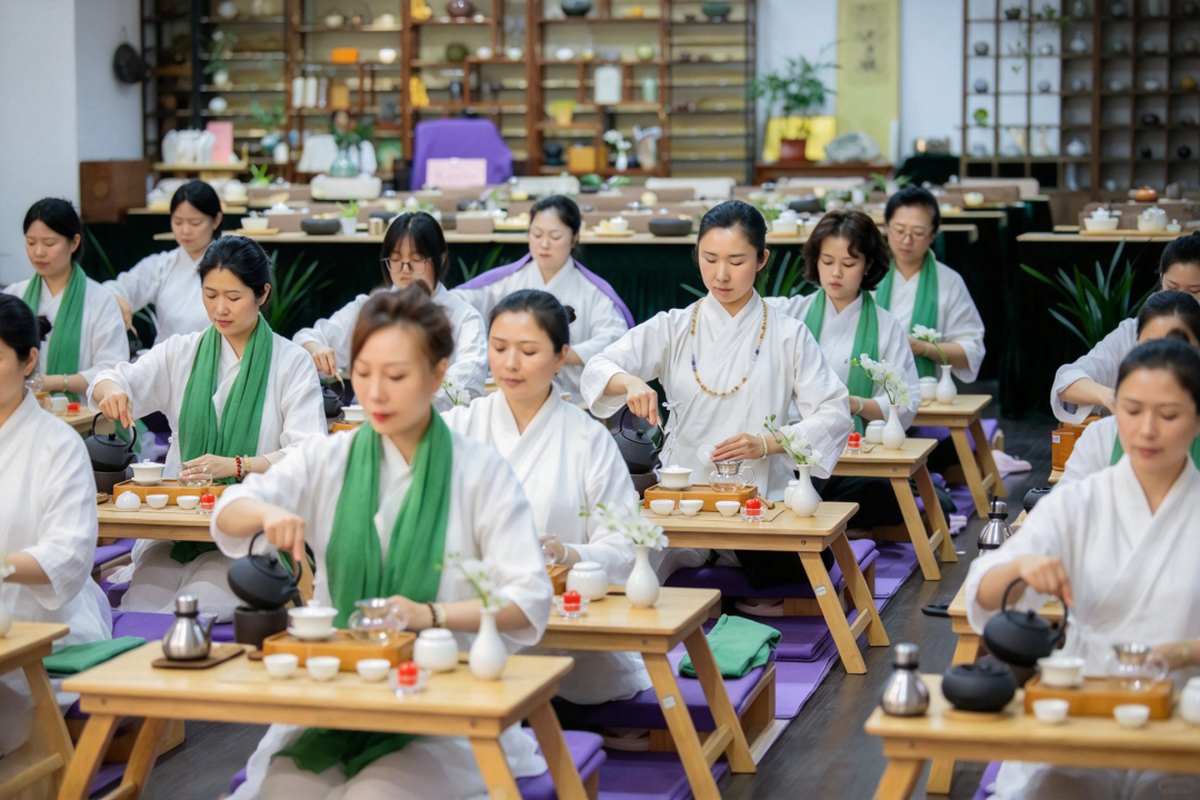
Discover Zen in Its Chinese Cultural Context
For those interested in the roots of East Asian Buddhist practice, Luoyang offers an opportunity to explore Chinese Buddhist heritage alongside contemplative learning. Longmen Guanghua Temple, near the Longmen Grottoes in Henan Province, has historical connections to Tang Dynasty Esoteric Buddhism and the wider Buddhist history of the region.
At Funzendo, visitors can explore meditation and cultural experiences in a temple setting. Depending on the program, activities may include guided meditation, mindful breathing, tea culture and opportunities to learn about Buddhist traditions. These experiences are designed to help visitors engage with the practice and its cultural context, rather than simply observe a temple as a tourist attraction.
If you are new to meditation, the Meditation & Healing programs include a three-day Chan meditation retreat for beginners as well as longer Zen retreat options. Review the program details to find an experience that fits your schedule, interests and level of familiarity with meditation.
You can also explore a Funzendo temple experience to learn more about the setting and available cultural programs before planning a visit.
Frequently Asked Questions
Do I need to be Buddhist to practice Zen?
You do not need to identify as Buddhist to learn about Zen meditation or participate in an introductory cultural experience. However, Zen is rooted in Buddhism, so understanding its origins and respecting the traditions of the setting are important parts of learning.
Is Zen harder than regular meditation?
Not necessarily. Basic seated practice can be accessible to beginners, but maintaining a consistent routine takes time. Zen instruction may offer helpful structure, while other forms of meditation may feel more flexible. The experience depends on the method and the individual.
Can I learn meditation without a teacher?
Yes. Many people begin with simple breathing exercises or guided recordings. If you want to explore Zen more deeply, an experienced teacher can help clarify practice instructions, posture and the tradition behind the method.
Which is better for relaxation and sleep?
Gentle breathing and body-awareness practices may help some people unwind before bed. Zen meditation may also support relaxation, but neither approach guarantees better sleep or treats every underlying cause of sleep difficulties. Choose a comfortable method and seek professional advice when persistent problems affect daily life.
Can beginners join a Zen meditation retreat in China?
Yes, some retreats are specifically designed for beginners. Before booking, check the length of the program, daily schedule, language support, accommodation, meals and the amount of formal sitting practice. Funzendo's meditation retreat options are a useful starting point for comparing available programs.
Start with the Practice That Fits Your Life
Meditation and Zen are closely related, but they answer different questions. Meditation offers a wide range of ways to train attention and develop awareness. Zen places meditation within a Buddhist tradition that also explores wisdom, conduct and the nature of experience.
You do not need to decide everything at once. Begin with a simple practice if you want to establish a routine. If your curiosity grows, explore Zen teachings, learn from a qualified instructor or experience the cultural setting of a Buddhist temple.
For those who want to take the next step in China, discover Funzendo's meditation and retreat programs and find an experience that matches your interests, schedule and level of experience.