Retreat vs Vacation: Why "Doing Nothing" Can Feel Harder — and Be More Rewarding
A vacation promises an escape from everyday responsibilities through new destinations, interesting food, beautiful landscapes, and opportunities to enjoy experiences that are different from ordinary life. A retreat offers something quieter and, in some ways, more challenging: the opportunity to step away from constant activity, reduce external distractions, and reconnect with yourself through a slower and more intentional way of living. Although both experiences involve taking time away from your usual environment and can leave you feeling refreshed, the difference lies in what you hope to gain from the time you spend away.
Think about the last time you returned from a holiday after visiting somewhere beautiful, exploring unfamiliar places, enjoying excellent meals, and taking photographs of everything that caught your attention. You may have had a wonderful experience, yet after unpacking your suitcase and returning to work, you might have discovered that the tiredness you hoped to leave behind was still there. This is not unusual, because changing your surroundings does not necessarily change the habits, thought patterns, and constant demands that influence how you feel in everyday life.
A retreat approaches this experience from a different direction by creating space for stillness, reflection, and a simpler daily routine rather than filling every available moment with new activities. While this may sound like an effortless way to relax, many first-time participants discover that learning to do less can be surprisingly difficult, especially when they are accustomed to constant communication, entertainment, and productivity. Understanding the difference between a vacation and a retreat can help you decide which experience is more appropriate for your current needs and why a few quiet days may sometimes offer more lasting value than a busy holiday.
1. Retreat vs Vacation: Understanding the Real Difference
The distinction between a retreat and a vacation is not simply determined by where you travel or what type of accommodation you choose, but rather by the purpose behind the experience and the way you choose to spend your time. A vacation generally focuses on external experiences, allowing you to explore unfamiliar places, discover local culture, enjoy restaurants, socialize, and make memories through activities that may not be part of your normal routine. A retreat shifts the focus inward by giving you time to observe your thoughts, understand your habits, and experience everyday activities without the same level of constant stimulation.
Although some retreats take place in beautiful destinations and some vacations include meditation or cultural activities, their overall approaches are different. The following comparison highlights the main distinctions between these two ways of spending time away from home.
| Aspect | Vacation | Retreat |
|---|---|---|
| Main purpose | Entertainment, exploration, and enjoyment | Reflection, personal awareness, and renewal |
| Daily schedule | Flexible or filled with planned activities | Simple, structured, and intentional |
| Attention | Primarily focused on the outside world | More focused on inner awareness |
| Environment | Hotels, resorts, cities, and beaches | Temples, retreat centers, and natural settings |
| Daily activities | Sightseeing, shopping, dining, and entertainment | Meditation, walking, reflection, and mindful activities |
| Social interaction | Often frequent and spontaneous | May include quiet periods or limited conversation |
| Digital habits | Usually continued as normal | Often reduced or intentionally limited |
| Main takeaway | Memories, photographs, and new experiences | Greater awareness, perspective, and practical habits |
Neither experience is inherently better than the other, because a vacation may be exactly what you need when you want adventure, celebration, cultural discovery, or quality time with family and friends. Traveling to another country, exploring historical landmarks, and experiencing unfamiliar traditions can broaden your perspective and provide memories that remain meaningful for years. A retreat serves a different purpose by creating an opportunity to examine the patterns and habits you normally carry with you, rather than simply taking those patterns to another destination.
For example, someone who spends most of the year managing professional responsibilities may return from an activity-filled holiday feeling physically refreshed but still accustomed to checking messages, planning the next task, and thinking about unfinished work. A retreat introduces a different rhythm in which the value of an experience is not measured by how many activities have been completed, but by the opportunity to give each moment more attention. In simple terms, a vacation changes your surroundings, while a retreat invites you to change the way you experience them.
2. Why Doing Nothing Can Feel So Uncomfortable
One of the biggest surprises for people attending their first retreat is that slowing down does not always feel relaxing immediately. In everyday life, most people become accustomed to a continuous flow of stimulation created by emails, meetings, social media, conversations, entertainment, and countless small responsibilities that compete for their attention. Even during supposedly free time, it is common to look for something to watch, read, purchase, organize, or discuss, making uninterrupted periods of quiet relatively unfamiliar.
When these distractions are suddenly reduced, the mind may initially struggle to adjust because it is no longer receiving the same steady stream of external information. You might find yourself thinking about unfinished work, replaying conversations, worrying about future plans, or checking the time more frequently than usual, even when there is nothing urgent that needs your attention. A quiet afternoon can therefore feel longer and more uncomfortable than an entire day spent sightseeing, particularly if you have become accustomed to measuring your time through productivity and entertainment.
This reaction does not necessarily mean that a retreat is unsuitable for you, nor does it indicate that you are doing something incorrectly. It may simply reflect the fact that you have had relatively few opportunities to experience stillness without immediately filling it with another activity. Several common factors can make the first stage of a retreat challenging:
You are no longer distracted by constant novelty. During a vacation, unfamiliar surroundings naturally attract your attention through new buildings, landscapes, food, and cultural experiences, whereas a retreat usually provides a simpler environment in which there are fewer external activities competing for your interest. As a result, you may become more aware of your internal experience, including thoughts and concerns that are usually overlooked during a busy day.
Your usual routines are temporarily interrupted. Without familiar habits such as checking your phone, responding to messages, or filling every spare moment with another task, you may begin to recognize how frequently you rely on external stimulation to occupy your attention. This awareness can feel uncomfortable initially, but it also provides an opportunity to understand your relationship with technology, productivity, and everyday routines.
Silence makes ordinary thoughts more noticeable. Thoughts that are easily overlooked during a demanding working day may become more apparent when you have fewer distractions, particularly if you are accustomed to moving quickly from one responsibility to another. Rather than interpreting this experience as a problem, you can gradually learn to observe your thoughts without feeling that every one of them requires an immediate response.
You have to become comfortable with unstructured moments. Modern life often encourages people to measure time through achievement, efficiency, and visible results, making it difficult to appreciate periods when nothing particularly productive appears to be happening. A retreat introduces another possibility by showing that time can still be meaningful when you are walking quietly, enjoying a meal, resting, or simply allowing yourself to experience the surroundings without a specific objective.
The adjustment is different for everyone, as some participants become comfortable with the slower rhythm relatively quickly while others need more time to settle into the environment. There is no requirement to achieve a particular mental state or feel peaceful from the first hour, because the purpose of a retreat is not to force yourself to stop thinking but to gradually develop a more balanced relationship with your thoughts, reactions, and daily habits.
3. What Happens During a Retreat When You Are Not Sightseeing?
A retreat is not simply a vacation with fewer activities, because its daily rhythm is usually designed around a different kind of experience in which meditation, mindful movement, cultural learning, rest, and reflection are given more attention. Depending on the program and the traditions being introduced, participants may follow a structured schedule that provides enough guidance to make the experience accessible while also allowing periods of quiet time between formal activities.
Morning meditation and the beginning of the day
A retreat day may begin with a period of sitting meditation, offering participants an opportunity to become aware of their breathing, posture, and physical sensations before moving into the responsibilities of the day. Rather than immediately reaching for a phone or thinking about unfinished tasks, you spend time observing your present experience and gradually becoming familiar with the practice of returning your attention whenever it wanders. For beginners, guided sessions can provide useful instructions about posture, breathing, and concentration, meaning that you do not need to arrive with an established meditation routine or previous experience.
Mindful movement and walking practice
Not every retreat activity requires sitting still, since walking meditation, gentle movement, and traditional Chinese standing practices such as Zhan Zhuang provide alternative ways to develop awareness through the body. These activities introduce a different relationship with physical movement by encouraging participants to notice posture, balance, weight distribution, and the sensations associated with standing or walking. For people who find extended periods of seated meditation difficult, mindful movement can provide a more accessible starting point for exploring contemplative practice.
Simple meals and mindful eating
Meals during a Buddhist temple stay can become an important part of the overall experience, particularly when the surrounding environment encourages a more deliberate and respectful approach to eating. Instead of having a meal while scrolling through a screen or rushing between appointments, you have an opportunity to notice the food, appreciate its preparation, and pay attention to the experience of eating without unnecessary distractions. Vegetarian meals are also common in many Buddhist temple environments, providing visitors with an opportunity to become familiar with an aspect of traditional Buddhist food culture while experiencing a simpler daily routine.
Periods of rest, walking, and personal reflection
A meaningful retreat should also include time that is not filled with formal instruction or scheduled activities, because rest and personal reflection are important parts of adjusting to a slower pace. Participants may spend this time reading, walking through temple grounds, observing the surrounding landscape, or simply sitting quietly without needing to accomplish anything in particular. These unstructured periods allow people to experience the environment more naturally and can be just as valuable as formal meditation sessions, especially for those who are learning to become comfortable with a less demanding schedule.
Evening meditation and reflection
Some retreat programs include evening meditation, Buddhist cultural activities, or guided opportunities to reflect on the experiences of the day, allowing participants to consider what they have noticed without turning the process into another task that must be completed. In a traditional temple setting, the rhythm of evening activities may also introduce visitors to aspects of Buddhist daily life, including the atmosphere of the temple after daytime activities have gradually become quieter. The overall experience is usually simpler than a conventional holiday, because instead of asking how many activities you can fit into one day, you begin to appreciate what happens when you give each activity enough time.
4. The Benefits That Can Stay With You After the Retreat
A vacation often leaves you with photographs, souvenirs, and memories of the destinations you have visited, while a retreat may leave you with something less visible but potentially more useful: a different understanding of your habits and practical ways to approach everyday life. Although the experience varies between individuals and no particular outcome can be guaranteed, spending time in a quieter environment can create opportunities to observe your routines, reconsider how you use your attention, and explore more intentional ways of responding to ordinary situations.
A break from constant decision-making
Everyday life involves an extraordinary number of small decisions, from deciding what to eat and which messages to answer to determining which responsibility should receive your attention next. When these decisions accumulate throughout the day, they can contribute to a sense of mental busyness even when none of them is particularly difficult on its own. A retreat often follows a relatively simple daily schedule, reducing the number of choices you need to make and allowing you to spend less time organizing activities and more time experiencing what is already in front of you.
Greater awareness of personal habits
Stepping outside your usual environment can make familiar patterns easier to recognize, particularly those that normally happen automatically without much conscious attention. You may notice that you reach for your phone whenever you feel uncomfortable, struggle to remain seated without looking for another activity, or instinctively fill every available moment with work or entertainment. Recognizing these behaviors does not mean that you must immediately change everything about your lifestyle, but it can provide a useful starting point for deciding which habits genuinely support your well-being and which ones may be worth reconsidering.
Practical attention skills for everyday situations
Meditation and contemplative activities are not only about what happens during a formal session, because the ability to pause, notice your reactions, and return your attention to the present moment can also be explored during conversations, professional responsibilities, and ordinary decisions. For example, you may become more aware of how quickly you respond when feeling frustrated, how frequently your attention moves between different tasks, or how easily you become distracted during conversations. These abilities develop through practice rather than appearing automatically after a few days, but even small moments of awareness can encourage a more deliberate approach to everyday situations.
A different understanding of rest
Perhaps one of the most interesting discoveries during a retreat is that rest does not always require entertainment, expensive activities, or continuous changes of scenery. Sometimes, rest means having enough space to enjoy a quiet meal without rushing, walk through a peaceful environment without needing a destination, or spend an afternoon without feeling that you should be doing something more productive. This perspective may gradually influence how you approach your free time after returning home, helping you recognize that meaningful rest can also come from simplicity, attention, and the freedom to slow down.
5. Why a Buddhist Temple Can Be a Meaningful Place for a Retreat
The environment in which you spend a retreat can influence how easily you adapt to a slower rhythm, particularly when the surroundings are designed around established traditions of contemplation, religious practice, and simple daily living. A Buddhist temple offers a distinctive setting because its architecture, cultural atmosphere, daily routines, and historical background provide a different experience from that of a conventional hotel or holiday resort. Rather than focusing primarily on entertainment and visitor activities, a working temple has its own religious and cultural identity, allowing visitors to observe a way of life shaped by Buddhist traditions.
For international visitors, a Buddhist temple stay in China can also provide a cultural dimension that extends beyond meditation, particularly when the temple is connected with an important period in Chinese Buddhist history. Exploring traditional architecture, learning about Buddhist heritage, and experiencing the atmosphere of temple life can help visitors understand how religious traditions have developed within Chinese society. This combination of cultural learning and contemplative experience makes a temple retreat different from simply booking accommodation in a scenic location.
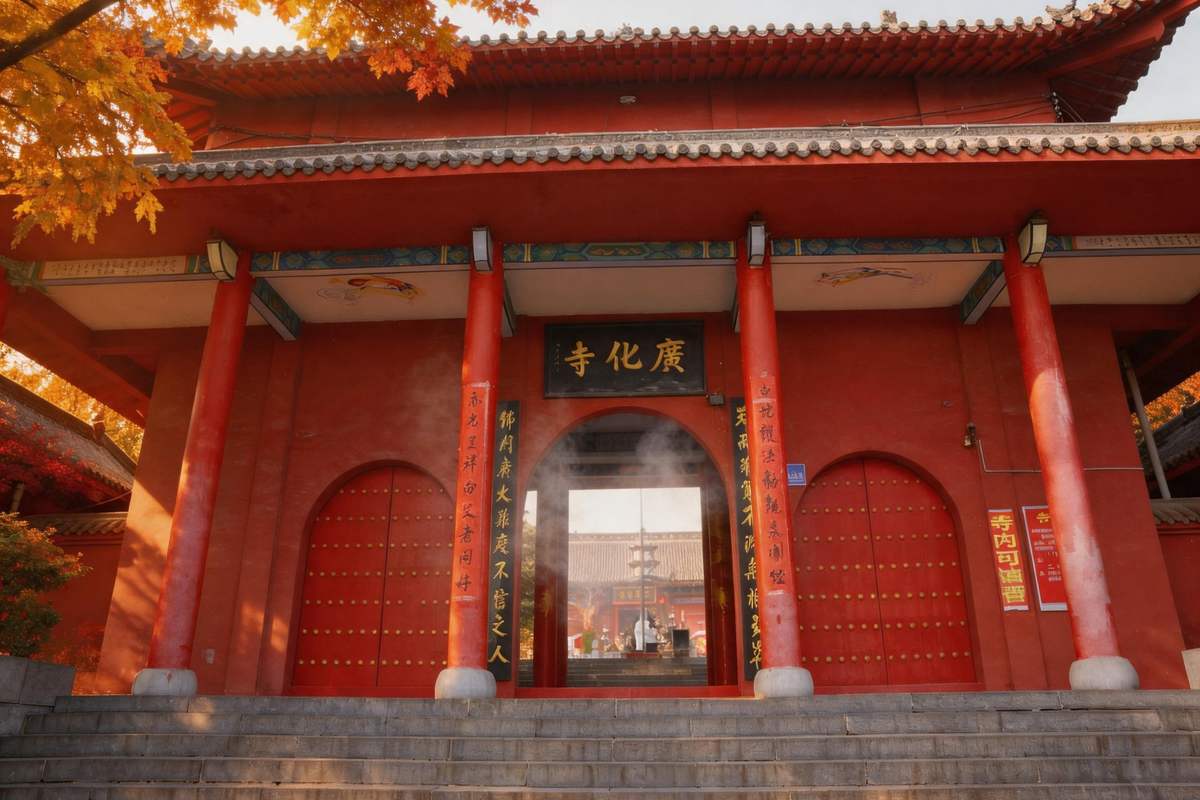
At Longmen Guanghua Temple in Luoyang, Henan Province, the surrounding mountain landscape and Buddhist heritage create a setting where meditation and cultural exploration can become part of the same journey. Located near the famous Longmen Grottoes, the temple is associated with the history of Tang Dynasty Esoteric Buddhism, also known as Tangmi, and is an important destination for visitors interested in the development of Chinese Buddhist traditions. Its historical connections, traditional architecture, and mountain setting provide a distinctive context for exploring the relationship between Buddhism, local history, and the cultural heritage of Luoyang.
A retreat in this environment is not simply about visiting a religious landmark or taking photographs of traditional architecture, because the experience can also provide an opportunity to appreciate a quieter rhythm of life while learning about the traditions that have shaped the temple environment. Visitors can become familiar with the historical background of the site, explore the surrounding cultural landscape, and discover how contemplative practices relate to the broader experience of Chinese Buddhist life.
Through Funzendo, international visitors can explore Chinese Buddhist culture, traditional contemplative experiences, and temple accommodation in Luoyang. Our Chinese Buddhist Culture resources provide an introduction to the historical and cultural background of the region, while our Temple Stay Experience offers an opportunity to learn more about spending time in the atmosphere of a traditional Buddhist temple.
6. Retreats Are Not All About Sitting Meditation
Another common misunderstanding among people who have never attended a retreat is the assumption that the entire experience involves sitting cross-legged with closed eyes for several hours each day. Although traditional seated meditation is an important element of many Buddhist retreat programs, contemplative practice can take different forms depending on the teaching tradition, the experience level of participants, and the objectives of the program. Some retreats focus primarily on Chan Buddhist meditation, while others combine cultural learning, mindful movement, sound experiences, and traditional Chinese wellness practices to introduce different ways of exploring awareness and personal practice.
At Funzendo, different programs provide opportunities to explore these approaches according to individual interests and levels of experience, allowing visitors to choose an activity that suits the kind of experience they are looking for.
Zen Meditation Retreat: This experience introduces participants to traditional Chan Buddhist meditation through guided instruction and a structured daily rhythm, providing an opportunity to become familiar with sitting meditation, concentration, and the cultural background of Chinese Zen traditions. It can be suitable for beginners who want to understand how meditation is practiced within a traditional Chinese Buddhist environment.
Temple Stay Experience: A temple stay offers an opportunity to experience the atmosphere and daily rhythm of a Buddhist temple while becoming familiar with traditional temple accommodation, vegetarian meals, and aspects of Buddhist cultural life. Rather than approaching the temple only as a sightseeing destination, visitors have more time to appreciate the surroundings and explore the relationship between accommodation, cultural learning, and contemplative activities.
Singing Bowl Sound Experience: A guided singing bowl experience introduces participants to the tones and resonance of traditional singing bowls through a structured sound session. The experience provides an alternative way to explore relaxation and sensory awareness, particularly for visitors who are curious about sound-based contemplative activities but may not be familiar with traditional meditation practices.
Zhan Zhuang Practice: Zhan Zhuang, often translated as standing meditation, is a traditional Chinese practice that involves maintaining a stable standing posture while developing awareness of balance, alignment, and physical sensations. Unlike seated meditation, it allows participants to explore concentration through a stationary standing position and can provide an interesting introduction to traditional Chinese body-based practices.
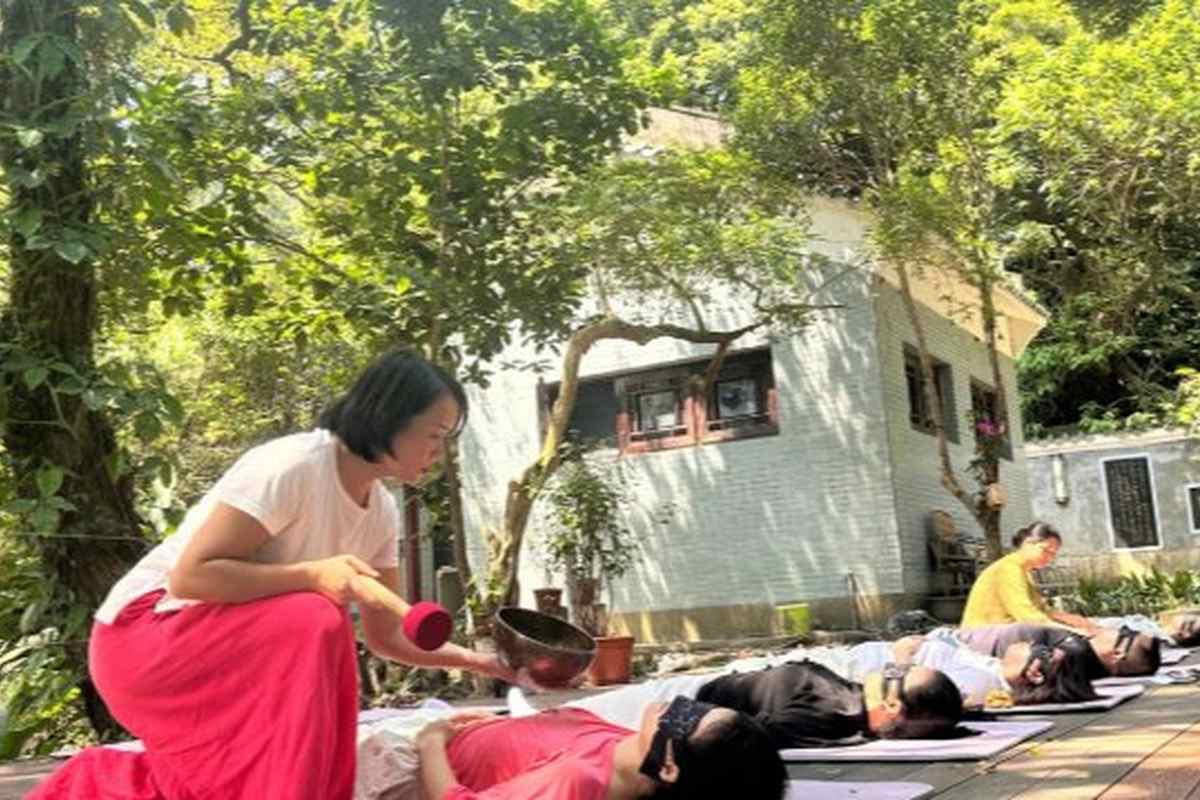
These experiences are not interchangeable, because each has its own cultural background, teaching approach, and intended learning experience. Some are suitable for visitors who simply want to experience a few hours of quiet practice, while others are designed for people who wish to spend several days exploring meditation and traditional Chinese contemplative culture more deeply. If you are interested in understanding the differences before making a decision, you can explore our Meditation & Healing Programs to learn more about the available experiences.
7. How to Decide Whether You Need a Retreat or a Vacation
There is no universal answer to the question of whether a retreat or a vacation is the better choice, because the right experience depends on what you are looking for at this particular point in your life. Your travel interests, available time, personal responsibilities, and preferred way of relaxing can all influence the decision, so it is useful to consider what you genuinely hope to gain before choosing a destination or booking a program.
A vacation may be the better option if:
You have been looking forward to exploring a new country or destination and want to spend your time discovering unfamiliar places, landscapes, and local traditions.
You want to spend meaningful time with family, friends, or a partner through shared activities and experiences that may be difficult to arrange during your normal routine.
You enjoy sightseeing, outdoor activities, shopping, cultural entertainment, and trying different types of food while traveling.
You feel energized by new experiences and social interaction, particularly when you have the freedom to organize your schedule according to your interests.
You simply want a few days away from everyday responsibilities without following a structured program or making personal development the main purpose of your trip.
A retreat may be worth considering if:
You often feel mentally occupied even when you are not working, because unfinished tasks and everyday concerns continue to occupy your attention during your free time.
You find it difficult to enjoy quiet moments without reaching for your phone, opening another application, or looking for something else to occupy your attention.
You have been moving from one responsibility to another without enough time to reflect on your habits, personal priorities, or the way you organize your daily life.
You are interested in meditation but have never had a structured opportunity to learn the basic practices with guidance and a suitable environment.
You want to understand traditional Chinese Buddhist culture through direct experience rather than learning about it exclusively through books, documentaries, or sightseeing tours.
You would appreciate a simpler daily routine that provides more time for reflection, mindful activities, and a more intentional use of your attention.
You do not need to be exhausted, unhappy, or experiencing a major life transition to benefit from attending a retreat, because curiosity and a genuine interest in learning are perfectly reasonable reasons to explore this type of experience. At the same time, a retreat is not a replacement for professional medical or psychological care when such support is needed, and it is important to choose a program that matches your personal circumstances and expectations.
You also do not have to choose between these two types of travel permanently, since some people enjoy combining a cultural holiday with a few days of meditation or temple accommodation, while others prefer to take a conventional vacation one year and explore a retreat the next. The important consideration is understanding what you want your time away to offer and choosing an experience that allows you to enjoy that purpose without unnecessary expectations.
8. Your First Retreat: Start with a Place That Provides Structure
If you have never attended a retreat before, choosing an appropriate first experience can make a significant difference to how comfortable and rewarding the process feels. A program that is too demanding may leave beginners feeling overwhelmed, while an experience without sufficient guidance can make it difficult to understand what to do or how to approach unfamiliar practices. For this reason, first-time participants should look for a retreat that provides a clear introduction, an understandable daily schedule, and enough flexibility to become familiar with the environment gradually.
Before making a reservation, it is worth checking whether the program provides clear information about the daily activities, experienced teachers or guides who can introduce the practices, comfortable and appropriate accommodation, simple meals, and sufficient time for rest between sessions. You should also look for realistic explanations of what the retreat involves rather than relying on exaggerated promises about immediate transformation, because learning meditation and becoming familiar with traditional Buddhist culture are processes that develop through experience and continued practice.
The length of the program is another important consideration, particularly if you are unfamiliar with temple life or structured meditation. A short introductory experience may be enough to discover whether this style of travel suits your interests, while a longer retreat can provide more time to explore the daily rhythm, become familiar with different practices, and develop a deeper understanding of the cultural environment.
At Funzendo, our temple stay and retreat experiences in Luoyang introduce international visitors to Chinese Buddhist culture, meditation, and traditional contemplative practices in the setting of Longmen Guanghua Temple. Rather than assuming that every visitor has the same interests or previous experience, different programs provide different opportunities to explore temple life and meditation according to the type of experience participants wish to pursue.
Whether you are interested in a short introduction to Zen meditation, a traditional temple stay, or a more structured learning experience, the aim is to provide a clear starting point for exploring Chinese Buddhist culture and contemplative practice. You can learn more about our Temple Stay Programs, explore our Meditation & Healing Experiences, or contact our team to discuss which experience may be suitable for your travel plans.
A Different Kind of Time Away
A vacation gives you stories to tell about the places you have visited, the food you have enjoyed, and the experiences you have shared with other people, while a retreat may offer a different perspective on the life you return to after your journey. Neither experience needs to replace the other, because there is a time for adventure, discovery, and celebration just as there is a time for quiet, reflection, and learning to slow down.
Perhaps one of the most surprising lessons of attending a retreat is discovering that doing nothing is not always easy, especially when the distractions that normally occupy your attention are no longer available. Without the usual flow of messages, entertainment, and responsibilities, you may begin to notice how much of your time is spent responding to the outside world rather than consciously experiencing what is happening around you. Although this awareness can initially feel unfamiliar, it also creates an opportunity to reconsider what rest means and how much space you allow yourself in everyday life.
You do not need to achieve perfect silence, empty your mind, or become an experienced meditator to benefit from exploring this kind of experience, because the first step is simply giving yourself permission to pause and become more attentive to the present moment. Whether you choose a short temple stay, an introductory meditation retreat, or a longer cultural learning experience, what matters most is approaching the journey with realistic expectations and an openness to discovering a different way of spending your time.
Sometimes, the most rewarding journey is not necessarily the one that takes you farther away from home or introduces you to the greatest number of new destinations, but the one that helps you return to everyday life with a clearer perspective, a more deliberate use of your attention, and a renewed appreciation for the value of simplicity.
Frequently Asked Questions
What's the difference between a retreat and a vacation?
A vacation generally focuses on changing your surroundings through travel, sightseeing, entertainment, and new experiences, whereas a retreat simplifies your daily routine and creates more opportunities for reflection, meditation, and personal awareness. Although both can provide a break from everyday responsibilities, a retreat places greater emphasis on how you experience your time rather than how many activities you complete during your trip.
Why can a retreat feel harder than a vacation?
Without constant entertainment and external stimulation, you may become more aware of your thoughts, emotions, and familiar habits, which can initially feel uncomfortable if you are accustomed to a busy schedule. As you gradually adjust to a slower rhythm and become more familiar with periods of quiet, you may find it easier to appreciate activities that do not require continuous entertainment or immediate results.
Do I need meditation experience to attend a retreat?
No previous meditation experience is necessary for many beginner-friendly retreats, because introductory programs usually provide guided sessions and clear instructions to help participants become familiar with basic practices. Before booking, it is still advisable to check the program structure and confirm that the level of instruction is suitable for someone who is completely new to meditation.
Will I be bored during a retreat?
Some initial boredom is common, particularly if you are accustomed to filling most of your free time with digital entertainment, social activities, or work-related tasks. However, a retreat is not simply about having nothing to do, because it can include meditation, mindful movement, cultural experiences, walking, reading, and periods of rest that encourage you to experience ordinary activities in a different way.
Is a Buddhist temple retreat suitable for non-Buddhists?
Many Buddhist temple retreat experiences welcome visitors from different cultural and religious backgrounds, allowing them to learn about meditation, traditional temple life, and Chinese Buddhist culture without requiring them to identify as Buddhist. Individual religious activities may have their own participation guidelines, so visitors should check the arrangements in advance if they have questions about specific ceremonies or practices.
How many days should I spend on my first retreat?
A short introductory retreat of two or three days can be a suitable starting point for people who have never experienced this style of travel, because it provides time to become familiar with the daily rhythm, try guided meditation, and experience a quieter environment without committing to an extended program. If you already have meditation experience or want to explore a more structured learning process, a longer retreat may provide additional opportunities for practice and cultural understanding.
Can I combine a vacation with a temple stay?
Yes, many international visitors combine sightseeing and cultural exploration in Luoyang with a temple stay or meditation experience, allowing them to discover historical destinations while also setting aside time for quiet practice. This approach can be particularly appealing if you want to visit the Longmen Grottoes and other cultural landmarks while experiencing a different rhythm of life in a traditional Buddhist temple.
Interested in experiencing a different kind of journey? Explore Funzendo Temple Stay to learn more about traditional temple accommodation and cultural experiences, or contact us to discuss available retreat experiences in Luoyang, China.