Stress Relief Retreat in China: What to Expect from a Temple Stay
A stress relief retreat in a Chinese temple offers a different pace from an ordinary holiday. Instead of filling every hour with sightseeing, shopping, and travel, a temple-based stay can create space for quiet routines, cultural discovery, simple meals, and time away from constant digital demands. Near Luoyang's Longmen Grottoes, visitors can explore a landscape shaped by Buddhist history while learning about contemplative traditions that have developed in China over many centuries.
The appeal is not that a few days away will solve every source of stress. Work pressures, family responsibilities, poor sleep, and the demands of modern travel rarely disappear overnight. Rather, a structured retreat offers a temporary change of environment. With fewer distractions and a more deliberate daily rhythm, it becomes easier to notice habits that are usually overlooked: rushing through meals, checking a phone without thinking, or moving from one obligation to the next without a pause.
For international travellers, a temple stay can also be a cultural experience rather than simply a wellness break. Buddhist architecture, vegetarian food, incense traditions, daily rituals, and the etiquette of sacred spaces provide insight into a way of life that differs from the routines of a city hotel. Understanding what a retreat involves before booking helps you choose an experience that matches your interests, comfort level, and available time.
Why Choose a Temple Stay for Stress Relief?
Modern travel often reproduces the pace people are trying to escape. A packed itinerary may involve early transport, queues, crowded attractions, constant photography, and the pressure to make every moment productive. Even a holiday can become another schedule to manage.
A temple stay takes a different approach. Depending on the programme, the day may include periods of quiet practice, cultural learning, shared meals, walking around the temple grounds, or time to rest. The emphasis is less on collecting experiences and more on giving each activity enough attention to become meaningful.
This change can be useful for people who feel mentally overloaded or who want to examine their everyday routines from a different perspective. A quieter environment may make it easier to recognise how frequently attention is interrupted and how difficult it can be to remain present when several demands compete for attention.
A retreat does not need to be intensive to offer this contrast. Some visitors prefer a short introduction with a few guided activities, while others seek a more structured programme with regular practice and cultural instruction. The right choice depends on your experience, physical comfort, personal interests, and willingness to follow a shared schedule.
For a broader introduction to the relationship between traditional practice and modern stress, read traditional wellness methods for stress relief. These practices can be explored as cultural and personal experiences without assuming that every method works in the same way for every person.
The Daily Rhythm of a Chinese Temple Retreat
One of the most noticeable differences between a retreat and an ordinary holiday is the role of routine. In daily life, schedules are often determined by meetings, transport, notifications, and changing demands. In a structured retreat, activities may follow a more predictable sequence, creating clear transitions between practice, meals, rest, and learning.
The exact timetable varies between temples and retreat programmes. Some Buddhist communities maintain morning and evening ceremonies, while visitor programmes may offer selected opportunities to observe or participate in activities under guidance. Meditation retreats may also include introductory instruction, periods of sitting practice, walking meditation, or talks about Buddhist ideas. These elements should not be assumed to form part of every temple stay; the organiser's current itinerary is the most reliable guide.
For a first-time visitor, the value of a routine lies partly in its simplicity. Rather than deciding constantly what to do next, you can focus on the activity in front of you. A period of quiet practice may be followed by breakfast; a cultural session may lead into an afternoon walk; an evening without a packed entertainment schedule can leave room for reading, reflection, or rest.
The experience can also reveal how much attention is normally given to transitions. Walking from one place to another, washing a bowl, waiting for a meal, or preparing for the next activity may seem unimportant when life is busy. In a slower setting, these ordinary moments become easier to notice.
The intention is not to make every moment solemn or to eliminate conversation. A retreat can include learning, shared activities, and friendly interaction. The difference is that the schedule encourages a more deliberate relationship with time instead of requiring constant stimulation.
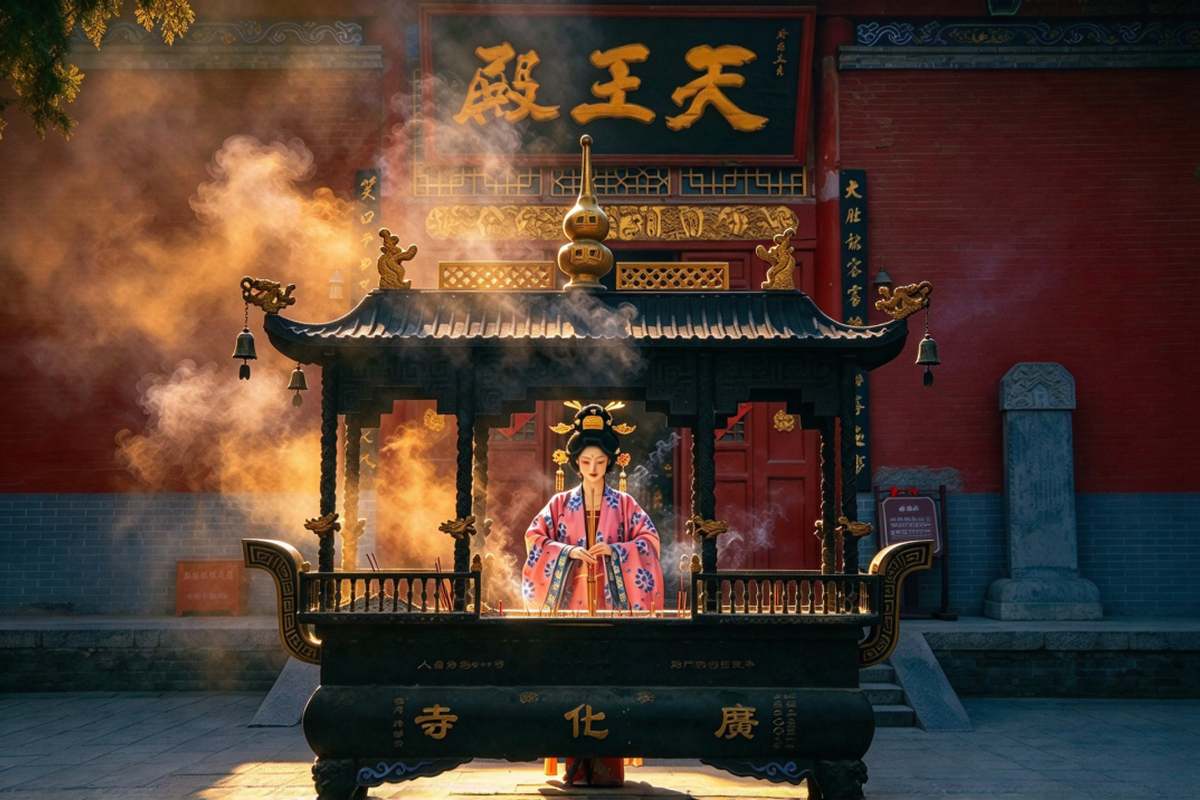
Meditation, Silence, and Learning to Slow Down
Meditation is often associated with sitting perfectly still and keeping the mind empty. In reality, introductory meditation practice is usually more practical. Participants may learn how to find a stable posture, bring attention to breathing, recognise distraction, and return to the chosen focus without harsh self-judgment.
During a retreat, the atmosphere may make it easier to give these skills a little time. There are fewer familiar triggers competing for attention, and a scheduled practice period provides an opportunity to explore stillness without needing to organise it independently.
Silence, where included, should also be understood in context. Some programmes may encourage quiet during specific periods rather than require silence throughout the stay. The purpose is not to make visitors uncomfortable or prevent meaningful questions. It is to create space for observation and reduce unnecessary interruption.
Beginners should check how much sitting practice is expected before selecting an intensive programme. Long periods of sitting can be physically demanding, particularly for people who are unfamiliar with meditation or who have knee, hip, or back discomfort. Ask whether posture guidance, chairs, cushions, movement breaks, or a less intensive option are available.
If you are interested in exploring this aspect of a temple stay, you can visit the Funzendo meditation programme page for relevant information. Review the actual programme details before booking to understand its format, duration, and level of practice.
Vegetarian Meals and the Experience of Eating More Slowly
Food is an important part of daily life in many temple settings. Vegetarian meals may reflect Buddhist dietary customs, local ingredients, practical community traditions, or the format of a particular retreat. The menu varies, so visitors should check what is served rather than assume that every temple follows the same dietary rules.
A simple meal can offer a useful contrast to the way people often eat when they are busy. Instead of eating while reading messages or rushing to the next appointment, a shared meal may provide a natural pause in the day. The flavours, temperature, texture, and preparation of the food become easier to notice when attention is not divided between several tasks.
Traditional Chinese vegetarian cooking is not a single style. Depending on the region and kitchen, meals may include rice or congee, noodles, tofu, seasonal vegetables, legumes, soups, and other plant-based dishes. Some meals are modest and practical; others draw on sophisticated culinary traditions. A temple retreat should not automatically be expected to offer a particular menu, calorie count, or portion size.
For visitors with dietary restrictions, preparation matters. Let the organiser know about allergies, intolerances, religious dietary requirements, or other food-related needs before arrival. Ask whether suitable alternatives can be provided and whether ingredients can be confirmed. Do not assume that a vegetarian kitchen can accommodate every allergy or special diet.
Eating more attentively can be a useful habit to take home, but it should not be presented as a guaranteed treatment for stress or digestive problems. The practical lesson is simpler: meals can become a deliberate pause rather than another task completed while distracted.
Accommodation, Rest, and Everyday Comfort
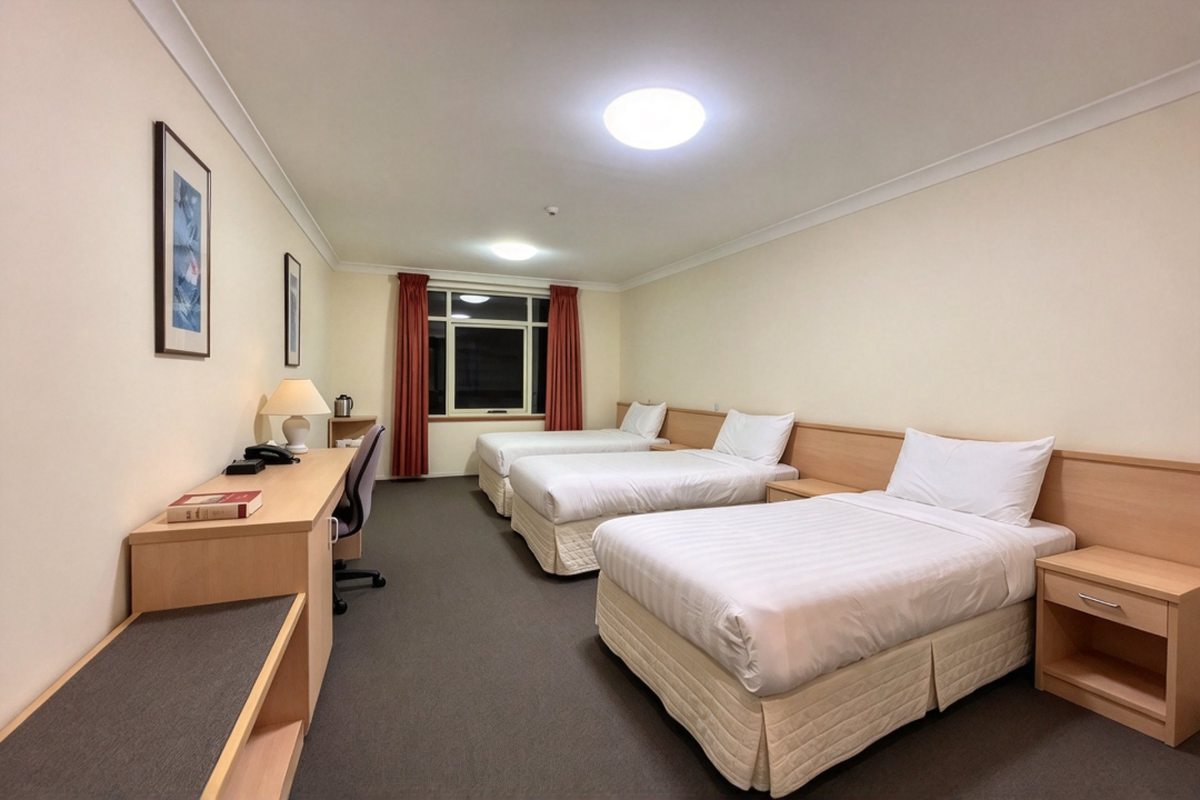
Accommodation is another important consideration when choosing a Chinese temple stay. Some religious communities offer basic visitor accommodation, while other retreat centres provide rooms designed specifically for guests. Facilities can differ considerably in privacy, bedding, bathrooms, heating, accessibility, and the amount of quiet available at night.
It is better to understand these differences before arrival than to assume that a temple stay will resemble either a hotel or a traditional monastic dormitory. Ask whether the accommodation is shared or private, whether bathrooms are en suite, what bedding is supplied, and whether there are particular rules about lights, noise, or evening access.
The physical environment can influence how comfortable you feel. A simple room may suit someone who wants fewer distractions, while another traveller may need greater privacy, accessible facilities, or a more supportive mattress. Neither preference is inherently better. The important point is to choose accommodation that allows you to participate comfortably.
Rest also involves more than the room itself. Travel fatigue, unfamiliar surroundings, changes in meal times, and a different activity schedule can affect sleep. Give yourself time to adjust rather than expecting immediate relaxation on the first night. If the programme includes early starts or intensive practice, consider whether that rhythm is realistic for your current needs.
Before confirming a booking, ask for clear information about the room type, available facilities, meal arrangements, check-in requirements, and what to bring. If you are travelling internationally, confirm the address, transport arrangements, and communication process with the organiser.
Choosing the Right Retreat Length and Level of Practice
Not everyone needs the same retreat format. A short introductory experience may be enough for someone who is curious about Buddhist culture but has little meditation experience. A multi-day retreat may suit visitors who want more time to settle into a routine, while a longer programme generally requires greater preparation and a clearer understanding of its expectations.
A short introduction
A one-day or short introductory programme can help visitors understand the basic environment, learn appropriate etiquette, and try selected contemplative or cultural activities. It may be a sensible starting point for travellers who have limited time or who are uncertain whether a more intensive retreat is suitable.
A multi-day temple stay
A stay of several days offers more opportunity to become familiar with the surroundings and the daily rhythm. Participants may have time to explore cultural practices, take part in scheduled sessions, and experience the difference between a busy travel itinerary and a more deliberate routine.
An intensive retreat
An intensive retreat may involve longer periods of meditation, a more structured timetable, specific participation requirements, or fewer opportunities for independent activities. Before choosing this format, review the schedule carefully and consider your physical comfort, travel recovery, and prior experience. A more demanding programme is not automatically more beneficial for every participant.
When comparing options, look beyond the number of days. Check the amount of guided instruction, whether cultural activities are included, the type of accommodation, meal arrangements, group size if specified, and the language in which sessions are conducted. Clear information makes it easier to choose a retreat for the right reasons rather than relying on broad promises about transformation.
Who Might Benefit from a Temple Retreat?
A Chinese temple retreat may appeal to several kinds of travellers, although their reasons for attending can be very different.
Busy professionals: People who spend much of the day switching between meetings, screens, and responsibilities may appreciate a temporary break from constant notifications and competing demands.
First-time meditation learners: Those who are curious about meditation may value an introduction in a setting where practice is part of a wider cultural environment.
Cultural travellers: Visitors interested in Chinese Buddhist history, temple architecture, vegetarian traditions, and contemplative life may prefer a deeper experience than a brief sightseeing stop.
Solo travellers: A structured programme can offer a clear framework for the day and opportunities to meet others through shared activities, depending on the group format.
People seeking a slower holiday: Travellers who want fewer scheduled attractions may appreciate having time for rest, reflection, and learning at a more measured pace.
A retreat is not suitable for every need or circumstance. It should not be regarded as a substitute for professional treatment for severe or persistent stress, anxiety, depression, sleep disorders, or other health concerns. People with relevant medical or mental health needs should seek appropriate professional advice before choosing an intensive programme.
The best retreat is not necessarily the one with the strictest schedule or the longest duration. It is the one whose expectations, environment, and activities are appropriate for the person attending.
Understanding Temple Etiquette and Cultural Differences
For international visitors, one of the most valuable parts of a temple stay can be learning how to enter and move through a sacred space respectfully. Buddhist temples are not simply historical attractions. Depending on the site, they may remain places of worship, community activity, study, and religious observance.
Visitors should follow the guidance of the temple or retreat organiser. Common considerations include dressing modestly, speaking quietly in designated areas, observing signs about photography, and avoiding disruption during ceremonies. Some spaces may be restricted to particular activities or participants.
It is also important to distinguish between observing a ceremony and taking part in it. If you are unsure whether visitors may join a ritual, make an offering, take photographs, or enter a particular hall, ask before proceeding. Practices vary across temples and Buddhist traditions, so one site's customs should not be assumed to apply everywhere.
Language arrangements deserve attention as well. Do not assume that every retreat provides bilingual schedules, English-speaking instructors, or translation during ceremonies. Confirm the working language before booking and ask whether written instructions or other assistance are available if you need them.
Approaching a temple with curiosity and respect helps make the visit more meaningful. You do not need to share the religious beliefs of the community to appreciate its history, architecture, cultural practices, and daily life.
Exploring Buddhist Heritage Around Longmen, Luoyang
Luoyang is an important destination for visitors interested in the history of Buddhism in China. The Longmen Grottoes, known for their extensive Buddhist rock-cut sculptures and inscriptions, provide a remarkable view of the relationship between religion, artistic production, and imperial history. The wider region also contains temples and historical sites that help visitors understand how Buddhist traditions developed and were expressed across different periods.
A visit to this area can combine heritage exploration with time for cultural learning. Rather than treating every stop as a quick photograph, travellers may choose to spend time understanding the significance of a sculpture, the layout of a temple courtyard, or the way a religious site fits into the surrounding landscape.
For visitors interested in temple culture, a stay connected with a contemplative programme can offer a different perspective from conventional sightseeing. The aim is not to suggest that every historical site provides the same retreat facilities, but to show how cultural travel and reflective activities can complement one another when the itinerary is planned carefully.
Funzendo is associated with Longmen Guanghua Temple in Luoyang and focuses on Zen, meditation, cultural experiences, and holistic wellbeing. If you are planning a visit, explore the Funzendo meditation page and check the available programme information to see which experiences match your interests.
Before finalising travel plans, confirm opening arrangements for heritage sites, local transport, accommodation availability, and the schedule of any retreat activities. Historical sightseeing and participation in a retreat may require separate arrangements, so it is worth checking the details rather than assuming that every activity is included in one package.
Bringing the Experience Back into Everyday Life
The end of a retreat often brings a familiar challenge: how to return to ordinary responsibilities without immediately losing the slower rhythm experienced during the stay. Work messages, travel, family needs, and everyday errands quickly reappear. A realistic approach is to identify a few manageable habits rather than attempting to recreate the entire retreat at home.
One option is to introduce a short pause before beginning a demanding task. Take a comfortable breath, notice your posture, and decide what needs your attention first. Another is to eat one meal without scrolling through a phone, allowing yourself to notice the food and the pace at which you eat.
You could also set aside a brief period for quiet sitting, take a walk without listening to anything, or make a small transition ritual between work and personal time. The habit does not need to be elaborate. A consistent, realistic practice is easier to maintain than an ambitious routine that quickly becomes another obligation.
Some people find it useful to write down a few observations before leaving: which parts of the schedule felt comfortable, which activities were challenging, and what they would like to continue. These notes can help turn a memorable visit into a practical reference for future decisions.
There is no guarantee that a retreat will produce lasting changes in mood, sleep, or stress levels. Any effects vary between individuals and depend on many factors beyond the retreat itself. If stress remains overwhelming after returning home, seeking appropriate professional support may be more helpful than trying to repeat a retreat alone.
Practical Checklist Before Booking a Temple Stay
A little research can help you avoid misunderstandings and choose a programme that fits your travel plans. Before confirming a stress relief retreat, consider the following questions:
Programme: What activities are included, and which are optional or booked separately?
Daily schedule: What time do activities begin and finish? Are there early starts, extended sitting periods, or quiet hours?
Accommodation: Is the room shared or private? What bedding, bathroom facilities, and accessibility arrangements are provided?
Meals: Are meals included? Can dietary requirements or allergies be accommodated?
Language: What language is used for instruction, cultural explanations, and practical communication?
Physical comfort: Are chairs, cushions, movement breaks, or alternative postures possible during practice?
Temple etiquette: Are there particular rules for clothing, photography, ceremonies, or access to religious spaces?
Transport: How do you reach the site, and what arrangements are needed for arrival and departure?
Price and cancellation: What is included in the fee, and what are the payment, change, and cancellation conditions?
Clear answers to these questions are more useful than broad claims that a retreat will transform your life. They help you understand what you are booking and prepare for the experience with realistic expectations.
Frequently Asked Questions
How long should a stress relief retreat last?
There is no ideal duration for everyone. A short introductory programme may suit first-time visitors, while a multi-day stay gives more time to become familiar with the environment and routine. Intensive or longer retreats require more preparation. Choose according to your available time, physical comfort, and the actual programme offered.
Do I need meditation experience before staying at a Buddhist temple?
Not necessarily. Some programmes are designed for beginners and include introductory guidance. Others may expect participants to have previous experience or follow a more demanding schedule. Check the requirements before booking rather than assuming that every temple stay is suitable for first-time meditators.
Are vegetarian meals always included?
No. Meal arrangements depend on the venue and package. Some retreat programmes include vegetarian meals, while other stays may have different arrangements. Confirm the menu, meal times, and any additional costs before arrival, especially if you have allergies or dietary restrictions.
Will English instruction be available?
Language support varies by programme and date. Do not assume that English instruction or translation will always be available. Ask the organiser which languages are used for teaching, daily instructions, and cultural activities before confirming your booking.
How much does a temple retreat in China cost?
Prices depend on the duration, accommodation type, meals, instruction, included activities, and other arrangements. Compare what each programme includes rather than looking at the headline price alone. Check the current official booking information for the actual rate, payment conditions, and cancellation policy.
Can a temple retreat replace professional stress treatment?
No. A retreat may provide a change of environment and an opportunity to explore contemplative practices, but it is not a substitute for appropriate medical or mental health care. If stress is persistent, severe, or affecting your ability to function, seek advice from a qualified healthcare professional.
What should I pack for a temple stay?
Comfortable, modest clothing, suitable walking shoes, personal toiletries, any necessary medication, and weather-appropriate layers are sensible starting points. Bedding, towels, and other facilities vary, so ask the organiser what is supplied before packing. A notebook may be useful if you want to record cultural observations or personal reflections.
Discover a Different Pace with Funzendo
A temple stay offers an opportunity to approach travel differently. The experience may involve learning about Buddhist culture, exploring historic surroundings, sharing simple meals, or setting aside time for contemplative practice. Its value lies not in a promise of instant transformation, but in the chance to step outside familiar routines and discover which parts of a slower rhythm are meaningful to you.
For travellers exploring Luoyang and the Buddhist heritage of the Longmen area, Funzendo provides a starting point for discovering meditation and cultural experiences connected with the local setting. Review the current programme details, confirm the arrangements that matter to you, and choose an experience that fits your interests and needs.
Explore the meditation experiences at Funzendo to learn more about available options. With realistic expectations and thoughtful preparation, a temple stay can become a memorable way to experience Chinese culture while making room for quiet, reflection, and a more deliberate pace of life.