The Art of Chinese Incense: Ancient Craftsmanship, Cultural Heritage and Immersive Experiences in Luoyang
Across China’s long cultural history, incense has occupied a place that extends far beyond fragrance. It has been associated with literary gatherings, traditional medicine, religious ceremonies, personal study, hospitality, and the appreciation of everyday life. In different periods and social settings, fragrant materials have helped shape the atmosphere of temples, scholars’ studios, tea gatherings, and traditional cultural events.
Today, as international travelers increasingly look for meaningful cultural experiences rather than sightseeing alone, traditional Chinese incense offers an intriguing way to explore the relationship between craftsmanship, aesthetics, history, and daily practice. From identifying aromatic materials to arranging incense ash and creating intricate incense patterns, this tradition reveals a side of Chinese heritage that is best understood through careful observation and hands-on learning.
In Luoyang, Henan Province, the historic setting of Longmen Guanghua Temple provides a meaningful context for discovering Chinese Buddhist heritage and traditional cultural practices. Through its cultural learning and retreat offerings, Funzendo provides visitors with opportunities to explore traditional Chinese arts in a setting connected with the history and living traditions of the Longmen area.
Understanding incense culture does not require previous experience. For curious travelers, art enthusiasts, and visitors interested in Chinese traditions, it can be an accessible introduction to the details, techniques, and cultural ideas that have shaped this practice over centuries.
Chinese Incense Culture: More Than a Pleasant Fragrance
Fragrance has played different roles in Chinese society throughout history. Aromatic materials were used in religious settings, incorporated into traditional approaches to managing the living environment, and appreciated for their distinctive sensory qualities. Incense also became part of the cultural world of scholars and literati, where fragrance could accompany reading, calligraphy, painting, poetry, and gatherings with friends.
These uses were not identical. Incense burned during a Buddhist ceremony might serve a different purpose from fragrance appreciated in a scholar’s studio. Household aromatic practices could differ from those used in formal cultural gatherings. Understanding these distinctions is important because Chinese incense culture developed through many overlapping traditions rather than one single, unchanging ritual.
In Buddhist settings, incense is commonly associated with offerings, reverence, and the expression of respect. In traditional artistic settings, the appreciation of fragrance may emphasize the character of the material, the quality of its aroma, and the atmosphere it creates. In both contexts, the preparation and use of incense can involve attention to sequence, cleanliness, appropriate materials, and established customs.
For contemporary visitors, this variety makes incense an especially interesting subject. It connects tangible elements, such as aromatic wood, powders, utensils, and ash, with less tangible cultural ideas, including etiquette, symbolism, patience, and aesthetic judgment.
Rather than viewing incense simply as a product to purchase, visitors can explore the knowledge behind its preparation and use. This shift from consumption to understanding is one of the reasons traditional craft experiences have become an appealing part of cultural travel.
From Aromatic Materials to Traditional Craftsmanship
Traditional incense making involves more than combining ingredients that smell pleasant. The characteristics of the materials, their preparation, their proportions, and the intended form of the finished incense can all influence the result. Different traditions may use different ingredients and methods, and techniques vary according to the type of incense being produced.
Aromatic woods, plant-based ingredients, and other fragrant materials have been used in different incense traditions. Their properties are not interchangeable. Some are valued for their distinctive aroma, while others contribute to the structure, texture, or burning characteristics of an incense preparation. The source and quality of materials also matter, particularly when considering authenticity and responsible sourcing.
The preparation process may involve sorting, grinding, measuring, mixing, shaping, drying, and storing materials. Each stage requires attention to detail. Powders that appear similar can behave differently when mixed, while moisture, texture, and the proportions of ingredients may affect the consistency of the finished product.
For someone encountering incense making for the first time, these steps reveal the practical knowledge behind an apparently simple object. They also demonstrate why traditional craftsmanship cannot always be understood through photographs or finished products alone.
Why the Process Matters
Handcraft traditions preserve more than a sequence of physical actions. They also preserve ways of observing materials, judging quality, handling tools, and learning through repetition. A skilled practitioner may recognize differences in texture or consistency that are difficult to explain entirely through written instructions.
For this reason, a well-designed cultural workshop should provide context as well as demonstration. Participants benefit from understanding what each stage is intended to achieve, why particular tools are used, and how the technique relates to the broader tradition.
These details can transform a short activity into a more memorable learning experience. Visitors leave not simply knowing what an incense object looks like, but with a clearer appreciation of the decisions and skills involved in making it.
The Art of Xiang Zhuan: Understanding Chinese Incense Seals
One particularly distinctive expression of traditional incense culture is xiang zhuan, commonly associated with the creation of patterned incense trails using incense powder and a prepared mold. The practice is often described in English as incense seal making or incense seal culture.
In a traditional incense seal arrangement, fine incense powder is carefully placed into a pattern formed with a specialized mold. The powder is distributed and leveled to create a continuous trail that can be lit according to the relevant method. Depending on the design and tradition, the resulting pattern may form geometric lines, decorative motifs, or more elaborate arrangements.
The process requires a steady hand and a methodical approach. The mold must be positioned correctly, the powder distributed evenly, and the pattern handled carefully so that the intended trail remains connected. Small mistakes can interrupt the design or affect how the incense burns.
For visitors accustomed to modern, ready-made fragrance products, incense seal making introduces a different relationship with scent. Fragrance becomes something prepared through a deliberate sequence of actions, combining material knowledge, visual design, and practical technique.
The finished pattern also has an aesthetic dimension. Before the incense is lit, its lines and shapes can be appreciated as a crafted arrangement. Once burning begins, the design gradually changes, and the experience becomes temporary. This combination of careful preparation and impermanence provides a compelling subject for cultural interpretation.
However, incense seal traditions should not be reduced to a single universal method. Designs, materials, and procedures can differ between practitioners and cultural contexts. A workshop should explain the specific technique being taught rather than suggest that every incense tradition follows exactly the same process.
What Beginners Can Learn from an Incense Seal Workshop
A guided introductory session can help participants understand the basic structure of an incense seal, become familiar with the tools, and observe how powder is placed and shaped. Depending on the workshop, participants may have the opportunity to create a simple pattern themselves.
For beginners, the most valuable part is often learning to recognize the relationship between preparation and outcome. The activity encourages attention to small details: how the powder moves, how pressure affects the pattern, how the mold is lifted, and why a continuous trail matters.
These practical discoveries make the tradition easier to understand than a description alone. They also create a tangible point of connection with Chinese craft heritage, especially for visitors who enjoy calligraphy, ceramics, traditional design, or other forms of hands-on cultural learning.
Incense and the Aesthetics of Traditional Chinese Life
Traditional Chinese culture frequently places importance on the relationship between objects, their surroundings, and the way people interact with them. In a traditional study, the arrangement of writing materials, the choice of tea utensils, and the presence of fragrance could contribute to the atmosphere of the room. Such details were not necessarily decorative additions; they could form part of a broader approach to cultivated daily life.
Incense appreciation belongs to this wider cultural landscape. Its significance can be explored alongside tea culture, calligraphy, painting, flower arrangement, and other traditional arts. Each practice has its own history and technical requirements, yet they can share an interest in materials, proportion, etiquette, and the quality of attention given to an activity.
For international visitors, these connections offer a way to understand Chinese aesthetics through concrete examples. Instead of approaching culture as a list of historical dates or artistic styles, participants can discover how particular objects are handled, arranged, and appreciated.
Consider the difference between seeing a traditional incense utensil in a photograph and observing how it is prepared for use. In the first situation, the viewer primarily receives visual information. In the second, the sequence of actions reveals practical knowledge, conventions, and the relationship between the object and the people using it.
The same principle applies to traditional tea preparation. The selection of utensils, the handling of leaves, the control of water, and the order of preparation all contribute to the experience. When tea and incense are introduced together, visitors can explore two complementary expressions of Chinese material culture without assuming that they are identical traditions.
At Funzendo, travelers interested in this connection can explore the Incense, Tea and Singing Bowl Culture Retreat to learn more about a program that brings several traditional cultural interests together. Prospective participants should review the published itinerary and confirm the activities included in their chosen dates.
Why Traditional Craft Experiences Appeal to Cultural Travelers
Cultural travel is not limited to visiting famous sites. It can also involve learning how an object is made, discovering the meaning of a custom, or understanding the skills that allow a tradition to continue. These experiences can add depth to a journey because they connect a destination with the knowledge and practices associated with it.
Learning Something You Can Remember
Hands-on activities create a different kind of travel memory. A visitor may forget some details from a busy day of sightseeing, but the experience of carefully shaping an incense pattern or preparing tea can remain vivid. The memory is connected not only with what was seen, but also with what was attempted and learned.
This does not mean every workshop must produce a perfect finished object. For beginners, the opportunity to understand the process and recognize the challenges involved may be more valuable than achieving a flawless result.
Discovering the Knowledge Behind Traditional Objects
Traditional crafts often contain practical knowledge that has developed through repeated use and observation. Materials behave in particular ways, tools are designed for specific purposes, and techniques are adjusted according to the desired outcome.
Learning about these relationships helps travelers appreciate the difference between a handmade object and a mass-produced imitation. It can also encourage more informed questions about provenance, craftsmanship, and the responsible preservation of traditional skills.
Connecting with Culture Through Conversation
Small-group cultural learning can create opportunities to ask questions that might not arise during a standard sightseeing visit. Participants may want to understand how a technique developed, how it differs from related practices, or how traditional arts are maintained in contemporary life.
These conversations are especially useful when instructors explain both the historical background and the limits of what is known. Chinese traditions have evolved across regions and historical periods, so accurate cultural education should acknowledge variation rather than present every practice as unchanged since ancient times.
Finding a More Personal Travel Pace
A practical cultural activity also offers a different rhythm from a tightly scheduled itinerary. Instead of moving quickly between attractions, participants can devote time to a single subject and notice details they might otherwise overlook.
For some travelers, this slower format is attractive because it provides a balance between exploration and focused learning. Others may simply enjoy the opportunity to try a traditional art in a setting that gives it historical context.
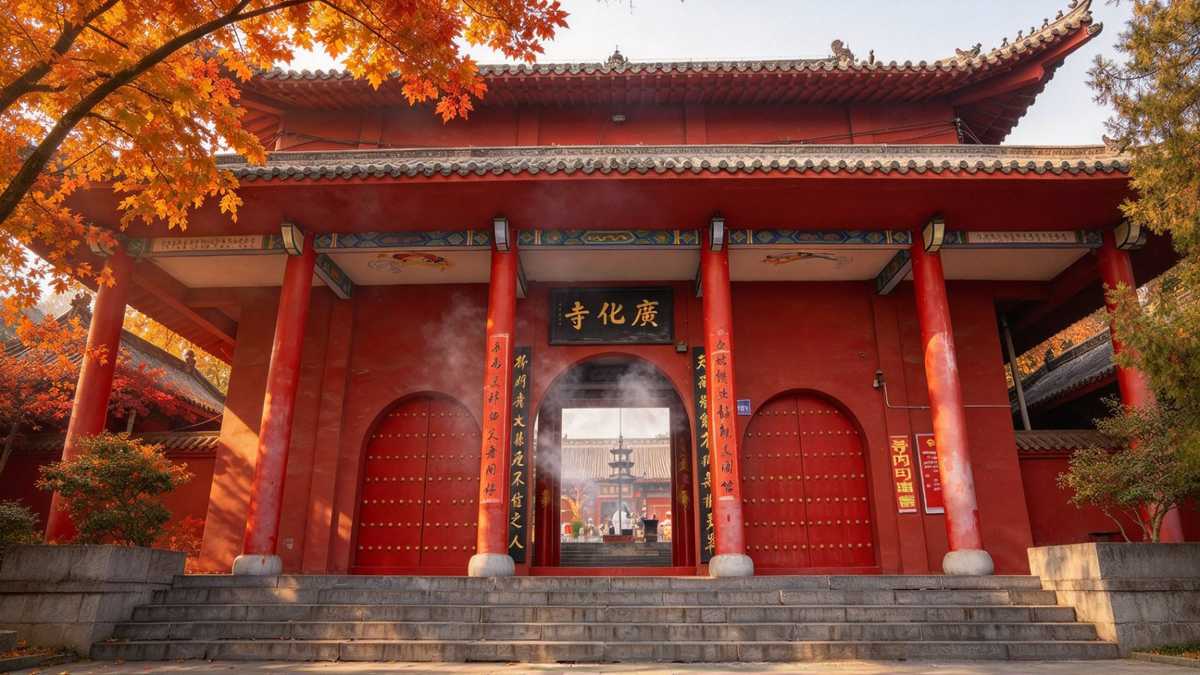
Luoyang: A Meaningful Destination for Exploring Chinese Heritage
Luoyang is one of China's historically significant cities, with cultural sites that reflect different periods of Chinese history. Among its best-known attractions are the Longmen Grottoes, whose Buddhist carvings and inscriptions provide an important record of religious art and cultural exchange.
Close to this wider historical landscape, Longmen Guanghua Temple offers another perspective on the area's Buddhist heritage. The temple is associated with Tang Dynasty Esoteric Buddhism and the transmission of Buddhist teachings. Its location creates an opportunity for visitors to consider the relationship between religious sites, local history, and the traditions that continue to shape their cultural identity.
For travelers interested in incense, the setting can provide useful historical context. Incense has long been associated with Buddhist offerings and religious environments, although the specific meanings and procedures vary by tradition. Understanding this context helps visitors distinguish between incense used as a religious offering and incense explored primarily as a traditional craft.
A visit to a historic temple should not, however, be treated as a staged cultural performance. Temples remain religious environments, and visitors should follow local rules, respect worshippers, and ask before photographing ceremonies or entering restricted spaces.
Travelers can also benefit from planning their cultural activities around the wider Longmen area. The Longmen Grottoes and a temple-based cultural experience serve different purposes, so sufficient time should be reserved for each rather than trying to fit every activity into an overly compressed schedule.
Combining Cultural Learning with a Temple Stay
For visitors who want more than a brief workshop, a temple stay may provide additional time to become familiar with the surroundings and participate in scheduled cultural activities. The appropriate format depends on the program, its accommodation arrangements, and the activities available during the visit.
A longer stay should not automatically be assumed to include every cultural practice. Travelers should check which sessions are scheduled, whether participation is optional, what language support is available, and whether the program is designed for beginners or experienced practitioners.
Those interested in exploring options at Funzendo can review its cultural activities and experiences before planning their visit. Confirming the details in advance helps travelers select an experience that matches their interests, schedule, and expectations.
Incense, Tea and Sound: Exploring Different Cultural Sensory Traditions
Incense is one way to approach traditional Chinese culture through the senses, but it is not the only one. Tea and sound-based activities can introduce other dimensions of cultural experience, each with its own materials, techniques, and background.
Tea preparation involves attention to water, leaves, utensils, and the sequence of actions. Participants can learn how these elements influence the preparation and presentation of tea, while discovering the etiquette and aesthetics associated with particular tea traditions.
Sound-based cultural activities offer another point of exploration. Singing bowls and other sound instruments can be introduced through their physical characteristics, playing techniques, and role within a guided session. The cultural background and method of use should be explained clearly, without making unsupported promises about medical benefits or assuming that every participant will experience sound in the same way.
When these subjects are brought together in a structured program, visitors can compare different approaches to traditional materials and sensory experience. Incense emphasizes fragrance and preparation, tea combines taste with hospitality and technique, and sound activities invite attention to vibration, rhythm, and listening.
For international travelers, this combination can provide a broader introduction to Chinese cultural experiences than a single activity alone. It is particularly suitable for those who enjoy traditional craftsmanship and want to explore several related subjects during a visit to Luoyang.
To see whether this format matches your interests, visit the Incense, Tea and Singing Bowl Culture Retreat page and review the program details before making a reservation.
How to Choose an Authentic Incense Culture Workshop
As interest in traditional crafts grows, travelers may encounter a wide range of activities described as incense ceremonies, incense workshops, or traditional fragrance experiences. These labels can refer to very different formats, so it is worth looking beyond the name when deciding which activity to book.
Understand What You Will Actually Do
Some sessions focus on fragrance appreciation and the identification of aromatic materials. Others demonstrate traditional tools or explain the historical background of incense in religious and cultural settings. Hands-on workshops may involve preparing materials or making a simple incense pattern.
Before booking, ask which of these activities is included. If you specifically want to learn incense seal making, confirm that the session covers xiang zhuan rather than assuming that every incense workshop includes this technique.
Look for Clear Cultural Explanations
A meaningful workshop should explain the origin and context of the practice being taught. This does not require a lengthy academic lecture, but it should help participants understand what they are doing, why particular materials or tools are used, and how the activity relates to a broader cultural tradition.
Be cautious about descriptions that make sweeping claims about ancient origins without supporting historical context. Traditional practices can evolve, and responsible cultural education should distinguish documented history from modern interpretation.
Check Materials and Safety
Incense activities involve aromatic substances and, in some formats, burning materials. Visitors should ask what ingredients are used and whether alternatives are available for people sensitive to fragrance or smoke. Anyone with relevant allergies or respiratory sensitivities should assess the suitability of the activity before participating.
Burning incense requires appropriate ventilation, a stable heat-resistant surface, and supervision where necessary. Participants should follow the instructor's safety guidance and local rules, particularly in temple environments where open flames may be restricted.
Confirm Language, Duration and Group Size
International visitors should confirm whether explanations are available in English or another language they understand. It is also useful to know the duration, group size, booking requirements, and whether tools and materials are included.
These practical details can make a substantial difference to the experience. A program that matches a traveler's available time and learning goals is more likely to provide a satisfying introduction than one selected solely because its photographs look appealing.
Supporting the Continuation of Traditional Cultural Knowledge
Traditional craftsmanship continues when knowledge can be passed from experienced practitioners to new learners. Demonstrations, workshops, educational programs, and responsible cultural tourism can all help introduce traditional arts to people who might otherwise have little opportunity to encounter them.
However, cultural preservation involves more than reproducing an attractive visual result. It also requires respect for the origins of a practice, careful explanations of its meaning, and recognition of the people who maintain its techniques.
In the case of incense culture, this means distinguishing between different traditions, understanding the intended use of materials, and avoiding the assumption that every incense practice is religious or that every fragrant product represents an authentic historical method.
For visitors, learning respectfully can begin with simple questions: Where does this technique come from? What are the materials? How has the practice changed? What should a participant understand before trying it? These questions help turn a short cultural activity into a more informed encounter with living heritage.
For cultural organizations and educators, the challenge is to make traditional knowledge accessible without removing the context that gives it meaning. A carefully structured workshop can introduce beginners to the basic process while acknowledging that mastery requires time, practice, and deeper study.
This balance between accessibility and authenticity is particularly important in international cultural exchange. Visitors should be welcomed as learners, while the complexity and diversity of Chinese traditions remain visible rather than being simplified into a single image.
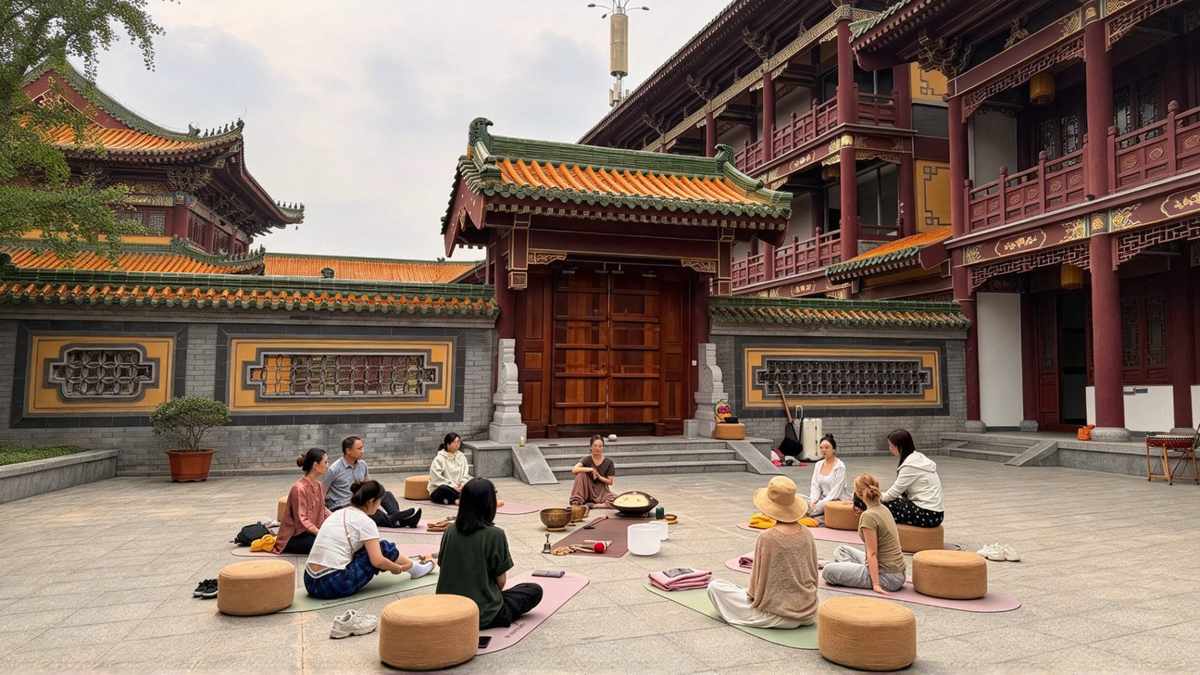
Planning Your Chinese Cultural Experience at Funzendo
For travelers planning a visit to Luoyang, Funzendo offers a starting point for exploring Chinese Buddhist heritage and traditional cultural activities in the Longmen area. Its range of experiences allows visitors to investigate different interests, from traditional arts and cultural learning to meditation and longer retreat formats.
The best starting point depends on what you hope to gain from your visit. Travelers with limited time may prefer a focused cultural activity. Those interested in several traditional arts may wish to explore a combined program. Visitors with a deeper interest in Buddhist heritage may want to consider how a temple-based experience fits into a broader itinerary around Luoyang.
It is helpful to identify your priorities before making contact. Do you want to learn a practical craft? Understand the cultural background of incense? Explore tea and traditional etiquette? Or spend more time in a historic religious setting? Clear goals make it easier to identify a suitable program and ask the right questions.
For First-Time Visitors
If this is your first introduction to Chinese incense culture, begin by looking for a program that explains the materials, tools, and cultural background without requiring previous knowledge. Ask whether the session includes hands-on practice and whether the instructor can explain the steps in English.
For Travelers Interested in Several Traditions
If you are curious about incense, tea, and sound-based activities, a combined cultural program may be worth considering. Review the itinerary carefully so you understand how much time is devoted to each subject and whether the activities are demonstrations, guided practice, or a mixture of both.
For Visitors Planning a Longer Stay
A longer cultural stay can offer additional time to explore the setting and participate in scheduled activities. Before booking, confirm accommodation, meals, the daily schedule, arrival arrangements, and any restrictions that may apply to activities within the temple environment.
For further information, explore the Incense, Tea and Singing Bowl Culture Retreat and the wider range of Funzendo cultural experiences. Check the latest program descriptions and contact the team to confirm availability, dates, language support, and the details of your preferred activity.
Conclusion: Discover the Meaning Behind the Fragrance
Chinese incense culture offers a distinctive way to explore the connections between traditional craftsmanship, aesthetic appreciation, religious heritage, and everyday life. From the preparation of aromatic materials to the careful arrangement of an incense seal, each stage can reveal knowledge that is not immediately apparent from the finished object.
For international travelers, taking part in a guided cultural experience can turn this knowledge into something tangible. It offers the opportunity to ask questions, try traditional techniques, and understand the background of a practice within its cultural setting.
Luoyang provides a compelling place to begin this exploration, bringing together the history of the Longmen Grottoes, the heritage of Longmen Guanghua Temple, and opportunities to encounter traditional Chinese arts. At Funzendo, visitors can explore cultural learning options according to their interests, available time, and preferred level of participation.
A meaningful cultural journey does not require mastering an ancient craft in a single session. It begins with curiosity, develops through careful observation, and grows when visitors take the time to understand the stories and skills behind what they encounter.
Explore traditional Chinese culture in Luoyang: Discover the Incense, Tea and Singing Bowl Culture Retreat or browse Funzendo's cultural activities to find an experience that fits your interests. Confirm the current itinerary and availability before booking.