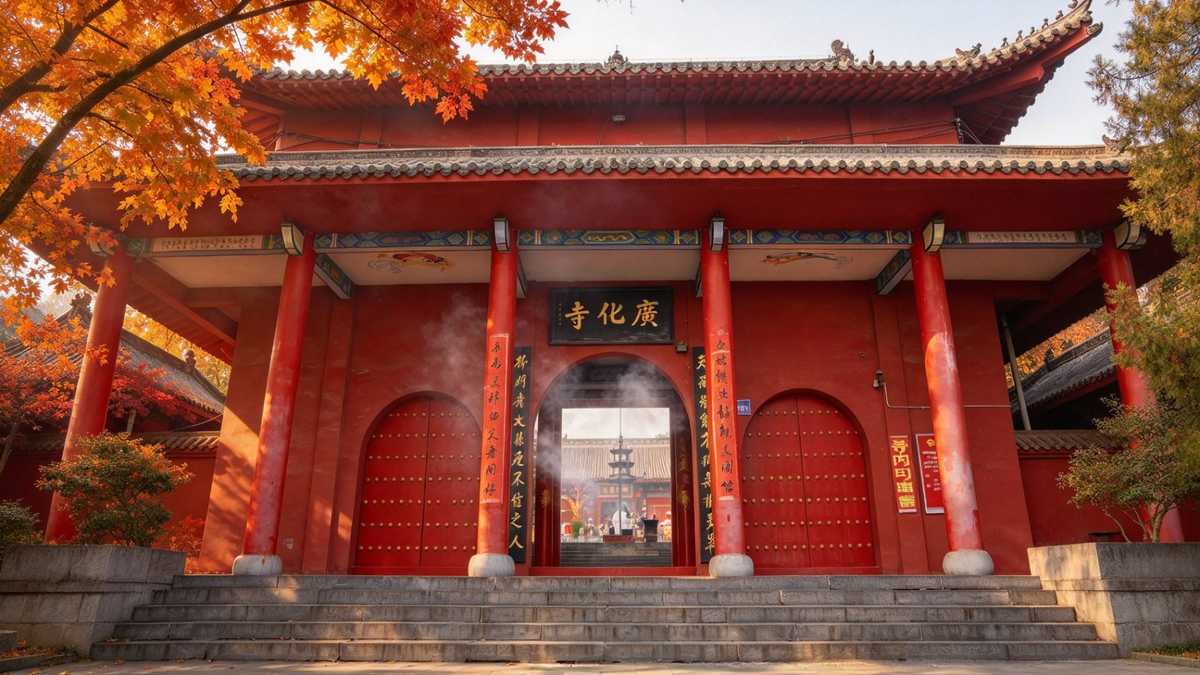
 A Traditional Festival Rooted in Autumn
As autumn deepens across China, the Double Ninth Festival, known in Chinese as Chongyang Jie, offers an opportunity to explore the relationship between seasonal change, family traditions, and wellbeing.
Celebrated on the ninth day of the ninth month of the traditional Chinese lunar calendar, the festival has a long cultural history. Its customs include climbing to higher ground, appreciating chrysanthemums, and spending meaningful time with family. In contemporary China, it is also associated with respect and care for older generations.
In 2026, the festival falls on October 18. For international visitors, the days leading up to Chongyang provide a timely introduction to a tradition that brings together Chinese philosophy, seasonal customs, and reflections on longevity.
Why Mountains Matter in Chinese Culture
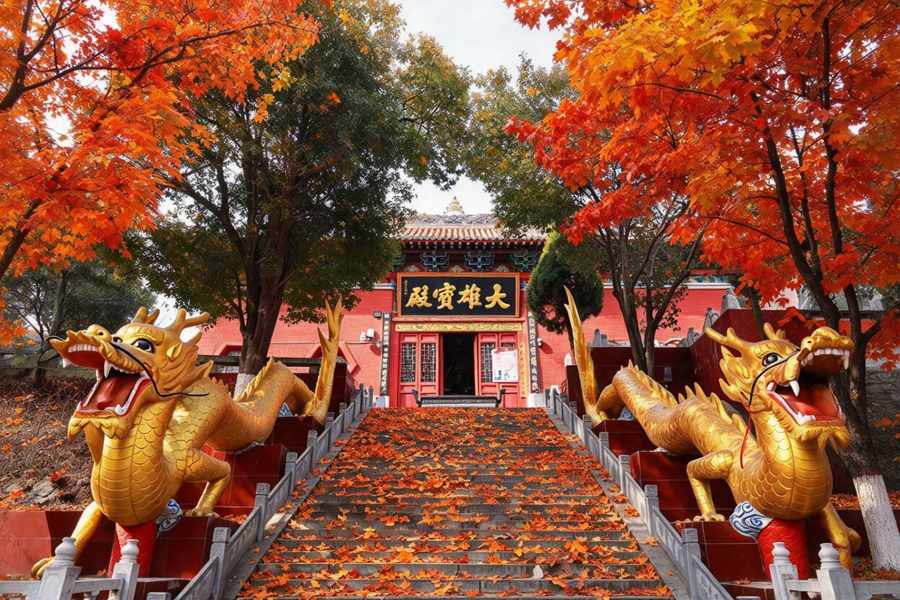
Mountain climbing is one of the best-known customs associated with the Double Ninth Festival. Traditionally, people have climbed hills and mountains to enjoy the autumn landscape and mark the changing season.
Mountains also occupy an important place in Chinese religious and philosophical traditions. Buddhist monasteries and Daoist temples have developed in mountain settings for centuries, where the surrounding landscape forms part of the experience of pilgrimage and contemplative practice.
For travelers interested in Chinese spiritual heritage, visiting a mountain temple can offer more than a scenic excursion. It provides an opportunity to learn about local history, observe religious customs respectfully, and understand how landscape and spiritual life have influenced one another.
Funzendo's pilgrimage experiences connect visitors with Buddhist and traditional cultural destinations in China, offering a way to explore these traditions beyond the familiar routes of conventional sightseeing.
Chrysanthemums, Seasonal Living, and Longevity
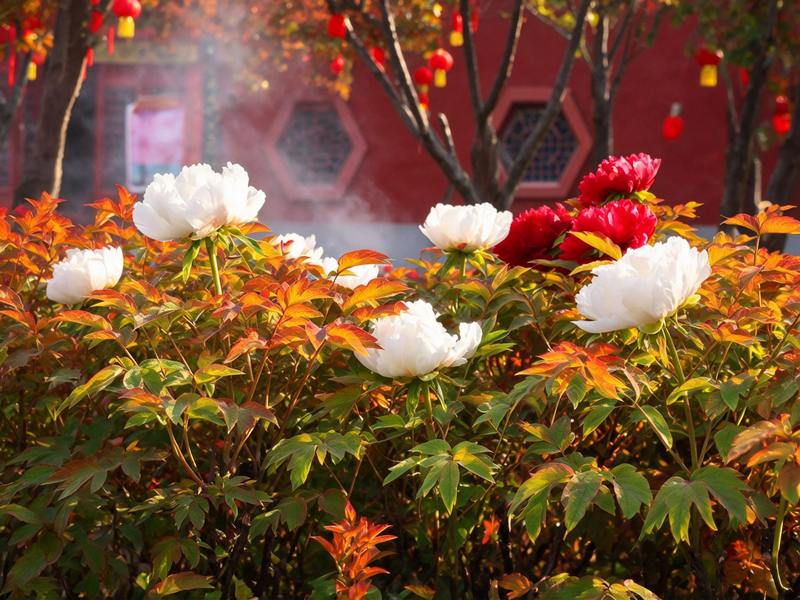
Chrysanthemums are closely associated with the Double Ninth Festival. Their autumn flowering has made them a recurring symbol in Chinese poetry, painting, and seasonal culture.
The festival's association with longevity also reflects a broader Chinese cultural interest in maintaining balance throughout life. Traditional approaches to wellbeing often emphasize adapting daily routines to the seasons, eating appropriately, maintaining regular movement, and cultivating a calmer state of mind.
These cultural ideas should not be confused with a promise of medical results. Rather, they offer a perspective on wellbeing that considers daily habits, the natural environment, and the relationship between body and mind.
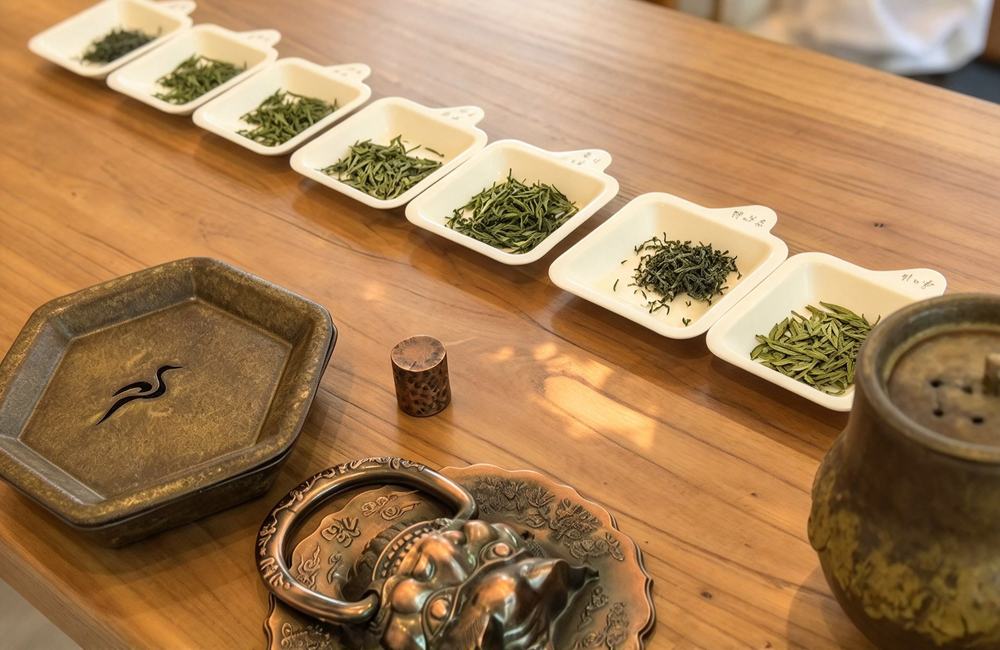
At Funzendo, visitors can explore aspects of this heritage through traditional Chinese wellness experiences, mindful movement, meditation, tea culture, and medicinal food traditions, depending on the program selected.
Respect for Elders: The Festival's Enduring Meaning
The Double Ninth Festival is also an occasion to express gratitude and care for older family members. In modern China, its emphasis on respecting older generations has become an important part of its cultural meaning.
This tradition offers an insight into a broader principle in Chinese culture: wellbeing is not solely an individual pursuit. It is also connected with family relationships, community responsibility, and the way people care for one another across generations.
For visitors learning about Chinese culture, understanding Chongyang means looking beyond its seasonal customs to the values that have allowed the festival to remain meaningful in contemporary life.
Experience Chinese Cultural Heritage with Funzendo
The Double Ninth Festival provides a starting point for discovering the many connections between Chinese Buddhist heritage, traditional philosophy, seasonal customs, and everyday wellbeing.
Based in the cultural landscape of Longmen in Luoyang, Funzendo introduces international visitors to Zen meditation, Chinese tea culture, traditional wellness practices, and pilgrimage experiences at destinations across China.
Whether you are interested in exploring historic temples, learning meditation, or discovering traditional approaches to seasonal living, these experiences offer opportunities to engage with Chinese culture in a more thoughtful and immersive way.
As October 18 approaches, the Double Ninth Festival invites us to appreciate the autumn landscape, reconnect with family and community, and reflect on what a balanced and meaningful life can look like.
Explore more: Zen Meditation | Cultural Activities | Funzendo Cultural Experiences