Chinese Medicine Definition
Chinese Medicine is a traditional health system that brings together herbal knowledge, dietary principles, bodywork, breathing practices, diagnostic methods, and everyday lifestyle guidance. In international trade, the term can refer to raw botanicals, prepared herbal formulas, wellness teas, topical products, acupuncture equipment, educational services, or non-medical cultural experiences. Buyers should define the exact category before discussing export documents. A herbal tea, cosmetic balm, and prescription formula may each be subject to very different rules.
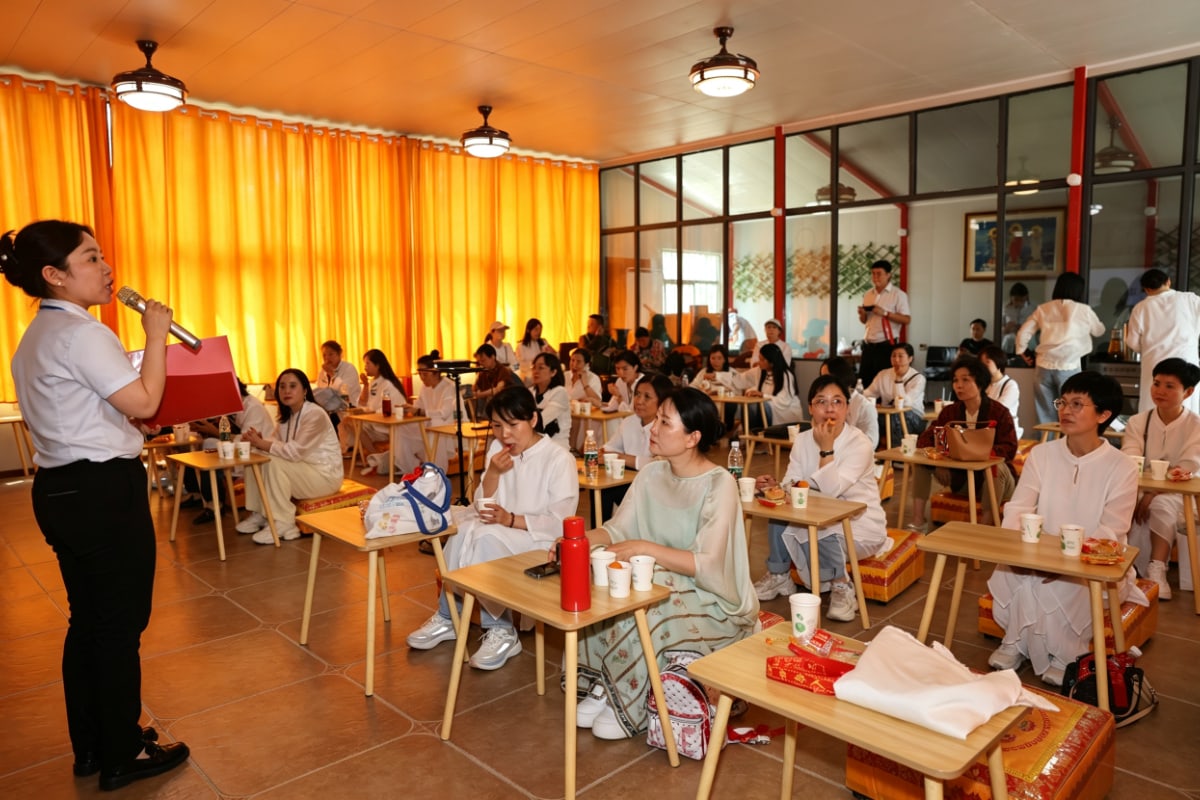
Traditional Chinese medicine also has a cultural dimension that is closely tied to how it is taught and experienced. At Guanghuasi Temple in Luoyang, experienced teachers introduce TCM wellness alongside Buddhist practice, tea culture, meditation, and disciplined daily routines. The temple has a deep connection with Tangmi, also known as Chinese Esoteric Buddhism. Guanghuasi preserves the Shanwuwei Pagoda, associated with the Indian monk Śubhakarasiṃha, who died and was buried in Luoyang during the Tang period. For international buyers, this setting can support thoughtfully designed wellness programs rather than simple product transactions.
Types of Chinese Medicine
For B2B purchasing, Chinese medicine products can be grouped into several practical categories. The first includes dried plant materials, prepared slices, flower teas, roots, seeds, and culinary wellness ingredients. The second includes finished Chinese herbal medicine, such as granules, pills, capsules, powders, and liquid extracts. The third covers topical goods, including massage oils, warming balms, bath sachets, and skin preparations. A fourth category includes tools such as cupping sets, gua sha boards, moxa equipment, acupuncture needles, and storage containers. In some countries, these tools may be regulated as medical devices.
Service-based categories also matter. An overseas tour operator may purchase a five-day temple stay with vegetarian meals, meditation instruction, tea sessions, and introductory TCM wellness classes. A corporate buyer may commission a two-day program featuring breathing exercises, stretching, sleep education, and simple dietary workshops. Chinese herbal medicine should never be marketed as a universal treatment. Product descriptions must match the correct legal category and include the intended use, ingredient list, dosage information, and warning statements required in the destination country.
Features of Chinese Medicine
A defining feature of this tradition is its view of health in relation to seasonal habits, food, movement, rest, emotional balance, and the individual’s daily routine. A responsible program can explain concepts such as qi, meridians, yin and yang, and the five phases without making guaranteed medical claims. In a Tangmi-informed setting, cultural education may also refer to mandalas, mantras, mudras, and deity yoga. These subjects require qualified teaching and respectful presentation; they should not be reduced to decorative symbols in a marketing brochure.
At Guanghuasi Temple, Funzendo works with experienced teachers connected to the temple community. Facilities and schedules may include quiet meditation rooms, tea spaces, vegetarian dining, clean accommodation, consultation areas, and structured practice periods. A buyer arranging a group should ask about instructor credentials, class size, translation support, dietary arrangements, emergency procedures, and accessibility. For a fuller cultural program, the temple life experience can be combined with meditation, tea preparation, and guided discussions about health habits in traditional Chinese culture.
Chinese Medicine Application
Chinese medicine has several practical B2B applications when the service, product, and legal purpose are clearly defined. Overseas travel agencies can build a Luoyang cultural itinerary around a temple stay, vegetarian meals, tea culture, gentle movement, and introductory TCM wellness education. Retreat organizers can add a half-day workshop on seasonal food preparation, sleep routines, breathing, or self-massage. Corporate wellness planners may choose a quiet program for senior managers who need structured rest, less screen exposure, and practical relaxation methods.
Experience designers can also create modular packages. A three-day schedule might include arrival orientation, morning meditation, a tea lesson, a TCM food workshop, a visit to historic sites, and an evening reflection session. A seven-day format may add Kung Fu basics, calligraphy, temple etiquette, and individual wellness consultations. Funzendo’s meditation programs can support buyers seeking a practice-centered itinerary without presenting meditation as a medical treatment. All health-related messaging should be reviewed before publication in the target market.
Chinese Medicine Price
Chinese medicine pricing depends on the product category, ingredient source, processing method, packaging, testing requirements, order volume, and destination-market rules. A simple herbal tea may have a lower unit cost than a standardized extract because extracts require controlled production, moisture testing, microbial analysis, heavy-metal screening, and stability information. Topical products may need cosmetic safety files. Devices may require conformity assessment, technical files, or registration. Freight, insurance, customs brokerage, translation, label design, and local storage can add significantly to the landed cost.
For experience packages, the main cost components are accommodation, meals, teacher time, translation, transport, facility use, insurance, and itinerary design. A private group of 12 people may receive a different rate from an individual booking because teaching time and room allocation must be planned in advance. Spring and autumn often bring stronger demand for cultural travel, while winter dates may offer greater scheduling flexibility. Buyers should request a quotation that shows currency, tax treatment, payment stages, cancellation terms, minimum order or group size, shipping terms, and the exact services included. Comparing quotations by unit price alone can be misleading.
Chinese Medicine User Guide
To plan an import or wellness program, start with a written product specification. Include the Latin botanical name where relevant, plant part, country of origin, extraction ratio, batch size, packaging format, shelf life, storage temperature, and intended market. Ask for a commercial invoice, packing list, certificate of analysis, ingredient statement, safety data where applicable, and manufacturing information. Check whether the product contains animal-derived materials, endangered species, alcohol, controlled substances, or ingredients restricted by the destination country.
For a temple-based program, provide guests with a schedule before arrival. Explain quiet hours, clothing expectations, photography rules, meal customs, smoking restrictions, and the difference between cultural instruction and clinical care. Participants should disclose allergies, pregnancy, medication use, and mobility limitations before any wellness session. They should not stop prescribed treatment because of a class or consultation. Buyers arranging a group can use the temple stay format to set expectations clearly, then add translation and transport support for overseas guests.
Chinese Medicine Supplier
A reliable Chinese medicine supplier should provide traceable information before requesting a deposit. Verify the legal company name, factory or service address, export experience, production permissions, quality system, testing arrangements, and ability to issue documents in English. Request a recent sample batch instead of relying solely on catalogue photographs. The supplier should identify the botanical species, batch number, manufacturing date, expiry date, storage conditions, and testing laboratory. If a seller refuses to share basic specifications or makes claims such as “cures every condition,” consider that a serious warning sign.
Funzendo’s main strength is not anonymous bulk medicine trading. We provide structured TCM wellness, temple stays, meditation, tea culture, Kung Fu training, and Chinese traditional culture programs connected with experienced teachers from Guanghuasi Temple. Buyers can arrange a cultural experience, retreat, or professional background program with clear schedules and instructor support. Our taoist wellness training retreat may suit planners seeking movement, breathing, dietary knowledge, and traditional health education in a focused setting. For broader cultural requirements, chinese traditional culture training can be added to a group proposal.
When product sourcing is required, the purchasing brief should state whether the buyer needs finished retail goods, educational samples, ingredients for lawful processing, or a wellness service only. Funzendo can help clarify the cultural context and connect the request with suitable China-based contacts, while the importer remains responsible for destination-country registration and market authorization. If you are looking for a reliable Chinese Medicine supplier, please contact us anytime to get the latest quote.
FAQ of Chinese Medicine
How to export Chinese medicine internationally
To export Chinese medicine internationally, first classify the item under the importing country’s rules. It may be regulated as food, a dietary supplement, a cosmetic, a medicine, or a medical device. Confirm the HS code with a customs broker, then check whether the ingredients are permitted and whether pre-market registration is required. Prepare an invoice, packing list, transport document, origin information, ingredient declaration, certificate of analysis, and any health, phytosanitary, CITES, or manufacturing certificates requested by customs. Labels may need the local language, net quantity, batch number, expiry date, importer address, allergen statement, directions, and warnings. Avoid disease-treatment claims unless the product has the required authorization. Compliance review should take place before production, not after the cargo reaches the port.
What Chinese medicine products can be exported
What Chinese medicine products can be exported depends on both the item and the destination market. Commonly considered categories include certain herbal teas, dried botanical materials, food ingredients, non-medicated topical preparations, massage oils, wellness accessories, and educational materials. Finished herbal formulas, concentrated extracts, acupuncture needles, moxa products, and animal-derived ingredients may face stricter controls. Some plants require phytosanitary documents, while endangered species may require CITES permits or may be prohibited entirely. Buyers should not assume that a product legally sold in China can be imported for retail sale overseas. A sample shipment for testing may also require a different declaration from a commercial shipment.
How to find reliable Chinese medicine suppliers
How to find reliable Chinese medicine suppliers begins with independent verification. Ask for the registered company name, factory details, export record, product specification, batch testing, and references from buyers in the same destination market. Compare the supplier’s documents with the physical label and sample. Confirm that the quotation states Incoterms, minimum order quantity, lead time, packaging, payment terms, and responsibility for inspection. Use a third-party laboratory when the product is intended for human consumption or topical use. A supplier who explains limitations honestly is safer than one who promises instant cures, unlimited customization, or guaranteed customs clearance. For experience programs, review teacher qualifications, accommodation standards, insurance, translation, and emergency arrangements with the same methodical approach.
Funzendo connects international buyers with the cultural setting behind Chinese medicine through temple stays, Zen meditation, Kung Fu training, tea culture, and TCM wellness in Luoyang. If you are looking for overseas temple experiences, meditation programs, or a China-based cultural retreat, please contact us to discuss your group size, dates, learning goals, and compliance requirements.