What Happens During a Zen Tea Ceremony
For those new to the practice, a traditional Tea Ceremony can seem like a complex and mysterious ritual. It is far more than the simple act of preparing and drinking tea; it is a meticulously choreographed art form designed to cultivate mindfulness, respect, and a deep appreciation for the present moment. Understanding the sequence of events and the meaning behind each gesture is key to fully appreciating this profound cultural experience. The entire process is a form of active meditation, where every detail, from the utensils used to the way guests are seated, holds significance.
The roots of this practice are deeply embedded in Zen Buddhism, known as Chan in China. At Funzendo, our approach is grounded in over 10 years of tea practice, blending traditional Chinese tea culture with Zen philosophy. This allows us to offer immersive experiences that introduce international guests to these contemplative traditions in the authentic setting of Longmen Guanghua Temple. The goal is not just to observe, but to participate in a moment of shared tranquility.
The Guiding Principles: Harmony, Respect, Purity, and Tranquility
Before examining the step-by-step process, it is essential to understand the four core principles that form the philosophical foundation of the tea ceremony. These principles, originally codified by the famous tea master Sen no Rikyū, guide the actions of both the host and the guests, transforming the event from a simple beverage service into a spiritual practice. Mastering these concepts is central to the host's training, and appreciating them is key for any guest seeking a meaningful experience.
- Harmony (和, Wa): This refers to the harmony between guests, the host, nature, and the setting. The selection of utensils, the floral arrangement, and the seasonal sweets all work together to create a unified and balanced atmosphere. Guests contribute to this harmony by interacting with one another and the host in a gentle and considerate manner.
- Respect (敬, Kei): Respect is demonstrated by all participants. Guests show respect for the host, the utensils, and the tea itself. The host shows respect by meticulously cleaning each item and preparing the tea with undivided attention. This principle fosters a sense of gratitude and humility among everyone present.
- Purity (清, Sei): This principle applies to both the physical and spiritual realms. The tea room and all utensils are kept immaculately clean, representing the cleansing of the heart and mind. By leaving behind the concerns of the outside world, participants can engage in the ceremony with a clear and open spirit.
- Tranquility (寂, Jaku): This is the ultimate goal of the ceremony. Through the attainment of the first three principles, participants can achieve a state of serene and elevated calm. It is in this state of tranquility that one can fully appreciate the beauty of the moment and the simple act of sharing a bowl of tea.
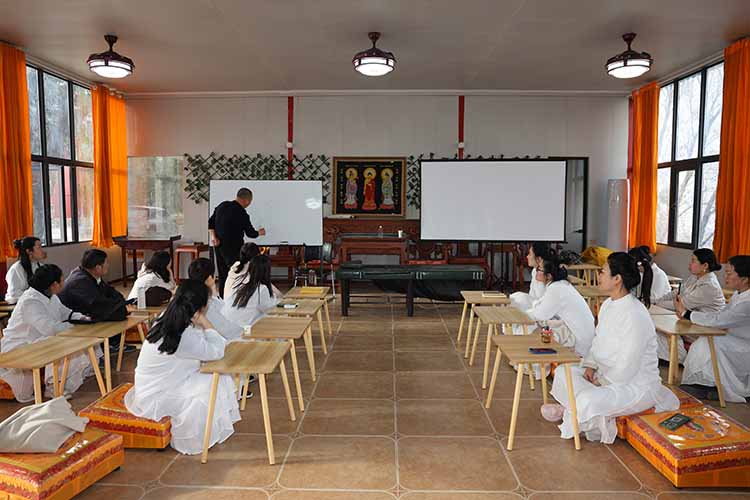
A Guest's Guide to the Tea Ceremony: A Step-by-Step Breakdown
For a first-time guest, knowing what to expect can enhance the experience and alleviate any uncertainty. While specific details can vary between schools and traditions, the general flow follows a consistent and logical progression. The following steps outline a typical sequence from the perspective of a guest, explaining the expected etiquette and the meaning behind each phase of the ritual. This structured approach helps participants focus on the moment rather than worrying about procedure.
| Phase | Guest Actions and Etiquette | Symbolic Meaning |
|---|---|---|
| 1. Entering the Tea Room | Guests typically remove their shoes before entering. The entrance may be a small, low door, requiring guests to bow or kneel. This act encourages humility. Once inside, you will first admire the scroll and flower arrangement in the alcove (tokonoma) before taking your designated seat. | The low entrance signifies that all are equal within the tea room, regardless of social status. Bowing shows respect for the space and the host. |
| 2. The Main Meal / Sweets | In a full, formal ceremony, a light meal (kaiseki) is served first. In a less formal setting, you will be served a traditional sweet (wagashi). The sweet should be fully consumed before the tea is served, as its sweetness prepares the palate for the bitterness of the matcha. | The sweets are carefully chosen to reflect the current season, reinforcing the connection to nature and the transient beauty of the moment. |
| 3. The Thick Tea (Koicha) | The host will meticulously clean the utensils and prepare a thick, rich matcha. This is the most formal part of the ceremony. The bowl is shared among all guests, with each person taking a sip, wiping the rim where their lips touched, and passing it to the next person. | Sharing a single bowl fosters a sense of community and connection among the guests. The deep, concentrated flavor encourages mindful tasting. |
| 4. The Thin Tea (Usucha) | After the koicha, the host prepares a lighter, frothier bowl of thin tea for each guest individually. When you receive your bowl, you should bow slightly. Pick it up with your right hand and place it in the palm of your left. Turn the bowl clockwise twice so the "front" is not facing you, take a few sips, and then turn it back before placing it down. | The individual bowls allow for a more relaxed atmosphere. The precise turning of the bowl is a gesture of respect, avoiding drinking from its most decorative side. |
| 5. Appreciating the Utensils | After the tea has been finished, the host will invite the main guest to inspect and appreciate the utensils, such as the tea caddy (natsume) and the tea scoop (chashaku). Handle them with extreme care, often using a cloth to avoid direct contact, and never touch the bristles of the whisk. | This part of the ritual allows guests to admire the craftsmanship and history of the items, many of which are valuable works of art. It deepens the appreciation for the host's effort. |
Integrating Tea, Sound, and Zen for a Deeper Experience
While the traditional tea ceremony is a powerful practice on its own, its core principles of mindfulness and presence can be enhanced when integrated with other contemplative arts. At Funzendo, we have developed a unique cultural wellness experience that combines the ritual of tea with guided sound healing and accessible meditation. This synthesis creates a more holistic and immersive environment for guests seeking inner calm and balance.
Our approach is built on three key pillars:
- Authentic Chinese Tea Ceremony: We guide participants through the mindful preparation and appreciation of tea, grounding the experience in the rich traditions of Chinese Zen tea culture. This is not a performance, but a shared practice.
- Singing Bowl Sound Healing: Before and after the tea service, we incorporate guided sound experiences using singing bowls. These resonant tones encourage deep relaxation, reduce mental chatter, and promote mindful listening, preparing the mind for the quiet focus required by the tea ritual.
- Zen Meditation and Mindfulness: The entire experience is framed with accessible meditation and breathing practices. This helps even beginners connect with the present moment, turning the tea ceremony into a profound exercise in awareness.
This unique integration of sound, tea, and Zen is central to our temple stay programs at Longmen Guanghua Temple. It provides a distinctive pathway for guests to engage with Chinese contemplative traditions in an authentic, supportive setting, moving beyond simple observation to genuine participation.

Common Mistakes to Avoid as a First-Time Guest
Attending your first tea ceremony is an exciting opportunity. To ensure a smooth and respectful experience for yourself, the host, and other guests, it helps to be aware of a few common points of etiquette. Avoiding these simple missteps will allow you to focus on the beauty of the ritual itself.
- Wearing Strong Scents or Jewelry: Perfumes and colognes can interfere with the subtle aroma of the tea and incense. Rings, watches, and bracelets can accidentally scratch the delicate, often priceless, utensils. It is customary to remove them before the ceremony begins.
- Stepping on the Center of the Tatami Mats: When moving in the tea room, you should avoid stepping on the silk borders of the tatami mats or on the center line of a mat. Shuffling your feet slightly as you walk is a sign of respect.
- Speaking Inappropriately: Conversation during the ceremony is minimal and focused on the ritual itself. Avoid loud talk or discussions about unrelated topics like business or personal matters. The quiet allows everyone to focus on the sensory experience.
- Incorrectly Handling the Tea Bowl: The tea bowl (chawan) is the centerpiece. Always handle it with two hands—one supporting the bottom and the other guiding the side. Never hold it with one hand like a coffee mug. Following the host's lead on when to drink and how to turn the bowl is key.
- Finishing the Tea Too Quickly: The ceremony is not about quenching thirst. Take a few small, deliberate sips to savor the flavor. When you are finished, it is polite to make a final, slightly louder slurp to signal to the host that you have enjoyed the tea and are finished.
By keeping these points in mind, you can participate with confidence and show your respect for this ancient and beautiful tradition. The host will understand that you are a guest and will not expect perfection; a sincere and respectful attitude is what matters most.
For organizations interested in arranging immersive cultural wellness programs, our team can provide detailed itineraries that incorporate these unique traditional practices. Contact us to discuss how we can tailor an experience for your group.