Visiting Longmen Guanghua Temple: A First-Time Visitor's Guide
Luoyang is one of China's most rewarding destinations for travelers interested in Buddhist history, traditional architecture, and ancient culture. While many international visitors come to see the famous Longmen Grottoes, the city also preserves quieter religious sites that reveal a different side of its Buddhist heritage. One of them is Longmen Guanghua Temple (龙门广化寺).
Located on the western hillside of Longmen Village, approximately 500 metres north of the Longmen Grottoes, Guanghua Temple is associated with the history of Tangmi (唐密), or Chinese Esoteric Buddhism. Its historical connections with the eminent Tang Dynasty master Subhakarasimha, its hillside setting, and its commemorative buildings make it a distinctive destination for visitors who want to explore more than the city's best-known attractions.
This guide is designed for first-time visitors. It explains where the temple is located, how to plan your journey, what to look for during your visit, how to behave respectfully, and how to make the experience more meaningful through Chinese Buddhist cultural activities.
Why Visit Longmen Guanghua Temple?
The Longmen area is internationally known for its Buddhist grottoes, where generations of artisans carved thousands of Buddhist images and inscriptions into limestone cliffs. Guanghua Temple offers a complementary experience: instead of focusing mainly on Buddhist sculpture, it introduces visitors to the history, architecture, and cultural traditions of a living temple environment.
Guanghua Temple has a historical association with the development of Tang Dynasty Esoteric Buddhism. It is connected with Subhakarasimha, known in Chinese as Shan Wuwei (善无畏), one of the three major masters associated with the flourishing of Esoteric Buddhism during the Tang dynasty.
This connection gives the temple particular significance for travelers interested in the history of Buddhist teachings and their transmission across Asia. It is not simply another temple to add to a sightseeing list; it provides a way to explore a distinctive chapter in the development of Chinese Buddhism.
There are several reasons to include Guanghua Temple in a Luoyang itinerary:
Historical significance: Explore a site associated with Tang Esoteric Buddhism and the legacy of Subhakarasimha.
Distinctive setting: Experience a hillside temple landscape rather than only the large, level complexes often seen in major cities.
Architectural interest: Observe stone steps, pagoda structures, memorial buildings, courtyards, and traditional temple features.
Cultural atmosphere: Discover how religious heritage and contemporary temple life exist within the same environment.
Convenient cultural pairing: Combine the temple with a visit to the nearby Longmen Grottoes.
If you would like to understand the temple's historical background before arriving, read more about Longmen Guanghua Temple and its cultural heritage.
Where Is Longmen Guanghua Temple?
Longmen Guanghua Temple is located in Longmen Village, Luolong District, Luoyang, Henan Province, central China. It stands on the western hillside of the village, approximately 500 metres north of the Longmen Grottoes.
This location places the temple within one of Luoyang's most important cultural landscapes. The surrounding area is associated with centuries of Buddhist history, traditional village life, and the natural scenery of the Yi River valley.
Unlike a temple situated on a broad urban avenue, Guanghua Temple is approached through a hillside environment. The change in elevation is part of the visit. Its stone stairway, which includes approximately 199 steps and rises around 31 metres, creates a gradual transition from the surrounding landscape into the temple grounds.
Visitors should allow time for the climb, particularly during warmer weather or if carrying luggage. Comfortable walking shoes are recommended. Those with limited mobility should consider the steps and uneven surfaces when planning their visit.
Understanding the Longmen Area
It is useful to distinguish between three related but separate places:
Longmen Grottoes: A major Buddhist art heritage site featuring thousands of rock-cut images and inscriptions.
Longmen Village: The historic village area near the grottoes and surrounding cultural sites.
Longmen Guanghua Temple: A hillside Buddhist temple associated with Tang Esoteric Buddhist heritage.
Although these places are geographically close, they are not the same attraction. Visitors should check their intended destination and access arrangements before setting out.
How to Get to Guanghua Temple
Luoyang is accessible by high-speed rail, conventional train, and air connections through nearby regional transport hubs. For most international travelers, arriving by train is a practical way to reach the city before continuing to the Longmen area.
By High-Speed Train
Luoyang Longmen Railway Station is an important arrival point for high-speed rail passengers. Trains connect Luoyang with major cities including Zhengzhou, Xi'an, and Beijing, although journey times and services depend on the specific route and timetable.
After arriving, you can continue toward Longmen Village by taxi, ride-hailing service, or local public transport. If you are carrying luggage or traveling with family members, a direct car transfer may be more convenient.
By Air
Travelers arriving by air can consider Luoyang Beijiao Airport, subject to available flight connections. Zhengzhou Xinzheng International Airport is another regional gateway with wider domestic and international connections. From Zhengzhou, travelers can continue to Luoyang by high-speed train or other suitable transport.
Xi'an may also be part of a broader China itinerary, particularly for travelers combining Luoyang with destinations along the historic Silk Road. However, it is not necessary to fly into Xi'an specifically to visit Guanghua Temple.
By Taxi or Ride-Hailing Service
From central Luoyang or Luoyang Longmen Railway Station, a taxi or ride-hailing service can take you toward the Longmen area. When arranging your journey, use the Chinese name 龙门广化寺 to reduce the possibility of confusion with other temples or attractions.
If you are already visiting the Longmen Grottoes, confirm the most suitable walking or vehicle route to the temple before leaving the grottoes. The two sites are close geographically, but access arrangements and entrances may differ.
Practical transport advice: Do not rely only on an English-language map search. Save the Chinese destination name in advance, confirm the drop-off point with your driver, and check local access information before traveling.
What to See at Guanghua Temple
A first visit does not need to be rushed. The temple's historical features are best appreciated when you take time to notice how the buildings, landscape, and commemorative structures relate to one another.
The Stone Steps and Mountain Gate
The approach to Guanghua Temple is one of its most distinctive features. Approximately 199 stone steps lead visitors upward through the hillside setting. Rather than entering a large temple complex directly from a flat road, visitors experience a gradual ascent.
The mountain gate marks the transition into the temple environment. In Chinese Buddhist architecture, a mountain gate is not simply an entrance; it represents the boundary between the outside world and the religious space within.
Take a moment to look back along the steps and observe how the surrounding landscape changes as you climb. This is an important part of the temple's character.
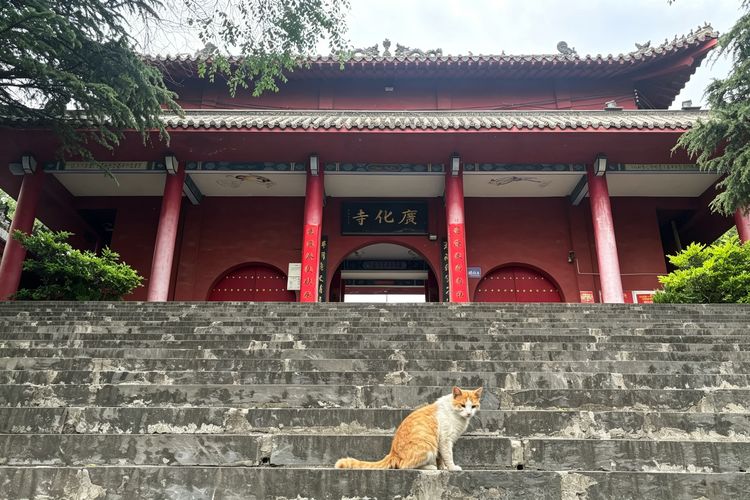
The stone stairway forms an important part of the approach to Guanghua Temple.
Wuwei Pagoda and the Legacy of Subhakarasimha
One of the temple's important historical landmarks is Wuwei Pagoda (无畏塔), associated with Subhakarasimha, known in Chinese as Shan Wuwei.
Subhakarasimha was one of the major Buddhist masters who helped transmit Esoteric Buddhist teachings in Tang China. His work contributed to the translation and development of important Buddhist texts and ritual traditions.
The pagoda therefore offers more than architectural interest. It provides a physical point of connection with the history of Tang Esoteric Buddhism and the wider story of Buddhist transmission in East Asia.
The Memorial Hall of the Three Kaiyuan Masters
Guanghua Temple is also associated with the Three Kaiyuan Masters: Subhakarasimha, Vajrabodhi, and Amoghavajra. These three eminent figures played major roles in the development of Tang Esoteric Buddhism.
The Memorial Hall of the Three Kaiyuan Masters, opened in 2015, introduces visitors to this important historical tradition through its commemorative setting and Tang-style architectural references.
For visitors who are unfamiliar with Tangmi, the hall provides a useful starting point for understanding why Guanghua Temple holds a distinctive position within Luoyang's Buddhist heritage.
Bell and Drum Towers
The Bell and Drum Towers are traditional features of Chinese Buddhist temple architecture. Their sounds historically helped organize the daily rhythm of monastic life, marking important times for practice and communal activities.
At Guanghua Temple, the Bell Tower stands to the north and the Drum Tower to the south. Their position and architectural form provide another way to observe the relationship between traditional temple design and religious routine.
The Bodhisattva Pond and Longevity Stele
The Bodhisattva Pond, also known as the Longevity Pond, is another feature worth noticing. Its standing Guanyin image and Longevity Stele connect Buddhist imagery with traditional ideas of compassion, blessing, and longevity.
The pond also adds a quieter landscape element to the temple visit. Rather than focusing only on halls and monuments, take time to observe how water, stone, trees, and religious images contribute to the atmosphere of the site.
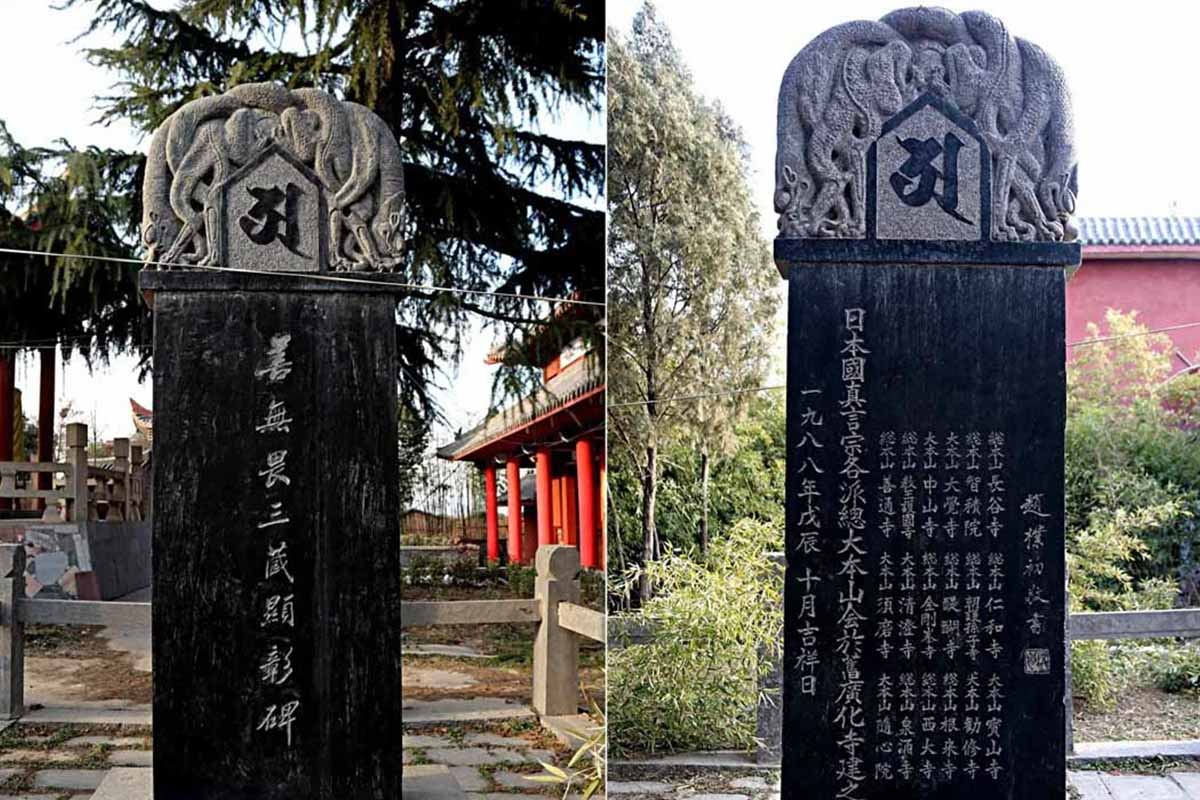
Wuwei Pagoda and the temple's historic features connect visitors with the legacy of Tang Esoteric Buddhism.
How Long Should You Spend at Guanghua Temple?
The time required depends on your interests, walking pace, and whether you are combining the visit with the Longmen Grottoes.
For a first-time visitor, it is useful to think in terms of the following options:
| Visit Type | Suggested Time | What to Focus On |
|---|---|---|
| Focused visit | Around 1–2 hours | Main temple features, stone steps, pagoda, and historical landmarks. |
| Relaxed cultural visit | Around half a day | Architecture, inscriptions, temple history, landscape, and time for quiet observation. |
| Combined Longmen visit | Half day or longer | Guanghua Temple and the Longmen Grottoes, with time for transport and walking. |
| Cultural retreat | One day or more | Temple culture, meditation, traditional practices, and a deeper experience of the setting. |
These are planning suggestions rather than official visit durations. Actual access, opening arrangements, and the time needed for each activity may vary. If you are visiting during a holiday or special event, allow additional flexibility.
The Best Time to Visit
Luoyang experiences four distinct seasons, and each offers a different atmosphere for exploring the Longmen area.
Spring
Spring is generally a comfortable season for walking around the temple and exploring the surrounding landscape. Mild temperatures and fresh vegetation can make the hillside approach particularly pleasant.
Summer
Summer can be hot, especially when climbing the stone steps in direct sunlight. If visiting during this season, consider arriving earlier in the day, carrying drinking water, and allowing time to rest.
Autumn
Autumn often brings comfortable walking conditions and changing colors in the surrounding landscape. It can be a rewarding time for travelers who enjoy photography and cultural exploration.
Winter
Winter visits can offer a quieter atmosphere, although temperatures may be low and stone steps can become slippery in wet or icy conditions. Wear suitable footwear and check local weather before setting out.
Whenever possible, weekday mornings are worth considering if you prefer a less busy experience. Public holidays and major travel periods may bring more visitors to the Longmen area.
Temple Etiquette: How to Visit Respectfully
Guanghua Temple is a place of Buddhist heritage and religious activity. Even if you are visiting primarily for cultural or architectural reasons, it is important to remember that the temple is not simply a museum or photography location.
A few simple habits will help you show respect:
Dress appropriately. Choose comfortable, modest clothing. Avoid clothing that may be unsuitable for a religious environment.
Keep your voice low. Speak quietly, especially near worship areas and during ceremonies.
Ask before photographing people. Be considerate when monks, worshippers, or other visitors appear in your photographs.
Respect restricted areas. Follow signs and instructions about where visitors may enter or take photographs.
Do not touch religious objects without permission. Statues, ritual implements, inscriptions, and offerings should be treated with care.
Follow local guidance. If people are praying or participating in a ceremony, avoid interrupting them. Follow any directions given by temple staff.
Ask before offering incense. If you wish to participate in a religious activity, observe the local practice or ask someone responsible for guidance.
Photography and drone restrictions can vary by location and occasion. Never assume that aerial photography or commercial filming is permitted; obtain permission where required.
What Should You Bring?
A little preparation can make your visit more comfortable, particularly because the temple is reached through a hillside approach.
Comfortable walking shoes: Essential for stone steps and uneven paths.
Drinking water: Especially useful during warmer months.
Weather-appropriate clothing: Bring sun protection in summer and warm layers in winter.
A small bag: Keep personal items together and avoid carrying unnecessary luggage up the steps.
Offline destination information: Save the Chinese name 龙门广化寺 and relevant transport details in advance.
A camera or phone: Useful for documenting architecture and scenery, provided photography is permitted in the area.
Combine Guanghua Temple with the Longmen Grottoes
One of the most practical ways to organize your visit is to combine Guanghua Temple with the nearby Longmen Grottoes. Although they are separate sites, they provide complementary perspectives on the Buddhist heritage of Luoyang.
At the Longmen Grottoes, you can explore Buddhist art carved into limestone cliffs. The sculptures and inscriptions reveal how Buddhist beliefs were expressed through monumental works of art during different historical periods, particularly the Northern Wei and Tang dynasties.
At Guanghua Temple, the focus shifts toward temple architecture, Tang Esoteric Buddhist heritage, and the historical memory associated with Subhakarasimha.
A suggested cultural sequence is:
Begin with the Longmen Grottoes. Explore the Buddhist sculptures and learn about the development of Buddhist art in Luoyang.
Continue to Guanghua Temple. Discover the temple's hillside setting, Wuwei Pagoda, memorial hall, and Tangmi heritage.
Allow time for cultural exploration. Rather than rushing between attractions, take time to understand the historical relationship between the sites.
If you have additional time in Luoyang, White Horse Temple is another important destination. It is traditionally regarded as the first Buddhist temple established in China and offers a different historical perspective from Guanghua Temple.
Together, White Horse Temple, the Longmen Grottoes, and Guanghua Temple form a rewarding introduction to several important chapters of Chinese Buddhist history.
Turn a Temple Visit into a Cultural Experience
A short visit can introduce you to the architecture and history of Guanghua Temple, but spending more time in the temple environment offers another level of understanding.
Chinese Buddhist culture is not expressed only through buildings and historical monuments. It is also connected with daily routines, contemplative practices, traditional tea culture, incense appreciation, and the use of sound in cultural and religious settings.
For international visitors, these experiences provide an opportunity to understand Chinese traditions through direct participation. Instead of simply reading about meditation or observing a tea ceremony, you can learn about the principles and cultural context behind the practices.
Funzendo, located within the Longmen Guanghua Temple setting, introduces international visitors to Chinese cultural experiences connected with Zen, meditation, and traditional practices.
If you are interested in a guided introduction to contemplative practice, explore the meditation experiences at Funzendo.
For visitors interested in traditional Chinese incense, tea, and sound culture, the Incense, Tea and Singing Bowl Culture Retreat offers a more focused cultural introduction.
A temple stay can also provide more time to appreciate the rhythm of the setting. Depending on the accommodation and program arrangements, an extended stay may include vegetarian meals, opportunities for quiet practice, and participation in selected cultural activities.
Rather than treating the temple as a stop between other attractions, you can make it part of a more meaningful Luoyang cultural journey.
Frequently Asked Questions About Visiting Guanghua Temple
Is Longmen Guanghua Temple the same as the Longmen Grottoes?
No. The Longmen Grottoes are a major Buddhist art site featuring rock-cut sculptures and inscriptions. Guanghua Temple is a separate Buddhist temple located on the western hillside of Longmen Village, approximately 500 metres north of the grottoes. They are different sites with complementary cultural significance.
Do I need to be Buddhist to visit Guanghua Temple?
No. Visitors interested in history, architecture, and Chinese culture can explore the temple respectfully. You do not need to follow Buddhism or participate in religious activities to appreciate the site's heritage.
How many steps are there at Guanghua Temple?
The hillside approach includes approximately 199 stone steps, with an overall rise of around 31 metres. Visitors should wear comfortable shoes and allow time for the climb.
How long should I spend at Guanghua Temple?
Around one to two hours may be sufficient for a focused visit, while a more relaxed cultural exploration can take around half a day. If combining the temple with the Longmen Grottoes, allow additional time for transport and walking.
What is Guanghua Temple known for?
Guanghua Temple is associated with Tang Dynasty Esoteric Buddhism and the legacy of Subhakarasimha. Its Wuwei Pagoda, Memorial Hall of the Three Kaiyuan Masters, and hillside temple setting are among its distinctive features.
Is there English information at Guanghua Temple?
The availability of English signage and explanations may vary. International visitors may find it helpful to prepare some historical background in advance or arrange a knowledgeable local guide. Saving the Chinese name of the temple can also make transport and navigation easier.
Can I visit Guanghua Temple and the Longmen Grottoes on the same day?
Yes. Their proximity makes a combined visit possible. However, the amount of time needed depends on your interests, walking pace, and transport arrangements. Check current access information before planning your route.
Can I stay near or within the temple environment?
Visitors interested in a longer cultural experience can enquire about available accommodation and temple-based programs through Funzendo. Accommodation arrangements, room availability, and program schedules should be confirmed in advance.
Start Planning Your Visit to Longmen Guanghua Temple
Longmen Guanghua Temple offers a different perspective on Luoyang's Buddhist heritage. Its hillside approach, historic pagoda, commemorative buildings, and connection with Tang Esoteric Buddhism make it a meaningful destination for travelers who want to understand more than the city's most famous attractions.
Whether you spend an hour exploring the temple or include it in a longer cultural journey, arriving with some historical knowledge will help you notice details that might otherwise be overlooked.
If you have time, combine your visit with the Longmen Grottoes and White Horse Temple to discover different chapters of Chinese Buddhist history. If you would like to go further, consider exploring meditation, traditional tea culture, incense appreciation, or a longer temple-based cultural experience.
Discover more about Funzendo at Longmen Guanghua Temple and explore the cultural experiences available in Luoyang.