What Is Tui Na? A Guide to Chinese Therapeutic Massage
What makes Tui Na different from the massage you might experience at a spa? In Traditional Chinese Medicine (TCM), Tui Na (推拿) is a traditional form of hands-on bodywork that uses pressing, pushing, kneading and other manual techniques. Rather than focusing exclusively on relaxation, a session is often tailored to areas of tension, restricted movement or physical discomfort.
With a history rooted in Chinese medical traditions, Tui Na offers an interesting introduction to the relationship between touch, movement and traditional approaches to wellbeing. It is practiced in different settings, from TCM clinics to wellness centers, and its methods can vary according to the practitioner's training and the needs of the individual.
For international visitors curious about Chinese wellness culture, learning about Tui Na is also a way to understand a tradition that places the body within a broader framework of movement, daily habits and balance.
This guide explains what Tui Na is, how its techniques differ from other forms of massage, what to expect during a session, and how to approach the experience safely.
What Exactly Is Tui Na?
Tui Na is a form of traditional Chinese manual therapy associated with Traditional Chinese Medicine. Its name combines two Chinese words: tui (推), meaning to push, and na (拿), meaning to grasp or lift. Together, they describe two of the manual actions used in this approach to bodywork.
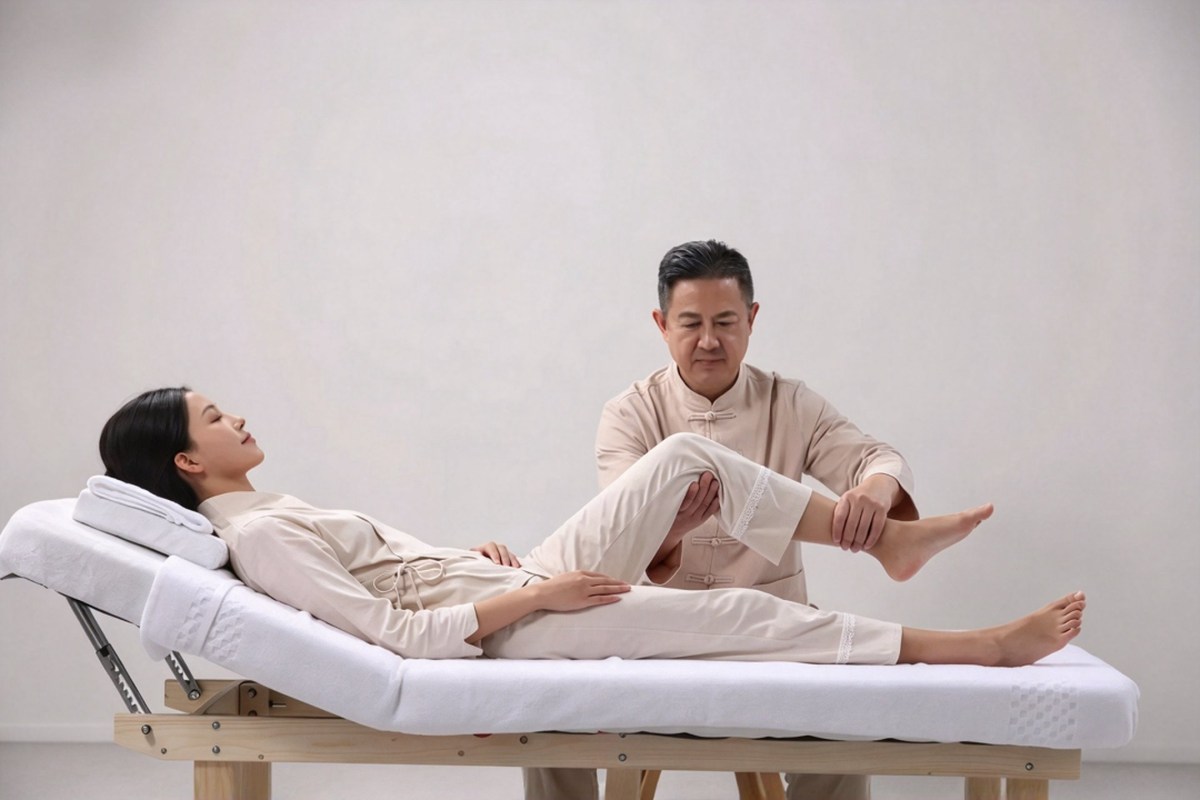
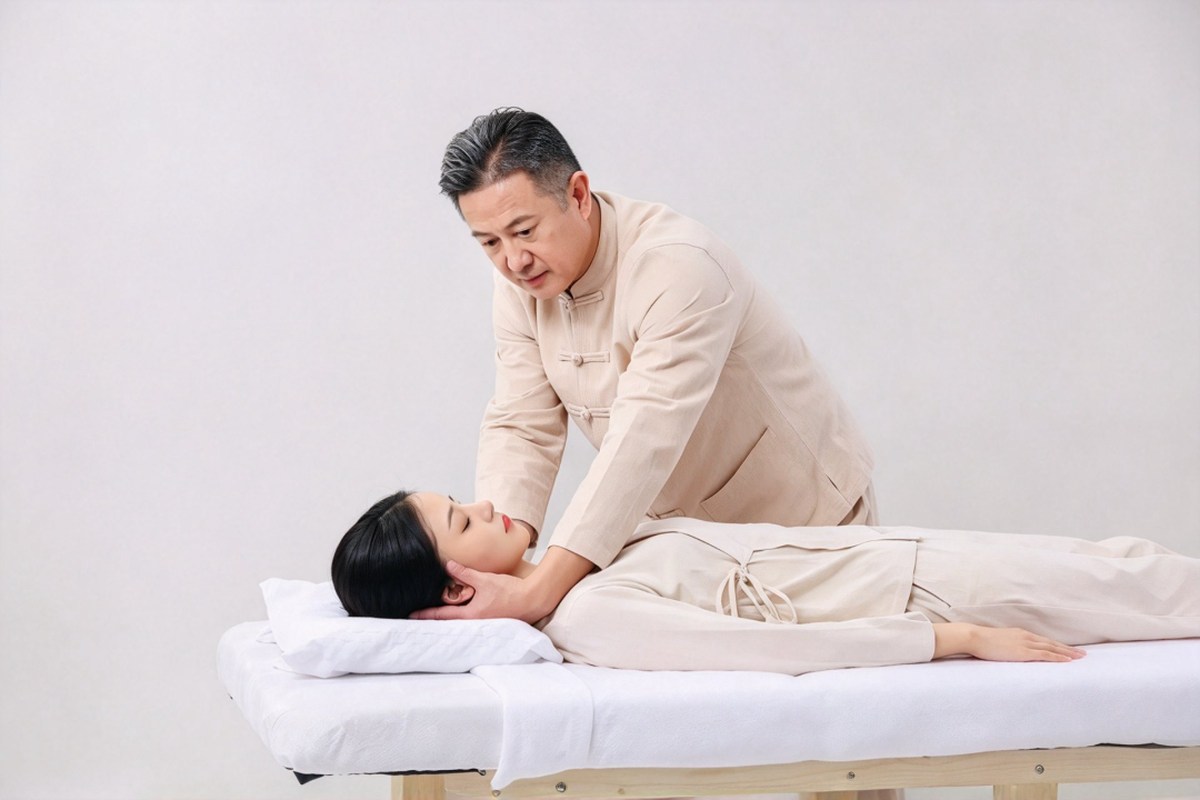
A trained practitioner may use the palms, fingers, thumbs, knuckles or forearms to apply pressure, knead soft tissues, work around joints and guide selected movements. Depending on the approach, techniques may be gentle and rhythmic or more focused on a particular area.
Within the traditional TCM framework, practitioners may consider concepts such as qi, meridians and the relationship between different parts of the body. These concepts belong to the traditional medical system and should not be treated as direct equivalents of nerves, blood vessels or other anatomical structures described by modern biomedical science.
In practical terms, the experience of Tui Na often centers on skilled touch, movement and communication between practitioner and recipient. The pressure and techniques should be adapted to the individual rather than applied with the same intensity to everyone.
A Brief History of Tui Na in Chinese Medicine
Manual treatment has a long history in China. Early Chinese medical literature describes approaches involving rubbing, pressing and other forms of physical manipulation. Over many centuries, these methods developed alongside other branches of traditional medicine, including herbal practice, acupuncture, moxibustion and therapeutic movement.
The history of Tui Na is not a single, uninterrupted story of one standardized technique. Methods, terminology and clinical applications have changed across periods and regions. The modern practice of Tui Na reflects both the accumulated traditions of Chinese medicine and more recent systems of professional training.
In contemporary China, Tui Na is associated with Traditional Chinese Medicine institutions and trained practitioners. It may also appear in wellness and cultural settings, where visitors can learn about traditional manual techniques without necessarily receiving a clinical treatment.
This distinction matters for travelers. A cultural introduction to Tui Na can help explain its principles and techniques, while a clinical appointment involves separate considerations such as medical history, professional qualifications and suitability for treatment.
How Does Tui Na Work?
Tui Na is understood through two complementary perspectives: the traditional concepts used within Chinese medicine and the physical experience of manual bodywork.
The traditional TCM perspective
Traditional Chinese Medicine uses concepts such as qi and meridians to describe patterns of activity and relationships within the body. Within this framework, Tui Na techniques are selected according to the practitioner's assessment and the aims of the session.
These concepts provide the traditional rationale for the practice, but they are not identical to established anatomical structures or universally accepted biomedical mechanisms. It is useful to understand them in their historical and cultural context rather than assuming that every traditional explanation has been confirmed by modern clinical research.
The physical experience of manual therapy
From a physical perspective, Tui Na involves applying pressure and moving soft tissues or joints within an appropriate range. Manual techniques can influence how a person experiences muscle tension, movement and comfort. Some people find hands-on treatment helpful for temporary relief of certain musculoskeletal symptoms, although results vary and evidence depends on the condition and technique being studied.
Tui Na should not be presented as a guaranteed treatment for pain, internal disease or general health problems. Anyone experiencing persistent, severe or unexplained symptoms should seek an appropriate medical assessment rather than relying on massage alone.
Common Tui Na Techniques
Tui Na includes a variety of manual techniques. A practitioner may combine several methods during one session, depending on the treatment setting, their training and the individual's comfort level.
1. Pushing and pressing
The practitioner applies controlled pressure using the palm, thumb or fingers. These techniques may be used over selected areas of soft tissue or at points recognized within traditional Chinese medicine. Pressure should remain appropriate to the body area and the person's needs.
2. Kneading and rolling
Rhythmic kneading or rolling movements are used to work with soft tissues. The pressure may be light or firm, but it should be adjusted in response to the recipient's feedback. A technique that feels comfortable on a large muscle group may not be suitable for a sensitive or vulnerable area.
3. Grasping and lifting
Some Tui Na methods involve gently grasping or lifting soft tissue. These actions are part of the traditional manual vocabulary and may be used in different sequences depending on the practitioner's approach.
4. Joint movement and stretching
When appropriate, a practitioner may guide a limb through a comfortable range of movement or incorporate gentle stretching. Forceful manipulation is not necessary for every session, and movements should never be pushed through sharp pain or significant resistance.
5. Work on selected traditional points
A session may include pressure applied to points used in TCM practice. Although this is sometimes compared with acupuncture, the methods are different: Tui Na uses manual contact, while acupuncture involves the insertion of needles by a suitably trained practitioner.
Tui Na vs Other Types of Massage
People who are familiar with spa massage often wonder whether Tui Na is simply another name for the same experience. Although the methods can overlap in their use of touch and pressure, they have different traditions, purposes and approaches.
| Type | Main approach | Typical characteristics |
|---|---|---|
| Tui Na | Traditional Chinese manual therapy | Pressing, kneading, rolling and selected movement techniques within a TCM framework |
| Swedish massage | Relaxation and general soft-tissue massage | Often uses gliding strokes, kneading and massage oil |
| Deep tissue massage | Focused work on deeper layers of soft tissue | May use sustained or firmer pressure in selected areas |
| Thai massage | Bodywork incorporating assisted movement and stretching | Often includes guided positions and rhythmic pressure, commonly performed without oil |
| Acupuncture | A distinct TCM method using needles | Involves needle insertion by a qualified practitioner rather than massage alone |
There is no universal rule that Tui Na must always be firmer than a spa massage or that every session follows the same pattern. Some treatments are gentle, while others use more focused pressure. The defining distinction is its place within the Chinese medical tradition and the techniques selected for the session.
What Happens During a Tui Na Session?
If you are trying Tui Na for the first time, knowing what to expect can make the experience less unfamiliar. The precise process varies by provider, but a responsible session generally includes a conversation about your needs, an explanation of the planned techniques and opportunities to give feedback.
Step 1: An initial conversation
The practitioner may ask about the areas of discomfort, your daily activities, previous injuries and relevant health conditions. In a clinical setting, the assessment may be more detailed. Be open about medications, recent surgery, pregnancy or any condition that could affect the suitability of manual treatment.
Step 2: Comfortable positioning
Depending on the provider and technique, you may lie on a padded treatment table or mat. Some Tui Na methods can be performed through loose clothing, while other settings may use different arrangements. Ask about clothing, privacy and the session format before treatment begins.
Step 3: Manual techniques
The practitioner applies the selected techniques, which may include pressing, kneading, rolling or gentle movement. You should feel able to communicate throughout the session. If the pressure is uncomfortable, request an adjustment immediately.
Step 4: A gradual finish
The session may end with lighter movements and a brief discussion of how you feel. The practitioner may suggest general self-care, such as gentle movement or rest, where appropriate. Recommendations should be realistic and should not replace medical advice when symptoms require assessment.
Session length varies by provider and program. If you are booking a cultural wellness experience, confirm the duration, techniques included, practitioner qualifications and whether the service is educational, wellness-focused or clinical.
Who Might Consider Tui Na?
Tui Na may appeal to people who are curious about traditional Chinese bodywork or who prefer a hands-on approach to relaxation and physical comfort. Depending on the person and the treatment, it may be considered by:
People who spend long periods sitting and want to explore ways of addressing everyday muscular tension.
Travelers interested in learning about Traditional Chinese Medicine and its manual techniques.
People who enjoy bodywork as part of a broader relaxation routine.
Visitors who want to understand how traditional Chinese wellness practices differ from massage styles they already know.
People exploring movement, breathing and body awareness alongside other wellness activities.
Suitability depends on individual circumstances. Tui Na is not appropriate for every person or every symptom, and stronger pressure is not necessarily more effective. If you have an injury, significant pain or an underlying medical condition, consult an appropriate healthcare professional before arranging treatment.
When Should You Avoid or Modify Tui Na?
Manual therapy requires care, especially when pressure or joint movement is involved. A practitioner should be informed about relevant health conditions before a session begins.
Extra caution or medical guidance may be needed if you have a recent fracture or injury, a recent operation, a suspected blood clot, severe osteoporosis, a bleeding disorder, significant skin problems in the treatment area or another condition that makes pressure or movement risky. Pregnancy may also require modifications and a practitioner with appropriate training.
Do not receive massage over an area with unexplained swelling, severe or worsening pain, or suspected acute injury without appropriate medical assessment. Stop the session if you experience sharp pain, numbness, dizziness or other concerning symptoms.
A reputable provider should explain what the session involves, respect your consent and comfort, and adjust or decline treatment when it is not appropriate. Avoid anyone who promises to cure serious diseases through massage alone.
Tui Na as Part of a Chinese Wellness Experience
One way to understand Tui Na is to explore it alongside other traditional Chinese practices. In Chinese wellness culture, manual bodywork may be encountered alongside qigong, breathing exercises, traditional tea culture and other approaches to cultivating attention and everyday balance.
These practices are not interchangeable. Tui Na centers on manual techniques; qigong involves coordinated movement, posture, breathing and attention; meditation focuses on cultivating awareness in different ways. Exploring them together can help visitors appreciate the variety within Chinese traditions without assuming that all practices share the same purpose or scientific evidence.
At Funzendo, visitors can explore contemplative and cultural experiences in the setting of Longmen Guanghua Temple in Luoyang. If you are interested in learning about the relationship between meditation, traditional culture and wellbeing, begin with the Meditation & Healing programs and review the activities described for each offering.
Exploring Traditional Chinese Wellness in Luoyang
Luoyang is known for its long history, Buddhist heritage and traditional cultural practices. For international visitors, a wellness-focused visit can provide a different perspective on the city beyond its historical monuments.
A thoughtful itinerary might combine cultural exploration with time for quiet reflection, a guided meditation session or an introduction to traditional Chinese practices. If bodywork is part of your interests, check in advance whether a program includes an actual Tui Na session, a demonstration or only an introduction to its history and principles. These are different experiences and should be described clearly.
Funzendo's temple-based setting offers a starting point for exploring Chinese Buddhist culture and contemplative practice. Visit the Funzendo website to learn more about the location and available experiences, or browse cultural activities to explore options for your visit.
Before booking any bodywork service, confirm whether it is offered by a suitably trained practitioner, what the session includes, whether health screening is provided and what safety arrangements are in place. Cultural interest and clinical treatment are related but distinct reasons to explore Tui Na.
Frequently Asked Questions About Tui Na
Is Tui Na painful?
Tui Na can involve firm pressure, but it should not cause sharp or alarming pain. Sensitivity varies from person to person, and techniques should be adapted to your comfort level. Tell the practitioner if the pressure feels excessive or causes unusual symptoms.
Do I need to remove my clothes?
Some Tui Na sessions are performed through loose, comfortable clothing, while arrangements vary by provider and technique. Ask about clothing and privacy before booking so you know what to expect.
How long does a Tui Na session last?
Session length depends on the practitioner and the service. Some appointments focus on a particular area, while others form part of a longer treatment or wellness program. Confirm the duration and included services when making a booking.
Is Tui Na the same as acupuncture?
No. Both are associated with Traditional Chinese Medicine, but they use different methods. Tui Na involves manual techniques such as pressing and kneading, while acupuncture involves the insertion of needles by an appropriately trained practitioner.
Can Tui Na help with neck or back discomfort?
Some people use manual therapy to seek temporary relief from certain musculoskeletal symptoms. However, effectiveness varies, and Tui Na is not a guaranteed treatment for neck or back pain. Severe, persistent, worsening or unexplained symptoms should be assessed by a healthcare professional.
Can older adults try Tui Na?
Age alone does not determine suitability, but health status, bone strength, medications and mobility are important considerations. Older adults, particularly those with osteoporosis, a history of fractures or other significant conditions, should seek appropriate advice and ensure that the practitioner adapts the techniques accordingly.
Can beginners learn about Tui Na during a trip to China?
Yes. Visitors can explore its history, terminology and cultural context through educational experiences. If you want to receive a treatment rather than attend a demonstration, verify that the provider offers the service and has suitably trained practitioners.
Discover the Tradition Behind Tui Na
Tui Na is more than a familiar sequence of massage movements. It is a traditional Chinese form of manual therapy shaped by a long history of medical practice, evolving techniques and concepts drawn from Traditional Chinese Medicine.
Understanding its origins helps explain what makes it different from spa massage, deep tissue work and other forms of bodywork. Understanding its limitations is equally important: techniques should be selected carefully, individual responses vary, and massage cannot replace appropriate medical assessment or treatment.
For travelers curious about Chinese wellness culture, Tui Na offers one possible entry point into a much wider tradition. Explore Funzendo's Meditation & Healing experiences to learn more about contemplative practice and cultural programs in Luoyang, and confirm the specific services available before planning your visit.