What Nobody Tells You Before Your First Temple Stay
Most articles about temple stays tell you what to expect: peaceful courtyards, Buddhist architecture, vegetarian food, meditation, and a welcome break from everyday life. What they often leave out are the smaller questions that first-time visitors actually have.
Will you have to follow a strict religious schedule? Is it awkward if you do not know how to meditate? Can you use your phone? What happens if you do not understand the customs? And will you feel comfortable staying somewhere that is also an active Buddhist community?
These are reasonable questions. A temple stay is different from booking a conventional hotel, but it does not have to be mysterious or intimidating. At Longmen Guanghua Temple in Luoyang, China, visitors can experience a quieter setting, traditional Buddhist culture, and a different rhythm of daily life while keeping their own level of participation.
Before arranging your first visit, here are seven things worth understanding. They are not dramatic revelations. They are the practical details that can make the difference between arriving with unrealistic expectations and feeling prepared to enjoy the experience.
1. A Temple Stay Is Not Always the Retreat You Imagine
The word retreat can create a very specific picture: long periods of silence, intensive meditation, traditional robes, and a carefully structured programme from sunrise until bedtime. Some residential Buddhist retreats do follow a demanding timetable, but a temple stay and a formal meditation retreat are not necessarily the same thing.
A temple stay is first of all an opportunity to experience life in a Buddhist setting. Depending on the accommodation and arrangements, your days may include time for rest, reading, walking around the temple grounds, observing traditional customs, and joining selected activities. You may have more unstructured time than you expected.
At Guanghua Temple, accommodation is combined with opportunities to experience the atmosphere of a traditional Chinese Buddhist temple. Guests can enjoy the quiet surroundings, hear the temple bells, and ask about optional activities such as morning chanting. Additional meditation or training programmes may be arranged separately.
This distinction matters when you book. If you want a structured course with guided meditation and a daily learning schedule, ask about a specific retreat programme. If you mainly want to stay in a temple environment and experience its daily atmosphere, a temple stay may be more suitable.
You can compare the accommodation and experience details on the Guanghua Temple Zen Stay page before deciding which arrangement fits your visit.
2. Quietness Does Not Mean You Must Remain Silent
One of the most common concerns among first-time visitors is the fear of doing something wrong. Some imagine that they will be expected to remain silent throughout the day or that an ordinary conversation might disturb the entire community.
A temple is a place where quiet and consideration matter, but that does not automatically mean every guest must observe a strict vow of silence. The important distinction is between being respectful and being unable to speak.
You may need to lower your voice, avoid loud conversations in shared areas, and follow any instructions given by the host or temple staff. During chanting, meditation, or other organised activities, it is appropriate to observe the atmosphere and avoid unnecessary interruptions.
Outside those moments, ordinary communication may be necessary. You might need to ask where to find a room, clarify a meal arrangement, or discuss your plans for the following day. There is no reason to feel embarrassed about asking practical questions.
At Guanghua Temple, guests are encouraged to maintain a peaceful environment. Optional temple activities, including morning chanting, depend on availability and are voluntary. If you are unsure about when conversation is appropriate, simply ask when you arrive.
3. You Can Bring Your Phone — But Be Thoughtful About Using It
A temple stay does not necessarily mean handing over your phone or disconnecting from the outside world. Guanghua Temple's accommodation information lists Wi-Fi and an internet connection among its facilities. You should therefore not assume that the stay is a compulsory digital detox.
The more useful question is how you want to use your time. A phone can help you contact family, check travel information, translate a question, or organise your onward journey. These are practical reasons to keep it nearby.
At the same time, a quiet environment gives you an opportunity to notice how often you reach for a screen out of habit. You might choose to leave your phone in your room during a walk, avoid checking messages while eating, or spend a little time reading without switching between applications.
None of this needs to become a strict rule. A small change in how you use your phone can be enough to make the experience feel different from an ordinary city break.
If you need to work remotely or remain available for urgent calls, consider telling your host before arrival. This helps you understand the facilities and choose a room or arrangement that suits your needs.
4. Temple Food Is Simple — and You Should Check the Meal Arrangements
Food is one of the most memorable parts of experiencing a traditional Chinese temple environment. Visitors often imagine elaborate vegetarian dishes or assume that every meal will be provided as part of the accommodation. The reality can be simpler, and it is worth checking the details in advance.
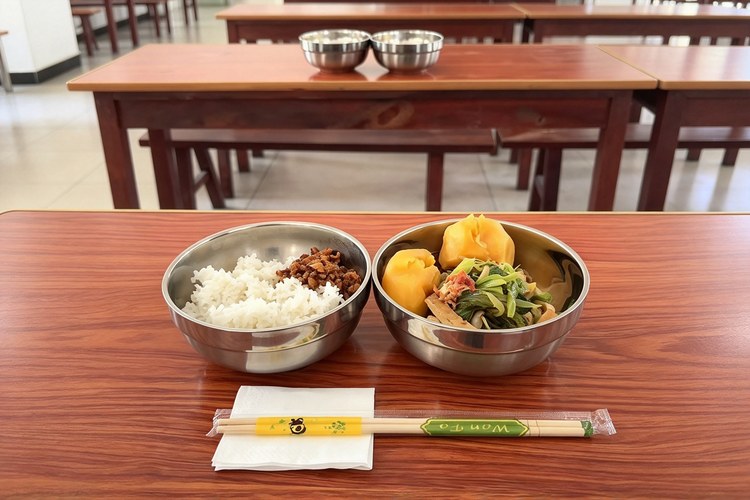
Traditional temple-style food generally places emphasis on vegetables, grains, tofu, seasonal ingredients, and straightforward preparation. The experience is less about restaurant presentation and more about appreciating an uncomplicated meal in a calm setting.
At Guanghua Temple, the accommodation information describes a traditional vegetarian breakfast. Additional meals may be arranged according to availability, so guests should confirm the full meal plan before travelling rather than assuming that breakfast, lunch, and dinner are automatically included.
It is also important to understand the temple's food rules. Guanghua Temple asks guests not to bring or consume non-vegetarian food or alcohol within the temple grounds. Smoking is also not permitted within the grounds.
If you have food allergies, dietary restrictions, or specific nutritional requirements, explain them before booking. Do not assume that every special diet can be accommodated without advance notice.
5. The Daily Rhythm May Feel Different From a Hotel
A conventional hotel is designed around the individual guest. You decide when to wake up, when to eat, and how to spend the day. A temple is also a living religious and cultural environment, so its atmosphere is shaped by routines that exist independently of visitors.
You may hear bells, notice people preparing for daily activities, or see monks and practitioners moving through the temple grounds. These details are part of the setting rather than performances arranged solely for tourists.
However, it is important not to assume that every temple follows the same timetable or that every guest must attend every activity. At Guanghua Temple, morning chanting is described as an optional experience subject to availability. The exact arrangements should be confirmed with the host before your stay.
If you are used to planning every hour, leave some flexibility in your schedule. Allow time to settle in, understand the surroundings, and ask questions. A temple stay is more rewarding when you do not treat every moment as another item to complete.
This does not mean that you need to abandon your travel plans. Luoyang has important historical and cultural sites to explore, including the nearby Longmen Grottoes. You can combine a temple stay with cultural visits while leaving enough time to enjoy the temple environment itself.
6. You Do Not Need to Be Buddhist or Experienced in Meditation
Perhaps the biggest psychological barrier is the feeling that a temple stay is only intended for people who already understand Buddhism. Some visitors worry that they will not know how to bow, what to say, how to sit, or whether their personal beliefs will make them feel out of place.
A respectful visitor does not need to arrive with a religious background. You can be interested in Chinese history, Buddhist architecture, traditional culture, meditation, or simply the experience of staying somewhere quieter than your usual surroundings.
You are also not expected to become an experienced meditator overnight. If you choose to try sitting meditation, begin with a comfortable posture and a short period of attention. If you are unfamiliar with a custom, observe what others do or ask your host for guidance.
The most important thing is to approach the place with consideration. Dress modestly in temple areas, speak quietly, follow local instructions, and ask before photographing people or private religious activities.
If you are interested in learning more about the historical background of the temple, you can explore the cultural and historical places at Longmen Guanghua Temple. Understanding the site's heritage can make the experience more meaningful, even if you do not participate in formal religious practice.
7. The Temple Is Not a Museum — It Is a Living Community
Visitors sometimes arrive expecting a historical attraction with accommodation attached. But a working temple is not simply a collection of buildings to photograph. It is a place where religious practice, daily responsibilities, visitors, and cultural traditions exist alongside one another.
This is one of the most distinctive aspects of a temple stay. You are not only looking at architecture from the outside. You are spending time in an environment shaped by living customs and an ongoing community.
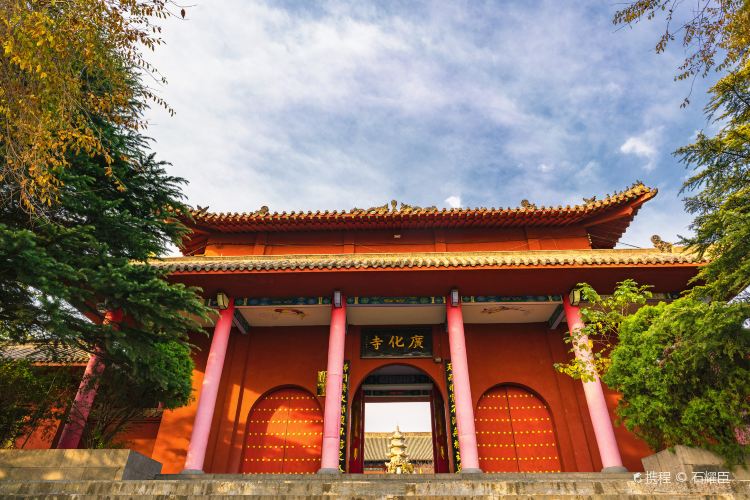
At Longmen Guanghua Temple, the setting is also connected with the history of Chinese Esoteric Buddhism. Its buildings, courtyards, and commemorative sites offer visitors a way to encounter Buddhist heritage in the place where that heritage is remembered and maintained.
You may find that the most interesting moments are not the ones you planned in advance: hearing a bell across the courtyard, noticing the quiet rhythm of the temple in the morning, or discovering a historical detail you had previously overlooked.
There is no need to expect a dramatic personal transformation. Sometimes the value of the experience is simply having time to notice a different way of living.
What to Prepare Before Your First Temple Stay
A little preparation makes the arrival easier. You do not need specialist equipment, meditation clothing, or previous knowledge of Buddhist practice. Focus on practical comfort and respect for the environment.
Comfortable, modest clothing: Choose clothing suitable for walking and respectful of the temple environment. Avoid overly revealing outfits when visiting religious areas.
Walking shoes: Bring comfortable shoes for moving around the temple grounds and exploring the surrounding area.
Personal essentials: Pack your usual toiletries, any necessary medication, and items you need for daily comfort.
Dietary information: Tell the host about allergies or dietary requirements before arrival, and confirm which meals are available.
Travel details: Confirm your arrival date, length of stay, room arrangement, and transport plans in advance.
Questions about activities: Ask whether chanting, meditation, or other cultural activities will be available during your dates and whether participation requires a separate arrangement.
Language arrangements: If you do not speak Chinese, confirm in advance what English-language assistance is available for accommodation, activities, and practical communication.
For accommodation details, room options, and current arrangements, visit the Guanghua Temple Zen Stay page. It is always better to confirm the details of your specific dates than to rely on assumptions based on another visitor's experience.
Frequently Asked Questions About a First Temple Stay
Do I have to wake up at 4 a.m.?
Not necessarily. Do not assume that every temple stay follows a 4 a.m. schedule. Daily routines and guest activities vary by location and arrangement. At Guanghua Temple, optional morning chanting is subject to availability. Confirm the schedule for your dates before booking.
Do I have to participate in Buddhist ceremonies?
No. The Guanghua Temple Zen Stay page explains that temple activities are optional. Guests can choose their level of participation while respecting the temple environment and its customs.
Can I use Wi-Fi and my mobile phone?
Yes. Wi-Fi and internet access are listed among the accommodation facilities at Guanghua Temple. Guests should still use phones considerately and avoid disturbing quiet areas or organised activities.
Are all meals included in the accommodation?
The current accommodation information describes a traditional vegetarian breakfast. Additional meals may be arranged according to availability. Confirm the exact meal arrangements, especially if you plan to stay for several days.
Can I stay if I am not Buddhist?
A Buddhist background is not required for a respectful cultural visit. The temple stay information states that beginners are welcome and that previous meditation experience is not necessary.
Do I need to speak Chinese?
Language support should be confirmed before booking. If you need English assistance, mention this clearly in your inquiry and ask what support can be provided during your stay.
What if I need to change my plans or leave earlier?
Contact the accommodation team as soon as possible if your plans change. Ask about the booking, cancellation, and early-departure terms before confirming your reservation rather than assuming that every arrangement has the same policy.
Is a Temple Stay Right for You?
A temple stay may suit you if you are curious about Chinese Buddhist culture, want to experience a historic temple environment, or would like a quieter alternative to a conventional city hotel. It can also be a meaningful addition to a longer cultural journey through Luoyang.
It may be less suitable if you expect hotel-style entertainment, a fully flexible restaurant menu, or a tightly scheduled programme without first checking what is available. Understanding the difference before you arrive helps you choose the right experience.
If you would like a broader cultural journey beyond accommodation, you can also explore Funzendo's Zen Pilgrimage journeys. These programmes introduce visitors to Buddhist heritage and important cultural destinations in different parts of China.
Ready to Experience a Temple Stay in Luoyang?
Your first temple stay does not need to be a test of discipline or a search for instant enlightenment. It can begin with something much simpler: arriving with an open mind, learning a few local customs, enjoying a quiet place to rest, and discovering what everyday life feels like in a traditional Chinese temple setting.
Longmen Guanghua Temple offers accommodation within a historic Buddhist environment, with opportunities to experience temple culture at your own pace. Whether you are planning a short cultural visit or considering a longer stay, the best first step is to understand the arrangements that are available for your dates.
Explore the Guanghua Temple Zen Stay, learn more about the temple and its heritage through the Places section, or contact the Funzendo team through the booking inquiry page to ask about room availability, meals, language support, and optional activities.
Come with questions. Leave room for discovery.