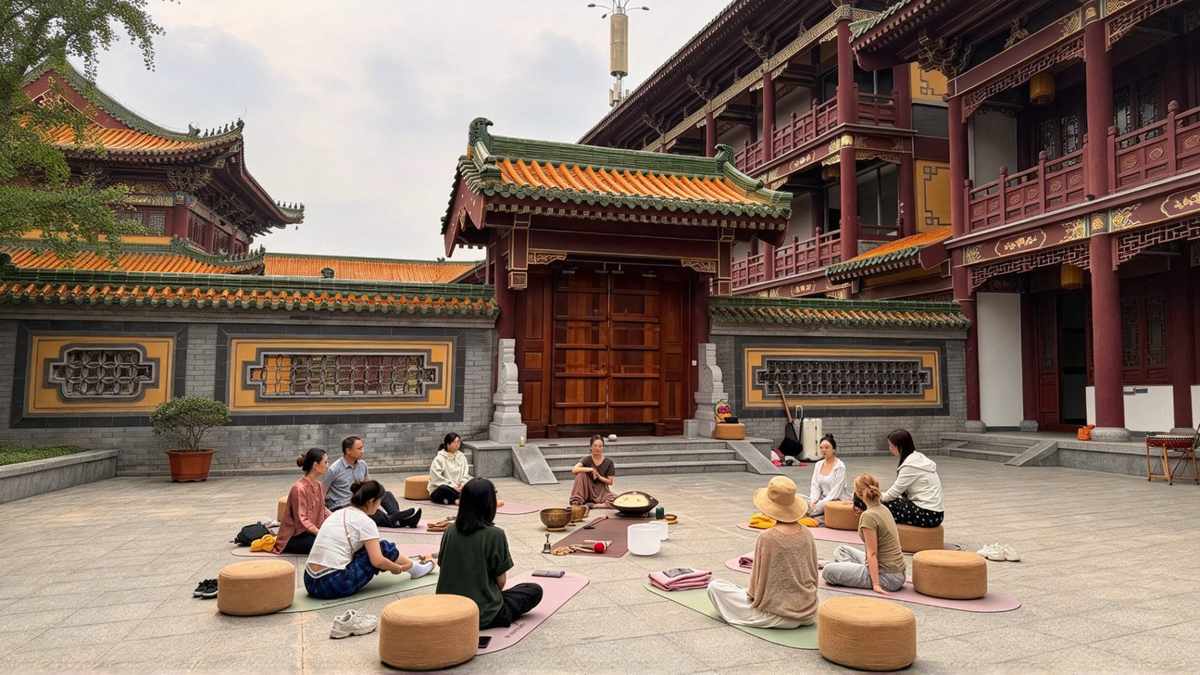
World Mental Health Day Highlights the Importance of Everyday Wellbeing
World Mental Health Day, observed annually on October 10, provides an international opportunity to discuss mental wellbeing, reduce stigma, and encourage greater awareness of the challenges people face in modern life. In 2026, the occasion offers a timely reason to reconsider how daily routines, personal reflection, and meaningful cultural experiences fit into a balanced lifestyle.
For many people, contemporary life is shaped by constant notifications, demanding schedules, and an ongoing flow of information. Finding time to slow down can be difficult, even when the need for rest and reflection is clear.
Meditation has attracted growing interest as one way to create space for greater awareness of the present moment. Rather than treating meditation as a quick solution to every difficulty, it can be approached as a practice that encourages patience, observation, and a more deliberate relationship with daily experience.
What Traditional Zen Practice Can Teach Us About Attention
In Chinese Buddhist traditions, meditation is not simply a technique for relaxation. It is part of a broader path of cultivation involving attention, ethical reflection, discipline, and insight.
Zen practice places particular emphasis on direct experience. Through sitting meditation and other forms of structured practice, participants learn to observe thoughts and sensations without immediately reacting to them. The purpose is not necessarily to eliminate thoughts, but to develop a different way of relating to them.
For beginners, this distinction is important. Meditation does not require an empty mind or perfect concentration. Learning to notice distraction and gently return attention to the practice is itself part of the process.
Traditional Chinese contemplative culture also encompasses mindful movement, tea practice, and quiet periods of reflection. Each offers a different setting in which people can pay closer attention to ordinary actions and their surroundings.
These practices are not substitutes for professional mental health care when it is needed. Their value lies in providing structured opportunities for reflection and the cultivation of awareness.
Why Cultural Immersion Matters in a Meditation Retreat
A meditation retreat differs from an ordinary visit to a scenic destination because its central purpose is participation rather than sightseeing. A retreat creates a dedicated period in which daily activities can be organized around practice, rest, and learning.
At a traditional temple, the surrounding environment can help participants understand meditation within its cultural context. Temple architecture, Buddhist teachings, daily routines, and the atmosphere of a historic religious site all contribute to an experience that goes beyond learning an isolated technique.
For international visitors, this cultural dimension can be especially meaningful. Experiencing meditation in China provides an opportunity to explore the traditions in which particular practices developed, while learning about the history and values that continue to inform them.
A well-designed introductory retreat should also take account of different experience levels. Beginners benefit from clear instruction, manageable practice sessions, and time to ask questions. The aim is not to achieve a dramatic transformation in a few days, but to establish a better understanding of the practice and how it may fit into everyday life.
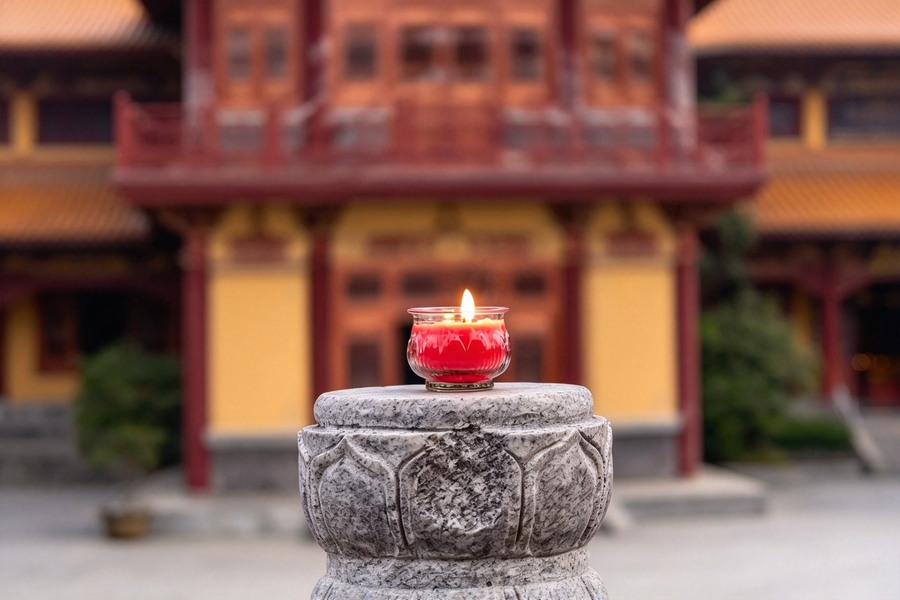
Discover Zen and Traditional Chinese Culture with Funzendo
Located at Longmen Guanghua Temple in Luoyang, Henan Province, Funzendo connects Zen meditation with Chinese Buddhist heritage and traditional cultural experiences.
Its programs introduce participants to practices such as sitting meditation, breathing exercises, mindful tea experiences, and other forms of traditional cultural learning. Depending on the program, visitors can also explore the historical significance of Longmen and its place in the development of Chinese Buddhism.
For those new to meditation, an introductory retreat offers a structured way to become familiar with the practice. Longer programs provide more time to develop a routine and explore the relationship between contemplative practice and traditional Chinese culture.
Visitors should choose a program according to their interests, available time, and level of experience. Meditation is a personal practice, and the experience of a retreat will vary from one participant to another.
Making Space for Reflection Beyond October 10
World Mental Health Day is observed on a single date, but conversations about wellbeing remain relevant throughout the year. For many people, the practical challenge is finding sustainable ways to make room for rest, reflection, and meaningful activities amid everyday responsibilities.
A short period of quiet sitting, a mindful cup of tea, a walk without digital distractions, or participation in a guided meditation session can serve as a starting point. Consistency and realistic expectations are more useful than pursuing immediate results.
Traditional Zen culture offers one perspective on this process: awareness develops through practice, and ordinary moments can become opportunities to observe how we think, act, and relate to the world around us.
Through its meditation programs and cultural experiences, Funzendo invites international visitors to explore this heritage in its Chinese setting and discover a more informed relationship with meditation.
Explore Funzendo: Learn more about Zen Meditation, discover upcoming Cultural Activities, or visit the Funzendo website to explore meditation retreats and cultural pilgrimage experiences in China.