Zen meditation guide for beginners: A Simple Start
Zen meditation guide for beginners opens with small, sensory rules that feel useful on day one: sit upright, count the out-breath, notice the wooden fish drum at 6am. In the first 80 words I want to anchor you in a place where concrete details matter — the cool of a stone step, the taste of light congee, the sight of three monks walking single-file. What surprised me was how a single bell can change a whole room’s tempo. I noticed hands holding prayer beads, and the steam lifting from a bowl of mung bean congee at midday.
Preparing to Sit: Posture, Cushion and the First Breath: focusing on Zen meditation guide for beginners
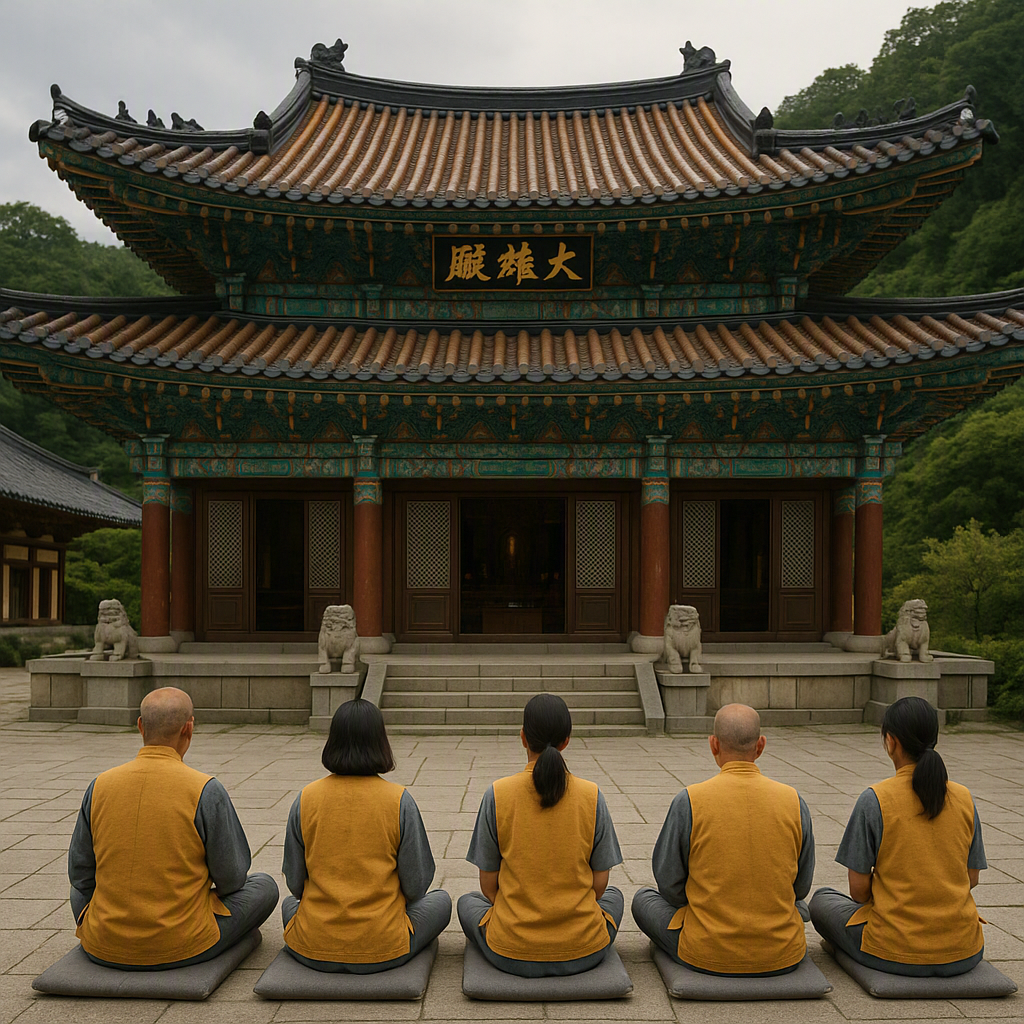
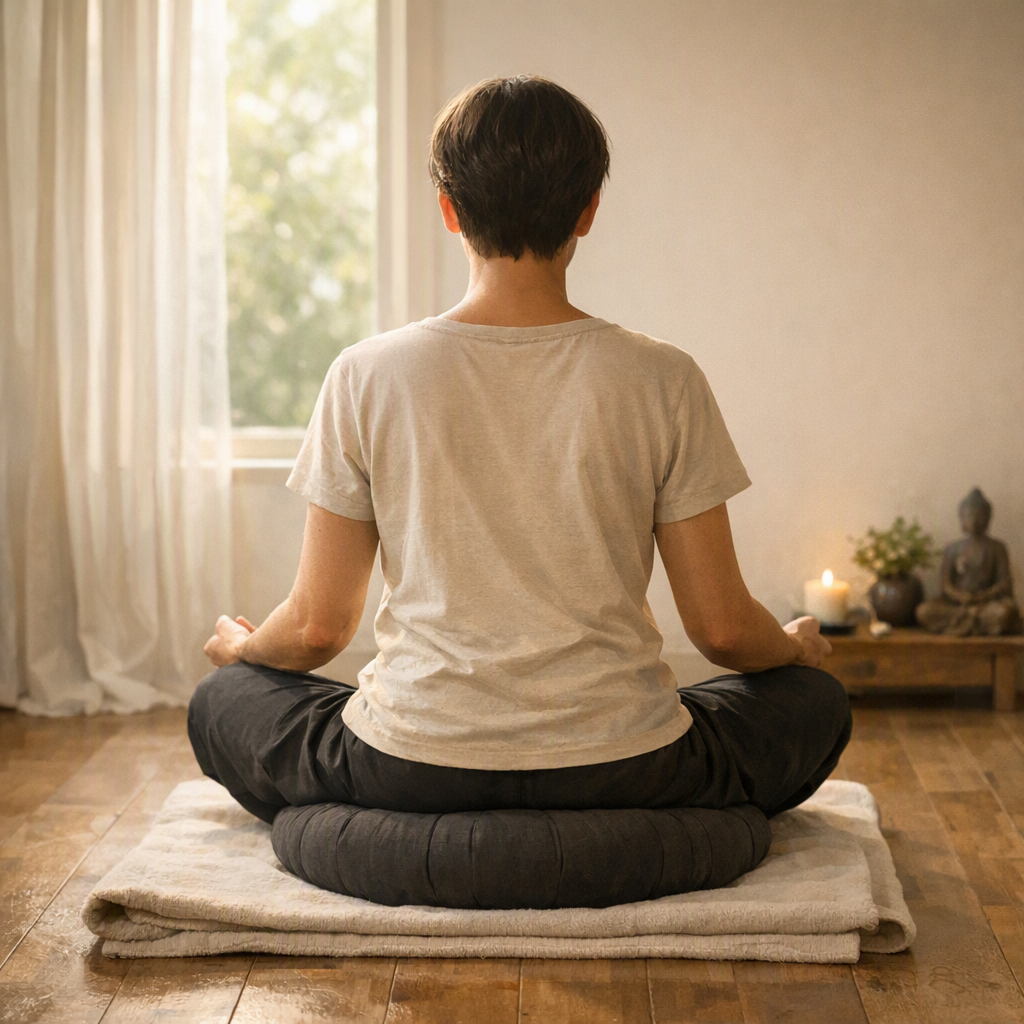
For travelers interested in Zen meditation guide for beginners, Begin with posture before you worry about breath. Sit on a zafu or firm cushion so your hips tilt forward and your spine stacks naturally; this often means adding a 10cm folded blanket under the sit bone for comfort. I suggest starting with 20 to 30 minutes sessions, and I found that’s enough to notice patterns without collapsing into checking the phone. Photographable details here include hands resting on knees, feet tucked or crossed, the texture of a stitched cotton zafu and light on a stone step at 7am.
When it comes to Zen meditation guide for beginners, The head should balance on the neck like a bird on a reed; chin slightly tucked, eyes lowered or softly closed, ears aligned with the shoulders. Breath should be simple: let the belly move, keep the chest relaxed, and count the out-breaths if attention slips. In a monastery I stayed at near Luoyang, the head monk timed every sit with a wooden fish; the rhythm helped anchor novices during the first week. That wooden fish drum at 6am is a sound you’ll remember — sharp and oddly comforting.
When it comes to Zen meditation guide for beginners, Set up a small, clear space for practice and remove distractions: a folded altar cloth, a single candle, a bowl of water, or a string of beads. I noticed my practice improved when I stopped trying to create a perfect room and instead focused on one small object, like prayer beads warmed in the palm. An image to take: hands holding mala beads against a simple cushion, morning light catching the beads’ grain. Practical detail: if you have back pain, a 15cm block under the knees while sitting cross-legged can make the difference between finishing a session and sending yourself to the couch.
When it comes to Zen meditation guide for beginners, Wear simple clothing that breathes and doesn’t pinch; cotton trousers and a loose top work well for 90% of people. Keep a timer — a small kitchen timer or a meditation app set to a gentle bell — rather than a phone with notifications, so the end of a sit isn’t another jolt. At home, choose a regular time: 6am, 12pm, or 9pm, and treat that time as non-negotiable. Photographable scene: a pair of wooden sandals beside a cushion and a small cup where steam rises during a short tea break.
First Sessions: Timing, Breath Counts and Simple Anchors: focusing on Zen meditation guide for beginners
When it comes to Zen meditation guide for beginners, When you begin, choose a structure so attention has scaffolding. Try 25-minute sittings with three rounds of 7-8 breaths counted on the exhale; add five minutes of walking meditation between rounds. In one retreat I attended near Yongquan Temple, people followed a pattern of 40-minute sits in the morning and a single 20-minute sit after lunch; that rhythm made restlessness manageable. A concrete sensory cue: the smell of sandalwood smoke at 5:30am signalled the start to everyone.
When it comes to Zen meditation guide for beginners, Counting breath is an old, blunt tool that works: inhale, exhale, count one; continue to ten and restart. If distraction arrives — a plan, a pain, or the neighbor’s hammer — return gently to the count without criticism. In my first week I was surprised how often I needed to lower expectations; I’d go in expecting a blank mind and instead found a carnival of thoughts. Photograph ideas: a notebook with a simple tally, a hand turning a page, the faint shadow of a bell at dawn.
When it comes to Zen meditation guide for beginners, Alternate sitting with short walking meditation to loosen the body and reset attention. Walk slowly for 10-20 steps, feeling each heel and toe, letting the breath match the pace of the steps; this keeps the body from cramping during several sits. At the monastery a 70-year-old retreatant from Berlin taught me to watch the soles of my feet as if they were children learning to walk; it worked when my lower back stiffened. Visual note: monks walking single-file along a paved courtyard make a strong photo.
When it comes to Zen meditation guide for beginners, Finally, keep a light log: date, length, and one sentence about what stood out. Over a month you’ll see patterns — evenings that are better after a midday sit, or mornings that are muddled until you have tea. My log showed that 3 out of 7 mornings were clearer after a 10-minute breath practice before breakfast. Concrete detail for a photo: steam rising from a bowl of mung bean congee served at retreat lunches, spoon poised above the bowl.
Frequently Asked Questions
How much time should a beginner spend meditating each day?
Start with 10 to 20 minutes daily. This amount builds a habit without overwhelming your schedule, and you can increase in 5 to 10 minute steps as comfort grows.
What should I pack for a short monastery retreat?
Pack simple clothing that layers, a small towel, a meditation cushion or folded blanket if you prefer your own, and any pain supports like a knee sleeve. Include a small notebook and a modest flashlight for evening reading.
Is this practice suitable for total beginners?
Yes. The methods are basic: posture, breath counting, and short sittings. Many new practitioners find clarity within weeks when they keep the practice small and regular.
Will a language barrier be a problem at a temple retreat?
Not usually. Monastery schedules are often simple and guided by bells and visual cues, and many retreats provide basic translations or volunteers who speak English. Bring a phrasebook or a printed note of questions to bridge any gaps.
Do I need special equipment to start?
Only a cushion or a sturdy chair and a timer. Optional items like a small zafu, blanket, or a mala (prayer beads) can help, but most beginners start with a folded blanket and comfortable clothes.