Spiritual Tour at a Chinese Temple Near Luoyang
A spiritual tour need not be theatrical; at Yongquan Temple, just 12 kilometres from the Longmen Grottoes, a single day can strip away the clutter of travel. At 5:30am I stood beneath a 1200-year-old ginkgo and watched three monks ring a bronze bell while sandalwood smoke rose in thin ribbons. The first morning the head monk, Master Huiyuan, handed each visitor a string of 108 beads and a small bowl of mung bean congee. I noticed small details: the weight of the bowl, the soft scrape of chopsticks, the way sunlight cut across worn stone.
Arrival and First Impressions at the Monastery Retreat: focusing on spiritual tour
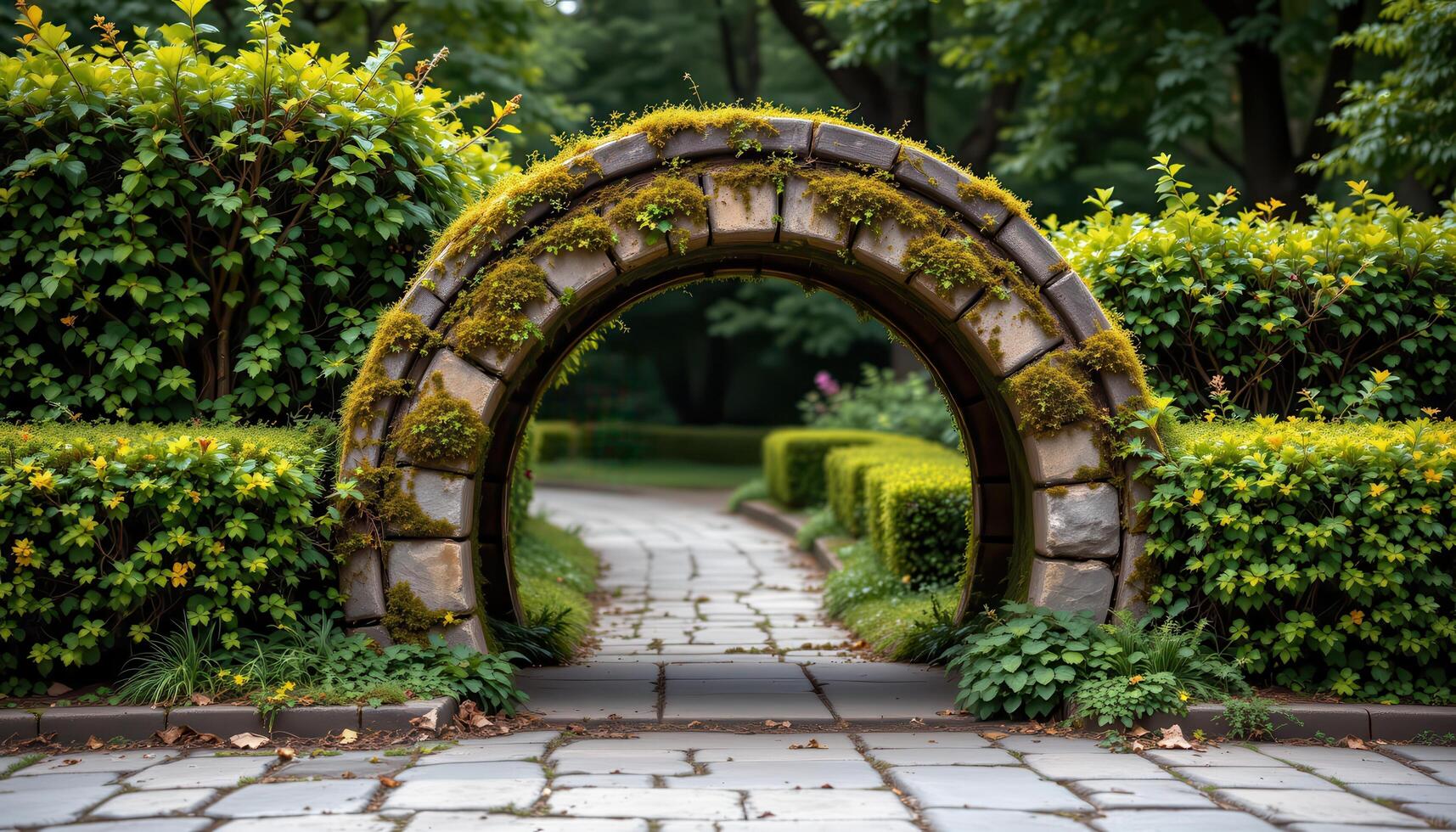
For travelers interested in spiritual tour, The gateway to the courtyard is a low stone arch scarred by generations of hands; you can photograph the moss patterns and the exact texture of the tiles that have been trodden since the Tang dynasty. On my first afternoon three lay volunteers showed us where to leave shoes and how to fold the grey cotton robe. There were practical signs in Chinese and English, but the most important instruction came from a 70-year-old retreatant from Berlin who tapped his watch and smiled: the schedule is precise. I felt unprepared for how loud quiet could feel in a place with only five guest rooms and two daily services.
When it comes to spiritual tour, Inside the great hall an old wooden fish drum sits to the left of a lacquered altar; the sound it makes is dull and hollow, a single pulse that measures out time like a heartbeat. I watched Master Huiyuan strike it at 6am and counted eight strikes before a chant began, and the cadence anchored me more effectively than any clock. The air smelled of jasmine tea, sandalwood, and the faint metallic scent of the bell. Visitors can photograph hands holding prayer beads, the drum's lacquered grain, and the shadow the bell casts on a carved pillar.
Daily Rhythm: Chanting, Meals, and Silent Practice: focusing on spiritual tour
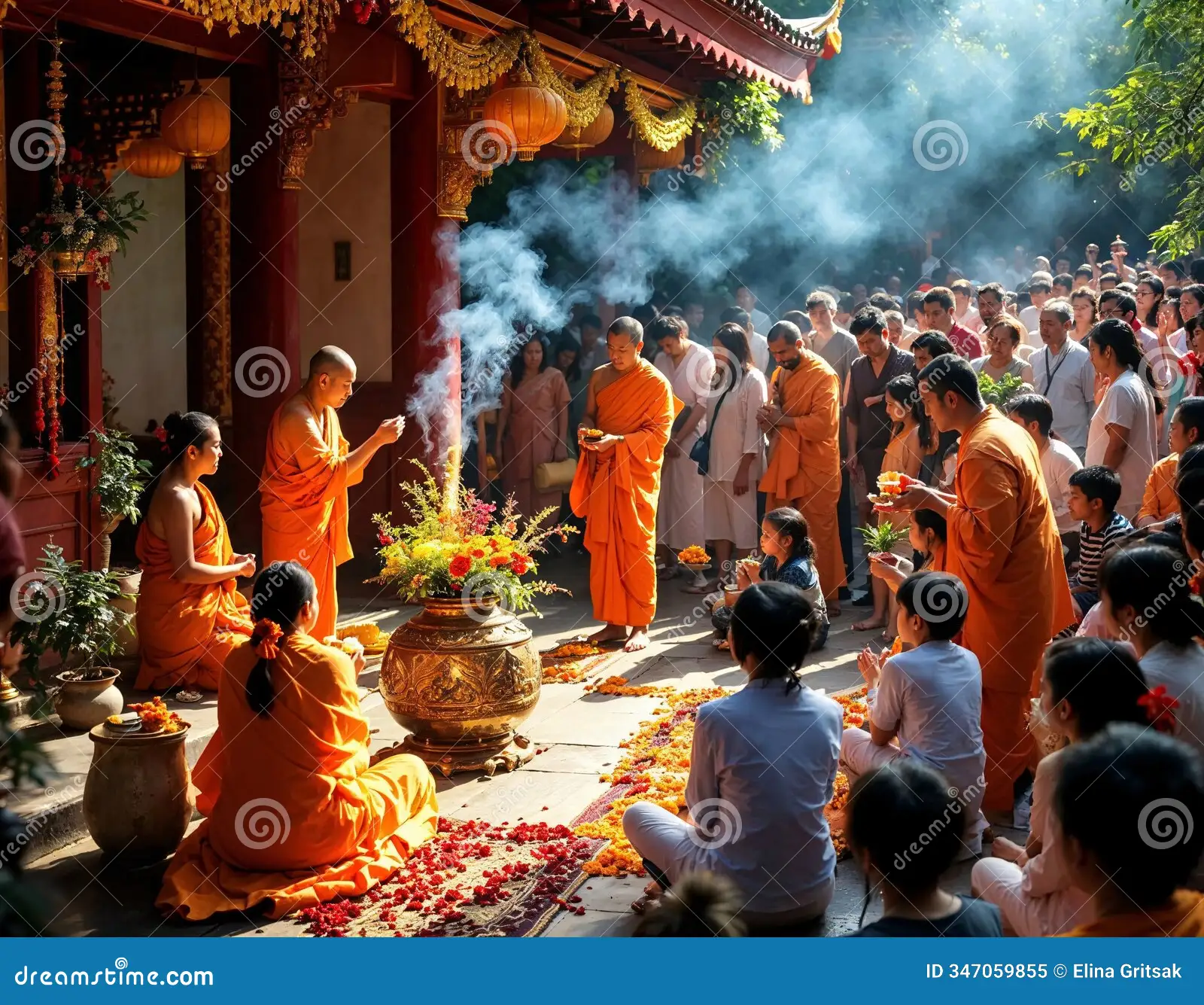
When it comes to spiritual tour, Days begin before dawn. At 5:30am the bell rings and incense is lit; the smell of sandalwood and smoke hangs low, and you can count the bell's tolls—nine in the early service on my second morning. The schedule includes two chanting sessions, a three-hour seated meditation block, and a 45-minute work period: volunteers sweep the temple steps with short-handled straw brooms or kneel to water a row of three clay pots of greens in the small vegetable plot. I found the wooden fish's steady knock—the slender, hollow sound—helped me hold attention during long stretches. Photographable moments include lined hands sweeping steps, the slow plume of incense, and the monks walking single-file under eaves.
When it comes to spiritual tour, The chanting is sung in classical Chinese tonalities I could not reproduce, led by the head monk from a small raised dais. Around ten visitors and three monks gather for noon lunch, which is offered in silence most days; the rule is respectful quiet except for necessary talk at certain tea times. Meals are vegetarian and substantial: a noon meal once featured sesame tofu, braised lotus root, and a bowl of brown rice. I noticed how the rhythm of eating slows: a meal becomes a practice when you must chew each mouthful deliberately, and that slowness shows up in photos as extended hands over bowls.
Work Practice and Local Excursions Around Luoyang: focusing on spiritual tour
When it comes to spiritual tour, A few afternoons are set aside for community work: sweeping the main stairwell, sorting offerings, or preparing incense packets. These tasks are low-stakes but intimate; I remember counting a neat pile of 36 folded cloth napkins and the exact rhythm of someone tying a bundle of prayer papers. The work is photographic in its repetition—hands tying knots, lint on a broom, the small differences that make the mundane visible. For many visitors the chance to carry water in clay jugs or press tofu is what makes the stay feel real rather than theatrical.
When it comes to spiritual tour, On day three our group took a short trip—20 minutes by van—to the Longmen Grottoes (龙门石窟). The afternoon light there falls across carved faces and creates deep, dramatic shadows that are perfect for photographs and for quiet study. The scale of the grottoes is humbling: rows of statues, niches within niches, and the worn steps visitors have used for centuries. I preferred walking the temple precincts in silence after the excursion, watching how light and shadow reframe small corners and how a 1200-year-old ginkgo drops leaves like a slow confetti.
Preparing to Leave: What Changes After a Few Days
By the final morning the rhythm of ritual becomes part of your muscles: the lift of a bowl, the fold of robes, answering with both hands when offered tea. I noticed I reached for a cup differently, more slowly, and the sensation of steam felt more substantial than before the stay. The head monk spoke briefly at breakfast about taking simple practices home: three short exercises to anchor attention during a busy day. Photograph the farewell cup of tea, the lined faces of volunteers, and the 1200-year-old ginkgo that shades the courtyard.
Packing is deliberate and unhurried; guests fold robes into a small cloth bundle and tuck incense into the corner of a bag. A final sweep of the meditation hall—three of us volunteers—revealed small traces: a single prayer bead left on the bench, a blot of wax on a candleholder. I and the other retreatants shared a simple handshake with Master Huiyuan; that small human contact felt more significant than any grand gesture. For those who worry about language barriers, the quietness of practice often communicates more than speech.

Frequently Asked Questions
How much does a typical temple stay cost?
Prices vary by temple and length of stay; at small monastery retreats near Luoyang a three-day stay often costs between 600 and 1,200 RMB, which usually covers lodging and meals. Special programs with a private teacher or guided excursions can add to the cost.
What should I pack for a short retreat?
Pack modest, loose-fitting clothes that cover shoulders and knees, a lightweight jacket for cool evenings, a small towel, and a simple notebook. Bring any personal medications and a pair of quiet shoes for stone courtyards.
Is a temple stay suitable for complete beginners?
Yes, many temples welcome first-timers and offer orientation on chanting, posture, and the daily schedule; volunteers often explain simple etiquette. Expect some quiet rules and a gradual introduction rather than intense instruction.
Will language be a barrier during the program?
Some temples provide basic English signage and a volunteer or two who can translate; in others you will rely on gestures and printed schedules. Learning a few Mandarin phrases helps, and much of the practice is nonverbal and experiential.
How physically demanding are the days?
Physical demands are moderate: there are periods of seated practice that can total several hours, light communal work like sweeping, and short local walks. If you have mobility issues, check in advance; some halls have steps and low platforms.