Tea Culture Workshop China: Hands-On Gongfu Tea
A tea culture workshop China taught me how a single scoop of leaves can reshape a morning. At 5:30am incense met the damp air and the head monk struck a wooden fish twice; three of us sat under a 1,200-year-old ginkgo watching steam curl from a porcelain gaiwan. I noticed how the first aroma—green, chestnut, faintly toasted—moved through the courtyard. I came expecting technique; what surprised me was how precise silence organizes hands.
tea culture workshop China: morning rituals and place
For travelers interested in tea culture workshop China, The workshop began at 6am with a ritual that felt choreographed and lived-in: three monks led us through a bell toll and the wooden fish tapped in a steady rhythm that matched the drip of water. The space sits a twenty-minute drive from Longmen Grottoes and a stone stair leads up past a 1200-year-old ginkgo whose leaves fall like small coins in autumn. I could photograph the thin steam rising from a gaiwan held by a woman in a blue jacket, the shallow bowl catching the pale light. The smell of sandalwood and wet stone was constant, and the instructor, Master Huiyuan, explained why water temperature to the degree matters as much as the leaf.
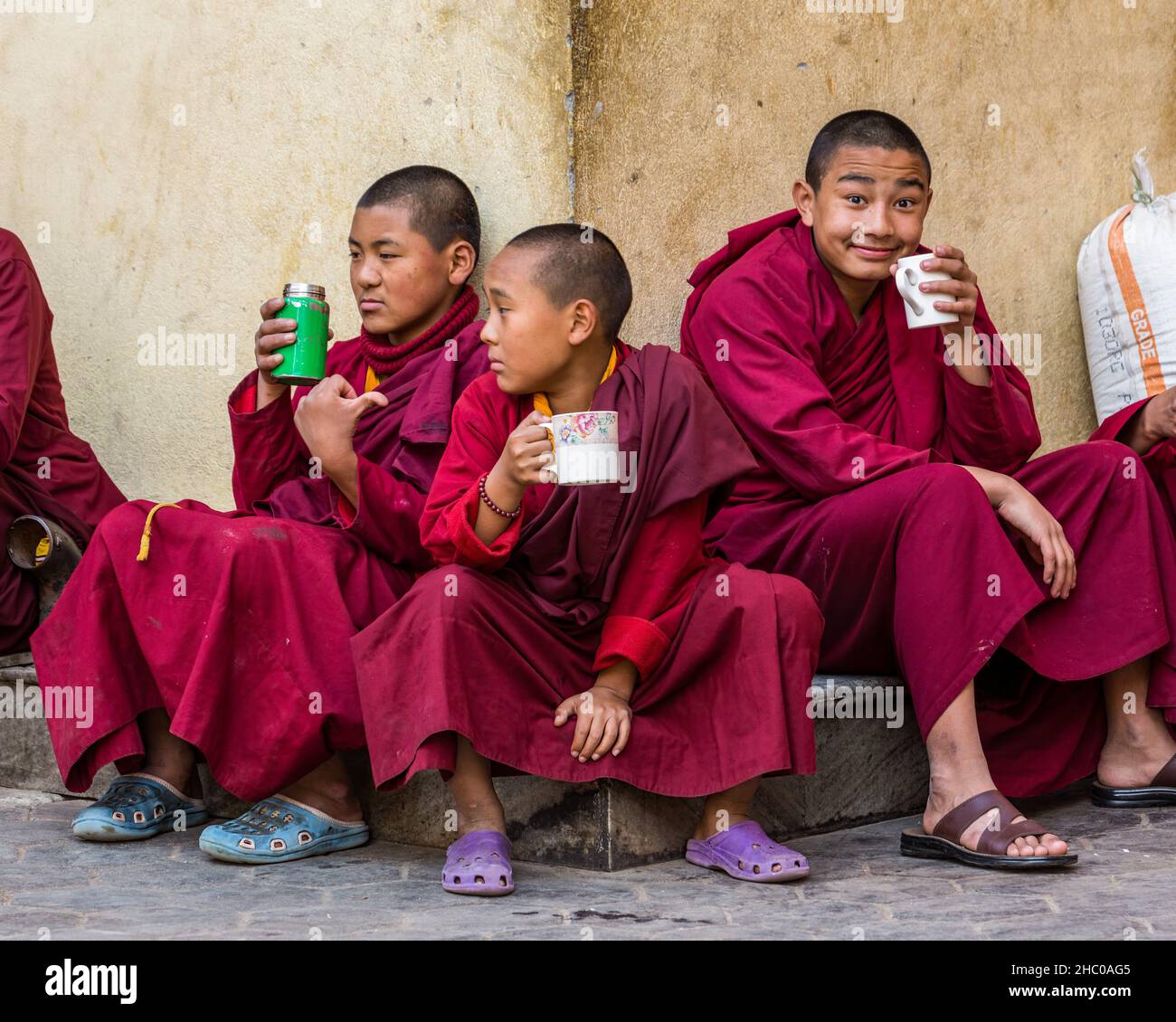
When it comes to tea culture workshop China, Hands-on practice began with measuring: three grams of oolong for a 100ml pot, precise enough to feel like counting breaths. The head monk demonstrated using a bamboo scoop, the tip whispering as it released the leaves; he wore a plain grey robe patched at the elbow and had practiced this motion for decades. We learned to rinse first infusion for five seconds, then pour a two-minute steep, noticing how the color changed from pale green to honey amber. The scene to photograph here: close-ups of fingers cradling a gaiwan, droplets clinging to porcelain rims, and the slow tilt of a spout.
How technique is taught at a tea culture workshop
When it comes to tea culture workshop China, Technique was taught in layered steps: first how to heat the water, then how to measure, followed by handling and pouring. The teacher used a 100ml gaiwan and demonstrated four distinct wrist motions; repetition was emphasized until the motion felt like a single breath. He timed pours with a sandglass of sixty seconds and insisted we notice the sound of leaf unfurling, a soft crinkle that announces release. Photographs from this section would capture the motion blur of a wrist, the steam halo above a spout, and a row of small tasting cups aligned like soldiers.
When it comes to tea culture workshop China, I learned to judge water by feel as much as thermometer; a specific moment—the way a bead of water forms at the spout—became my signal to pour. The instructor had us practice thirty pours in an hour, and I felt my shoulders drop as my hands found rhythm. We compared session notes: one student preferred shorter infusions for brighter liquor, another favored longer steeps for heavier body. The tactile practice is very image-friendly: fingers stained faintly green, a bamboo tong cradling a leaf, droplets suspended at a lip.
tea culture workshop China: pairing tea with food and silence
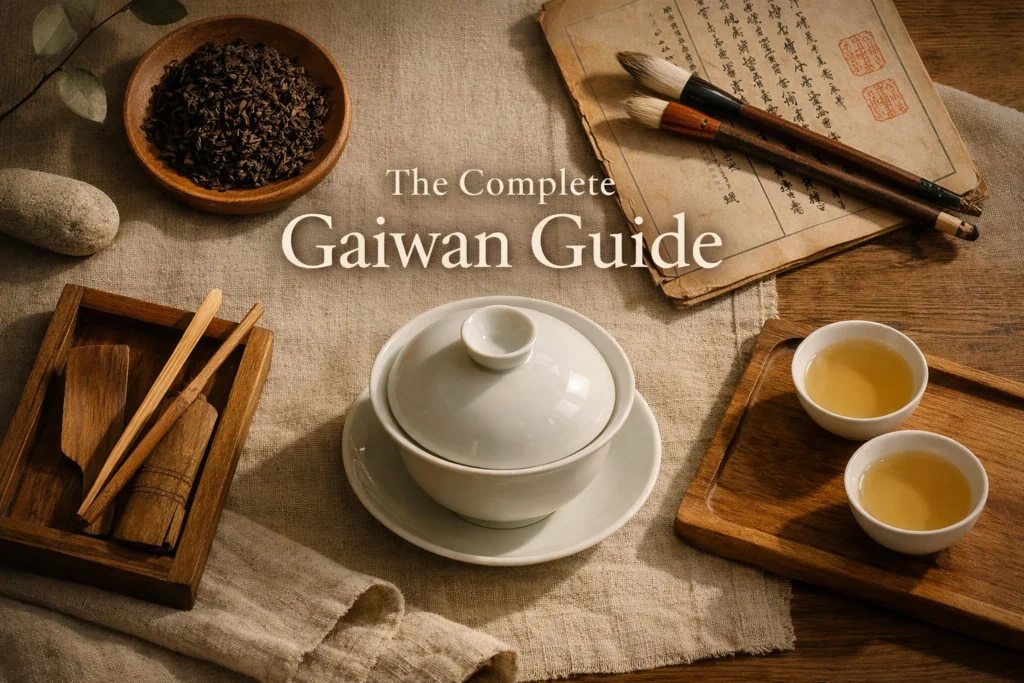
When it comes to tea culture workshop China, Pairing teas with simple temple food was a lesson in restraint: a light green tea with steamed bok choy, a roasted oolong with chestnuts. We sampled six pairings across two hours, noting how the tea opened when matched with acidity or fat. The kitchen served plain steamed buns at 11am and a small plate of pickled cucumber for contrast; the bun offered starch to ground the palate between infusions. A photographer would find intimate frames here: chopsticks lifting a leaf of bok choy, the gloss on a chestnut half, a steeping bowl beside a lacquered tray.
When it comes to tea culture workshop China, Silence was its own ingredient during tastings: for five-minute intervals we tasted without speaking, letting the flavors evolve and recording impressions. The head monk explained that silence lets you perceive second and third notes; he timed these intervals on a brass bell you could hear across the courtyard. I felt awkward at first but then noticed subtle progress: earlier I missed the roasted note, later I could point to a mineral finish. The ritual of silent tasting is highly visual too—the bowed heads, the small, careful sips, the collective concentration make for striking documentary shots.
Workshops, schedules and what to expect at the site
Typical workshops run for a full day from 6am to 4pm or shorter half-day sessions of roughly four hours; the full-day option includes a tour of nearby Longmen Grottoes and an extra tasting of aged pu-erh. The schedule is posted on a wooden board in the courtyard and the day unfolded in measured blocks: heating, measuring, tasting, and paired food. When planning, I noticed that arriving by 5:50am gives you time to acclimatize to the stone coolness before the first bell. Photographs that tell the daily story: the wooden timetable, a kettle warming on charcoal, and the slow movement of shadows across flagstones.
Expect small groups: workshops cap at twelve participants to keep instruction personal and hands-on. On the day I attended there were eight guests, which allowed the teacher to correct each participant’s pour and posture. The site provides simple robes on request and sturdy cloth coasters; bring comfortable shoes because you will stand for long pours. For photographers, small groups are easier to shoot candidly—there’s room to move, and you can wait for quiet moments without disturbing the lesson.
Many visitors add a short temple stay of one or two nights to deepen practice, sleeping in plain rooms with thin quilts and waking to a 4:30am bell for morning chanting. I chose a single night and found the space of silence sharpened my attention; the communal dinner at 6pm was a plain bowl of rice and sautéed greens that accentuated the teas. If you’re considering overnight, pack light: a warm sweater, slippers, and a small notebook. Captureable scenes include low-ceiling sleeping quarters, lantern light on simple bedding, and morning bells caught mid-resonance.
Frequently Asked Questions
How much does a typical workshop cost?
Prices vary by length but expect ¥300–¥800 for a half-day session and ¥800–¥1,500 for a full-day program that includes meals and tastings. Some sites charge extra for overnight stays or guided plantation visits.
What should I pack for the workshop?
Bring comfortable, non-restrictive clothes and slippers for standing on stone floors; a small notebook and pen are useful for recording times and temperatures. If staying overnight, include a warm sweater and any personal toiletries.
Is the workshop suitable for beginners?
Yes. Teachers structure lessons for mixed levels and often split groups to offer one-on-one correction for novices. Beginners should expect patient repetition of basic pours and an introduction to tasting vocabulary.
Will language be a barrier?
Many workshops provide basic English instruction and use demonstrations to bridge gaps; some teachers speak limited English while others use a translator. If you don’t speak Chinese, bring a phrasebook or translator app and expect gestures and examples to do much of the teaching.
Can I buy tea at the workshop?
Yes, most sites sell sample tins ranging from ¥60 to ¥200 for 50g, and some offer shipping for larger purchases. Teachers often recommend storage tips and may label teas with brief tasting notes.