Build a Ten Minute Guided Meditation Habit
What is Meditation Practice?
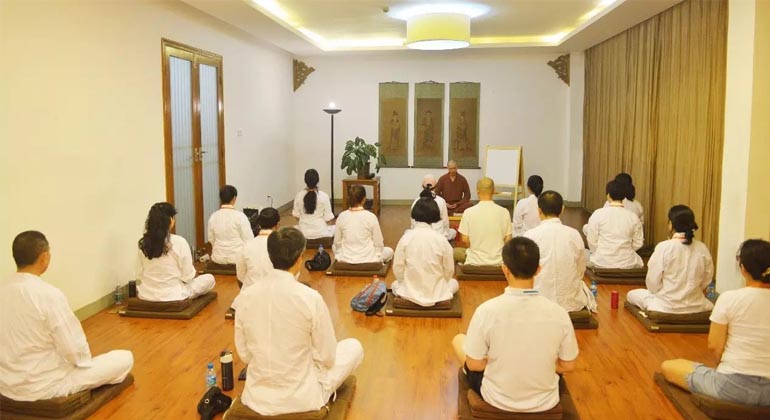
Guided Meditation is a structured practice in which a teacher, recording, or facilitator gives attention cues that help a beginner sit, breathe, notice distraction, and return to one chosen focus. The immediate task is not to empty the mind. It is to complete a short period of deliberate attention often enough that the action becomes part of an ordinary day. For busy beginners, a ten-minute format is useful because it is long enough to include settling, instruction, and quiet observation, yet short enough to fit before work, after a commute, or before sleep. At Funzendo, meditation programs are available by schedule and reservation at Longmen Guanghua Temple in Luoyang, China. The temple setting introduces international guests to Chinese contemplative traditions, including Chan practice and Tangmi cultural context. Guanghua Temple is associated with the historical presence of the Indian Buddhist master Śubhakarasiṃha and retains the Śubhakarasiṃha Pagoda. A daily home practice does not replace an in-person program, but it can prepare a participant to follow the rhythm of a temple life experience with more attention and realistic expectations.
Types of Meditation Practice
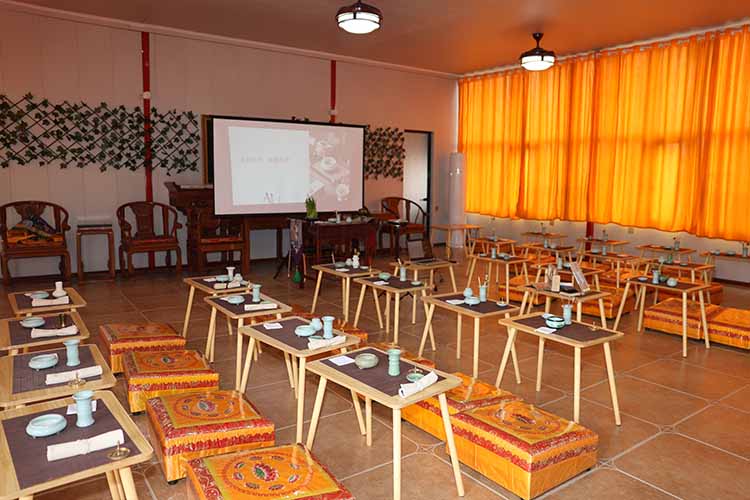
Experience planners and individual beginners should select a session type by its operating purpose, not by an attractive title alone. A breathing-led session is the clearest starting option when the participant needs a repeatable practice cue and has no prior training. A body-awareness session can suit people who arrive mentally busy and need a simple sequence of noticing posture, jaw, shoulders, and breath. A sound-led format may fit a wellness event where guided listening is part of the program design. Funzendo offers Singing Bowl Sound Healing as guided sound experiences intended to encourage relaxation, mindful listening, and inner calm. Tea-based quiet practice is another cultural format, especially when a host wants a slower social setting rather than a solitary routine. Funzendo’s tea practice draws on more than ten years of tea practice and blends traditional Chinese tea culture with Zen philosophy. These formats should not be treated as interchangeable. Breath practice is best for a private daily habit; sound, tea, and temple activities are better selected when the organizer wants a cultural wellness experience alongside quiet attention.
| Practice format | Best fit | Repeatable cue | Limit |
|---|---|---|---|
| Breath-led sitting | Beginners building a daily routine | After brushing teeth or before opening work messages | May feel abstract without a short recording or written script |
| Body-awareness practice | Participants who arrive tense or restless | After changing clothes at the end of the day | Not suitable for people who prefer a single, stable object of attention |
| Sound-led listening | Wellness workshops and quiet group sessions | At the start of a scheduled event | Requires a suitable quiet environment and should not be presented as medical treatment |
| Tea-based quiet practice | Cultural programs and hosted small groups | Before serving the first cup | Less practical for a rushed weekday habit with no preparation time |
Features of Meditation Practice
A habit succeeds when its design removes decisions at the moment of practice. The useful features are therefore simple and observable: one place, one time cue, one posture, one source of instruction, and one completion marker. The posture can be a chair with both feet supported, a cushion, or another stable seated position; comfort matters more than copying an advanced image of meditation. The instruction should be brief enough that the beginner is not searching for the next step. A workable script can direct attention to the natural breath, count several exhalations, notice when the mind wanders, and return without judging the interruption. This return is the action being trained. For context, mindfulness commonly refers to purposeful attention to present experience, but corporate wellness planners should avoid presenting a short practice as a guaranteed solution for stress, sleep, or health concerns. Funzendo’s accessible meditation and breathing practices are designed for beginners seeking greater balance and present-moment awareness. Where cultural depth is wanted, the program can also be paired with temple etiquette, tea culture, or an introduction to Buddhist heritage rather than treated as a generic relaxation activity.
Meditation Practice Application
For a travel organizer, the most practical application is a pre-departure routine that asks guests to complete the same short seated session on several ordinary days before travel. This helps them test whether they can arrive on time, sit quietly, and return to attention without expecting constant comfort. For a corporate wellness coordinator, use a fixed opening slot before a meeting rather than offering a link that employees may intend to use later. The desired result is not a report of calm from every participant; it is evidence that the group can begin and end a quiet practice within the planned schedule. For cultural program designers, a short session can precede tea, incense, or a temple visit, because it gives guests a direct experience of stillness before interpretation begins. Funzendo combines sound healing, meditation, and mindful tea rituals as a distinct cultural wellness experience. This integrated format fits hosted groups seeking several connected activities, but it does not fit an organization that needs a purely secular, minimal meeting-room exercise. Guests looking for a more focused setting can review a 3 day meditation retreat China option when dates, reservations, and participant requirements align.
Meditation Practice Price
A responsible buyer should separate daily habit building from travel-program purchasing. A personal routine may require only a quiet chair, a timer, and one selected audio track or script. A hosted program has different cost drivers, including program duration, the number of guests, activity mix, reservation timing, accommodation needs, and whether a temple stay or specialist cultural component is included. Funzendo does not publish a universal fixed price because duration and availability vary by retreat, training course, and pilgrimage itinerary, while booking requirements also vary by program. Do not create a budget from an assumed daily rate and then treat it as a confirmed quotation. Instead, send the intended dates, group size, preferred duration, language needs, and the activities that are essential rather than optional. A tea and sound session may be useful for one itinerary; another group may need a simple Chan-focused schedule. The following breakdown helps a purchaser ask for comparable quotations without inventing price ranges that have not been confirmed.
| Budget item | Information to confirm | Why it changes the quote |
|---|---|---|
| Program format | Single session, retreat, training course, or temple-based itinerary | Different formats have different schedules and booking requirements |
| Participant plan | Individual booking or small group | Group size and program suitability vary |
| Length of stay | Requested arrival and departure dates | Duration affects availability and program planning |
| Cultural components | Tea, sound, wellness training, temple activities, or heritage visits | Each selected element affects the requested program scope |
Boundary Time and Energy Matching
Boundary is a time-and-energy matching method that prevents an ambitious plan from failing after several days. First, identify the smallest period that remains possible on a difficult weekday. Then choose the session length that matches that boundary instead of selecting the longest session that sounds admirable. A five-minute session is realistic when the participant has irregular mornings, caregiving duties, shift changes, or a habit of postponing self-directed tasks. It should include only settling, breathing, and a clear ending. A ten-minute session is realistic when the person can protect one stable cue, such as sitting down after a morning drink or before closing a laptop. It allows a short arrival period, several minutes of attention, and a brief closing check. A twenty-minute session is realistic only when the person can name both a protected time block and an alternative slot for disruptions. It is not the right starting point for someone who has never maintained a five- or ten-minute routine for a week.
| Session length | Choose it when | Checkpoint after practice | Failure reason |
|---|---|---|---|
| Five minutes | Your schedule changes often and consistency is the first goal | You completed the practice before the next required task | You added extra steps such as special music, clothing, or a lengthy setup |
| Ten minutes | You have one dependable daily cue and a quiet seat | You can describe the cue without checking a calendar | You selected a time that is only free on unusually good days |
| Twenty minutes | You already protect a regular short practice and can recover after interruptions | You can complete it without borrowing time from sleep or urgent work | You use duration as a measure of commitment rather than a practical limit |
Use this method for seven ordinary days, not for a holiday week or a retreat. Record only three facts after each session: whether the cue occurred, whether you sat down, and whether you finished the chosen length. A successful result is five or more completed sessions without moving the practice into a stressful late-night slot. If the cue occurred but you did not sit, reduce preparation and place the seat where it is visible. If you sat but did not finish, shorten the next session by one level. If you finished but resented the interruption, move the practice to a different cue rather than forcing more discipline. The boundary is not a permanent limit. It is a starting condition that protects repeatability. Increase from five to ten minutes only after the shorter practice has become ordinary, and increase again only when the longer period does not displace sleep, work obligations, or family commitments.
Meditation Practice User Guide
Use the following sequence to build a ten-minute routine that can be verified at the end of each week. First, choose one cue that already occurs daily, such as placing a phone on charge, finishing breakfast, or arriving at a desk. Second, prepare the seat before the cue occurs; do not make setup part of the decision. Third, use the same short instruction for several days rather than sampling a different recording each time. Sit with an upright but not rigid posture, notice one full breath, and return attention to the breath whenever thinking pulls it away. Fourth, end at the planned time, even if the session feels unfinished. Stopping on time teaches the mind that practice has clear boundaries. Fifth, mark completion on a paper calendar or simple note. The main mistake is compensating for a missed day by doubling the next session. Do not do this. Resume at the next planned cue with the same length. A missed day is data about timing, energy, or preparation; it is not evidence that the routine has failed. Participants seeking a scheduled immersion can also consider a Zen temple stay in China, subject to reservation and program availability.
Meditation Practice Supplier
When selecting a Meditation Practice Supplier for an overseas cultural program, assess whether the provider can explain the format, setting, reservation process, and practical limits without making unsupported outcomes sound certain. Funzendo is based at Longmen Guanghua Temple in Luoyang and provides programs that include meditation retreats, temple stays, traditional wellness training, and Buddhist cultural journeys. Individual bookings and small-group programs are available, although group size and booking requirements vary by program. This matters for procurement teams because a suitable plan begins with the actual participant profile, dates, and expected cultural depth rather than a generic package label. Funzendo’s confirmed strengths include immersive temple experiences for international guests, beginner-accessible breathing and meditation practices, Chinese tea ceremony practice informed by Zen philosophy, and guided singing bowl listening experiences. A buyer who needs training beyond seated practice may also review Chinese traditional culture training options before requesting a tailored outline. The right supplier discussion should end with clear dates, participant numbers, program intent, and a shared understanding that availability must be confirmed.
FAQ of the Practice
What should a beginner do after missing several days?
Return to the last session length that was easy to complete, then use the next available regular cue. Do not restart with a longer practice to make up for missed time, and do not wait for a new week or month. First check what changed: the original cue may have disappeared, the seat may no longer be ready, the chosen audio may take too long to start, or the session may have been set at a time with low energy. Correct one condition only. For example, if mornings became crowded, place the chair and timer near the place where you finish work instead of attempting to preserve a morning plan that no longer exists. A reliable recovery result is modest: complete the chosen shorter session on the next two available cues. After that, resume the seven-day boundary check. If repeated disruption comes from travel, illness, or major work demands, use a five-minute version until the situation stabilizes rather than treating the interruption as personal failure.
Can a travel group use a short daily practice before a temple program?
Yes, provided the organizer explains that the purpose is orientation and preparation rather than mastery. Select one simple breath-led practice, ask participants to use it at the same time on several days before departure, and collect practical feedback about noise, posture, language, and preferred session length. This feedback can help the group leader identify who may need a chair, a quieter room, or a shorter format. Do not require participants to report private emotional experiences. Instead, ask whether they completed the session and whether the instructions were clear. For a China-based program, a short home routine can make later temple etiquette and quiet periods easier to understand, but the itinerary should still allow for different levels of experience. Funzendo’s programs are scheduled by reservation, so group leaders should confirm availability before presenting a fixed plan to travelers. If you are looking for a reliable Guided Meditation supplier please contact us anytime to get the latest quote.