Daoist Wellness in China: A Taoist Path to Health, Balance and Stillness
When people think about traditional Chinese wellness, they often think of acupuncture, herbal medicine, Tai Chi, or meditation. Yet behind many of these familiar practices lies a much older tradition of understanding the relationship between the human body, nature, and the changing rhythms of life: Daoism (Taoism).
Unlike modern wellness programmes that often focus on intensive exercise, strict routines, or short-term relaxation, traditional Daoist self-cultivation places greater emphasis on balance, moderation, natural movement, and awareness. Its central idea is that people should learn to work with the natural rhythms of life rather than constantly struggle against them.
For international visitors interested in discovering a different approach to wellbeing, a Daoist wellness retreat in China offers an opportunity to explore these principles through traditional practices, guided exercises, and cultural learning.
At Funzendo , our Daoist Wellness Practice programme introduces participants to traditional Chinese self-cultivation through three connected stages: Learn, Practice, and Experience. Activities may include Zhan Zhuang (standing meditation), Tiao Xi (breath regulation), and other traditional wellness exercises, depending on the programme schedule.
This guide explains what Daoist wellness involves, how it differs from Buddhist meditation, who may benefit from the experience, and what to consider before joining a traditional Chinese wellness programme.
1. What Is Daoist Wellness?
Daoist wellness is rooted in the traditional Chinese understanding of the Dao, often translated as "the Way". In Daoist philosophy, the natural world is characterised by continuous change, interaction, and balance. Human beings are understood as part of this larger natural order rather than separate from it.
This perspective has influenced traditional Chinese approaches to movement, breathing, daily habits, food, rest, and self-cultivation for centuries.
Rather than treating wellbeing as something achieved through constant effort, Daoist traditions often emphasise moderation, adaptability, and learning when to act and when to rest.
Several traditional practices are associated with this approach:
Zhan Zhuang: The Art of Standing Practice
Zhan Zhuang, commonly translated as standing meditation or standing like a tree, is a traditional Chinese practice in which participants maintain a relaxed standing posture for a period of time.
Although the exercise may appear simple, it involves attention to posture, alignment, balance, and unnecessary muscular tension. Participants learn to stand comfortably, distribute their weight, and maintain awareness without forcing the body into a rigid position.
For beginners, the most important lesson is not how long they can stand, but how to recognise tension and gradually develop a more natural posture.
Zhan Zhuang is particularly interesting for people accustomed to seated meditation because it introduces a different way of developing attention through the body.
Discover more about traditional standing meditation and Chinese meditation practices at Funzendo.
Tiao Xi: Learning to Regulate the Breath
Tiao Xi refers to the regulation or cultivation of breathing in traditional Chinese practice. Instead of forcing deep breaths or following complicated breathing patterns, beginners are generally encouraged to notice their natural breathing rhythm and avoid unnecessary tension.
Breathing awareness can be incorporated into standing practice, gentle movement, and periods of quiet reflection.
For people who spend much of their day sitting at a desk, rushing between appointments, or concentrating on digital devices, learning to pay attention to breathing can provide a simple way to become more aware of physical tension and daily habits.
Different traditions teach breathing in different ways. Participants should follow their instructor's guidance and avoid forcing or holding the breath.
Seasonal Living and Traditional Chinese Wisdom
Another important aspect of traditional Chinese self-cultivation is the relationship between human life and the seasons.
Traditional Chinese philosophy recognises that the environment changes throughout the year. Temperature, daylight, weather, and seasonal food availability influence everyday routines. Daoist and broader Chinese wellness traditions encourage people to observe these changes and adjust their habits accordingly.
For example, a person's daily routine during the colder months may differ from their routine in summer. Rest, clothing, food preparation, and outdoor activity can all be considered in relation to the surrounding environment.
This is not about following a rigid seasonal formula. It is about developing greater awareness of how the environment influences everyday choices.
Wu Wei: The Principle of Acting Without Forcing
One of the best-known ideas in Daoist philosophy is Wu Wei, often translated as non-forcing or effortless action.
It does not mean doing nothing or avoiding responsibility. Instead, it suggests that effective action does not always require excessive effort. Sometimes, a more balanced response comes from understanding the situation and working with its natural conditions.
In practical terms, this principle can encourage people to reconsider how they approach work, exercise, rest, and personal expectations.
For visitors attending a Daoist wellness retreat, Wu Wei offers a philosophical perspective that connects traditional practice with ordinary life.
2. Daoist Wellness Retreat vs Buddhist Temple Stay: What Is the Difference?
Visitors interested in traditional Chinese culture sometimes assume that Daoist wellness and Buddhist meditation are essentially the same. Although both traditions have developed practices involving stillness, self-cultivation, and awareness, their philosophical backgrounds and methods are different.
Understanding these differences can help you select a programme that better matches your interests.
Daoist Wellness: Understanding the Body and Nature
Daoist wellness programmes generally introduce traditional approaches to posture, breathing, gentle movement, and the relationship between daily habits and the natural environment.
Participants may spend more time exploring standing practice, body awareness, breathing exercises, and traditional Chinese ideas about seasonal living.
The emphasis is on learning practices and principles that can be incorporated into everyday routines.
Buddhist Temple Stay: Exploring Meditation and Buddhist Culture
A Buddhist temple stay introduces visitors to the atmosphere, customs, and cultural traditions of a Buddhist religious environment.
Depending on the programme, activities may include seated meditation, Buddhist teachings, temple routines, vegetarian meals, chanting, and opportunities to learn about the history of Chinese Buddhism.
At Longmen Guanghua Temple, visitors can also explore the historical heritage of Tang Dynasty Esoteric Buddhism and the temple's relationship with the wider Buddhist history of Luoyang.
Understanding the Main Differences
Daoist Wellness Retreat
Traditional background: Daoist philosophy and Chinese self-cultivation traditions.
Main areas of practice: Standing exercises, breathing awareness, gentle movement, and natural living.
Learning emphasis: Body awareness, balance, moderation, and daily habits.
Suitable interests: Traditional Chinese wellness and Daoist culture.
Buddhist Temple Stay
Traditional background: Chinese Buddhist teachings and temple culture.
Main areas of practice: Meditation, Buddhist learning, temple routines, and contemplative activities.
Learning emphasis: Awareness, Buddhist philosophy, and the development of meditation practice.
Suitable interests: Zen meditation, Buddhist heritage, and temple life.
Neither tradition needs to be treated as better than the other. They offer different cultural and philosophical perspectives. Visitors interested in both can explore them separately and develop a broader understanding of traditional Chinese approaches to self-cultivation.
3. What Happens During a Daoist Wellness Retreat?
A Daoist wellness retreat is not simply a holiday with a few breathing exercises added to the schedule. A structured programme gives participants time to understand the background of traditional practices, learn their basic methods, and gradually become familiar with the experience.
At Funzendo, the Daoist Wellness Practice programme follows a Learn, Practice, and Experience approach.
Learn: Understanding Traditional Chinese Wellness
The first stage introduces the cultural and philosophical foundations behind the practices.
Participants learn about the relationship between Daoist thought, traditional Chinese self-cultivation, body awareness, and everyday living. This background helps explain why standing practice, breathing regulation, and moderation are important in traditional wellness culture.
Rather than memorising complicated theories, the aim is to understand the principles well enough to recognise how they relate to practical activities.
Practice: Developing Basic Skills
After the introduction, participants begin learning the fundamental movements and techniques.
Depending on the programme, guided sessions may include:
Zhan Zhuang: Learning relaxed standing posture, balance, and body awareness.
Tiao Xi: Becoming familiar with natural breathing and basic breath regulation.
Traditional movement: Exploring gentle exercises that encourage coordination and awareness.
Quiet observation: Developing the ability to notice physical tension, breathing habits, and changes in attention.
Daily practice: Understanding how traditional exercises can be adapted to an ordinary routine.
Beginners do not need previous experience. Instructors introduce the exercises progressively, with attention to individual ability and comfort.
Experience: Connecting Practice with Everyday Life
The final stage focuses on understanding how the principles can be applied beyond the retreat.
Participants can reflect on their daily routines, explore the relationship between activity and rest, and consider how to maintain a manageable practice after returning home.
This stage is particularly important because the purpose of learning a traditional practice is not simply to perform it during a course. It is to understand its principles and develop a realistic way to continue learning.
4. A Sample Day at a Daoist Wellness Retreat
Every programme has its own schedule, but the following example illustrates how a day of traditional wellness practice might be organised. Actual activities and timings depend on the selected course and location.
6:30 AM – Morning Breathing and Quiet Practice
The day begins with a gentle introduction to breathing awareness and standing practice. Morning sessions offer an opportunity to become familiar with posture, balance, and a quieter start to the day.
7:30 AM – Breakfast
Participants enjoy breakfast and prepare for the day's learning activities. Meals are arranged according to the specific programme.
9:00 AM – Zhan Zhuang and Traditional Exercises
Guided practice focuses on standing posture, body awareness, and basic movement. Beginners can learn how to adjust their position without unnecessary strain.
11:00 AM – Traditional Wellness Learning
Instruction introduces selected concepts from Daoist philosophy and traditional Chinese self-cultivation. Participants can ask questions and clarify the relationship between the theory and practical exercises.
12:30 PM – Lunch and Rest
A quieter midday period provides time for meals and relaxation.
3:00 PM – Breathing Practice and Cultural Learning
The afternoon may include guided breathing exercises, traditional wellness discussions, or other activities included in the programme.
5:00 PM – Reflection and Personal Practice
Participants review what they have learned and consider how to develop a simple routine that can be continued after the retreat.
Evening – Dinner and Rest
The day concludes with dinner and personal time. A balanced schedule allows participants to rest rather than treating every moment as another training session.
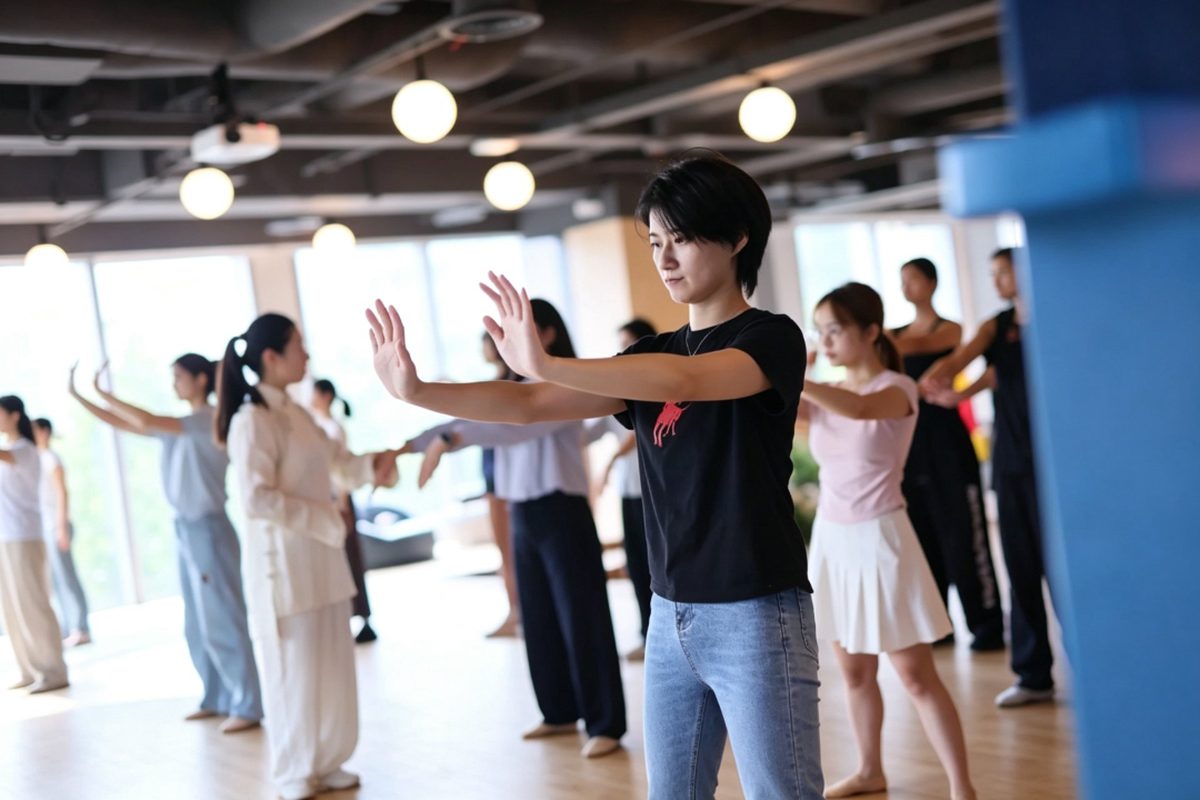
Zhan Zhuang introduces participants to the relationship between posture, balance, stillness, and body awareness.
5. Who Is a Daoist Wellness Retreat Suitable For?
Daoist wellness is not limited to people who already understand Chinese philosophy or practise traditional exercises. Its cultural and practical dimensions make it interesting to a range of international visitors.
Professionals Looking for a Different Daily Rhythm
People who spend long hours working at computers or managing demanding schedules may be interested in exploring practices that encourage greater awareness of posture, movement, and rest.
A traditional wellness programme provides an opportunity to step away from the usual routine and learn exercises that can be practised without complicated equipment.
It is not a substitute for treatment of work-related health problems, but it can introduce participants to a different way of thinking about daily habits and physical awareness.
People Interested in Traditional Chinese Culture
Some visitors come to China primarily because they want to understand its cultural heritage. They may have already explored Chinese tea, calligraphy, martial arts, or Buddhist philosophy and now wish to discover another dimension of traditional Chinese thought.
Daoist wellness provides a practical introduction to ideas that have influenced Chinese philosophy, literature, movement traditions, and everyday customs.
Beginners Who Prefer Gentle Practice
Not everyone enjoys intensive exercise or long periods of seated meditation. Some people find it easier to begin with simple standing exercises and guided movement.
Daoist wellness can provide an alternative starting point, although participants should still consider their physical condition and the requirements of the individual course.
International Travellers Seeking Cultural Depth
For travellers who have already visited China's major tourist attractions, a traditional wellness programme can offer a more participatory way to explore local culture.
Instead of simply observing historical buildings and traditional objects, participants have the opportunity to learn the background and basic methods of selected practices.
This makes a Daoist wellness retreat in China particularly interesting for visitors who want their journey to include cultural learning as well as sightseeing.
6. Why Experience Daoist Wellness in China?
Daoist philosophy and traditional Chinese self-cultivation developed within China's historical and cultural environment. Experiencing these traditions in China provides an opportunity to connect the practices with their broader cultural background.
Learn Within a Chinese Cultural Environment
Learning about Daoist wellness in its country of origin allows visitors to explore the language, philosophical concepts, and traditional customs associated with the practices.
Terms such as Dao, Wu Wei, Yin and Yang, and Qi have complex historical meanings. They cannot always be understood through simple English translations. Cultural instruction and practical demonstrations can provide useful context.
Discover Luoyang's Traditional Heritage
Luoyang is one of China's important historical capitals and has a long relationship with Chinese philosophy, religion, and cultural development.
Its heritage includes Buddhist temples, historical sites, traditional architecture, and cultural landscapes. For international visitors, the city offers opportunities to explore different dimensions of Chinese civilisation.
Funzendo's cultural and wellness programmes provide a starting point for discovering these traditions through guided learning and practical experience.
Explore More Than One Traditional Practice
Traditional Chinese culture includes many different approaches to self-cultivation. Daoist philosophy, Buddhist meditation, Chinese tea culture, and traditional incense appreciation each have their own histories and methods.
Visitors who are curious about these connections can also explore Funzendo's Chinese Cultural Experiences and Zen Meditation programmes.
These experiences should be understood on their own terms rather than combined into one indistinct wellness practice.
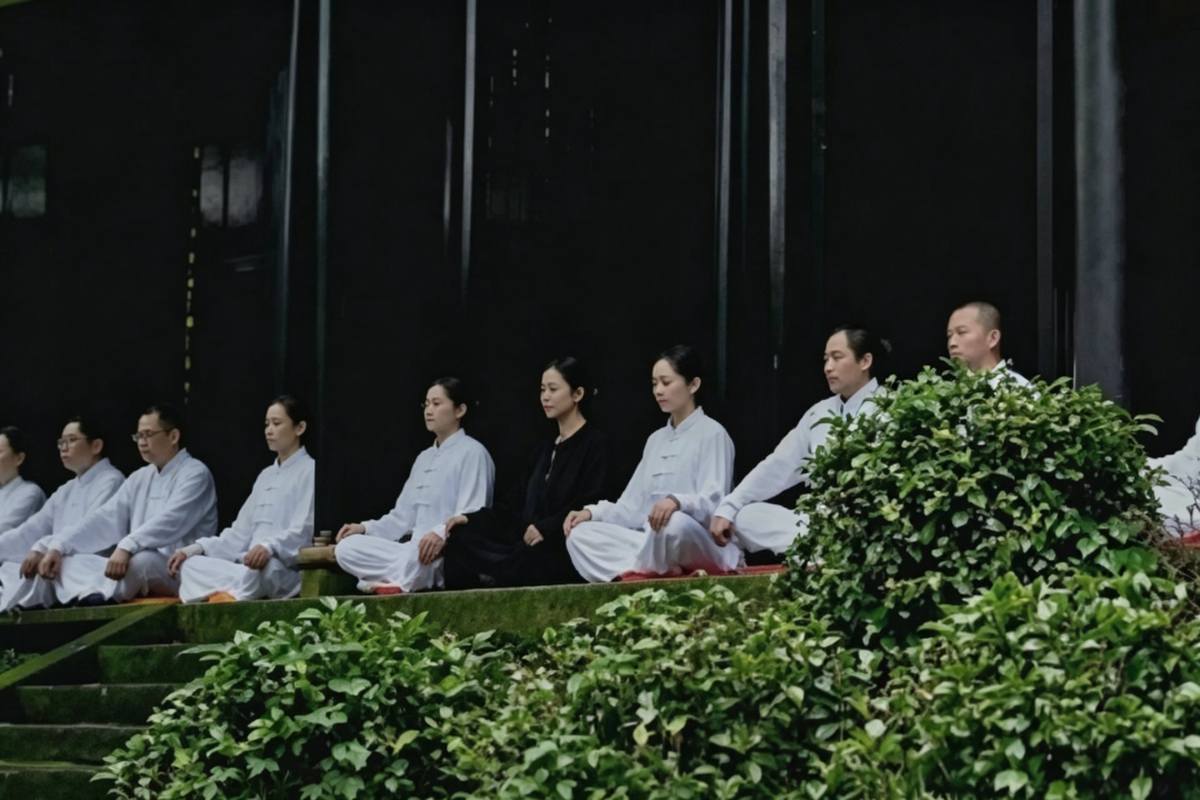
Daoist philosophy encourages people to observe the natural world and reflect on the relationship between human life and the changing environment.
7. Daoist Wellness and Modern Lifestyle: What Can You Take Home?
One of the most valuable aspects of attending a traditional wellness course is the opportunity to consider how its lessons might fit into ordinary life.
You do not need to live in a temple or spend hours practising every day to maintain an interest in traditional Chinese self-cultivation.
Make Space for Short Periods of Stillness
Many people assume that meaningful practice requires a large amount of free time. In reality, beginners can start by setting aside a short period to practise relaxed standing or observe their breathing.
Consistency and appropriate technique are more useful starting points than forcing yourself to complete lengthy sessions.
Pay Attention to Posture and Movement
Daily habits such as sitting for extended periods, looking down at screens, and remaining in the same position for hours can make people less aware of their bodies.
Traditional standing practice encourages participants to pay attention to alignment, balance, and unnecessary tension. These observations can also encourage more mindful movement during everyday activities.
Respect the Balance Between Activity and Rest
Modern schedules often reward constant productivity. Daoist philosophy offers a different perspective by emphasising moderation and the importance of recognising when effort becomes excessive.
Taking appropriate breaks, adjusting daily routines, and allowing time for rest are practical ways to reflect on this principle.
Observe the Changing Seasons
Seasonal awareness can be developed through simple everyday observations. Notice changes in temperature, daylight, weather, and the availability of seasonal foods.
These observations can encourage a more thoughtful relationship with the surrounding environment and help people make practical adjustments to their routines.
8. Frequently Asked Questions About Daoist Wellness Retreats
Is Daoist wellness the same as Taoist medicine?
No. Daoist wellness is a broad term that may refer to traditional self-cultivation practices influenced by Daoist philosophy. Traditional Chinese medicine is a separate but historically interconnected field with its own theories and professional methods. A wellness retreat should not be confused with medical diagnosis or treatment.
Do I need to follow Daoism as a religion?
No religious conversion is required to participate in introductory traditional wellness activities. Visitors from different cultural and religious backgrounds can learn about standing practice, breathing awareness, and Daoist philosophy as part of a cultural and educational experience.
Do I need previous experience with Zhan Zhuang?
No. Beginners can learn the basic standing posture and gradually become familiar with the practice under guidance. It is important to follow instructions, avoid unnecessary tension, and adjust the exercise according to individual comfort.
Is Daoist wellness suitable for older adults?
Suitability depends on the person's physical condition and the specific programme. Some standing exercises require balance and the ability to remain upright for a period of time. Visitors with mobility concerns or existing medical conditions should consult their healthcare professional and discuss their needs with the organiser before booking.
Can I combine Daoist wellness with Zen meditation?
Yes. The two traditions have different philosophical backgrounds and methods, but visitors interested in both can explore them as separate learning experiences. A Daoist wellness programme may introduce standing and breathing practices, while a Buddhist meditation programme focuses on meditation and Buddhist cultural learning.
You can explore the available Zen Meditation experiences alongside your interest in traditional Chinese wellness.
How long does a Daoist wellness programme last?
Programme duration varies according to the course. Funzendo's Daoist Wellness Practice programme is structured as a 10-day Learn, Practice, and Experience journey. Contact the team to confirm current dates, availability, course arrangements, and participation requirements.
Where can I experience Daoist wellness in China?
Funzendo offers Daoist wellness learning experiences in China. The specific training location and arrangements should be confirmed for each programme before booking. Contact the team for current details and travel planning information.
9. Explore Daoist Wellness with Funzendo
Daoist wellness offers a different way to understand traditional Chinese approaches to the body, breathing, movement, and everyday life. It is not about pursuing extreme physical challenges or expecting immediate changes. It is about learning traditional principles, experiencing their practical methods, and developing a more thoughtful relationship with daily habits.
At Funzendo, our Daoist Wellness Practice programme follows a structured 10-day learning journey built around three stages: Learn, Practice, and Experience.
Through guided Zhan Zhuang, Tiao Xi, traditional Chinese wellness learning, and related activities, participants can explore selected aspects of Chinese self-cultivation in a supportive learning environment.
Whether you are interested in Daoist philosophy, traditional Chinese wellness, or a more culturally immersive journey through China, the programme offers an opportunity to learn beyond the usual tourist experience.
Interested in experiencing Daoist wellness in China?
Explore our Daoist Wellness Training Programme to learn more about traditional Chinese practices and course arrangements. You can also discover our Chinese Cultural Experiences and Zen Meditation programmes.
Before booking, share your interests, preferred dates, previous experience, and any physical requirements with our team. We will help you understand the course structure and decide whether this traditional learning experience is appropriate for you.
Funzendo — Discover Traditional Chinese Wisdom, Experience Daoist Wellness, and Find a More Natural Rhythm of Life.