Executive Retreats Improve Leadership Alignment
What are Executive Retreats?
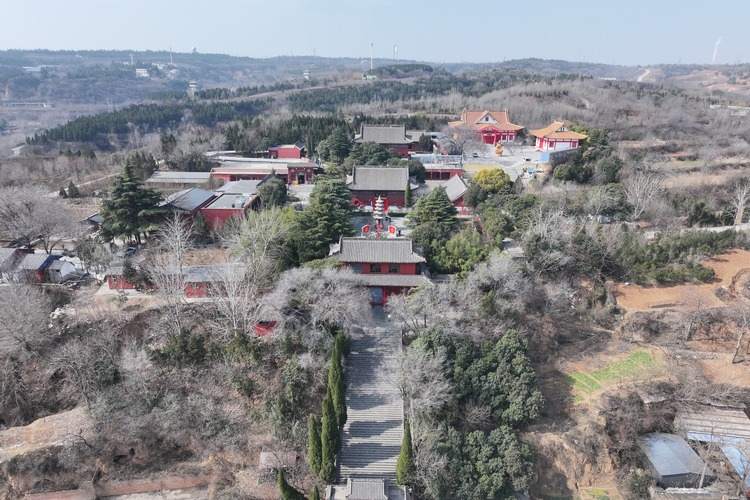
Executive Retreats are structured offsite programs designed to give senior leaders protected time for reflection, discussion, and deliberate decision making away from normal headquarters routines. For CEOs, chiefs of staff, and senior HR leaders, the purpose is not simply rest. It is to create a setting where leadership assumptions can be tested, priorities can be clarified, and unresolved cross functional issues can be discussed without constant operational interruption. At Funzendo, programs are based at Longmen Guanghua Temple in Luoyang, China, where temple stays, Zen meditation, tea culture, and traditional wellness practices can support a quieter working rhythm. Mindfulness practices may help participants notice distraction and return attention to the discussion at hand. This format suits leadership teams that need space to examine how they work together, but it does not replace strategy, governance, or performance management processes.
Types of Executive Retreats
Executive Retreats can be planned around different business needs, and the right format depends on the decision that the leadership team must make. A priority setting retreat fits an organisation preparing a new annual plan, restructuring work, or reviewing a small number of strategic bets. A relationship and communication retreat fits a senior team with recurring tension, unclear handovers, or limited trust across functions. A cultural immersion format can combine facilitated work sessions with a Temple stay, meditation, tea practice, and time for individual reflection. This option may suit international groups seeking Chinese Buddhist cultural context alongside leadership discussion. It does not fit teams that only need a short operational meeting or those unwilling to protect time for follow up after returning to work.
| Retreat format | Primary business use | Best planning condition | When it may not fit |
|---|---|---|---|
| Priority setting | Agreeing strategic choices and leadership focus | Leaders have a defined planning question | No shared business issue has been identified |
| Decision rights workshop | Clarifying who recommends, decides, and executes | Functions are duplicating work or delaying approvals | The organisation needs a formal legal or governance review |
| Culture and reflection program | Improving listening, presence, and team connection | Senior leaders need protected reflection time | Participants expect entertainment without working sessions |
| Wellness focused program | Supporting calm attention and restorative practice | Wellbeing is linked to leadership workload | A medical intervention or clinical treatment is required |
How Time Away Creates Leadership Alignment
The differentiator of Executive Retreats is not the location alone. Alignment improves when time away from headquarters is converted into explicit agreements about shared priorities, decision rights, and cross functional commitments. A team that leaves with only positive feelings may return to the same delays and conflicting messages. A team that records ownership, escalation paths, and next actions has something it can use immediately. The mechanism is simple but demanding: reduce daily interruption, surface competing assumptions, make choices visible, and assign follow through. This approach fits leadership groups facing repeated disagreement between commercial, operational, people, and finance functions. It does not apply when the real issue is missing data, an unresolved legal matter, or an executive who lacks authority to make the required decision.
| Alignment parameter | What it affects in practice | Risk if handled poorly | Retreat output to request |
|---|---|---|---|
| Shared priorities | Where leaders direct attention, budget discussion, and staff effort | Each function pursues a different version of success | A short ranked list of agreed priorities |
| Decision rights | Who recommends, approves, consults, and communicates decisions | Repeated meetings, duplicate work, and delayed action | A named decision owner for each major issue |
| Cross functional commitments | Dependencies between teams after the retreat | Agreements remain verbal and work stalls on return | Owners, deliverables, and review points |
| Meeting discipline | How leadership decisions are checked after the program | Old discussion patterns return quickly | A follow up agenda and accountability method |
Features of Executive Retreats
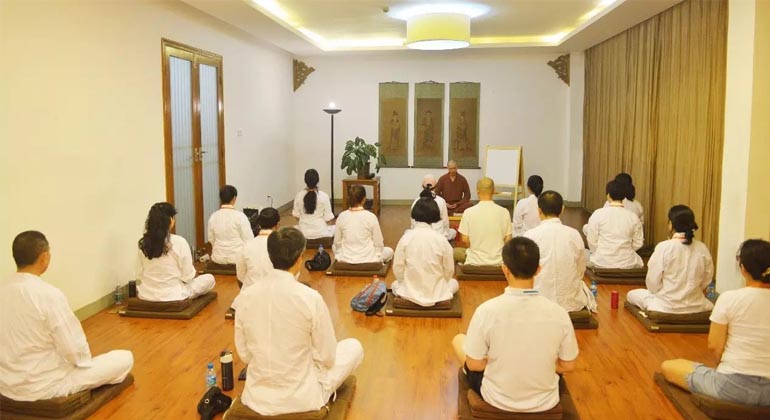
Executive Retreats at Funzendo may combine leadership working sessions with cultural and contemplative activities available through reservation and schedule. The approved experience elements include guided singing bowl sound experiences that encourage relaxation and mindful listening, beginner accessible Zen meditation and breathing practices, traditional Chinese tea ceremony informed by more than ten years of tea practice, and immersive temple experiences at Longmen Guanghua Temple. These elements can provide useful transitions between concentrated work sessions, especially when a team needs to slow down before addressing difficult topics. They should not be presented as a substitute for professional mental health care, medical treatment, or a formal organisational diagnosis. Buyers should also avoid assuming that every cultural practice is included by default. Confirm the proposed content, duration, availability, group requirements, and facilitation responsibilities before making a program commitment.
- Zen meditation: Best used before a decision session when leaders need quieter attention; it is less suitable for replacing a needed evidence review.
- Singing bowl sound experience: Can support calm listening and a reflective transition; it should not be described as treatment.
- Tea ceremony: Supports attentive conversation and cultural learning; it does not automatically resolve interpersonal conflict.
- Temple environment: Creates distance from ordinary workplace cues; it cannot solve accountability gaps without written agreements.
Executive Retreats Application
Executive Retreats are most useful when the leadership team can state the problem in one clear sentence before arrival. For example, a chief of staff may frame the need as “Our executive team has agreed growth goals but has not agreed who can make trade off decisions between market expansion and operational capacity.” That framing allows the retreat agenda to focus on a defined outcome rather than broad conversation. Corporate wellness leaders can also use this format when leaders need a structured pause after an intense planning cycle, provided that wellbeing activities are connected to practical team commitments. Teams interested in contemplative practice can review meditation options, while those seeking a more concentrated program can consider a 7 day Zen retreat China format. These options fit organisations that value cultural depth and reflection, not teams seeking a standard conference package.
Executive Retreats Price
Executive Retreats should be assessed through a transparent quote rather than assumed package pricing because duration, seasonal availability, reservation requirements, group size, accommodation needs, cultural activities, and facilitation scope can vary by program. Funzendo does not publish a universal rate because a leadership planning retreat may require a different structure from a temple based wellness program or a Chinese cultural training itinerary. Buyers should ask suppliers to separate the quote into accommodation, meals where included, scheduled activities, teacher or facilitator arrangements where available, local coordination, and any requested transport support. This makes it easier to compare proposals without confusing cultural program value with meeting logistics. A lower initial figure may not be the better choice if it excludes coordination needed for an international executive group. Conversely, a highly customised plan may not fit a team that only needs a focused internal workshop.
| Cost area to request | Why it matters | Buyer check |
|---|---|---|
| Accommodation and temple stay arrangements | Availability and room requirements affect the program structure | Confirm reservation conditions and participant requirements |
| Scheduled cultural activities | Meditation, tea, incense, and sound sessions may differ by itinerary | List each requested activity in the quotation |
| Facilitation and meeting support | Leadership planning needs may require different support from cultural instruction | Define who leads each business session |
| Transport and itinerary coordination | International group arrangements may need local planning | Confirm what is included and what remains client managed |
Executive Retreats User Guide
Executive Retreats work best when the buyer follows a clear planning procedure before departure. First, nominate one internal owner, usually a chief of staff, HR leader, or executive assistant, to collect the leadership team’s expected outcomes. Second, define no more than a manageable set of decisions that must be addressed, such as annual priorities, operating principles, or ownership of a cross functional initiative. Third, prepare relevant internal material in advance so participants do not spend valuable onsite time searching for information. Fourth, assign a neutral note keeper and agree how decisions will be documented. Fifth, schedule a post retreat leadership review before the group disperses into normal work. For cultural participation, brief attendees to approach temple life respectfully and follow the program guidance provided. Experience daily Buddhist temple life with attention and appropriate conduct rather than treating the setting as a backdrop for business entertainment.
- Write one decision statement for the retreat.
- Identify the leaders required to make that decision.
- List the information each leader must bring.
- Separate business sessions from meditation, tea, or sound activities.
- Record priority, owner, decision right, and next commitment.
- Set a leadership review date before returning to headquarters.
Executive Retreats Supplier
An Executive Retreats supplier should be evaluated on program clarity, cultural suitability, reservation coordination, and willingness to define what is and is not included. Funzendo offers programs based at Longmen Guanghua Temple in Luoyang, China, including temple stays, wellness courses, Kung Fu training, Zen meditation, tea culture, TCM wellness, and Buddhist cultural experiences. For senior leadership groups, the relevant strength is the ability to combine an authentic temple setting with selected practices such as mindful tea rituals, sound experiences, and beginner accessible meditation. Buyers should provide their intended group profile, preferred dates, cultural interests, and business agenda before requesting a proposal. They should not assume unlimited availability, fixed group sizes, or identical activities across all programs. Where a group seeks traditional Chinese wellness content, it may be appropriate to learn traditional Chinese wellness practices as part of a wider itinerary, provided the program scope is confirmed in advance.
FAQ of Executive Retreats
Can a retreat solve leadership conflict? Executive Retreats can create time for clearer discussion and agreement, but they cannot guarantee that conflict will disappear. They fit teams willing to name the issue, hear competing views, and make decisions with documented ownership. Should cultural activities replace business workshops? No. Meditation, tea ceremony, temple life, and sound experiences can support reflection and attentive listening, while business alignment still requires a defined agenda, decision owners, and follow up. How should an international company evaluate program fit? Start with the desired leadership outcome, then confirm schedule availability, reservation requirements, group arrangements, accommodation, activities, and the cultural expectations for participants. A program is appropriate when the setting supports the team’s work and leaders agree to continue the commitments after they return.
If you are looking for a reliable Executive Retreats supplier please contact us anytime to get the latest quote.