Herbal Tea Tincture and Capsule Forms Each Suit Different Herbal Therapy Goals
Which format actually gets a plant compound into the body the way a buyer or practitioner expects — a brewed tea, an alcohol-based tincture, or a standardized capsule? This question comes up constantly among wellness program coordinators and travel curators sourcing Herbal Therapy components for group itineraries or retreat packages. The answer isn't a single "best" format. It depends on concentration needs, how fast the effect should appear, and what the product label must legally and practically communicate to the end user. Getting this wrong means either underdosing a group experience or overpromising results that the chosen format can't deliver.
What Shapes a Herbal Therapy Format Decision
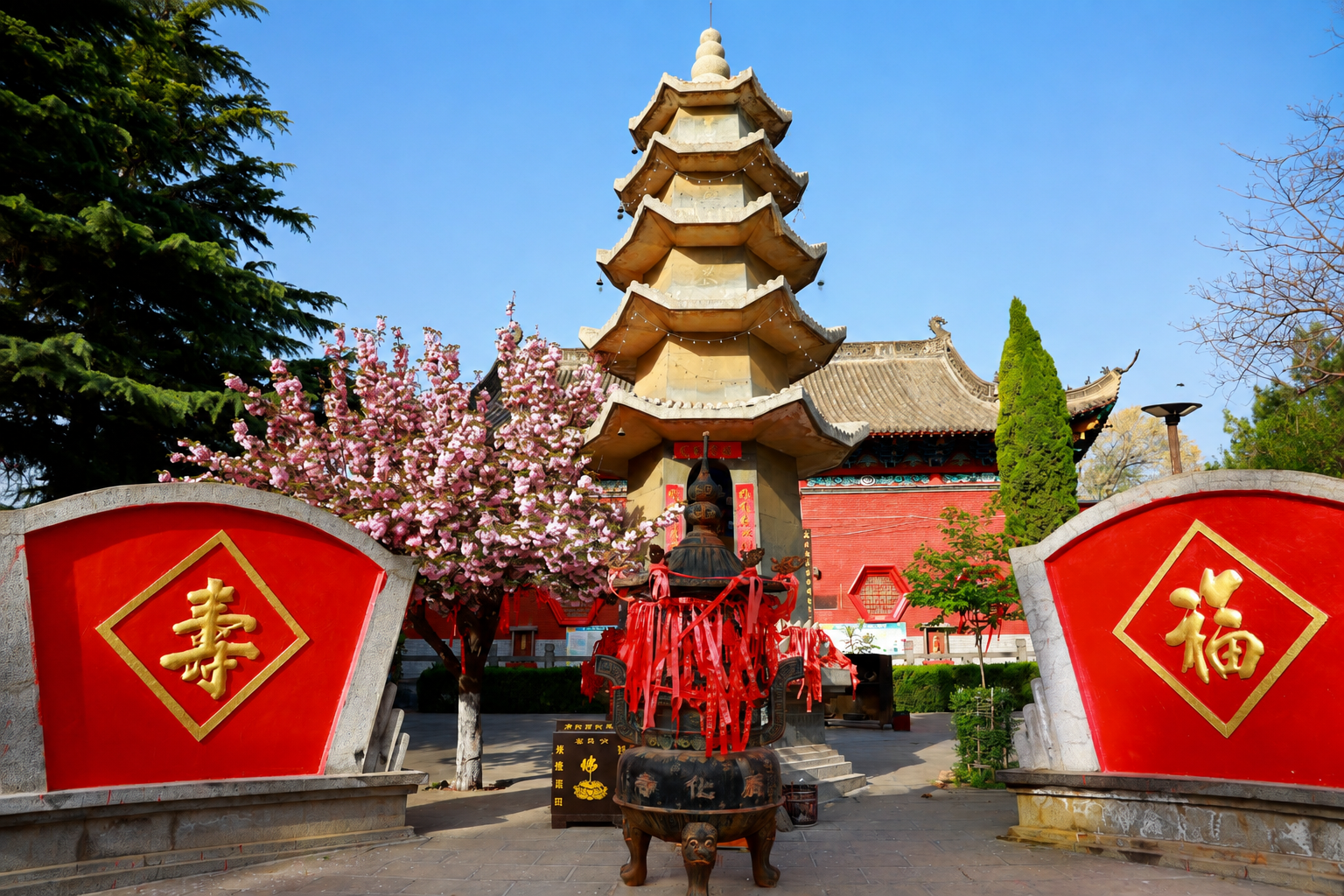
Three variables decide which format fits a given program: preparation method, active-compound concentration, and onset speed. Preparation determines labor and consistency — a tea requires fresh brewing each session, while a capsule arrives pre-measured. Concentration affects how predictable dosing is across a group of twenty guests versus one individual. Onset speed matters most when a format is paired with a timed activity, such as a guided meditation session or an evening wind-down ritual at a peaceful Buddhist temple stay. If a coordinator picks a slow-onset tea for a 20-minute pre-sleep window, guests may not feel any effect before the session ends — a scheduling mismatch, not a product failure.
Comparison of Tea, Tincture and Capsule Forms by Preparation, Concentration, Onset and Label Considerations
The table below breaks down what each parameter actually affects in daily use, not just its textbook definition.
| Factor | Herbal Tea | Tincture | Capsule |
|---|---|---|---|
| Preparation | Requires hot water, steeping time (typically 5–10 minutes); consistency varies by water temperature and steep duration | Pre-extracted liquid, taken directly or diluted in water; no on-site preparation needed | Pre-measured powder in shell; swallowed with water, zero preparation |
| Concentration | Lowest and most variable; depends on herb quality, water ratio, steep time | Higher and more stable; alcohol or glycerin extraction concentrates actives | Fixed and standardized per unit, easiest to replicate across a batch |
| Onset | Slower, often 20–40 minutes; gentler curve suited to ritual-based consumption | Faster, often 10–20 minutes since sublingual or liquid absorption skips some digestion steps | Slowest of the three, 30–60 minutes, because the capsule shell must dissolve first |
| Label considerations | Must state herb source, steep instructions, caffeine content if applicable | Must state extraction solvent, alcohol percentage, drop-based dosage | Must state standardized active percentage, filler ingredients, batch testing reference |
A common error is treating these three formats as interchangeable dosage units. They are not. A tincture dose measured in drops cannot simply be "converted" into a cup of tea without changing the actual concentration delivered — the extraction method itself changes what reaches the body, a concept tied to bioavailability. Buyers sourcing for group wellness programs should request a lab-verified concentration sheet rather than assuming equivalence across formats.
Common Mistakes When Selecting a Herbal Format for Group Programs
Assuming tea and tincture doses are equivalent. A tincture's concentrated extraction means a few drops can equal several cups of tea in active compound load — mismatched substitution leads to under- or over-dosing.
Ignoring onset time against program schedule. Pairing a slow-onset capsule with a 15-minute activity window wastes the product's intended effect.
Overlooking label transparency for international guests. Travelers from different regulatory regions expect clear labeling on alcohol content (tinctures) or filler ingredients (capsules); vague labeling creates compliance friction for tour operators.
Choosing capsules for ritual-based experiences. Capsules lack the sensory, communal quality that teas provide in a shared ceremony setting, where the brewing itself is part of the experience, similar to a Chinese tea meditation practice.
Not verifying extraction consistency between batches. Tinctures from different production runs can vary in potency if solvent ratios aren't controlled — always request batch testing documentation before bulk ordering.
Matching Format to Scenario A Step by Step Approach
Here is a practical decision sequence for program coordinators evaluating which herbal format to source:
Define the activity context — is it a shared ritual (favor tea), a discreet individual supplement (favor capsule), or a fast-acting need before an evening session (favor tincture)?
Check the onset window against your schedule. If the activity runs under 20 minutes, a tincture is the only format likely to register in time.
Confirm concentration stability requirements. Group programs serving the same dose to 15–30 people need standardized capsules or pre-measured tincture droppers, not freehand tea brewing.
Review label and sourcing documentation. Ask suppliers for herb origin, extraction method, and any third-party testing reference before confirming an order.
Pilot with a small group before full rollout. A 5–10 person trial surfaces onset and tolerance issues before a 50-person retreat batch is committed.
This sequence works well for structured retreat or training programs with fixed schedules. It applies less rigidly to open-format offerings such as self-paced daily Buddhist temple life, where guests may choose their own herbal preparation pace rather than following a group timetable.
Cost and Sourcing Considerations for Herbal Therapy Products
Cost structures differ meaningfully across the three formats, and buyers should budget accordingly rather than assuming a flat per-unit price:
Herbal tea: Lowest raw material cost per serving, but labor cost rises if a program includes guided brewing demonstrations as part of the experience.
Tincture: Mid-to-higher cost per unit due to extraction processing and bottling; longer shelf life can offset cost over a multi-month program.
Capsule: Highest manufacturing cost per unit (encapsulation, standardization testing) but lowest labor cost on-site, since no preparation staff is needed.
For group bookings, suppliers often adjust pricing based on order volume and whether packaging includes bilingual labeling for international guests. Seasonal herb availability can also shift tea-format pricing more than tincture or capsule pricing, since dried tea stock depends on harvest timing.
Where Herbal Therapy Fits Within a Broader Wellness Program
Herbal format selection rarely stands alone — it's usually one component inside a larger wellness itinerary. Programs built around learning traditional Chinese medicine wellness techniques often introduce all three formats side by side so participants can compare sensory and physiological differences directly, rather than relying on written description alone. This hands-on comparison approach, rooted in Traditional Chinese Medicine practice, gives corporate wellness planners and travel curators a clearer basis for choosing which format suits their guest profile — a business group may prefer discreet capsules, while a cultural immersion group may prefer the ceremony of brewed tea. Programs structured around Taoist wellness and breathing practices frequently pair tea-based herbal rituals with breathing exercises, since the slower onset of tea matches a longer contemplative session rather than a quick transition between activities.
FAQ on Comparing Herbal Tea, Tincture and Capsule Forms
Does a stronger smell or taste mean a stronger herbal effect? Not necessarily. Taste and aroma come from volatile compounds that don't always correlate with the active compound concentration relevant to the therapy goal. A mild-tasting tincture can still carry a higher standardized dose than a strong-tasting tea.
Can tea, tincture and capsule be rotated for the same group program? Yes, and many structured wellness itineraries do this intentionally — tea for a shared ritual moment, capsules for daily discreet intake, and tincture when a faster-acting option is needed before a specific session. The key is documenting dosage equivalence rather than assuming formats swap one-to-one.
What label information should a B2B buyer always request before ordering in bulk? Extraction method, standardized active percentage (for tinctures and capsules), herb origin, and batch testing reference. Missing any of these makes it difficult to guarantee consistent guest experience across a multi-session program.
If you're sourcing herbal formats for a retreat, training course, or temple-based wellness itinerary, we can walk through which preparation fits your schedule and group size — feel free to reach out for format samples or a dosage comparison sheet.