How Does Tea Culture Differ Across China, Japan and Britain?
What is Tea Culture?
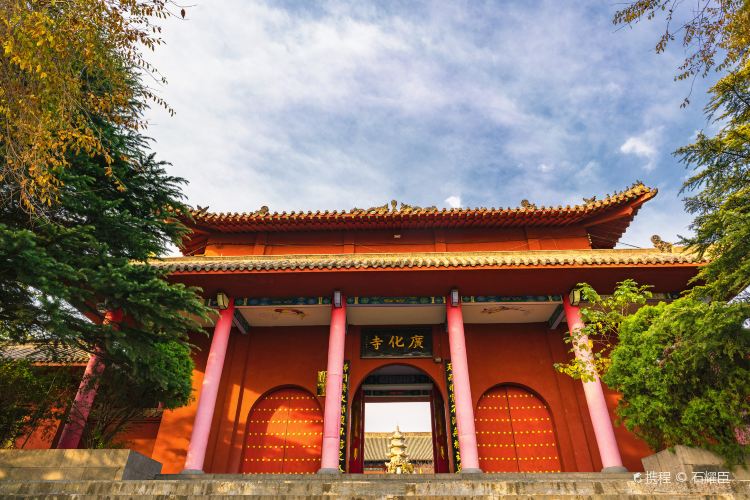
Tea Culture is the body of habits, tools, etiquette and shared meaning that a society builds around preparing and serving tea. The same plant, Camellia sinensis, produces three clearly different social systems once it reaches China, Japan or Britain. In China, tea is a daily act of hospitality and a contemplative practice. In Japan, it became a formal choreography between host and guest. In Britain, it became a domestic and social routine tied to meals, visiting and class. At Longmen Guanghua Temple in Luoyang, where Funzendo is based, tea is read through Chinese Buddhist practice. The temple has a documented place in Tang Dynasty Esoteric Buddhism: the Indian master Śubhakarasiṃha (Shanwuwei) passed away and was laid to rest here during the reign of Emperor Xuanzong, and his pagoda still stands in the grounds.
This article is an evergreen comparison, not a market report, so it separates what is documented from what is interpreted. The documented record includes Lu Yu's The Classic of Tea from the Tang period, the Zen-influenced Japanese tea ceremony shaped by figures such as Sen no Rikyu, and the spread of tea at the British court in the seventeenth century. Why each society shaped tea so differently is interpretation. Religion, trade routes, climate, class structure and available tableware all played a part, and historians weigh them differently. We therefore describe patterns, not causes, and we do not treat a single tradition as the standard against which the others are measured.
Types of Tea Culture
For travel planners and program designers, the three traditions work as three distinct formats. The Chinese format centers on whole-leaf tea brewed in short, repeated infusions, often in a gaiwan or small teapot, in a style commonly called gongfu cha. It suits slow tasting and conversation. The Japanese format centers on powdered matcha whisked in a bowl, served within a structured sequence of sweets, bowl handling and bows. It suits groups that want a defined ceremony with clear etiquette. The British format centers on black tea steeped in a pot, taken with milk or sugar, and served with sandwiches, scones and cake in the afternoon tea tradition. It suits relaxed social gatherings. Each format sets different expectations for duration, group size and the amount of guidance guests need.
Within a temple setting, these formats can also be grouped by purpose. A short guided tasting introduces a tea type and its manner of serving. A tea meditation uses the brewing and drinking itself as an object of attention, and guests can experience a Chinese tea meditation practice in that spirit. A longer workshop combines tea with incense and sound, as in the Chinese incense and tea training offered at the temple. A short format works for a tour stop, while a workshop fits groups with a full day. Neither is better in the abstract. The right type depends on how much time your guests have and how much cultural background they already carry.
Comparing Serving Rituals, Social Roles and Tea Preparation Across Three Traditions
The table below sets the three traditions side by side on the points a program designer is most likely to need: how tea is prepared, how it is served, and who plays which role. It reflects widely described practice rather than rules, since each country has regional variants and modern habits that depart from the formal model. In daily life, many people in all three countries drink tea casually, without any ritual at all. The comparison therefore describes the traditional or ceremonial form, which is what visitors usually expect to encounter when they look for an authentic cultural experience, and it also marks where informal habits commonly diverge.
| Point of comparison | China | Japan | Britain |
|---|---|---|---|
| Main preparation | Whole leaf, brewed in a gaiwan or small teapot with several short infusions | Powdered matcha whisked with a bamboo whisk in a bowl | Black tea steeped in a pot, often with a strainer or tea bag |
| Serving ritual | Warming vessels, rinsing the leaves, pouring into small cups for each person | Sweets first, then a bowl handed to each guest, who turns it before drinking | Pot and cups with saucers, milk and sugar offered, food served on tiered stands |
| Host role | Brews and pours continuously, watches each guest's cup | Prepares tea in front of guests with prescribed movements | Pours for the table, a role traditionally called being "mother" |
| Guest role | Receives with both hands, may thank the host with a gesture such as tapping the table in parts of southern China | Follows set etiquette, admires the bowl, offers thanks | Takes tea to taste, adds milk or sugar, joins conversation |
| Social function | Hospitality, family gatherings, business talks, temple practice | A planned gathering built on mutual attention and the idea of a once-only meeting | A meal-like break, visiting, celebration, and a marker of social occasion |
| Usual setting | Home, tea house, temple hall | Tea room, often with a garden approach | Home sitting room, hotel, tea room |
Three observations follow from the table, and one interpretation. The observations: Chinese tea gives the most freedom to the guest, Japanese tea gives the most structure to both sides, and British tea gives the most weight to the food and conversation around the cup. The interpretation, which we hold loosely, is that Japanese practice absorbed more of the discipline of Zen monastic life, while British practice absorbed more of domestic and class custom. For a buyer, the practical meaning is that a Chinese session can flex to a group's size and mood, a Japanese-style session needs a rehearsed sequence, and a British-style session depends on catering. Group leaders should choose accordingly.
Features of Funzendo Tea Programs
Funzendo's tea sessions are rooted in Chinese practice and held in the setting of Longmen Guanghua Temple, which introduces international guests to Chinese contemplative traditions in an authentic temple environment. Our selling points are specific. The tea ceremony draws on over 10 years of tea practice that blends traditional Chinese tea culture with Zen philosophy. The programs also combine sound healing, meditation and mindful tea rituals into one cultural wellness experience, so guests can listen to a singing bowl, sit in stillness and then drink tea with attention. The temple's Tangmi background, including the pagoda of Śubhakarasiṃha, gives the tea session a historical frame that a hotel or tea house cannot supply. We do not claim that every program includes every element. Programs run by schedule and reservation, and duration and availability vary by program.
Application Scenarios for Tea Experiences
Tea sessions fit several planning needs. Overseas travel agencies can insert a tasting or ceremony into a Luoyang itinerary, for example alongside a Longmen pilgrimage visit. Corporate wellness managers can use a tea meditation as a low-intensity stress-reduction block, since it needs no physical training and little prior knowledge. Workshop designers can build a half-day around the comparison itself. As an illustration, not a past client case, a planner might set one table with a Chinese gongfu set, then explain how the same group would act in a Japanese tea room or at a British afternoon table. The exercise helps guests see why etiquette differs. It works best for groups that are curious about culture. It works less well for groups that want only relaxation, who may find the comparison distracting.
Tea Program Price Factors
We do not publish fixed prices here, because cost depends on the program and on how it is booked. Individual bookings and small-group programs are both available, and group size and booking requirements vary. The main cost drivers are listed below. When you request a quote, giving us these details lets us respond with a figure you can compare against other options, rather than an estimate that shifts later.
- Duration and format: a short tasting costs less than a full tea meditation or a multi-activity workshop with incense and sound healing.
- Group size: small groups allow closer guidance from the instructor, while larger groups may need extra support and more tea service.
- Add-ons: singing bowl sessions, incense practice or accommodation in the temple change the total.
- Tea selection: the type and grade of leaf you choose affect material cost.
- Timing: availability varies by schedule, so popular travel periods may limit dates and flexibility.
If tea is one part of a longer stay, ask whether it can be combined with a Zen temple stay in China, so accommodation and activity are quoted together.
Tea Experience User Guide
A clear sequence helps groups arrive prepared and get more from the session. The steps below suit a tour leader or program planner organizing a visit to the temple. They are practical and general; the details of any given session depend on the program booked and on the guidance of the temple's instructors on the day. Reserve early, because programs run by reservation and not on demand.
- Confirm the program, date and group size with Funzendo before travel.
- Brief guests on dress and conduct. Quiet, modest clothing suits a Buddhist temple.
- Arrive early enough to settle before the session begins.
- Follow the instructor's lead on how to hold the cup, when to drink and when to remain silent.
- Let guests rest briefly afterwards, and invite questions on what they noticed.
Common mistakes are easy to avoid. Planners often treat the session as a quick photo stop and book too little time. Others mix too many traditions in one sitting and leave guests confused about what was Chinese, what was Japanese and what was British. A third mistake is expecting guests to know etiquette in advance; a short briefing solves this. Groups wanting a deeper context can pair the tea session with a 3 day meditation retreat China program, where mindful drinking sits inside a wider practice.
Tea Culture Supplier
As a Tea Culture Supplier, Funzendo offers programs based at Longmen Guanghua Temple in Luoyang, a temple with a recognized place in the history of Tang Dynasty Esoteric Buddhism. Our tea sessions are led from within that temple setting, backed by over 10 years of tea practice and the integration of sound, tea and Zen described above. We work with individual guests and small groups, and we can discuss tea as a stand-alone experience or as part of temple stays, meditation retreats, traditional wellness training and Buddhist cultural itineraries. We do not offer every format in every month, so we confirm dates and content directly. If you are planning an overseas temple experience, a Zen program or a cultural itinerary for clients, contact us and we will advise on what fits your group.
If you are looking for a reliable Tea Culture supplier please contact us anytime to get the latest quote.
FAQ of Tea Culture
Which tradition suits a first-time group best?
For most first-time groups we recommend the Chinese format, because it asks little of guests and can be adjusted to the group. Guests can sit, taste and talk, and the instructor can slow down or speed up depending on interest. Japanese-style ceremony usually demands more preparation and a fixed order of actions, which suits groups that have asked for formality. British afternoon tea is familiar to many travelers, so it needs little explanation, but it adds little that is new to a cultural visit. Your answer depends on the group's goals, its size and the time available, so describe these when you contact us.
Do guests need religious belief to join a tea session?
No. Guests do not need to be Buddhist. The session is held in a Buddhist temple and shaped by Zen thinking, which means the manner of serving is quiet and attentive, but nobody is asked to adopt a belief. Guests are expected to respect the setting, follow the instructor and keep a calm manner. Those who want more context on contemplative practice can later choose a meditation program. If you have guests with particular dietary, health or religious concerns, tell us when you reserve so that we can advise on whether the session suits them.
Can one session cover China, Japan and Britain together?
It can be framed as a comparison, but the practice itself would remain Chinese, because that is the tradition our instructors teach. A talk or tasting can describe how Japan and Britain differ, using the table in this article as a guide, and guests can see the contrast in tools, serving order and the role of the host. We do not present ourselves as a provider of Japanese or British ceremonies. If a client wants a full side-by-side demonstration of all three, discuss it with us first so we can state clearly what we can and cannot deliver.