How Structure, Breath, and Intent Define the Internal Arts
Many physical disciplines focus on developing muscular strength, speed, and endurance. The Internal Arts, a group of traditional Chinese practices including Tai Chi, Xing Yi, Bagua, and certain forms of Qigong, operate on a different paradigm. They cultivate health, awareness, and martial ability not through external force, but by integrating three core pillars: structural alignment, breath regulation, and focused intent. Understanding this distinction is the first step for anyone seeking to incorporate these profound practices into personal development or corporate wellness programs.
At their core, these arts are a form of mindful movement designed to harmonize the body and mind. Instead of isolating muscle groups, the practitioner learns to move from a unified center, channeling energy (Qi) through a properly aligned frame. This approach yields benefits that extend far beyond physical conditioning, promoting mental clarity and emotional balance. Our programs, including Taoist wellness and breathing practices, are designed to introduce these foundational concepts in an accessible and authentic environment.
The Foundational Pillars: A Deeper Look
To practice the internal arts effectively, one must move beyond superficial imitation of forms and grasp the principles that animate them. Each component is interdependent; a well-aligned structure is useless without correct breathing, and both are inert without focused intent. For organizations planning wellness retreats or cultural experiences, understanding these elements helps in evaluating the quality and authenticity of a program.
- Structural Alignment (身法): This refers to the correct positioning of the skeleton to create a stable, connected, and relaxed frame. It is not a rigid military posture but a dynamic state of balance. Key aspects include relaxing the joints, sinking the weight, aligning the spine, and connecting the upper and lower body through the core (Dantian). Proper structure allows force to be transmitted through the skeleton rather than absorbed by tense muscles, creating effortless power and reducing strain.
- Breath Regulation (息法): Breathing in these practices is deep, slow, and abdominal. The goal is to coordinate breath with movement, which helps to calm the nervous system, increase oxygenation, and guide the flow of internal energy. Unlike strenuous exercise that can lead to shallow, panicked breathing, this method fosters a state of relaxed alertness. It is a cornerstone of our meditation and mindfulness training.
- Focused Intent (意法): Intent, or 'Yi' (意), is the mind's focused, yet gentle, guidance of movement and energy. It is the practice of leading the body with the mind. For example, instead of thinking "lift my arm," the practitioner imagines a force lifting the arm. This subtle shift from muscular command to mental guidance is what unifies the body and mind, making the movements fluid, conscious, and internally directed.
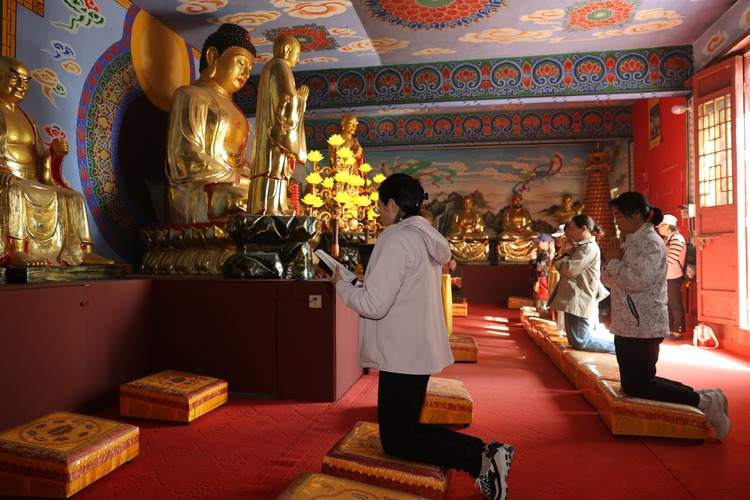
Internal Alignment vs. External Force: A Technical Comparison
A primary point of confusion for beginners is the difference between internal training cues and conventional, force-based exercise instructions. While both aim to produce movement, their methods and objectives are fundamentally different. A force-based approach often emphasizes muscular contraction and pushing through resistance. In contrast, the internal approach emphasizes yielding, aligning, and redirecting force through superior body mechanics. This distinction is critical for businesses looking to offer wellness programs that focus on stress reduction and sustainability rather than pure physical exertion.
The following table breaks down these contrasting approaches to training.
| Training Focus | Internal Arts Approach (Alignment, Breath, Intent) | Force-Based Training Approach (Muscular Cues) |
|---|---|---|
| Source of Power | Generated from the ground up, transmitted through a connected skeletal structure and directed by the body's center (Dantian). | Primarily generated by isolated, concentric muscle contractions (e.g., biceps curls, quad extensions). |
| Instructional Cues | Qualitative and sensory: "Imagine your head suspended from above," "Feel your feet rooting into the ground," "Let the breath sink to your belly." | Quantitative and direct: "Squeeze your glutes," "Push harder," "Complete 10 reps," "Lift with your arms." |
| Response to Force | Yield, absorb, and redirect. The structure is trained to remain stable and relaxed under pressure, finding the path of least resistance. | Meet force with opposing force. The muscles are trained to tense and push back against external pressure. |
| Mind-Body State | Promotes a state of relaxed awareness (Song-Jing). The mind is calm and focused, guiding the body's energy. | Often requires a state of high arousal and aggression ("psyching up") to overcome physical limits. Focus is on muscular effort. |
| Goal of Repetition | To deepen internal awareness, refine body mechanics, and integrate breath and intent more seamlessly into movement. | To induce muscular hypertrophy and increase the capacity for brute-force output. |
Common Mistakes for Beginners to Avoid
When starting with internal arts, progress is often hindered by habits carried over from other physical activities. Recognizing these common pitfalls can accelerate learning and prevent frustration. For tour operators and wellness coordinators, briefing participants on these points can significantly improve their experience during a temple stay or workshop.
- Mistake 1: Equating Relaxation with Collapse. True relaxation (Song) in internal practice is not limpness. It is an active state of releasing unnecessary muscular tension while maintaining full structural integrity. A common error is to go limp, breaking posture and disconnecting the body.
Correction: Focus on "letting go" of tension in the shoulders, chest, and hips while keeping the spine long and the joints open. The body should feel heavy yet buoyant. - Mistake 2: Using Muscular Force to Create Movement. The habit of using isolated muscles (e.g., using the shoulder to lift the arm) is deeply ingrained. This blocks the flow of whole-body movement and creates tension.
Correction: Initiate all movements from the body's center (Dantian). Let the turning of the waist and hips guide the limbs, which should feel as if they are floating. - Mistake 3: Holding the Breath or Breathing Shallowly. Concentrating on complex movements often leads to unconsciously holding the breath or reverting to shallow chest breathing. This creates tension and disconnects the mind from the body.
Correction: Maintain slow, even, abdominal breathing throughout the practice. If you notice your breath has stopped, pause the movement, re-establish your breathing, and then continue. - Mistake 4: Rushing Through the Forms. The desire to learn the entire sequence quickly often comes at the expense of understanding the internal principles. Speed is the enemy of awareness in the beginning stages.
Correction: Practice slowly and deliberately. Focus on feeling the weight shifts, the structural alignments, and the connection between breath and movement in each posture. Quality over quantity is the rule.
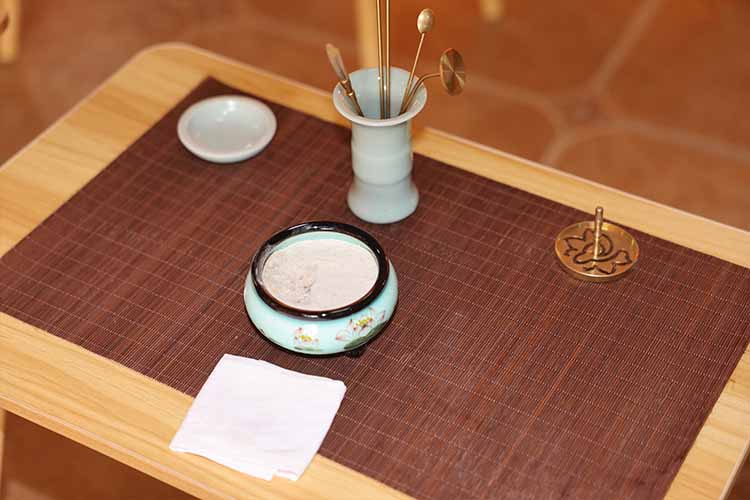
Integrating Internal Principles into a Holistic Wellness Experience
The principles of structure, breath, and intent are not limited to martial arts forms. They are universal principles of human movement and consciousness that can be integrated into various contemplative practices. This is the foundation of our work at Funzendo, where we provide immersive temple experiences that introduce international guests to Chinese contemplative traditions. We offer a Unique Sound, Tea & Zen Integration, combining sound healing, meditation, and mindful tea rituals into a distinctive cultural wellness experience.
For instance, the mindful posture required in a formal tea ceremony mirrors the structural alignment of standing meditation. The calm, focused breathing in a sound healing session aligns with the breath regulation of Qigong. Our Authentic Chinese Tea Ceremony practice, developed over more than 10 years, blends traditional tea culture with Zen philosophy, turning a simple act into a profound internal practice. By experiencing these principles across different modalities, participants develop a deeper and more applicable understanding. This integrated approach is ideal for corporate wellness programs seeking to provide employees with practical tools for stress management and enhanced focus that they can use in their daily lives.
For organizations seeking to arrange specialized wellness programs or cultural immersion tours, please contact us to discuss how these principles can be tailored to your group's objectives.