How to Choose a Monastic Stay With Clear Guest Rules
Monastic Stay selection should begin with house rules rather than photographs, room descriptions, or a general promise of tranquillity. A peaceful setting may still be unsuitable if the guest needs flexible meal times, private evening calls, late arrival access, or freedom to skip scheduled activities. For overseas travel planners, corporate wellness coordinators, and pilgrimage organizers, unclear rules can create avoidable dissatisfaction after an itinerary has already been confirmed. Funzendo offers scheduled and reservation based programs at Longmen Guanghua Temple in Luoyang, China, including temple stays, meditation retreats, traditional wellness training, and Buddhist cultural programs. Individual and small group arrangements may be available, but duration, group size, and participation requirements vary by program. The practical buying question is simple: can the guest accept the daily rhythm before a reservation is made?
What is a Monastic Stay?
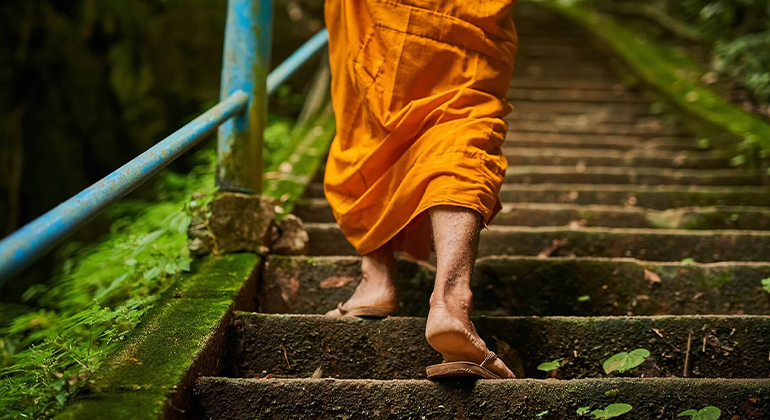
A stay in a Buddhist temple is an overnight cultural and contemplative experience shaped by the customs, schedule, and shared spaces of the host site. It is not automatically equivalent to a hotel booking, a private wellness resort, or an unrestricted sightseeing package. At Longmen Guanghua Temple, Funzendo’s available programs may introduce international guests to Chinese contemplative traditions through temple life, Chan meditation, tea culture, incense culture, Taoist wellness, and Buddhist heritage activities. The right choice fits guests who value structure, mindful conduct, and cultural learning. It may not fit travelers who require late night social plans, a fully flexible dining schedule, or guaranteed access to every facility at any time. Buyers should treat the operating rules as part of the service scope, not as minor booking notes.
Types of Temple Stay Programs
Buyers should first identify whether they need accommodation with cultural exposure, a focused practice format, a wellness course, or a heritage itinerary. These formats can share a temple setting while placing very different demands on guests. A standard overnight arrangement may suit a traveler who wants to observe daily Buddhist temple life without committing to an intensive practice schedule. A meditation retreat is more suitable for guests seeking guided breathing and mindful attention, including beginners interested in accessible Chan practice. A culture based program can fit agencies building tea, incense, or sound focused experiences into a wider China itinerary. A pilgrimage style itinerary may suit guests whose main purpose is Buddhist heritage rather than silent practice. Do not assume that an accommodation led format includes formal training, or that a retreat led format permits sightseeing freedom during all scheduled periods.
| Program direction | Best fit | Rule questions to confirm | When it may not fit |
|---|---|---|---|
| Temple accommodation | Travelers seeking a respectful overnight cultural setting | Arrival window, meal access, room sharing, evening access | Guests expecting hotel style independence |
| Chan practice retreat | Beginners or repeat practitioners seeking structured meditation | Silence periods, attendance expectations, device use | Guests needing frequent calls or flexible daytime touring |
| Tea and incense learning | Culture focused groups and wellness planners | Workshop timing, participation level, group suitability | Guests seeking only accommodation |
| Wellness training | Travel planners seeking Chinese wellness content | Physical participation, daily schedule, learning scope | Guests unable to follow scheduled sessions |
| Heritage itinerary | Pilgrimage groups and cultural travel specialists | Transfer plan, site sequence, observance expectations | Guests who want a single site residential experience |
For a more practice centered option, planners can review the available 7 day Zen retreat China program details before matching it to the group’s travel objectives. The sensible conclusion is to choose the format first and accommodation second, because the program rules often determine whether the overnight experience works.
Features That Matter Beyond Atmosphere
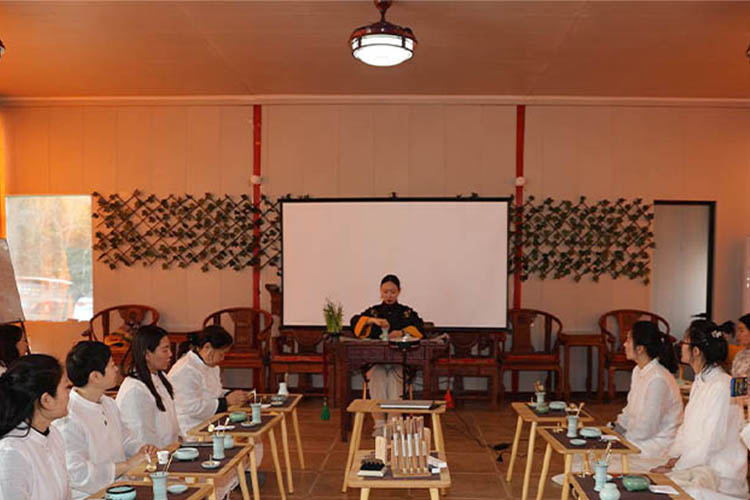
The most useful supplier comparison is based on what the host can genuinely offer and what the guest must agree to. Funzendo’s stated strengths include immersive temple experiences in the authentic setting of Longmen Guanghua Temple, accessible Zen meditation and mindfulness practices for beginners, authentic Chinese tea ceremony practice informed by Zen philosophy, and guided singing bowl sound experiences that encourage relaxation and mindful listening. These elements give planners a defined cultural wellness scope rather than a generic “spiritual” label. The combined sound, tea, and Zen format may be particularly relevant to a small group looking for a calm, mixed activity program. It is not proof that every stay includes every activity. Buyers should request confirmation of which elements are included in the selected schedule, who may participate, and whether the activity is optional or expected.
- Temple setting: Suitable for guests who want a real contemplative environment; unsuitable for groups expecting unrestricted resort services.
- Beginner friendly meditation: Suitable for first time participants seeking guided breathing and awareness practices; it does not mean that all programs have the same intensity or silence requirements.
- Tea culture: Suitable for cultural groups interested in mindful tea rituals; it should not be treated as a guarantee of a full professional tea certification course.
- Singing bowl sessions: Suitable for relaxation focused programs; they encourage calm and mindful listening but should not be presented as medical treatment.
- Integrated experience: Suitable for planners seeking sound, tea, and Zen elements in one cultural wellness concept; availability must be checked against the chosen dates.
Action Match Silence Curfew Meals and Participation Rules to a Guests Travel Needs Before Booking
The strongest booking decision comes from matching four rule areas to the traveler’s real itinerary. Silence may be welcome for a solo meditation guest but difficult for a corporate delegate who must join evening calls. A curfew can support a respectful temple environment but can conflict with late transport, city dining, or photography plans outside the site. Fixed meals may suit guests who want a regular shared rhythm, while guests with complex dietary needs must ask what can be accommodated before committing. Participation expectations matter just as much: a guest may be comfortable observing a ceremony yet not prepared for mandatory group practice, extended sitting, or limits on personal devices. The conclusion is direct: any unresolved rule should pause the reservation, because a beautiful property cannot correct a schedule mismatch after arrival.
| Guest need | Question for the supplier | Suitable answer pattern | Booking limit to recognize |
|---|---|---|---|
| Quiet personal retreat | When are silence periods observed? | Specific periods and affected shared areas are explained | Silence may limit group discussion and calls |
| Evening transport or meetings | What is the curfew and late arrival procedure? | Arrival expectations are clearly stated before confirmation | Late return may not be compatible with temple rules |
| Dietary planning | What meals are included and when are they served? | Meal times and practical options are confirmed in writing | Special requests may not be available on every program |
| Flexible cultural visit | Which activities are required, optional, or observational? | Attendance expectations are separated by activity | A retreat schedule may leave limited free time |
| Small group program | Can the group follow the same conduct rules? | Group size and booking conditions are discussed for the program | Availability and requirements vary by itinerary |
A useful planning scenario is a travel agency arranging an overnight experience for guests who will arrive after an external sightseeing day. Before selling the stay, the agency should confirm the arrival window, whether the group can join the evening program, where calls can be made without disturbing others, and whether missed activities affect the experience. By contrast, a group traveling specifically for meditation should ask about quiet periods first, then schedule transfers around them. This method protects both guest expectations and the host environment.
Applications for Travel and Wellness Buyers
Clear guest rules make these programs easier to position accurately within an international travel product. A pilgrimage planner can use a temple based overnight element as part of a Buddhist heritage itinerary, provided the group accepts that observance and shared conduct may shape the timetable. A corporate wellness coordinator can consider meditation, mindful tea, and sound sessions for a small team when participants are prepared for a structured setting rather than an entertainment led retreat. A specialist travel agency can offer a Zen temple stay in China to cultural travelers who want more depth than a short site visit. These formats are less suitable for incentive groups focused on nightlife, unrestricted dining, or independent late evening activities. The buyer’s role is to present the program honestly so that the right guests choose it for the right reason.
Price Questions to Resolve Before Inquiry
Funzendo does not publish a fixed universal price in the supplied program information, and buyers should not rely on assumed price bands. Costs can vary because duration and availability differ by retreat, training course, and pilgrimage itinerary, while individual and small group booking requirements also vary by program. Ask for a quote that separates the components relevant to the selected arrangement: accommodation scope, planned activities, meals if included, local transfers if applicable, guide or instructor arrangements where offered, and any itinerary specific entry or travel items. This is the correct approach for travel organizers who need to price a package without adding unsupported assumptions. It does not mean every item can be unbundled or that every program offers the same inclusions. Written confirmation of inclusions and exclusions is more useful than comparing a single headline price.
- State the preferred dates and whether they are fixed or flexible.
- Describe the traveler profile, including individual or small group status.
- Identify the desired program focus, such as meditation, tea culture, wellness, or heritage.
- List accommodation expectations and rule related concerns.
- Ask which activities, meals, and participation requirements apply to the proposed schedule.
- Request a written quotation with inclusions, exclusions, availability, and booking conditions.
Guest Preparation and Booking User Guide
Guests should receive a practical conduct brief before departure, not after check in. The brief should ask them to pack modest, comfortable clothing, plan communication needs before quiet periods, arrive within the agreed window, and show respect in shared spaces. It should also explain that meditation, tea, sound, wellness, and temple activities are cultural experiences with their own rhythms, not hotel entertainment available on demand. For a meditation focused plan, guests may wish to explore a deeper Buddhist meditation practice before travel so they understand the purpose of stillness, attentive breathing, and mindful participation. For a culture focused group, planners should clarify whether the goal is observation, participation, or structured learning. This preparation fits guests who value respectful engagement. It does not replace supplier confirmation of the actual schedule, current requirements, or availability.
Monastic Stay Supplier Fit for Funzendo Buyers
Funzendo is suitable for buyers seeking programs based at Longmen Guanghua Temple in Luoyang that connect Buddhist culture, Zen meditation, temple life, Chinese tea culture, traditional incense culture, Taoist wellness, and Chinese Buddhist heritage. Its documented offer includes temple stays, wellness courses, Kung Fu training, meditation, tea culture, and Chinese medicine wellness related training. For buyers who need an integrated cultural wellness concept, the stated sound, tea, and Zen combination provides a defined point of difference. For beginners, the accessible meditation and breathing focus can be relevant. However, a Monastic Stay Supplier should be assessed against the exact guest profile and schedule, not selected on theme alone. Funzendo’s programs are available by schedule and reservation, so buyers must confirm duration, current availability, group conditions, daily rules, and the scope of each selected activity before making commitments to travelers.
FAQ of Temple Stay Booking Rules
Can guests choose only accommodation and skip all activities? This depends on the selected program and its participation expectations. Ask whether activities are optional, observational, or part of the required schedule before confirming. Can a small group receive a private arrangement? Individual bookings and small group programs are available, but group size and booking requirements vary, so a planner should provide dates, group profile, and intended experience for review. Are temple rules the same across every program? No such universal rule set is stated. Retreats, training courses, and pilgrimage itineraries can differ in duration and availability, so silence, meals, curfew, and participation conditions must be confirmed for the exact option. This is especially relevant when a group combines a temple experience with cultural touring or wellness activities.
If you are looking for a reliable temple stay supplier please contact us anytime to get the latest quote.