How to Choose a Silent Retreat for Your First 3 Days
Selecting a partner for a corporate or group wellness program carries significant risk. Choosing the wrong Silent Retreat for first-time participants can lead to frustration and disengagement rather than restoration. A program that is too austere, unstructured, or lacks proper guidance can be more stressful than the environment it aims to provide a break from. The key is to match the retreat's core parameters—silence rules, schedule intensity, and instructor access—to the group's tolerance and objectives before making a commitment.
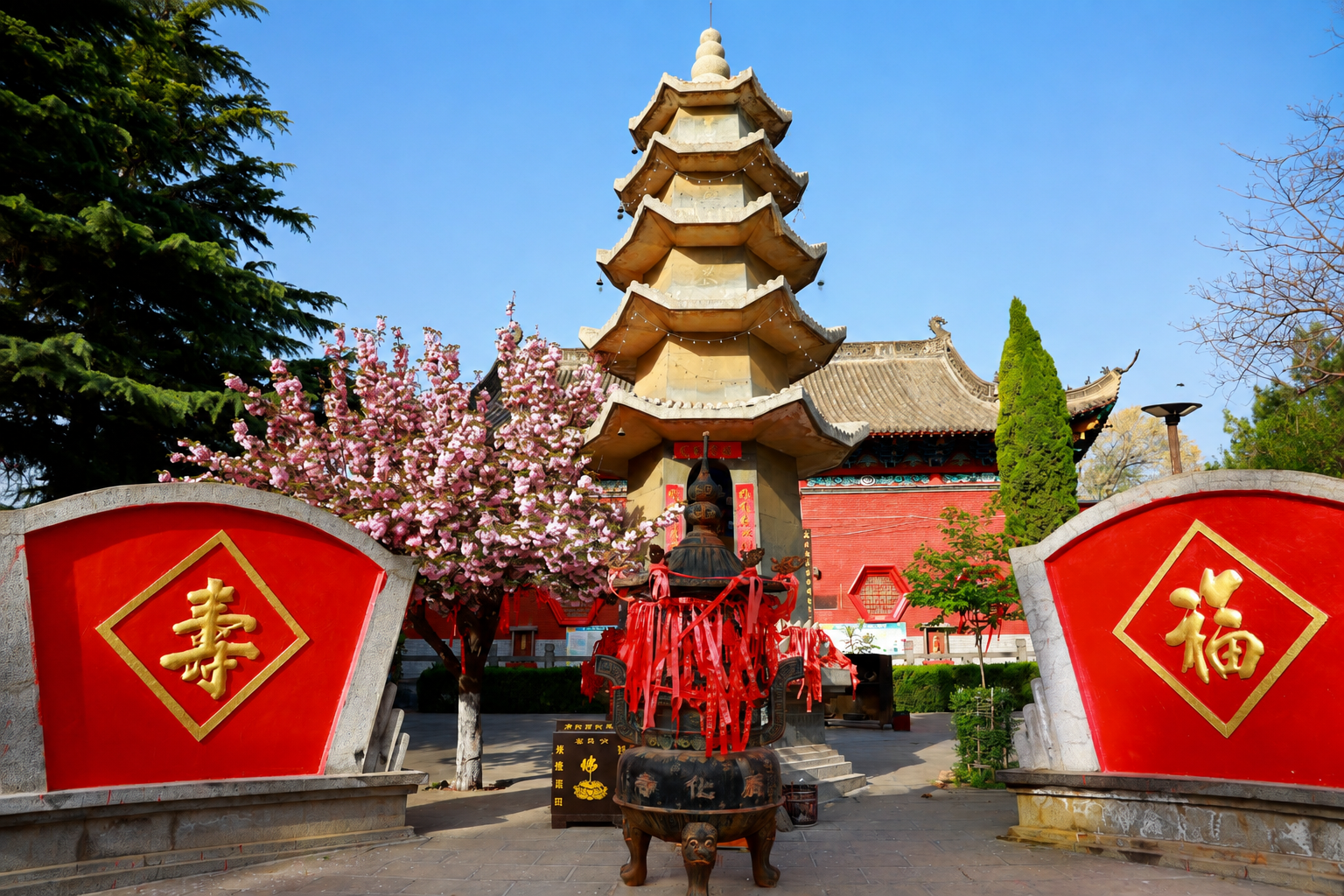
For organizations and travel planners, the goal is not just to find a quiet location, but to secure a structured, supportive experience that introduces contemplative practice in an accessible way. This requires looking beyond the duration and focusing on the specific design of the program. At Funzendo, we facilitate immersive experiences at Longmen Guanghua Temple, introducing international guests to Chinese contemplative traditions in an authentic setting that balances discipline with accessibility.
Matching Retreat Intensity to Participant Tolerance
The term "silent" can mean different things in different contexts. For a first-time participant, especially in a group setting, understanding the precise nature of the silence and the structure around it is critical for a positive outcome. A mismatch in expectations can undermine the entire experience. It is essential to assess a program's framework against the group's likely comfort level with solitude and introspection. Below is a breakdown of key variables to consider when evaluating a program for beginners.
Use this checklist to assess if a potential retreat provider's program is suitable for newcomers:
-
Silence Rules: Strict vs. Functional
- Strict (Noble Silence): This involves a complete absence of verbal and non-verbal communication, including gestures, eye contact, and writing. This is often too challenging for a short, introductory retreat and can cause anxiety. This format is best for experienced practitioners.
- Functional Silence: This is more common for beginner-friendly programs. Silence is maintained during specific periods, such as meditation sessions, meals, and in designated quiet zones. However, there are scheduled times for questions, group discussions, or essential logistical communication. This is the recommended model for a first 3-day retreat.
-
Teacher Access: Group vs. Individual
- Group Q&A Only: Participants can only ask questions during scheduled group sessions. This is efficient but may not address personal challenges or provide tailored guidance, which is often needed by beginners.
- Scheduled Individual Access: The program includes short, private meetings with the teacher. This allows participants to discuss their practice, ask personal questions, and receive direct feedback, which greatly enhances the experience for those new to meditation. This level of support is highly valuable for introductory programs.
-
Schedule Intensity: Prescribed vs. Flexible
- Highly Prescribed: The schedule is packed from early morning to late evening with back-to-back sessions of sitting meditation, walking meditation, and lectures. While immersive, this can be physically and mentally exhausting for beginners.
- Balanced & Flexible: A well-designed beginner program, such as a 3 day meditation retreat China, alternates guided sessions with periods of free time for personal reflection, rest, or mindful walks. This allows participants to process their experience without feeling overwhelmed. Look for schedules with at least 2-3 hours of unstructured time per day.
Key Program Elements for a Balanced Experience
A successful introductory retreat goes beyond simple silence. The most effective programs integrate silence with other accessible, complementary practices that ground participants and provide multiple entry points into mindfulness. When evaluating options, look for a holistic approach that combines stillness with mindful activity and cultural depth. This creates a richer, more engaging experience that resonates long after the retreat concludes.
An integrated program should feature a variety of guided practices. This ensures that participants are not left alone with their thoughts without tools to manage them. Our programs emphasize accessible meditation and breathing practices suitable for beginners, ensuring no one feels lost or unsupported. This might include guided sessions on posture, breath awareness, and walking meditation. Furthermore, incorporating cultural elements provides context and depth. For example, our Authentic Chinese Tea Ceremony, a practice refined over 10 years, blends traditional culture with Zen philosophy, transforming a simple act into a mindful ritual. This helps participants apply present-moment awareness in a tangible way. Similarly, our Singing Bowl Sound Healing offers a guided sound experience that encourages relaxation and inner calm without requiring active effort from the participant.
Common Pitfalls When Booking a First Retreat
For corporate wellness managers and travel organizers, sourcing a contemplative experience comes with unique challenges. A few common oversights can lead to a program that fails to meet team needs or deliver the intended benefits. Avoiding these mistakes during the selection process is key to ensuring a valuable and well-received event.
Here are the most frequent errors to avoid:
| Mistake | Impact | Solution |
|---|---|---|
| Assuming "Silent" Means Unstructured | Participants feel lost, anxious, or bored without a clear framework. The lack of guidance can be counterproductive for beginners. | Request a detailed daily schedule. A good program for beginners will have a clear rhythm of sitting meditation, walking meditation, mindful eating, teachings, and personal time. |
| Neglecting the Environment's Role | A non-conducive environment (e.g., a generic hotel) lacks the atmosphere to support deep reflection. It feels disconnected and inauthentic. | Prioritize programs in authentic settings. Our immersive temple stay experiences at Longmen Guanghua Temple provide a genuine contemplative atmosphere steeped in history. |
| Overlooking Facilitator Expertise | An inexperienced facilitator may be unable to guide a group through the challenges of silence or answer questions with depth and clarity. | Inquire about the lead instructor's background and specific experience. For example, we offer unique Sound, Tea & Zen Integration, which requires deep expertise in each discipline. |
| Ignoring Pre-Retreat Preparation | Participants arrive with unrealistic expectations or anxiety about the rules, which can hinder their ability to settle into the experience. | Work with a provider who offers a pre-retreat orientation guide covering what to expect, what to pack, and the philosophy behind the practices. |
Verifying a Supplier’s Expertise in Contemplative Traditions
When sourcing a wellness retreat, the supplier's depth of knowledge is as important as the facilities. A truly impactful experience is not just a collection of activities but a cohesive program rooted in an authentic tradition. For B2B clients, verifying this expertise ensures that your group receives guidance that is both genuine and skillfully adapted for a modern, international audience.
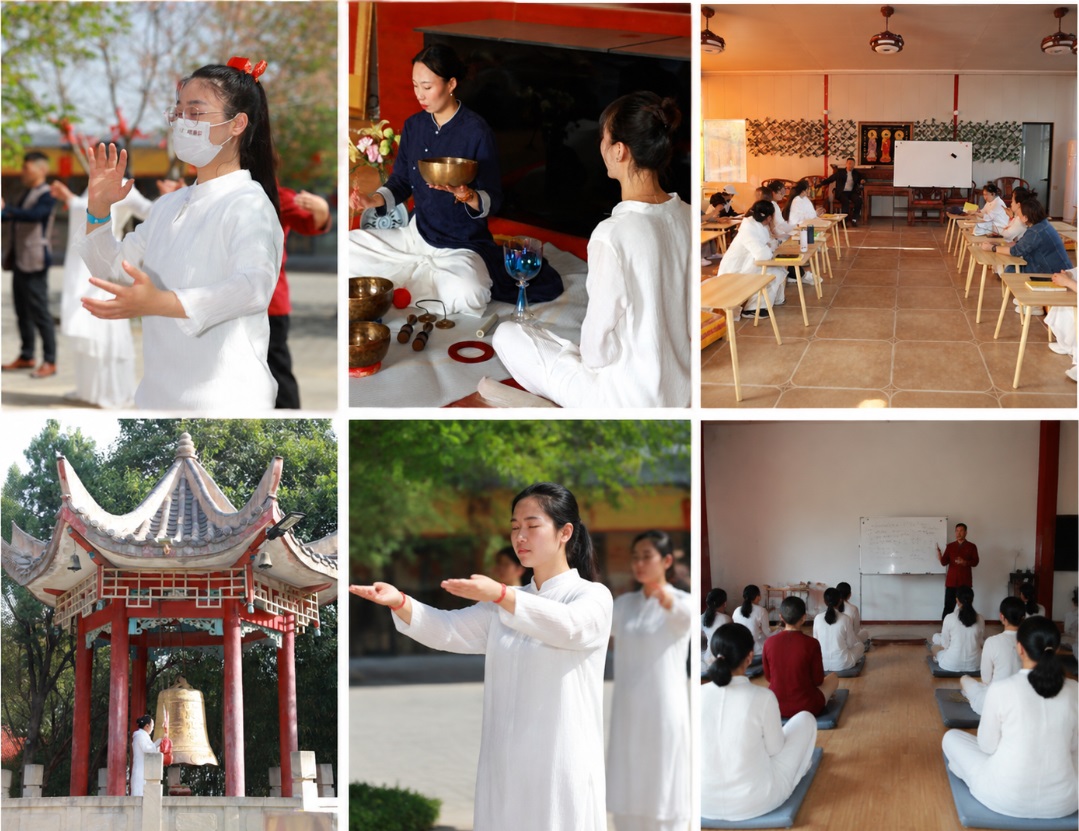
An expert provider demonstrates their capability through integration. Instead of offering disconnected sessions, they weave different modalities into a single, supportive experience. Our Unique Sound, Tea & Zen Integration is a prime example; it combines sound healing, Chan Meditation, and mindful tea rituals into a distinctive cultural wellness journey. This synergy helps participants access a state of calm through multiple sensory and cognitive pathways. The authenticity of the setting is another key indicator. Hosting programs at Longmen Guanghua Temple provides an unparalleled environment that cannot be replicated in a resort. This direct connection to a place of living heritage deepens the participant's experience.
When vetting potential partners for a Chinese incense and tea training or meditation program, consider the following:
- Does the provider have a clear lineage or philosophy guiding their teachings?
- Are their facilitators experienced in working with international, beginner-level groups?
- Do they offer integrated programs or just a menu of separate activities?
- Is the experience rooted in an authentic cultural and physical setting?
A provider who can confidently answer these questions is more likely to deliver a professional and transformative program that aligns with your organization's wellness goals.
To discuss program options or customize a retreat for your group's specific needs, please contact our team for a detailed proposal.