Longmen Grottoes & Zen Meditation Retreat in China: A Cultural Travel Guide
For travelers interested in Chinese history, Buddhist culture, and contemplative practice, Luoyang offers an opportunity to explore several layers of China's cultural heritage in one destination. The city is home to the Longmen Grottoes, a remarkable landscape of Buddhist sculpture and inscriptions, as well as historic temples that preserve different aspects of Chinese Buddhist tradition. Yet a meaningful visit does not have to end with sightseeing. For those who want to understand the living traditions behind these historic places, combining cultural exploration with Zen meditation can create a more personal and engaging journey.
A Zen heritage journey in Luoyang can connect Buddhist history, temple culture, guided meditation, and traditional Chinese arts within a broader cultural itinerary. At Longmen Guanghua Temple, Funzendo introduces international visitors to contemplative practices in a setting associated with Tang Esoteric Buddhism. The experience offers a different perspective on travel in China: one that values not only the places visited, but also the opportunity to learn, reflect, and participate respectfully in a living cultural environment.
Why Visit Luoyang for Buddhist Heritage and Zen Meditation?
Luoyang has an important place in the history of Chinese civilization and Buddhism. Its historic sites reflect centuries of cultural exchange, religious development, artistic achievement, and intellectual activity. For international visitors, exploring Luoyang can provide a broader understanding of how Buddhist traditions became part of China's cultural landscape.
The Longmen Grottoes are especially significant for their Buddhist sculptures, cave sanctuaries, stone inscriptions, and artistic development across different historical periods. The site offers a valuable opportunity to study how religious beliefs were expressed through sculpture, architecture, and patronage. A visit becomes more informative when travelers take time to understand the historical context of the works rather than viewing them only as individual photographic attractions.
Beyond the grottoes, Luoyang's temple heritage introduces another dimension of Buddhist culture. Temples are not simply architectural landmarks. They may also preserve religious lineages, commemorative monuments, forms of practice, and traditions that continue to shape how communities understand their heritage.
For travelers who want to connect these different dimensions, a cultural journey can combine historical exploration with time for meditation and reflection. This approach allows visitors to appreciate both the visible achievements of Buddhist art and the contemplative traditions that give many sacred places their continuing significance.
Longmen Guanghua Temple and the Heritage of Tang Esoteric Buddhism
Located on the western hillside of Longmen in Luoyang, Longmen Guanghua Temple is associated with the history of Tang Esoteric Buddhism, often referred to as Tangmi. The temple's heritage is connected with Subhakarasimha, known in Chinese as Shan Wuwei, one of the major Buddhist masters associated with the transmission of Esoteric Buddhist teachings during the Tang Dynasty.
This historical connection places Guanghua Temple within a wider network of Buddhist cultural exchange linking India, China, and other parts of Asia. The story of Tang Esoteric Buddhism involves the movement of teachers, the translation and transmission of scriptures, the development of ritual traditions, and the establishment of important religious centers.
For visitors, learning about this history provides a deeper context for the temple's monuments and commemorative spaces. Rather than treating every building or stele as an isolated attraction, travelers can begin to understand how individual places relate to the wider development of Chinese Buddhism.
Those interested in the historical setting can explore Funzendo's introduction to Longmen Guanghua Temple and its Buddhist heritage. The temple's mountain setting, commemorative monuments, and traditional architecture provide a cultural context for visitors interested in the relationship between history, religious practice, and contemplative life.
From Cultural Sightseeing to a Living Temple Experience
Visiting a historic Buddhist site and participating in a temple-based cultural experience are two different ways of engaging with Chinese heritage. Sightseeing generally focuses on historical information, architecture, and the physical landscape. A guided temple experience may add opportunities to learn about meditation, traditional customs, daily routines, and the etiquette associated with a religious environment.
Neither approach needs to replace the other. For many travelers, the most rewarding itinerary combines time at major cultural landmarks with quieter experiences that encourage closer attention. A morning spent learning meditation, for example, can offer a different perspective on the ideas of awareness and simplicity that visitors may encounter when studying Buddhist history.
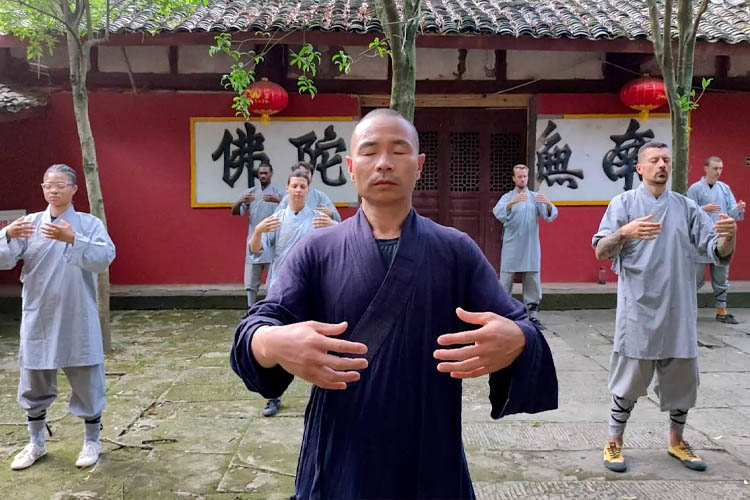
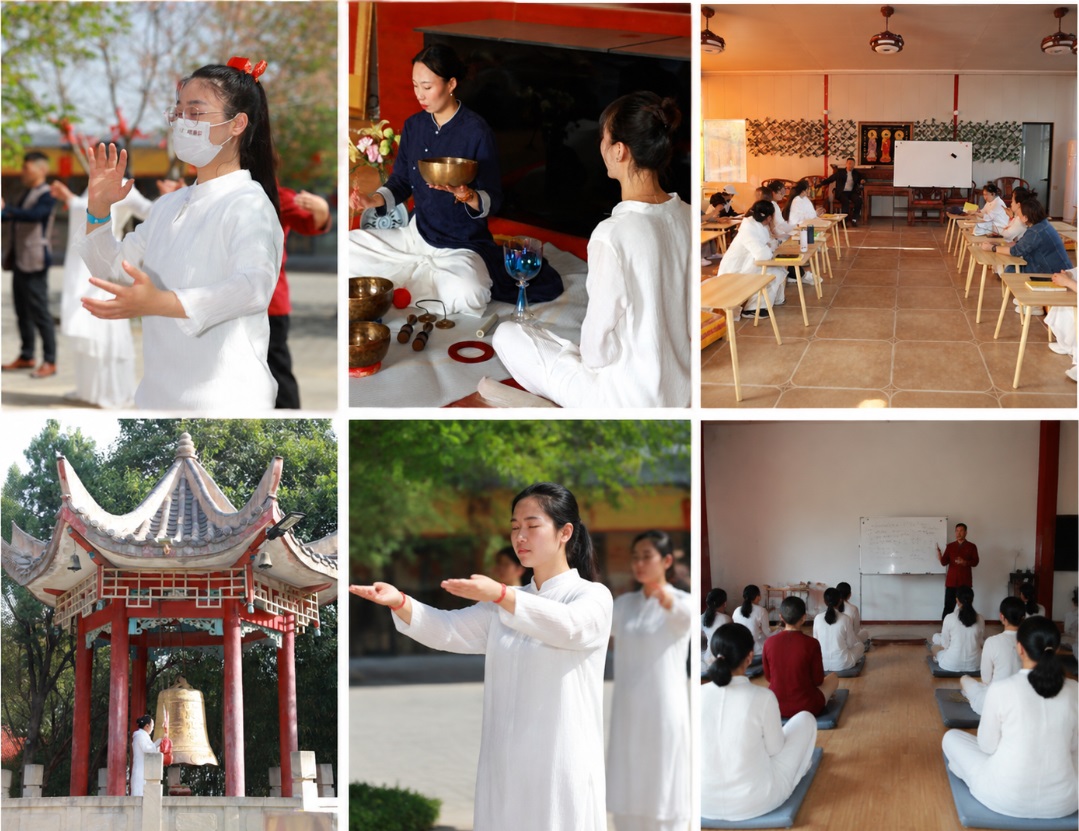
At Longmen Guanghua Temple, visitors can inquire about opportunities to experience Zen meditation and traditional Chinese culture. The format depends on the program selected, but may involve guided sitting practice, introductions to temple customs, or other cultural activities when available.
For those interested in beginning with a structured introduction, Funzendo offers information about its three-day Chan meditation retreat in China. This option can be a starting point for travelers who want to learn the fundamentals of meditation while experiencing a traditional Chinese Buddhist setting.
What Can You Learn Through a Zen Meditation Retreat?
A Zen meditation retreat provides time to learn and practice a contemplative method within a more structured environment than an ordinary sightseeing trip. Instead of moving continuously between attractions, participants have opportunities to slow down, receive guidance, and become familiar with the rhythm of practice.
Learning the Fundamentals of Sitting Meditation
For beginners, instruction often starts with posture, breathing awareness, and the way attention is directed during sitting practice. A stable and comfortable position helps participants remain attentive without creating unnecessary physical tension. The aim is not to force the body into a difficult posture or to eliminate every thought, but to learn how to notice distractions and return attention to the present moment.
Different people have different levels of flexibility and physical comfort. A suitable practice should accommodate these differences rather than treat one sitting position as mandatory for everyone. Participants should communicate any relevant physical limitations before joining a session and follow appropriate guidance.
Developing Attention Through Repetition
Meditation is a practice of returning. Attention may move toward a conversation remembered from the previous day, a task that remains unfinished, or plans for the future. Each time a practitioner notices this movement and gently returns to the chosen point of attention, the process becomes an opportunity to understand the habits of the mind.
This is one reason a retreat can be valuable even when individual sessions feel ordinary. Repeated practice creates time to become familiar with the process, without expecting every sitting to produce an unusual experience. What participants learn may be less about achieving a particular state and more about recognizing how attention changes from moment to moment.
Connecting Practice with Everyday Life
The value of meditation does not depend on remaining in a temple indefinitely. Simple elements of the practice can be adapted to ordinary routines, such as pausing before beginning work, noticing the breath during a transition between tasks, or paying closer attention while walking.
A retreat can help participants explore these habits in a dedicated environment and consider which ones may be realistic to continue after returning home. Experiences differ from person to person, and no particular emotional, physical, or medical outcome should be assumed. The central purpose is learning and sustained practice rather than a guaranteed transformation.
How to Combine the Longmen Grottoes with a Zen Retreat
Travelers planning a cultural visit to Luoyang should consider how much time they want to devote to historical sightseeing, meditation, and cultural learning. A tightly packed itinerary may cover many attractions but leave little room to understand them. A more deliberate plan allows visitors to balance exploration with rest and participation.
Option One: A Short Cultural Visit
Travelers with limited time can focus on the Longmen Grottoes and select one additional cultural or contemplative experience, subject to availability. This format works best when the main objective is to gain an introduction to Luoyang's Buddhist heritage without committing to a multi-day retreat.
Before arranging the visit, confirm the opening arrangements for the attractions, travel time between locations, and the schedule of any temple activities. A cultural experience should be planned around actual availability rather than assuming that every activity can be joined without advance arrangements.
Option Two: A Three-Day Meditation and Cultural Experience
A three-day program provides more time to move beyond a brief introduction. Depending on the selected itinerary, visitors can dedicate time to meditation instruction, learn about the temple environment, and explore relevant aspects of traditional Chinese culture.
This format may suit first-time meditators and travelers who want a focused cultural experience without setting aside an entire week. The most important consideration is to review the program schedule and confirm exactly which activities, accommodation arrangements, and meals are included.
Visitors can review the 3-day Chan meditation retreat to explore the introductory option and request details before finalizing travel plans.
Option Three: A Longer Zen Heritage Journey
Travelers with more time may prefer a longer itinerary that combines meditation with a broader exploration of Buddhist history and traditional Chinese culture. This approach can be particularly relevant for people who want to understand the relationship between historical sites, religious traditions, and contemporary forms of practice.
Funzendo's Longmen Zen Heritage Journey provides a relevant starting point for discussing this kind of cultural itinerary. The appropriate duration, destinations, activities, and travel arrangements should be confirmed with the team according to the current program and the visitor's needs.
Traditional Chinese Tea Culture: Another Way to Experience Zen
Tea culture can complement a cultural journey by introducing visitors to a traditional art that combines preparation, hospitality, sensory attention, and aesthetic appreciation. In a guided tea session, participants may learn about tea leaves, water temperature, utensils, serving techniques, and the customs associated with sharing tea.
The process offers a different form of participation from sitting meditation. Instead of concentrating on the breath in a stationary posture, visitors engage with a sequence of practical actions. They can notice the fragrance of the leaves, observe changes in the infusion, and experience the pace of preparing and receiving a cup.
Tea has a long cultural relationship with Buddhist life in China, although tea traditions extend well beyond religious settings. Exploring this relationship can help visitors understand how everyday activities have become associated with ideas of attention, moderation, hospitality, and simplicity.
For travelers interested in experiencing rather than simply reading about these traditions, Funzendo's Chinese tea culture and Zen experiences offer a starting point for checking available activities. Visitors should confirm the current schedule and whether a tea session can be combined with their chosen retreat.
Temple Stay in China: What Should You Expect?
A temple stay can offer a different perspective on cultural travel by allowing visitors to spend more time in a traditional environment. Depending on the arrangements, the experience may include accommodation, opportunities for meditation, cultural instruction, and an introduction to aspects of temple life.
It is important to distinguish a temple stay from a conventional hotel stay. The setting may involve particular expectations regarding quiet hours, appropriate clothing, photography, and respect for religious activities. Facilities and daily schedules also vary, so travelers should not assume that every temple provides the same accommodation standards or program format.
For some visitors, the appeal lies in having enough time to understand the environment instead of arriving briefly and leaving immediately. A slower schedule can provide opportunities to reflect on what has been learned, ask questions where appropriate, and participate in available activities with greater attention.
Travelers interested in staying in the temple environment can review Funzendo's Chinese temple stay options. Before booking, confirm room arrangements, meals, facilities, dates, language support, daily activities, and any additional costs.
Practical Questions to Ask Before Booking
Choosing the right experience requires more than comparing program names. Clear information about the itinerary and practical arrangements helps travelers decide whether a retreat is suitable for their interests, schedule, and expectations.
Program duration: How many days are required, and what is the daily schedule?
Level of experience: Is the program suitable for beginners, or does it expect previous meditation experience?
Language support: Is English-language instruction or interpretation available on the selected dates?
Accommodation: What room types and facilities are available, and are meals included?
Activities: Which meditation, tea, cultural, or other sessions are actually included?
Physical suitability: Are there extended sitting periods, stairs, walking requirements, or other considerations to discuss in advance?
Total cost: What is included in the quoted price, and are transportation or additional activities charged separately?
Asking these questions before confirming a booking reduces uncertainty and helps ensure that the selected program matches the intended experience. It also allows visitors to make realistic plans for travel, accommodation, and time spent at each location.
Who Is This Kind of Cultural Journey For?
A combination of Buddhist heritage and contemplative practice can appeal to several types of international visitors, although each group may have different priorities.
Cultural travelers: Visitors interested in Chinese history, Buddhist art, temple architecture, and traditional practices may appreciate an itinerary that goes beyond conventional sightseeing.
First-time meditators: People curious about Zen can use a guided introductory session to learn the basic principles of sitting practice in a traditional setting.
Experienced practitioners: Those who already meditate may be interested in exploring Chinese Buddhist heritage and spending dedicated time in a contemplative environment.
Slow-travel visitors: Travelers who prefer a less hurried schedule can consider a longer stay that balances cultural learning with time for reflection.
Educational and private groups: Groups studying Asian history, religion, philosophy, or traditional arts may inquire about appropriate cultural programs and practical arrangements.
The best itinerary is not necessarily the one with the most activities. It is the one that gives participants enough context to understand what they are seeing and enough time to engage meaningfully with the experience.
Planning Your Visit with Funzendo
Funzendo is based at Longmen Guanghua Temple in Luoyang, a setting associated with the history of Tang Esoteric Buddhism. Its programs connect Zen meditation and traditional Chinese cultural experiences with opportunities to explore the region's Buddhist heritage.
For individual travelers, the first step is to decide whether the main interest is meditation, temple accommodation, cultural learning, or a combination of these elements. For private groups and educational organizers, it is useful to identify the purpose of the visit, the number of participants, preferred dates, language requirements, and available time.
Program details should be confirmed before travel, particularly when an itinerary involves multiple locations or activities. Availability, accommodation arrangements, transportation, teaching schedules, and total costs may depend on the selected format and dates.
Visitors who want to compare options can begin with the Funzendo cultural and retreat programs or explore the temple's history through the Longmen Guanghua Temple heritage guide. These pages provide starting points for deciding which experience best fits a planned visit to Luoyang.
Frequently Asked Questions
Can I combine a visit to the Longmen Grottoes with Zen meditation?
A cultural itinerary can be planned around both historical sightseeing and meditation, subject to the schedules and availability of the relevant activities. Confirm travel times and program arrangements before booking.
Is Longmen Guanghua Temple suitable for international visitors?
International visitors interested in Chinese Buddhist culture can inquire about available experiences, language support, and participation requirements. It is advisable to confirm these details for the intended travel dates.
Do I need meditation experience to join a retreat in China?
An introductory retreat can be suitable for beginners, provided the program is designed for people with no previous experience. Check the course description and ask about the level of instruction before registering.
How long should I stay in Luoyang?
The appropriate duration depends on whether you plan to visit the Longmen Grottoes alone, add a temple cultural experience, or join a multi-day retreat. Allow sufficient time for transportation, scheduled activities, rest, and the practical arrangements of your itinerary.
Can I stay at a Buddhist temple during my visit?
Temple accommodation depends on the available facilities and program arrangements. Confirm room availability, meals, house rules, and the activities associated with the stay before making travel commitments.
What is the difference between a cultural tour and a Zen retreat?
A cultural tour generally emphasizes historical places, heritage, and cultural interpretation. A Zen retreat places more emphasis on guided contemplative practice and a structured schedule. Some itineraries combine both, but the balance depends on the program selected.
Experience the Cultural Heritage of Longmen Beyond Sightseeing
Luoyang offers an opportunity to explore Chinese Buddhist heritage through sculpture, architecture, historical monuments, and living temple traditions. The Longmen Grottoes reveal the artistic and historical dimensions of Buddhism, while Longmen Guanghua Temple provides a setting for learning about Tang Esoteric Buddhist heritage and contemplative culture.
Combining cultural exploration with meditation or traditional arts can create a more considered way to experience the region. Whether the goal is to learn the fundamentals of Zen, explore Chinese tea culture, or spend more time in a temple environment, the right program begins with clear expectations and practical planning.
For travelers planning a cultural journey to Luoyang, Funzendo welcomes inquiries about its meditation, temple stay, and cultural programs. Explore the available options and contact the team to discuss dates, program content, language arrangements, and the experience that best matches your interests.