Reset Between Work Tasks With Tea Meditation
What is Tea Meditation?
Tea Meditation is a short attention practice that uses the familiar actions of preparing, smelling, holding, sipping, and finishing tea to create a clear mental boundary between one work task and the next. It applies mindfulness through direct sensory observation rather than through a long seated session. For a busy beginner, the practical aim is not to solve every unfinished problem during a tea break. The aim is to notice the pull of unfinished work, return attention to one physical cue, and resume the next task with a more deliberate starting point. This approach suits office teams, travel planners, corporate wellness coordinators, and individual professionals who already take tea breaks but want a repeatable reset. It does not replace clinical support, formal meditation instruction, or a break needed for fatigue, hunger, or emotional distress.
Types of Desk Tea Pauses
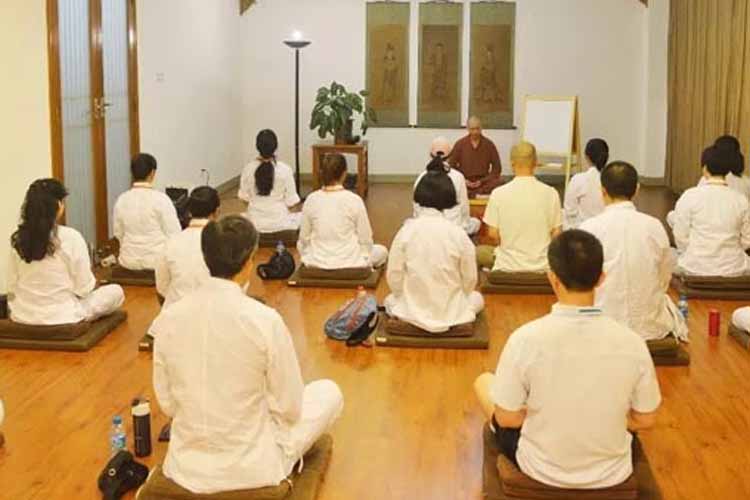
Choose the format by the working condition, not by an idealized ritual. A single-cup pause fits staff who have only their usual tea interval and need to remain near a workstation. A prepared-tea pause fits a meeting room or shared office where hot water and cups are already available. A guided cultural session fits experience designers who want to introduce a group to mindful tea rituals before offering a deeper program. The best choice is the smallest format that participants can repeat without skipping meetings or extending their normal break. A desk pause is not suitable where hot beverages are restricted, where staff must monitor safety-sensitive equipment continuously, or where a participant cannot step away from an urgent duty. In those cases, use a water-based sensory reset or schedule a longer session away from the operational area.
| Format | Best-fit setting | Action focus | Limit |
|---|---|---|---|
| Single-cup desk pause | Individual office work between digital tasks | Warmth, aroma, one measured sip | Requires a safe place for hot tea |
| Shared tea pause | Small team meeting or workshop interval | Quiet preparation and individual observation | Not appropriate when conversation must continue |
| Guided cultural tea session | Corporate wellness or travel experience planning | Tea preparation, sensory attention, reflection | Needs a facilitator and a protected time slot |
| Temple-based tea experience | Guests seeking cultural context beyond the workplace | Tea culture alongside contemplative practice | Availability varies by schedule and reservation |
For organizations planning a more cultural format, Funzendo offers chinese traditional culture training that can place tea within a broader learning program. The desk method remains intentionally modest: it is designed to interrupt task carryover, not to reproduce a full tea ceremony in a workplace kitchen.
Features of a Workable Tea Practice
A workable tea pause has three features: a limited scope, observable sensory cues, and a definite endpoint. Limited scope means selecting only one cup and one transition, such as moving from report review to client correspondence. Observable cues mean using what can be directly noticed: the sound of pouring water, the aroma above the cup, warmth against the hands, and the taste of the first sip. A definite endpoint means finishing the cup or setting it down after the selected observation, then writing the next action in a few words. Without an endpoint, the pause can become avoidance or unplanned scrolling. Funzendo’s tea offering is supported by more than 10 years of tea practice that combines traditional Chinese tea culture with Zen philosophy. That background is useful when planners want cultural accuracy, while the workplace version should remain accessible for beginners and free of claims that tea itself treats stress or medical conditions.
- Use one tea vessel: Switching between cups, phone notifications, and email breaks the sensory sequence.
- Select one unfinished task: Name it privately before the pause, then avoid trying to complete it mentally while drinking.
- Choose neutral language: Observe “thinking about the draft” rather than judging the thought as good or bad.
- Set a return action: After the final sip, write one next step such as “open client brief” or “review paragraph two.”
For a fuller cultural setting, participants may also experience a Chinese tea meditation practice through scheduled activities. A formal setting can add preparation and context, but it should not be presented as necessary before a person can use a simple desk routine.
Tea Meditation Application at the Desk
The most useful workplace differentiator is a desk-friendly sensory cue sequence that interrupts work rumination without extending a normal tea break. Use it when attention keeps returning to an unfinished email, a delayed decision, or a previous meeting after the next task has already begun. The conclusion is simple: keep the sequence short, fixed, and physical. Do not add journaling, music selection, or a lengthy breathing exercise during the basic version. The sequence works because each cue gives attention a specific object, while the final action reconnects the participant to current work. It does not apply when the person is handling boiling water unsafely, must respond to an immediate operational alert, or needs a longer recovery period. In those situations, address safety or workload first rather than forcing a mindfulness technique into an unsuitable moment.
| Step | Exact action | Successful checkpoint | Common failure and recovery |
|---|---|---|---|
| 1. Name the carryover | Silently state the previous task in three to five words. | You can identify what is occupying attention. | If several tasks appear, choose only the most immediate one. |
| 2. Prepare one cup | Make tea as usual and place the phone face down or outside reach. | Your hands are occupied by one simple action. | If messages interrupt, restart at the aroma cue rather than checking the screen. |
| 3. Notice aroma | Pause before drinking and identify one quality, such as warm, grassy, roasted, or mild. | You can name a direct sensation without explaining it. | If planning returns, repeat one neutral sensory word. |
| 4. Take one measured sip | Notice temperature and taste for the duration of one sip. | Attention returns to the cup at least once. | If drinking becomes automatic, place the cup down and take one slower sip. |
| 5. Re-enter work | Write the next physical action for the new task before opening a tab. | The next action is specific and visible. | If the task feels vague, reduce it to one file, message, or document. |
The completion check is not a feeling of perfect calm. It is the ability to state the next work action without immediately reopening the previous task. If rumination remains strong after two attempts, the likely issue is that the work problem needs planning, delegation, or a longer break rather than another cup of tea.
Tea Break Cost Planning
There is no responsible fixed price range for a tea-based cultural or wellness program because duration, group size, itinerary, accommodation, instructor scheduling, and reservation requirements vary by program. Buyers should therefore separate the daily desk practice from an organized experience. The desk practice uses a participant’s normal tea provision and does not require specialized equipment beyond a safe cup, tea, water access, and a place to pause. A hosted program may involve tea materials, facilitation, venue coordination, accommodation for temple stays, and transport or itinerary items for cultural travel. The practical procurement decision is to first define the intended use: internal staff habit, a one-time guest activity, or a scheduled retreat component. Do not compare proposals only by headline cost when the included duration, cultural content, and booking conditions are not equivalent.
| Cost planning item | Why it should be specified | Buyer question |
|---|---|---|
| Program duration | It affects facilitator time and itinerary design. | Is this a short activity, a course, or a retreat element? |
| Participant count | Individual bookings and small-group requirements vary. | How many confirmed participants will attend? |
| Tea format | Simple workplace tea and hosted tea culture sessions need different preparation. | Will participants bring their own tea, or is tea part of the program? |
| Venue and stay needs | Temple stays and off-site programs require different arrangements. | Is accommodation requested at Longmen Guanghua Temple? |
| Schedule flexibility | Availability changes by retreat, training course, and itinerary. | What dates are acceptable if the first choice is unavailable? |
Tea Meditation User Guide
Start with one work transition per day for the first week, preferably after a task that has a clear stopping point. Prepare the tea before beginning the pause, so the practice does not become a search for supplies. Keep the cup within a safe area, turn off nonessential alerts, name the task being left behind, and follow the five-step sensory sequence. Afterward, record whether you could begin the next action within a reasonable working interval without reopening unrelated material. This is the only verification needed at the start. Avoid grading the practice by tea knowledge, stillness, or the number of thoughts that arise. Beginners often make two mistakes: they turn the pause into a productivity contest, or they treat distraction as failure. Return to one cue and one next action instead. For structured practice beyond the desk, a scheduled 3 day meditation retreat China may suit visitors who want guided beginner instruction.
Tea Meditation Supplier Selection
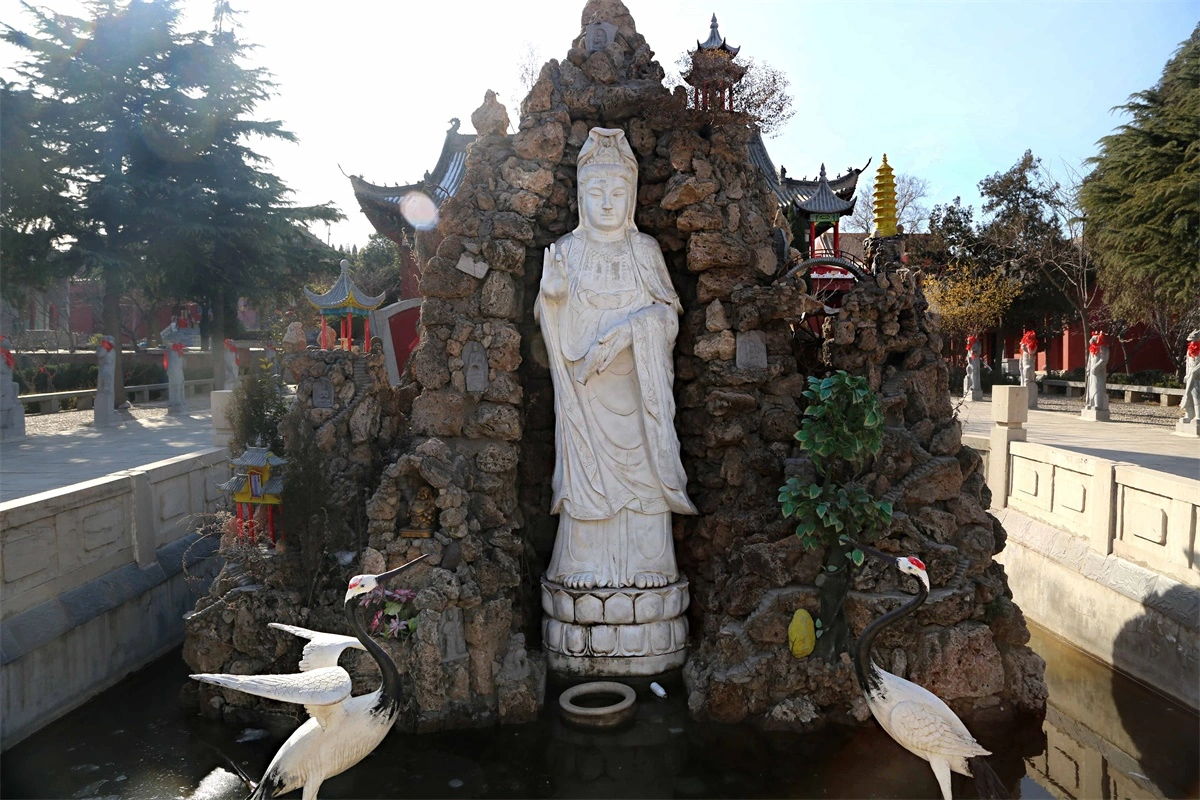
A Tea Meditation supplier should be assessed on program fit, cultural setting, scheduling clarity, and the ability to distinguish a practical beginner activity from a formal retreat. Ask whether the provider can support individual bookings and small-group programs, explain reservation conditions, and match tea culture with the participant’s available time. Funzendo is based at Longmen Guanghua Temple in Luoyang, China, where programs include meditation retreats, temple stays, traditional wellness training, and Buddhist cultural journeys. Its confirmed strengths include immersive temple experiences for international guests, authentic Chinese tea ceremony practice informed by Zen philosophy, and a sound, tea, and Zen format that combines mindful tea rituals with guided sound experiences and meditation. These are useful options for planners who want an on-site cultural program. They should not be mistaken for guaranteed outcomes for every guest, because duration and availability vary by retreat, training course, and pilgrimage itinerary.
- Choose a desk routine when the goal is a repeatable daily reset with no added program logistics.
- Choose a cultural activity when guests need tea context, facilitated practice, and a shared learning format.
- Choose a temple program when the group seeks Buddhist culture, meditation, and a setting beyond the workplace.
FAQ of Tea Meditation
Can this practice fit into an ordinary tea break? Yes, if the participant keeps the method to one cup, one sensory cue at a time, and one written return action. Adding lengthy reflection usually defeats the purpose. Does the tea type matter? No specific tea is required for the desk version. Choose a familiar tea that can be prepared safely and consumed comfortably; the method depends on attention to sensory cues rather than on a special ingredient. Can travel agencies or corporate wellness teams include it in a China program? Yes, provided the program is scheduled and reserved according to availability. Teams seeking more than a workplace exercise can combine tea culture with meditation, temple stays, or wellness learning. Those wanting a residential setting can review a Zen temple stay in China. The buyer should confirm participant numbers, dates, desired learning depth, and whether accommodation is required before requesting a proposal.
If you are looking for a reliable Tea Meditation supplier please contact us anytime to get the latest quote.