Start a Chanting Practice With Breath, Posture and Tempo
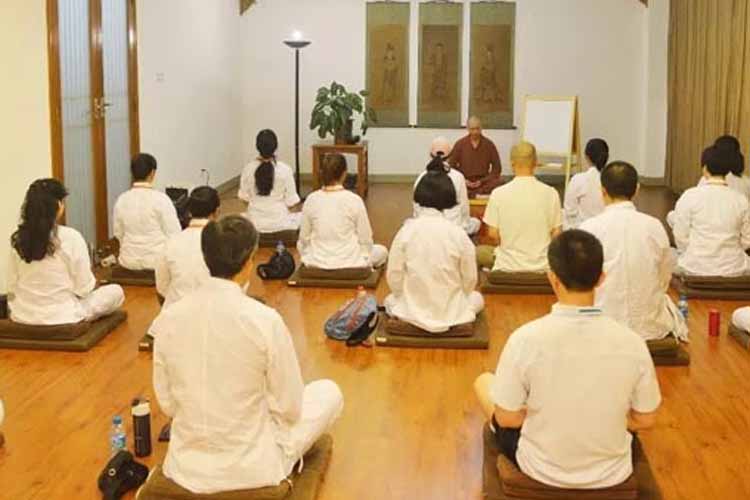
What is Chanting Practice?
Chanting Practice is the steady repetition of a short phrase or syllable, spoken or sung on a single exhale, so that voice, breath and attention move together. Beginners tend to ask one practical question: how can I chant for several minutes without a sore throat, a wandering mind or light-headedness? The answer is technique rather than belief. A mantra or a line of sutra works as a carrier for a controlled exhale, and the phrase itself matters less than how you deliver it. At Longmen Guanghua Temple in Luoyang, recitation is taught as a physical skill before it is treated as a devotional one. The temple has a deep connection to Chinese Esoteric Buddhism (Tangmi): the Indian master Śubhakarasiṃha passed away and was buried there, and his pagoda still stands in the grounds. This article keeps to a practical, secular method that any beginner can test alone before choosing a class, group or retreat.
Types of Chanting Practice
Five formats cover most beginner needs. They differ in how much breath they demand and how much musical control they require, so choose according to your lung comfort and your goal.
| Format | Breath demand | Best for | Limit |
|---|---|---|---|
| Spoken recitation on one note | Low | First sessions, quiet rooms | Can turn monotonous and invite drowsiness |
| Sustained single syllable | Medium | Training exhale length | Strains the throat if volume is pushed |
| Melodic sutra chanting | Medium to high | Learners with some vocal control | Needs a teacher for melody and text |
| Call and response in a group | Shared | Group workshops, temple stays | Easy to copy others and ignore your own breath |
| Silent mental recitation | None | Shared rooms, fatigue, throat rest | Offers no vocal feedback for beginners |
For programme planners, the usual starting point is spoken recitation, which fits easily into a 3 day meditation retreat China schedule alongside sitting practice. Sustained syllables and melodic forms are better added once a guest can finish a session without strain. Programme availability and duration vary by retreat, so confirm the format when you reserve.
Features of Chanting Taught in a Temple
Tangmi tradition is associated with mantra, hand gestures and visualisation, but our beginner sessions deliberately set the ritual layers aside and teach the physical base first: how to sit, how to breathe, how to keep the voice even. That base is what later lets a guest take part in temple recitation without tiring. Guests learn it inside the authentic setting of Longmen Guanghua Temple, an immersive temple experience built to introduce international visitors to Chinese contemplative traditions. Our approach to Zen meditation and mindfulness is accessible and aimed at beginners seeking balance and present-moment awareness. We also combine sound healing, meditation and mindful tea rituals into one cultural wellness experience. Chanting fits naturally into that sequence: voice first, then silence, then tea. Limits apply. These sessions are cultural and contemplative instruction, not medical treatment.
Why Breath, Posture and Vocal Tempo Prevent Strain
Most beginner problems come from three coupled variables. The table below shows what to set, how to check it, and what goes wrong when it is off.
| Element | What to do | Checkpoint | Failure if ignored |
|---|---|---|---|
| Breath timing | Inhale quietly through the nose, then chant on a longer exhale | You finish each phrase with some breath left | Gasping, dizziness, a thin voice at phrase ends |
| Upright posture | Sit on a firm cushion with hips above knees, spine tall, chin level | The belly moves freely and the throat feels open | Collapsed ribs, shallow breath, a pinched throat |
| Sustainable vocal tempo | Choose a speed slower than normal speech and hold it steady | The final repetition sounds like the first | Rushing, tension in the jaw, attention drifting to the next word |
The reasoning is simple. A slumped spine limits the diaphragm, a limited diaphragm shortens the exhale, and a short exhale pushes you to speed up, which tightens the throat and breaks concentration. Fixing posture first corrects the chain from its source. This works best for seated sessions of modest length. It does not suit anyone with a respiratory condition, recent illness or a tendency to faint. In those cases, choose silent mental recitation and seek medical advice before extended vocal work. Stop immediately if you feel dizzy or your throat hurts.
Applying Chanting in Tours and Wellness Programmes
Three scenarios show where a short vocal module adds value. A travel agency building a Luoyang itinerary can place a brief recitation session before morning meditation, so guests warm up their breath and settle their attention before sitting still. A corporate wellness lead running a small-group programme can use it as a low-barrier opener, because it needs no flexibility and no prior knowledge. A guest staying at the temple can link it to temple stay routines and then continue into singing bowl sound healing or a tea session, as the integrated format intends. Individual bookings and small-group programmes are both available, although group size and booking requirements vary by programme. For very large groups, the method works less well, because a teacher cannot check each person's posture and breath.
Chanting Session Price
We do not publish a single fixed figure for chanting, because it is usually delivered as part of a wider programme rather than sold alone. Cost is shaped by four factors: the length of the programme (for example a 3-day, 7-day or 30-day retreat), the size of the group, the level of teacher attention each guest receives, and whether accommodation and tea or sound sessions are included. Availability and duration vary by retreat, training course and pilgrimage itinerary, and demand in busy periods can affect which dates remain open. Group terms for agencies and corporate buyers are discussed case by case at the quote stage. To get a useful quote, state your group size, the preferred dates, the experience level of your guests and whether you need chanting as a standalone module or within a longer programme.
Beginner User Guide With Step-by-Step Checks
Work through these steps in order, because each depends on the one before it. Use a quiet room and a firm cushion or chair.
- Choose a short phrase. It must fit on one comfortable exhale. Checkpoint: you can say it twice without refilling your lungs.
- Set the seat. Place your hips higher than your knees, lengthen your spine and let your shoulders drop. Checkpoint: your belly can expand freely.
- Take three silent breaths. Make each exhale longer than the inhale. Checkpoint: your jaw and tongue feel loose.
- Chant at conversational volume. Inhale through the nose, then deliver the phrase on one exhale. Checkpoint: you could keep this up for several minutes without effort.
- Hold the tempo. Keep the gaps between repetitions equal. If the speed rises, extend the exhale rather than the volume.
- Finish with silence. Stop, sit still and notice your breath. Checkpoint: the throat is relaxed and the mind feels settled.
The most common mistakes are chanting too loudly to feel something, starting a phrase on an empty inhale, and sitting on a soft sofa that rounds the back. If the throat feels tight afterwards, go back to step 2 and then reduce volume. If your mind wanders, slow the tempo rather than push harder. You have completed a good first session when you finish without strain, your voice sounds the same at the end as at the start, and you feel calm rather than tired. When you want guided correction from a teacher, explore a deeper Buddhist meditation practice with us.
FAQ of Chanting Practice
Do I need to be Buddhist to chant?
No. The method described here is a breathing and attention exercise that uses a spoken phrase as its anchor. Guests of any background join our beginner sessions, and the temple setting simply provides context for the tradition.
How long should a first session last?
Start with a length you can finish comfortably, then add a minute at a time over several days. Quality matters more than duration, and a short, steady session teaches more than a long, strained one. If your throat or breath tires, stop and rest in silence.
Can a group book a chanting module?
Yes, within limits. Individual bookings and small-group programmes are both available, and group size and booking requirements vary by programme. Tell us your numbers and dates, and we will advise whether chanting works best as a standalone module or inside a retreat.
Chanting Practice Supplier
As a Chanting Practice supplier, Funzendo is based at Longmen Guanghua Temple in Luoyang, where our instruction draws on the temple's own teachers and its Tangmi heritage, including the pagoda of Śubhakarasiṃha. We combine sound healing, meditation and mindful tea rituals into one programme, supported by more than 10 years of tea practice that blends traditional Chinese tea culture with Zen philosophy. Our programmes include Zen retreat options, temple stays, traditional wellness training and Buddhist cultural visits, offered by schedule and reservation. We can advise on how a chanting module fits your guests' experience level, group size and schedule. If you are looking for a reliable Chanting Practice supplier please contact us anytime to get the latest quote.