Tiao Xi: The Traditional Chinese Art of Breath Regulation and Daoist Wellness
Breathing is something we do thousands of times a day without thinking about it. Yet in traditional Chinese wellness practice, the breath is not treated merely as an automatic physical function. It is also a way to develop awareness, settle the mind, and understand the relationship between the body and its surroundings.
One traditional concept associated with this approach is Tiao Xi (调息), commonly translated as breath regulation. Rather than forcing the breath into a particular rhythm, the practice begins with observation. Through posture, relaxation, and attentive breathing, practitioners gradually learn to recognize their breathing habits and develop a more natural sense of coordination.
For people interested in Chinese wellness culture, Tiao Xi offers an accessible introduction to a broader tradition of self-cultivation. It can be explored alongside standing meditation, gentle movement, and quiet sitting—practices that are included in the Daoist Wellness Practice Retreat at Funzendo in Luoyang, China.
1. What Does Tiao Xi Mean?
The Chinese term Tiao Xi combines two ideas: tiao, meaning to regulate or adjust, and xi, meaning breath. In traditional cultivation practices, it refers to bringing attention to the breathing process and allowing it to become steady, comfortable, and coordinated with the body.
It is important to understand what this does not mean. Tiao Xi is not simply taking the deepest possible breath, holding the breath for as long as possible, or trying to achieve an unusual breathing sensation. For beginners, the starting point is much simpler: notice how you breathe, release unnecessary tension, and avoid interfering with the body's natural rhythm.
This approach makes breath regulation different from a performance-based breathing exercise. There is no need to compete, count impressive numbers, or force an immediate result. Consistency and awareness matter more than intensity.
2. The Relationship Between Posture and Breathing
Breathing does not happen separately from the rest of the body. The position of the head, shoulders, spine, and abdomen can influence how comfortable breathing feels. When someone sits with a rounded back or keeps the shoulders raised, the body may feel restricted. A more balanced posture can make it easier to observe the breath without unnecessary effort.
Traditional Chinese wellness practice therefore often begins with posture before introducing more focused breathing work.
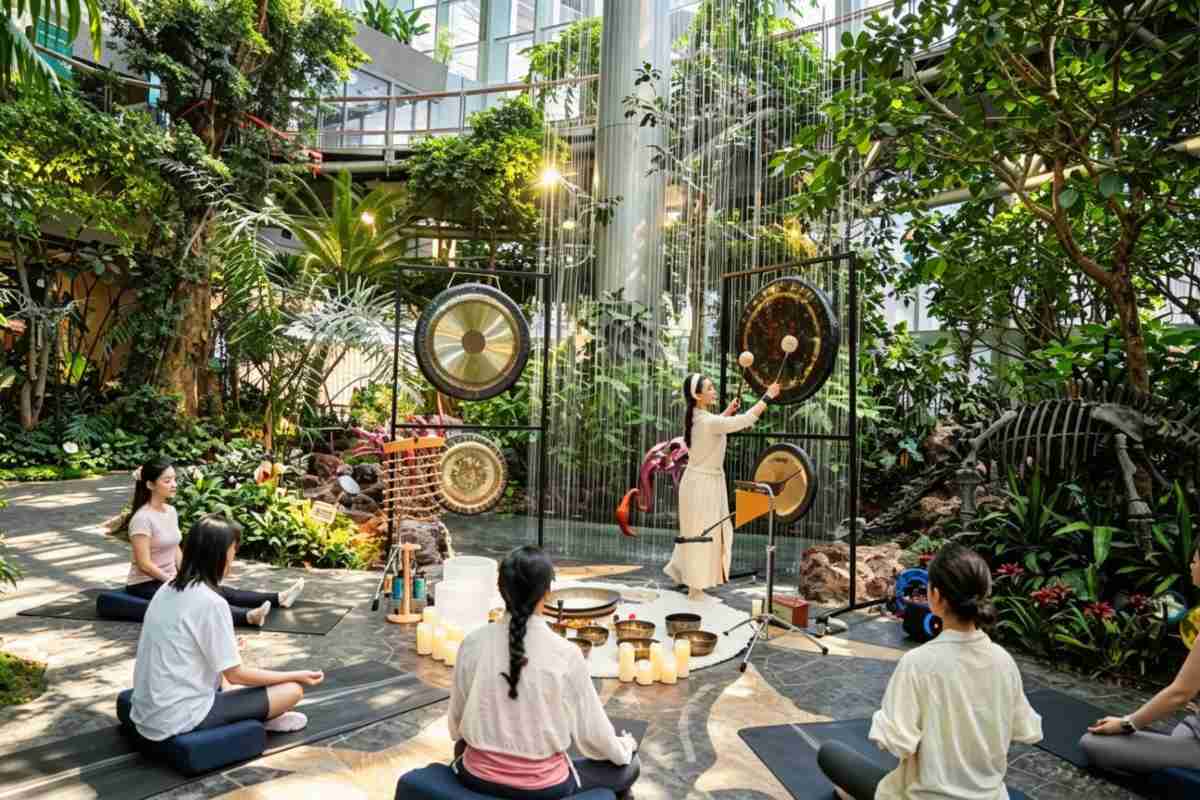
Three Basic Points to Notice
Head and neck: Keep the head balanced rather than pushing it forward or lifting the chin.
Shoulders: Allow the shoulders to rest naturally instead of holding them tense or raised.
Spine and abdomen: Maintain a comfortable upright position without stiffening the body or forcing the abdomen outward.
These are practical observations, not rigid rules. A comfortable posture will differ from person to person. Anyone with pain, mobility limitations, or a medical condition should adapt the position appropriately and seek qualified guidance when needed.
3. Natural Breathing Before Regulated Breathing
A common beginner's mistake is trying too hard to control the breath. People may inhale excessively, tighten the abdomen, or deliberately slow their breathing before they understand their natural pattern. This can create discomfort rather than ease.
A more useful first exercise is observation:
Sit or stand in a comfortable, stable position.
Allow the shoulders, jaw, and hands to relax.
Notice the movement of the breath without trying to change it.
Observe whether the breathing feels smooth, hurried, shallow, or interrupted.
If the mind wanders, gently return attention to the next natural breath.
After a short period, you may begin to notice small habits: holding the breath while concentrating, lifting the shoulders during inhalation, or breathing more quickly when distracted. Recognizing these patterns is already part of developing awareness.
4. Abdominal Breathing and Body Awareness
Abdominal breathing is often introduced in traditional Chinese wellness instruction as a way to become more aware of the movement around the lower torso. During a comfortable inhalation, the abdomen may expand gently; during exhalation, it may return naturally. The movement should remain relaxed rather than exaggerated.
For beginners, the purpose is not to push the abdomen outward or to breathe as deeply as possible. It is to notice the relationship between the breath and the body while maintaining comfort.
Try a simple observation exercise:
Place one hand lightly on the lower abdomen.
Allow the breath to enter and leave naturally.
Notice whether the abdomen moves gently with the breathing cycle.
Keep the chest, shoulders, and face relaxed.
Stop the exercise if you feel dizzy, uncomfortable, or short of breath.
There is no need to hold the breath or follow a strict timing pattern. People with respiratory or cardiovascular conditions, pregnancy-related concerns, or a history of dizziness should seek appropriate professional advice before attempting structured breathing exercises.
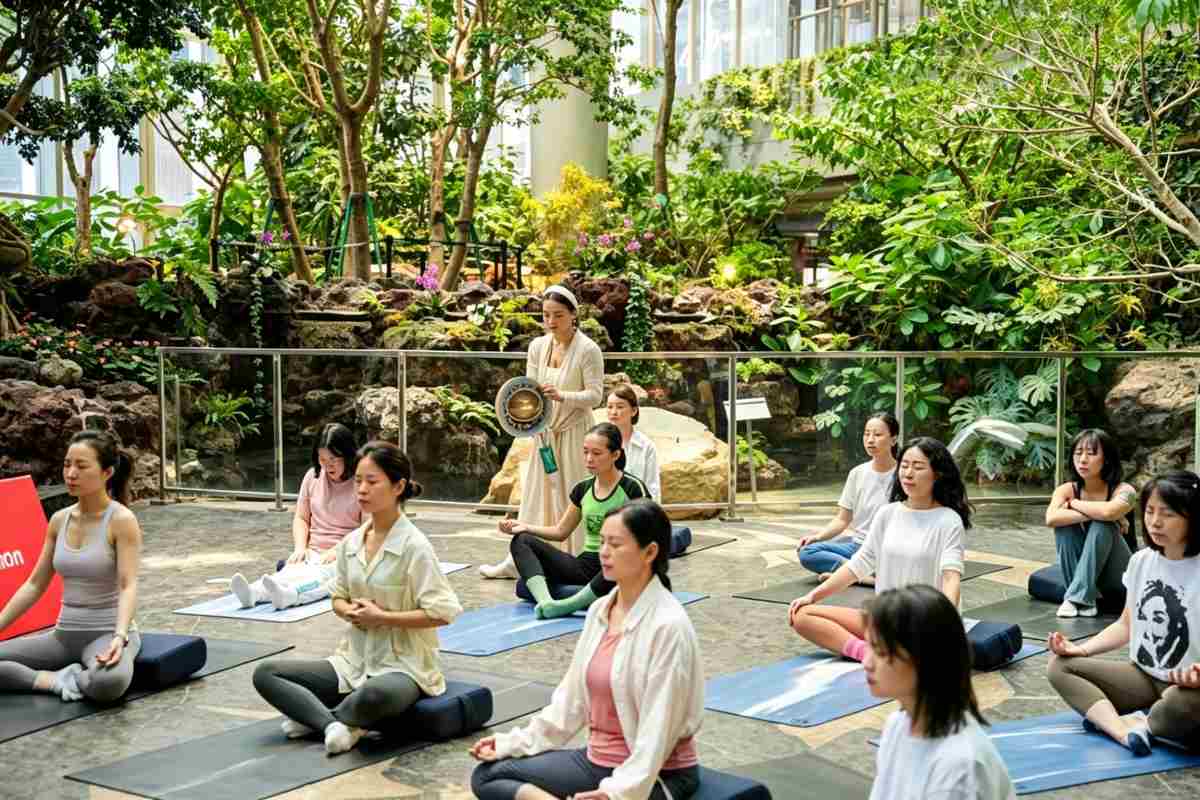
5. How Tiao Xi Connects with Zhan Zhuang
Tiao Xi is not always practiced while sitting. It can also be explored through Zhan Zhuang (站桩), commonly translated as standing meditation or standing post practice.
In Zhan Zhuang, practitioners maintain a stable standing posture for a period of time. The practice emphasizes alignment, relaxation, balance, and sustained attention. Instead of performing a sequence of large movements, the practitioner learns to remain still while noticing subtle changes in posture and bodily sensation.
Breathing awareness can support this process. When the body is tense, the breath may feel restricted. When the practitioner learns to release unnecessary effort and maintain a comfortable stance, breathing can become easier to observe.
The two practices have different emphases:
Tiao Xi: Develops awareness of breathing and the ability to avoid unnecessary interference with its natural rhythm.
Zhan Zhuang: Develops standing stability, postural awareness, relaxation, and concentration.
Quiet sitting: Provides another setting for observing the breath and settling attention.
They can complement one another within a broader practice routine, but they should not be treated as identical exercises.
6. Why Movement Is Also Part of the Practice
Traditional wellness training does not have to consist entirely of stillness. Gentle movement can help beginners understand how posture, balance, and breathing relate to one another.
In a simple movement exercise, attention can be placed on three things: the direction of the movement, the degree of physical effort, and the natural breathing rhythm. The aim is not to synchronize every movement with a rigid breathing count. Instead, practitioners learn to avoid unnecessary tension and move at a comfortable pace.
This is one reason a structured course may combine breathing exercises, standing practice, gentle body conditioning, and meditation. Each element provides a different way to explore awareness and coordination.
7. A Practical Learning Progression for Beginners
For someone encountering Tiao Xi for the first time, a gradual learning process is generally more useful than attempting several techniques at once. A simple progression might look like this:
Stage One: Observe
Begin by noticing the natural breath while sitting comfortably. Do not change its depth or speed. The first task is simply to recognize the breathing pattern.
Stage Two: Relax
Pay attention to the shoulders, jaw, hands, and abdomen. Release unnecessary tension while keeping the body supported and comfortable.
Stage Three: Coordinate
Introduce gentle movement or a comfortable standing posture. Notice how changes in alignment and effort influence the feeling of breathing.
Stage Four: Integrate
Combine breathing awareness with quiet sitting or a simple standing practice. Keep the exercises manageable and allow time for rest and reflection.
This progression is a learning framework, not a medical treatment protocol. There is no single breathing pattern that everyone must achieve, and a practice should never cause strain or distress.
8. Learning Tiao Xi Through a Structured Daoist Wellness Retreat
Reading about breath regulation can introduce the basic ideas, but learning through guided practice offers another dimension. Posture, breathing habits, movement, and concentration are easier to explore when instruction is organized progressively and participants have opportunities to review their experience.
At Funzendo, the 10-Day Daoist Wellness Practice Retreat is designed around the progression Learn · Practice · Experience. Hosted at Longmen Guanghua Temple in Luoyang, the program combines traditional Daoist wellness exercises, breathing regulation, Zhan Zhuang standing meditation, gentle body conditioning, and mindfulness practice.
The course follows a staged schedule rather than introducing every practice at once:
Days 1–2: Foundations. Participants are introduced to traditional Chinese wellness concepts, posture adjustment, natural breathing, relaxation, and basic breathing regulation.
Day 3: Breath awareness. The schedule introduces guided breathing, abdominal breathing techniques, and internal awareness exercises.
Day 4: Standing meditation. Participants learn Zhan Zhuang posture and practice methods, with guided standing sessions and individual posture correction.
Day 5: Movement and body conditioning. Gentle traditional wellness movements, stretching, joint relaxation, and coordination with breathing are introduced.
Days 6–7: Cultural experience and integration. The program includes temple cultural exploration, meditation, breath awareness, quiet sitting, and review of earlier practices.
Days 8–10: Consolidation. Participants refine movement and breathing coordination, practice a combined routine, review their progress, and receive guidance for continuing independently.
The retreat is presented as suitable for beginners and does not require previous experience. The official course page also states that English guidance is available and that practice intensity can be adjusted according to individual conditions.
For the full schedule, inclusions, location details, and booking information, visit the Daoist Wellness Practice Retreat course page.
9. Who May Be Interested in Learning Breath Regulation?
Tiao Xi may interest people who want to explore traditional Chinese approaches to body awareness and self-cultivation. It can be particularly relevant to:
Beginners curious about Daoist wellness and traditional Chinese practices.
Meditation practitioners who want to explore breathing awareness alongside sitting practice.
Yoga and holistic wellness enthusiasts interested in learning a different cultural approach to posture and breath.
Cultural travelers who want to experience more than sightseeing during a visit to China.
People who prefer a gradual, guided introduction to gentle movement and quiet practice.
Breath regulation should not be presented as a substitute for medical care or as a guaranteed way to treat a health condition. Its value in this context is educational and experiential: learning to pay attention to breathing, posture, and movement within a traditional wellness framework.
10. Experience Traditional Chinese Wellness in Luoyang
Luoyang is widely known for its historical Buddhist heritage and the Longmen Grottoes. It is also a place where visitors can encounter different strands of traditional Chinese culture, including Buddhist practice, Daoist wellness ideas, and other forms of self-cultivation.
At Longmen Guanghua Temple, Funzendo offers a setting for learning and cultural experience. The Daoist Wellness Practice Retreat brings together breathing regulation, standing meditation, gentle movement, and quiet sitting in a ten-day program. Rather than treating these practices as isolated activities, the course introduces them step by step so participants can understand how they fit into a broader routine.
To explore other learning opportunities, visit the Funzendo Training Programs page or browse the Meditation Experiences available at the temple.
Conclusion: Begin with One Natural Breath
Tiao Xi begins with something familiar: breathing. Its deeper lesson is not about controlling every breath, but about developing the patience to observe, relax, and become more aware of the relationship between breath, posture, and movement.
Through gradual practice, beginners can explore how breathing awareness connects with Zhan Zhuang, gentle movement, and quiet sitting. For those who want to understand these methods in a traditional Chinese cultural setting, a guided Daoist wellness retreat in Luoyang offers an opportunity to learn through direct experience.
Sometimes, a meaningful practice does not begin with a complicated technique. It begins by noticing the breath that is already there.