Use Mindful Movement to Notice Stress Signals
What is Mindful Movement
Mindful Movement is a beginner practice that combines simple physical actions with deliberate attention to breath, muscle tension, posture, and movement speed. Its purpose is not athletic performance or exercise output. The task is to notice early stress signals before they become harder to manage, such as raised shoulders, shortened breathing, a clenched jaw, hurried steps, or repeated fidgeting. This approach suits people who find seated meditation difficult because stillness can make distraction more obvious rather than less. A short standing, walking, or hand-based practice gives the mind a physical reference point. For cultural program planners, it can also provide a practical entry activity before a longer Zen session, tea experience, or temple-based wellness itinerary. It does not replace clinical assessment, treatment, or professional support for persistent anxiety, pain, or trauma-related symptoms.
Types of Mindful Movement
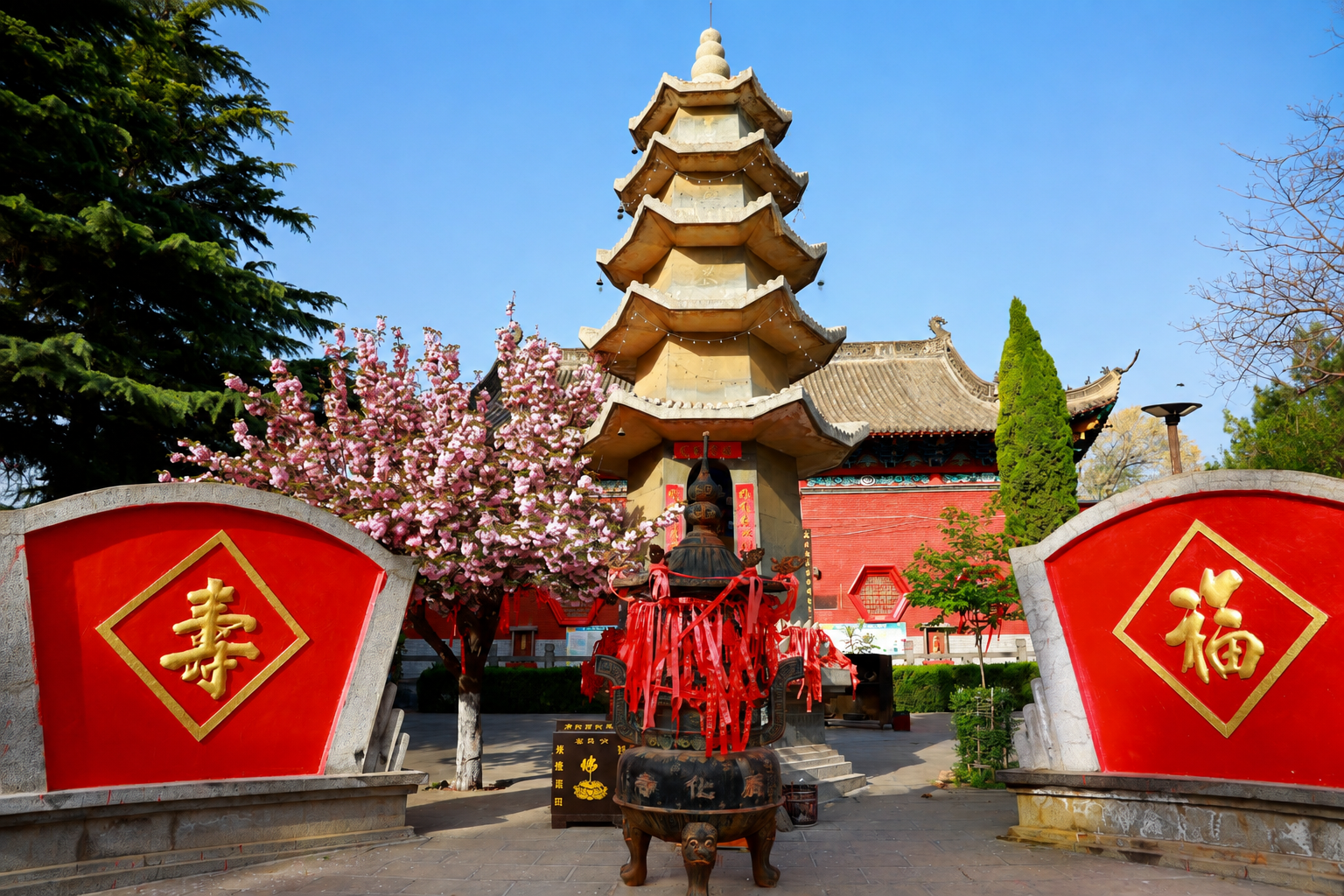
Experience planners should select the movement format according to participant mobility, available space, group confidence, and the intended learning outcome. Slow walking is usually the most direct format for noticing changes in breathing and step speed. Standing attention practice suits small indoor groups and participants who prefer not to walk. Gentle arm movements can work in a meeting room where participants need a discreet reset without changing location. A quiet tea preparation sequence can also train body awareness through hand position, waiting, pouring, and listening. Each option has limits. Walking is unsuitable where floors are uneven or group traffic interrupts attention. Standing work may not suit participants who cannot remain upright comfortably. Tea-based practice requires time, equipment, and clear cultural framing rather than being treated as a casual refreshment break.
| Practice format | Best use | What participants observe | Limit |
|---|---|---|---|
| Slow walking | Beginners with access to a quiet path | Breath timing, foot contact, movement speed | Less suitable for crowded or uneven spaces |
| Standing attention | Indoor corporate or travel groups | Weight distribution, shoulder lift, jaw tension | May be uncomfortable for some mobility needs |
| Gentle arm movement | Short breaks between meetings or visits | Grip force, neck tension, breathing changes | Can become mechanical if cues are rushed |
| Tea preparation practice | Cultural wellness programs | Hand pressure, waiting, sensory attention | Needs suitable tea service and guidance |
For a culturally grounded option, planners may combine simple body observation with Chinese tea meditation practice. Funzendo’s tea offering is supported by more than 10 years of tea practice that brings traditional Chinese tea culture together with Zen philosophy. That is useful when a group wants a reflective cultural activity, not merely a movement session.
Features of a Useful Stress Awareness Practice
A usable beginner session needs a small number of observable cues, a low-pressure setting, and a clear stopping rule. Avoid asking participants to “relax” without explaining what to notice. Instead, invite them to identify whether their breath is high in the chest or lower in the torso, whether their shoulders are rising, and whether their movements have become hurried. This creates a practical body awareness record rather than a vague mood report. Funzendo programs can place these observations within Buddhist contemplative traditions at Longmen Guanghua Temple in Luoyang, China, where international guests can encounter temple-based cultural settings. The offering also includes guided singing bowl sound experiences that encourage relaxation, mindful listening, and inner calm. Sound may support attention for some beginners, but it is not required for the basic practice and should not be presented as a medical intervention.
- Clear cue: Participants observe one physical signal at a time rather than scanning everything at once.
- Low physical demand: Movements remain gentle enough that exertion does not mask stress signals.
- Observable reset: Participants compare their breathing, shoulders, and walking speed before and after one slower cycle.
- Cultural context: Temple, tea, sound, and meditation elements should be explained as contemplative practices rather than guaranteed health outcomes.
Stress Awareness Practice Applications
Travel agencies, corporate wellness coordinators, and retreat designers can use this method as a preparation activity before deeper contemplative work. For example, a small executive group arriving after travel may begin with a short, quiet walking exercise before tea or seated practice. The immediate goal is not to solve fatigue. It is to help participants detect whether they are holding tension in the jaw, pulling the shoulders upward, or moving too quickly to pay attention. A retreat planner can then decide whether the group is ready for a longer session or needs a simpler format. For visitors seeking a traditional setting, a Zen temple stay in China can provide a more immersive context for observing daily routines, quiet walking, and reflective periods. This application fits early-stage learners. It does not suit groups expecting a fitness class, intensive martial arts training, or clinical stress care.
A second use is as an orientation tool before Chan meditation. Participants who can identify a shallow breath or tight shoulders while standing often have a clearer reference point when they later sit quietly. The practice can also help program hosts explain why distraction is not failure. Noticing distraction, tension, or urgency is the assigned task. The limit is that hosts should not interpret a participant’s body signals as diagnosis or make claims about emotional causes.
Mindful Movement Price Planning
There is no fixed public price that applies to every movement-based cultural wellness program. A responsible buyer should request a quote after defining the group size, preferred dates, program length, language requirements, accommodation needs, and whether the itinerary includes a temple stay, tea activity, meditation, or wellness training. Program availability varies by schedule and reservation, while individual bookings and small-group arrangements have different booking requirements. These facts matter more than an unsupported price range because they determine whether a proposed format can be delivered as planned. Buyers should also separate direct program costs from travel, lodging, interpretation, local transport, and optional cultural activities. A lower initial program figure can be misleading if these items are not identified before confirmation.
| Quote input | Why it changes cost planning | What the buyer should provide |
|---|---|---|
| Participant count | Affects group arrangement and booking requirements | Expected minimum and maximum attendance |
| Dates | Programs operate by schedule and reservation | Preferred dates and alternative dates |
| Program mix | Temple, tea, sound, and meditation elements require different planning | Required and optional activities |
| Accommodation need | Changes the scope from a day activity to a stay | Whether lodging is requested |
| Participant profile | Beginners and experienced practitioners need different instruction levels | Mobility, language, and learning expectations |
Mindful Movement User Guide for Cue Based Stress Checks
Use the following cue-based sequence to notice breath, muscle tension, and movement speed before stress escalates. Choose a level, quiet surface and wear clothing that does not restrict ordinary movement. Set the task as observation, not improvement. Participants should be able to stop at any point if they feel dizzy, unsteady, or uncomfortable. Begin without music or conversation unless a facilitator has a specific reason to use sound. The practice is complete when the participant can name at least one change in breath, tension, or movement speed and can choose one modest adjustment. If nothing is noticed, the answer is not to force a sensation. Repeat the sequence later under ordinary conditions, such as after travel, before a meeting, or following extended screen work.
- Arrive and stand still. Place both feet on the floor and look ahead. Check whether weight feels even or shifted. A useful checkpoint is being able to describe where the body feels most supported. Do not close the eyes if balance is uncertain.
- Observe three natural breaths. Do not lengthen or control them at first. Notice whether the breath feels held, shallow, noisy, or smooth. The common error is trying to create a calm breath before identifying the starting pattern.
- Scan three tension sites. Check the jaw, shoulders, and hands. Ask whether each area is soft, neutral, or gripping. If tension is present, lower the shoulders or release the hands once, then observe the result without expecting a particular feeling.
- Walk slowly for several steps. Keep the route short and repeatable. Notice whether steps feel rushed, heavy, uneven, or controlled. The checkpoint is recognizing one difference between standing and walking.
- Pause and compare. Stop, return attention to the breath, and identify one change. For example, a participant may notice that shoulder tension rises when walking becomes faster. This is a usable stress signal because it can be noticed again in daily activity.
Failure usually occurs when too many instructions are given at once, when participants judge themselves for distraction, or when the group treats the activity as a contest in calmness. Recover by returning to one cue only, such as the hands or the next natural breath. For groups wanting instructor-led contemplative practice after this foundation, Funzendo offers an experience a traditional Chan meditation retreat option designed for beginners.
Mindful Movement Supplier Considerations
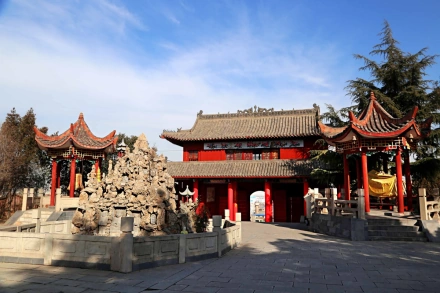
When choosing a Mindful Movement supplier, buyers should examine whether the provider can explain the setting, participant expectations, booking conditions, and cultural elements without making unsupported health promises. Funzendo is based at Longmen Guanghua Temple in Luoyang, China, and provides meditation retreats, temple stays, traditional wellness training, and Buddhist cultural programs. This allows planners to consider a single cultural context across meditation, Chinese tea culture, traditional incense culture, Taoist wellness, and Chinese Buddhist heritage. The organization’s stated strengths include accessible meditation and breathing practices for beginners, immersive temple experiences for international guests, and a distinctive integration of sound healing, mindful tea rituals, and Zen-oriented attention. These features fit small-group or individual arrangements when availability permits. They do not mean every itinerary includes every activity, so buyers should request a written program scope before promotion or participant registration.
- Confirm the intended participant level and mobility considerations.
- Ask which elements are guided and which are self-directed.
- Verify reservation dates before publishing an itinerary.
- Specify whether temple stay, tea culture, sound practice, or wellness training is required.
- Request clear participant etiquette and preparation guidance for the selected program.
FAQ of Mindful Movement
Is this suitable for complete beginners? Yes, when the practice is kept simple and focused on observation rather than flexibility or athletic ability. Beginners should start with standing, breathing observation, or a short walk, then add cultural activities only when they understand the basic cues. Can it replace seated meditation? It can be an alternative starting point for people who struggle with sitting still, but it is not a substitute for every form of meditation. Some participants later choose seated practice after they gain a clearer sense of bodily cues. What should a travel organizer confirm before booking? Confirm dates, group size, activity priorities, accommodation requirements, language needs, and the physical abilities of participants. These details help determine whether a temple-based program, wellness course, or simple introductory session is suitable. A reliable itinerary should state what participants will do, what they need to bring, and which outcomes are realistic.
If you are looking for a reliable Mindful Movement supplier please contact us anytime to get the latest quote.