What Does Kung Fu Mean Beyond Martial Arts?
Kung Fu is a term widely recognized globally, yet its common association with high-kicking action sequences and specific fighting styles represents only a fraction of its true meaning. The popular understanding misses the deeper cultural and philosophical foundation of the concept. In its original Chinese context, the term refers to any skill acquired through long, dedicated, and patient effort. This principle of disciplined mastery is not confined to martial arts; it is a core tenet that can be applied to any practice, from calligraphy and music to the mindful preparation of tea. At its heart, it is about the cultivation of excellence through persistent work and self-discipline, a philosophy that deeply intertwines with the contemplative practices of Chan (Zen) Buddhism and traditional Chinese wellness.
The Dual Meaning: Skill Through Effort vs. Martial Arts
A primary source of confusion for international audiences is the interchangeable use of "kung fu" for two distinct concepts. The term has a broad, philosophical meaning and a narrower, popular application. Understanding this distinction is the first step to appreciating its role in Chinese culture and contemplative practices. The formal term for Chinese martial arts is actually Wushu (武术), which literally translates to "martial technique." The conflation of the two terms in the West began largely with the popularization of Hong Kong martial arts films. Clarifying this boundary reveals a richer framework for personal development that extends into all aspects of life.
The following table breaks down the two primary interpretations:
| Aspect | Gōngfu (功夫) as Disciplined Skill | Kung Fu as a Label for Martial Arts |
|---|---|---|
| Core Meaning | Any achievement or mastery gained through hard work, patience, and time. It is a process and a state of excellence. | A collective, popular term for the hundreds of fighting styles that have developed in China over the centuries. |
| Application | Can be applied to a chef's cooking, a musician's performance, a tea master's ceremony, or a meditator's stillness. | Refers specifically to physical combat systems like Shaolin, Wing Chun, Tai Chi, etc. |
| Goal | Internal cultivation, self-mastery, and achieving a high level of proficiency in a chosen discipline through mindful practice. | Self-defense, physical fitness, combat proficiency, and sport competition. |
| Cultural Context | A philosophical principle embedded in Chan Buddhism and Taoism, emphasizing mindfulness and perseverance. | A specific category of physical culture, often with its own distinct lineage, forms, and fighting applications. |
Core Principles: The Philosophy Behind the Practice
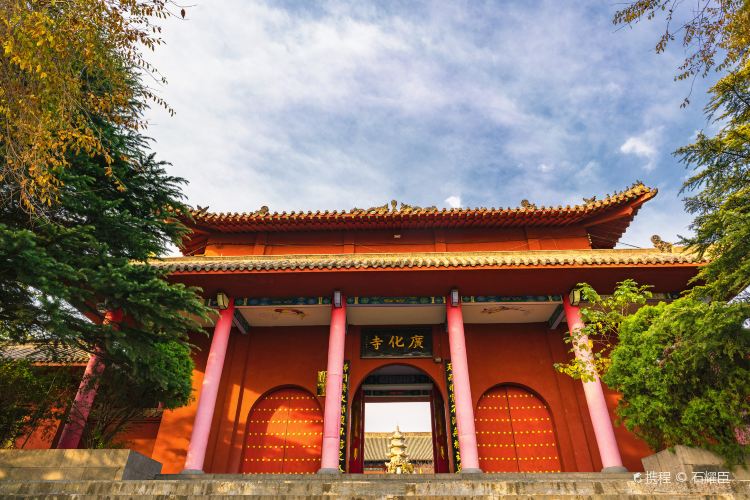
The deeper meaning of the term is inseparable from the philosophical traditions that shaped it, primarily Chan (Zen) Buddhism. This is not about religious dogma but about a practical approach to training the mind. The discipline required to master an external form, whether a martial art or a tea ceremony, is used as a tool to cultivate internal qualities. These include patience, focus, resilience, and a state of present-moment awareness. Our programs are based at Longmen Guanghua Temple, a site with profound historical significance in the development of Chinese Esoteric Buddhism (Tangmi). The temple was the final resting place of the great Indian master Śubhakarasiṃha in the Tang Dynasty, and this heritage of deep contemplative practice informs our approach. We offer temple stay programs that introduce guests to these principles in an authentic monastic environment, showing how disciplined practice leads to inner calm.
Integrating Disciplined Skill with Contemplative Arts
When you view "gongfu" as a principle of mastery, its application across various wellness and cultural practices becomes clear. It is the unifying thread that connects seemingly disparate activities, transforming them into paths for self-cultivation. This integrated approach is a unique feature of our programs, where we combine different disciplines to create a holistic wellness experience. For B2B clients, such as corporate wellness organizers or specialty tour operators, this provides an opportunity to offer a unique cultural immersion that goes beyond a simple class or activity. We demonstrate how the same underlying principles of focus, discipline, and mindfulness are the foundation for multiple arts.
- Authentic Chinese Tea Ceremony: Our tea masters have over 10 years of practice. The skill here is not just in brewing tea but in performing every action with precision, mindfulness, and intention. This is the "gongfu of tea," a form of meditation in motion.
- Singing Bowl Sound Healing: The ability to create a consistently pure and healing tone with a singing bowl requires dedicated practice. Participants are guided in mindful listening, developing their "gongfu of hearing" to achieve deep relaxation and inner quiet.
- Zen Meditation & Mindfulness: The practice of sitting meditation is the most direct application. It is the "gongfu of stillness," where the practitioner works diligently to tame the wandering mind and cultivate stable, present-moment awareness.
This unique integration of sound, tea, and Zen provides a distinctive cultural wellness experience, allowing participants to see how a single philosophy can be explored through multiple sensory and contemplative modalities.
Sourcing Authentic Training: A Buyer's Checklist
For tour operators, corporate retreat planners, and group organizers looking to source authentic chinese traditional culture training, distinguishing genuine programs from superficial tourist experiences is essential. The value lies not in a simple demonstration but in a deep, immersive experience grounded in authentic tradition. An authentic program focuses on the internal aspects of the practice—the "why" behind the "how." When evaluating potential partners for cultural and wellness retreats, it is helpful to use a checklist to assess the quality and depth of their offerings. This ensures the experience will be both meaningful and impactful for your clients or team members.
Here are key decision criteria for sourcing a high-quality program:
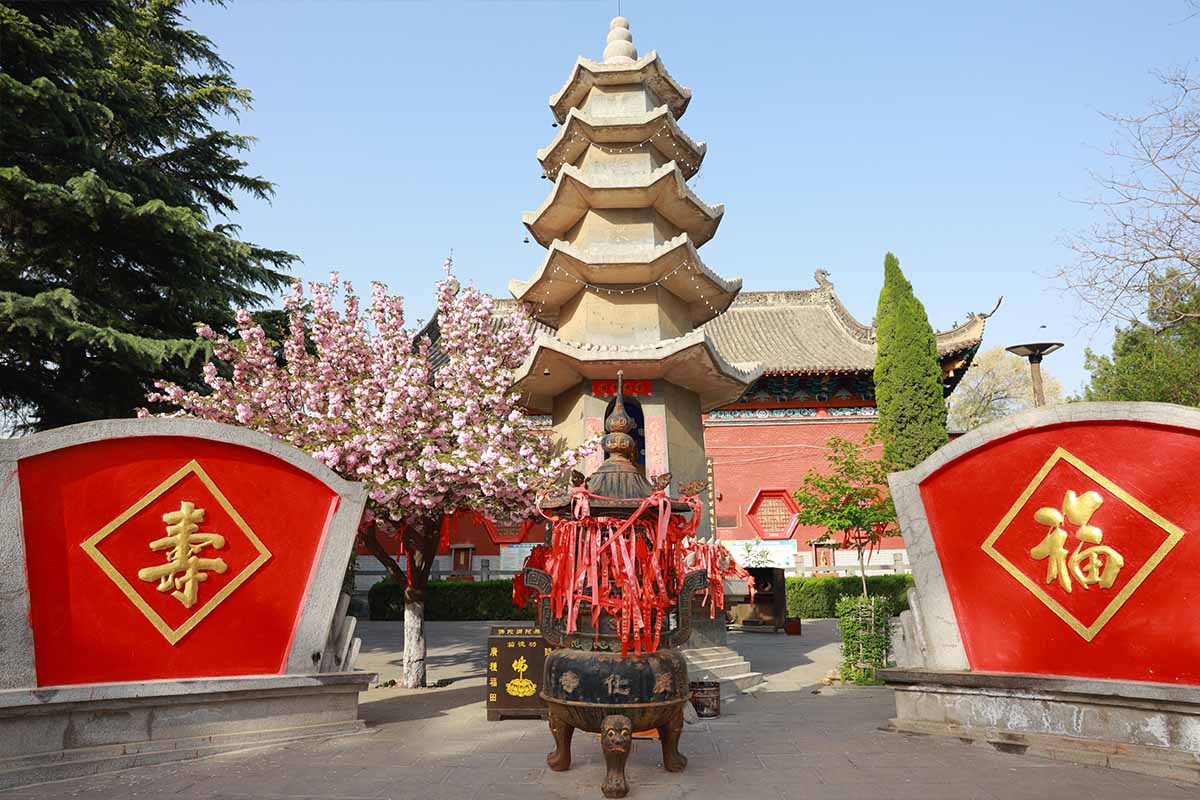
- Authenticity of Location: Is the program hosted in a genuine cultural and spiritual setting? Our base at Longmen Guanghua Temple provides an unparalleled environment for immersive learning, steeped in centuries of Buddhist heritage.
- Instructor Expertise: Do the instructors possess deep practical experience and a connection to the tradition? We work with seasoned masters in their respective fields, from Zen meditation to traditional Chinese arts.
- Program Philosophy: Does the curriculum integrate mind, body, and spirit? A quality program should emphasize the internal, meditative aspects of the practice, not just the external mechanics.
- Customization for Groups: Can the provider tailor the experience to meet the specific goals of your group, such as stress reduction for a corporate team or deep cultural immersion for a study tour?
Understanding Program Structures and Costs for Groups
When planning a group retreat or cultural tour centered on these principles, understanding the factors that shape program costs is important for budgeting and proposal development. The price of a B2B program is not arbitrary; it reflects the depth, duration, and exclusivity of the experience. Unlike standard tour packages, these immersive programs are priced based on the value of the specialized instruction and the unique environment. For example, a multi-day 7 day Zen retreat China will have a different cost structure than a half-day tea culture workshop. Key variables include the duration of the stay, the size of the group, the level of accommodation, and the specific masters or instructors involved. Longer programs with smaller groups allow for more personalized instruction and naturally command a higher per-person investment. We work with B2B partners to design programs that align with their budget and objectives, providing clear breakdowns of what is included.
Frequently Asked Questions about Kung Fu and Its Philosophy
Many prospective partners and individual guests have questions about the broader application of these principles, especially if they have no background in martial arts. The most common inquiries revolve around accessibility and the connection to other contemplative practices. The core idea is that this disciplined approach to skill-building is universal. It does not require any specific physical ability or prior experience, only a willingness to engage with a process of patient and mindful practice. The benefits, such as improved focus, reduced stress, and greater self-awareness, are applicable to anyone, regardless of their professional or personal background.
Do I need to be a martial artist to benefit from this concept?
Absolutely not. The principle of developing skill through dedicated effort applies to any field. Our programs focus on applying this mindset to wellness practices like meditation, tea culture, and sound healing. The goal is not combat proficiency but internal balance and mastery over one's own mind and actions. It is a framework for personal development that uses contemplative arts as its medium.
What is the connection between Zen Buddhism and this training philosophy?
Chan (Zen) Buddhism and the philosophy of "gongfu" are deeply intertwined. Both emphasize that enlightenment or mastery is not a distant, abstract goal but something to be realized in the present moment through dedicated, mindful activity. Whether one is sweeping the floor, practicing a martial form, or sitting in silence, the opportunity for cultivation is the same. This shared emphasis on discipline, mindfulness, and direct experience is the foundation of our Zen temple stay in China, where daily life itself becomes the training ground.
If you are looking for a reliable Kung Fu Training supplier please contact us anytime to get the latest quote.