Adjust Zen Meditation Posture When Legs Go Numb
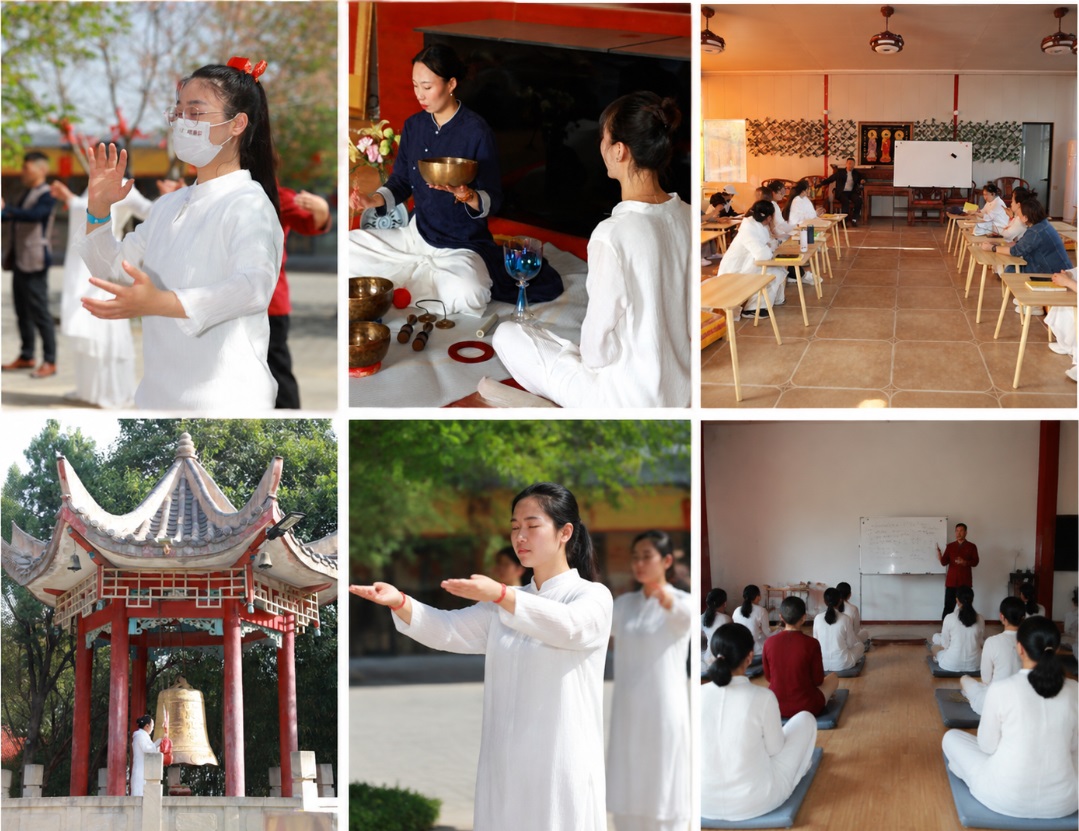
What is Zen Meditation?
Zen Meditation is the practice of sitting still with an upright spine, a settled breath and steady attention, a method that Chan communities in China have refined over many centuries. At Longmen Guanghua Temple in Luoyang the setting carries extra weight. The temple is tied to Tang-era Esoteric Buddhism and holds the pagoda of Śubhakarasiṃha, the Indian master who died and was buried there during the reign of Emperor Xuanzong. Funzendo teaches from that heritage. Yet the question new sitters ask most is practical, not historical: why do my legs go numb, and should I push through? Numbness is one of the main reasons beginners stop. The seated form known as zazen was designed to give a stable base for attention. A base that cuts off sensation is no longer doing that job, so posture should serve the practice rather than test your endurance.
Before changing anything, separate what you observe from what you suspect. The observation is a tingling, heavy or "asleep" feeling in the feet or legs, medically described as paresthesia. The suspected causes are several: pressure on a nerve at the knee or ankle, restricted blood flow behind the knee, tight hips that force the knees upward, or a cushion that is simply too low. Each cause calls for a different correction, which is why a single fix, such as "just sit longer," fails for many people. The sections below give an order of checks, the criteria for each, and the point where adjusting stops and ending the session begins.
Types of Zen Meditation Postures and Program Formats
Two sets of options matter when legs go numb. The first is the sitting posture itself. Traditional Chan teaching recognises several seated forms, and none of them is a badge of seriousness. The best choice is the one that lets you stay upright, breathe freely and keep sensation in both legs for the whole session. The second set is the program format, because a three-day beginner schedule and a longer retreat place different demands on the body. Choosing a posture that matches your hip and knee flexibility, and a format that matches your experience, removes most numbness problems before they begin. The table below compares the common postures and states plainly where each one does not fit.
| Posture | Best suited to | Main numbness risk | Limit |
|---|---|---|---|
| Full lotus on a cushion | Sitters with open hips and flexible knees | Pressure on the ankles and compressed nerves in the shins | Not appropriate for beginners with tight hips or knee pain |
| Half lotus on a raised cushion | Sitters with moderate flexibility | One leg tends to go numb first, so alternate sides | Becomes uneven if the cushion is too low |
| Burmese or cross-legged, both feet on the floor | Most beginners | Knees rising above the hips, which tilts the pelvis back | Needs a cushion or blocks under the knees |
| Kneeling with a bench or cushion between the legs | Sitters who find crossed legs uncomfortable | Pressure on the ankles and tops of the feet | Not suitable if kneeling causes sharp knee pain |
| Chair with feet flat | Anyone with knee, hip or back limitation | Edge of the seat pressing behind the thighs | Seat must let thighs stay roughly level |
On the program side, first-timers usually start with a short format such as the 3 day meditation retreat China, where sitting periods are introduced gradually. Those who already sit comfortably may prefer to take a week away for mindful meditation. Duration and availability vary by program and schedule, so confirm sitting-period length at booking.
Features of Chan Practice at Guanghua Temple
Funzendo programs run at Longmen Guanghua Temple, a site whose Esoteric Buddhist lineage runs through Śubhakarasiṃha and whose pagoda to him still stands in the grounds. Guests are introduced to Chinese contemplative traditions in an authentic temple setting, not a converted hotel room. Our meditation instruction is built for accessibility: breathing and mindfulness practices aimed at beginners who want greater balance and present-moment awareness. For posture, that means the teaching treats the cushion, bench and chair as ordinary tools, not as concessions. Programs are available by schedule and reservation, and where a booking is individual or a small group, a teacher can watch how you sit and respond to what they see. The practice can also be combined with sound healing and mindful tea rituals, which gives the body quieter, shorter periods of stillness between longer sits. Those combinations suit guests who find continuous sitting hard in the first days.
When to Adjust Posture and When Numbness Means Stop
Numbness is information, not a verdict. Mild tingling that fades within a minute or two of shifting position usually points to a support problem you can fix. Numbness that deepens, spreads or comes with pain points to a boundary that should not be crossed. The order below runs from the least invasive check to the point where we advise ending the session. Work down it only as far as you need. If the first check solves the problem, do not alter your leg position as well, because changing several things at once makes it impossible to tell which one helped. Record what you changed and how the legs felt afterwards. That note is also what a teacher or medical professional needs if the problem returns.
| Order | What to observe | What it may indicate | Next action |
|---|---|---|---|
| 1 | Knees sit clearly higher than the hips | Cushion too low, pelvis tilted back, thighs compressing the back of the knee | Raise the cushion until the knees rest at or below hip level, then sit again |
| 2 | One foot goes numb first, the other stays fine | Uneven crossing or weight shifted to one side | Swap the leading leg, or move to a Burmese or kneeling position |
| 3 | Numbness at the ankle or top of the foot | Pressure from the opposite shin or the floor | Pad under the ankle, or use a bench or chair |
| 4 | Numbness at the back of the thighs while on a chair | Seat edge pressing behind the thigh, feet not grounded | Sit forward of the edge or add a footrest so thighs stay level |
| 5 | Tingling fades within a minute of changing position | Temporary pressure, not injury | Continue in the adjusted posture and note the change |
| 6 | Sharp, burning or joint pain, especially at the knee | Strain in the joint, not muscle stretch | Stop. Do not force the position |
| 7 | Numbness persists after standing, or the leg feels weak | Possible nerve or circulation issue we cannot assess | End the session and seek medical advice |
The stop conditions matter as much as the adjustments. Sharp or joint-centred pain, numbness that continues after you stand and walk for a few minutes, weakness in the leg, or any change that alarms you means the session ends there. Enduring these is not discipline. It risks real injury, and it teaches the mind to dread the cushion. Tell the teacher what you felt and when. We cannot diagnose a medical cause, and nothing here replaces advice from a doctor, especially if you have a history of knee surgery, circulation problems or back conditions. A chair is a complete and respected way to practise, so choosing it is not a retreat from the practice.
Application in Group and Corporate Programs
Posture planning matters most when a program serves people with mixed experience. Overseas travel agencies customising a route through Luoyang should assume that some guests will never have sat on the floor. Building a chair option and a raised-cushion option into the schedule from the start avoids the awkward moment when a guest quietly leaves a session. For corporate wellness leads arranging executive stress-relief experiences, sitting periods should be short at first and increase only if the group is comfortable. Participants with desk-bound hips are often stiff, so the first day suits a chair or a high cushion. Workshop designers can pair seated periods with walking practice, tea sessions or singing bowl sound healing so the legs recover between sits. Planners who want longer immersion can also experience a peaceful Buddhist temple stay, where daily rhythm gives the body time to adapt. In every case, ask the provider how posture support is handled before you commit a group.
Price of Seated Retreat Programs
We do not publish fixed prices for every format, because cost depends on the program, not on a single rate. The main components are accommodation within the temple stay, teaching time with the instructors, meals, any added activities such as tea or sound sessions, and local transport arranged around your itinerary. Duration changes the total most, followed by group size and the level of individual attention requested. Small groups and individual bookings are both available, and requirements differ by program. Season also affects availability and arrangements, so peak travel periods need earlier booking. For group buyers, the sensible approach is to request a written quote that lists what is included. Ask specifically whether cushions, benches and chairs are provided, because you want posture support covered before arrival rather than negotiated on the day. Team or agency bookings may be quoted differently from single guests; ask us what applies to your numbers and dates.
User Guide for Seated Practice
Whether you are a guest or a planner briefing guests, this sequence keeps sitting sustainable. Start with a support that fits the body, not the ideal form.
- Choose the support first. Pick a cushion height that places the knees at or below the hips, or choose a chair. Reason: the pelvis stays upright and the thighs stop pressing on the back of the knee. Limit: very stiff hips may need a bench or chair regardless of height.
- Settle the feet and knees. Place padding under any knee or ankle that hangs unsupported. Reason: unsupported joints pull and compress nerves.
- Begin with a short sit. Start with a period you can finish without discomfort and extend it gradually across the retreat days.
- Adjust once, quietly. If tingling begins, shift position slowly during the sit. Do not wait until the legs are fully numb. Reason: moving early costs a few seconds of attention; moving late costs the whole session.
- Stand before you walk. Wait until sensation returns before standing fully. Rushing on numb legs can cause a fall.
- Follow temple etiquette. Move softly, follow the posted schedule and tell the teacher about any pain. For a fuller picture of the daily rhythm, see daily Buddhist temple life.
The most common mistakes are forcing lotus before the hips are ready, sitting on a flat cushion that is too low, ignoring early tingling, and reading pain as progress. Treat each of these as a prompt to change something, not to try harder.
Zen Meditation Supplier
As a Zen Meditation Supplier based at Longmen Guanghua Temple in Luoyang, Funzendo offers meditation retreats, temple stays, traditional wellness training and Buddhist cultural programs for individuals and small groups. Teaching draws on the temple's Tangmi connection, including its link to Śubhakarasiṃha, and on instructors who work within that tradition. Our selling points are specific and, we think, relevant to anyone worried about sitting discomfort: accessible meditation and breathing practice for beginners, immersive temple experiences for international guests, and a distinctive blend of sound, tea and Zen that gives the body more than one way into stillness. Agencies and planners can arrange a Zen temple stay in China and discuss posture support, schedule and group size with us in advance. Availability, duration and booking requirements vary by program, so please confirm details for your dates when you enquire.
FAQ of Zen Meditation
Is it normal for my legs to go numb when I start?
Yes, it is common among beginners, particularly on a low cushion or in crossed-leg postures. Most often it reflects pressure on a nerve or restricted circulation, and it frequently eases when you raise the cushion, change which leg leads or switch to a chair. What matters is the character of the sensation. Tingling that fades within a minute of moving is a support problem. Sharp pain, numbness that persists after standing, or weakness is a signal to stop and seek medical advice. Do not treat endurance as the goal, since the purpose of sitting is steady attention.
Can I use a chair on a retreat without being treated differently?
A chair is a legitimate way to practise Chan meditation, and posture is a means of supporting attention, not a rank. Tell the teacher at booking or on arrival so they can plan your sitting position. Choose a chair that lets your feet rest flat and your thighs stay roughly level, and sit slightly forward of the backrest so the spine is upright. If you prefer to move to the floor later, you can add a raised cushion gradually.
Which program suits someone with limited flexibility?
A shorter beginner format is usually the sensible starting point, because sitting periods are introduced gradually and you can learn which support works for you before committing to a longer stay. Share any knee, hip or back history when you enquire, and consult a doctor first if you have a medical condition. For those who want to stay in a Chinese Buddhist temple for meditation, our team can advise which format fits your body and schedule.
If you are looking for a reliable Zen Meditation supplier please contact us anytime to get the latest quote.