Autumn Wellness in China: Traditional Practices for Mind and Body
As autumn brings cooler mornings, shorter days, and changing rhythms to daily life, it offers a natural opportunity to reconsider how we care for our physical and mental well-being. In traditional Chinese culture, seasonal transitions have long been associated with reflection, moderation, and adjustments to everyday habits. Rather than pursuing constant activity, autumn can be a time to slow down, pay closer attention to the body, and create a more balanced relationship with work, rest, and the surrounding environment.
At Longmen Guanghua Temple in Luoyang, Henan Province, traditional Chinese contemplative practices provide a meaningful setting for this kind of seasonal reflection. Through Zen meditation, mindful breathing, gentle movement, tea culture, and the rhythms of temple life, visitors can explore approaches to well-being that emphasize attention, consistency, and simplicity. These practices do not require a particular religious background. They offer practical ways to step away from daily distractions and develop a more deliberate approach to living.
Understanding Autumn Wellness in Traditional Chinese Culture
Traditional Chinese approaches to seasonal living emphasize observing changes in the natural environment and responding with appropriate daily habits. The transition from summer to autumn can invite people to reconsider their schedules, sleep routines, physical activity, and opportunities for quiet reflection. The underlying principle is not to follow a rigid seasonal prescription, but to become more attentive to changing needs and circumstances.
For people living in busy cities, this perspective can be particularly relevant. Long working hours, constant digital notifications, and demanding schedules often leave little room for uninterrupted attention. When the pace of life becomes overwhelming, even ordinary activities can begin to feel automatic. A short period of intentional breathing, a quiet walk, or a few minutes of sitting meditation can create space to notice these patterns.
At a traditional temple, the environment itself can support this change of pace. The sound of a bell, the movement of visitors through a courtyard, the preparation of tea, and the regular rhythm of daily practice all invite a different quality of attention. Rather than treating wellness as another task to complete, visitors can begin to approach it as a collection of small, repeatable habits.
Traditional Practices for a More Balanced Autumn
Autumn wellness does not need to depend on a complicated schedule or a single technique. Different practices offer different starting points, from quiet sitting to gentle movement and mindful engagement with everyday activities. Their shared value lies in creating opportunities to slow down, observe experience, and establish a more consistent daily rhythm.
1. Zen Meditation and Present-Moment Awareness
Zen Meditation is a traditional contemplative practice that trains attention through sitting, posture, and awareness of the breath. Instead of attempting to eliminate every thought, practitioners learn to recognize thoughts as they arise and return their attention to the present moment.
For beginners, a practical starting point is to sit comfortably for five to ten minutes in a quiet place. The spine can remain naturally upright, the shoulders relaxed, and the hands resting comfortably in the lap. Attention may rest on the natural movement of breathing. When the mind wanders toward unfinished tasks, memories, or plans, the practitioner gently returns to the breath without criticizing the distraction.
Consistency matters more than achieving a particular experience in a single session. Some days may feel quiet, while others may be filled with restless thoughts. Both are ordinary parts of practice. Over time, meditation can help practitioners become more familiar with their patterns of attention and develop a more deliberate response to daily distractions.
For international visitors interested in learning within a traditional Chinese Buddhist setting, meditation at Longmen Guanghua Temple connects practical instruction with a living cultural environment. The emphasis is not simply on sitting still, but on understanding how awareness can extend into conversations, meals, work, and other ordinary activities.
2. Gentle Movement and Awareness of the Body
Stillness is only one part of a balanced routine. Gentle movement can complement sitting meditation by bringing attention back to the body and reducing the sense of disconnection that may accompany long periods of desk work. Simple stretching, relaxed walking, and comfortable standing exercises provide accessible ways to notice posture, balance, and breathing.
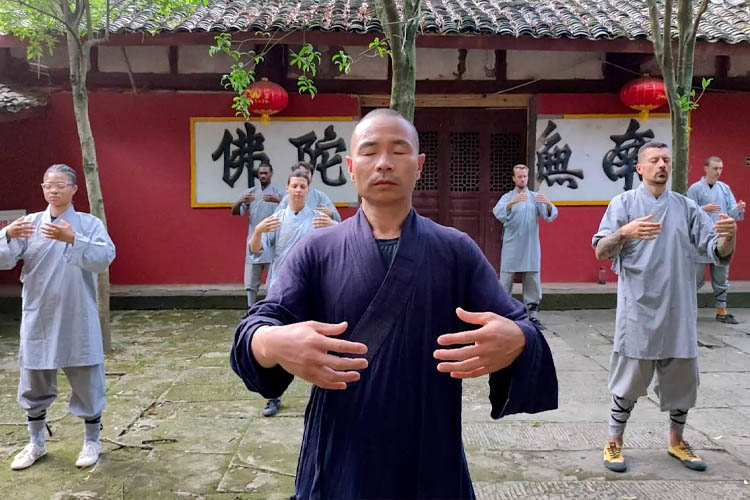
Traditional Chinese wellness culture includes movement-based practices that emphasize coordination, controlled effort, and attention to the body's position. Zhan Zhuang, commonly described as standing practice, is one example. Practitioners stand in a stable position, maintain a comfortable alignment, and observe bodily sensations and breathing without unnecessary tension.
For someone beginning a new routine, the most important consideration is suitability. A gentle practice should not involve forcing the knees, shoulders, hips, or lower back into uncomfortable positions. Standing exercises can begin with short periods and appropriate support when needed. People with injuries, balance difficulties, or other physical limitations should seek suitable professional guidance before attempting unfamiliar movements.
The aim is not to achieve an impressive posture or complete a demanding workout. It is to cultivate a more attentive relationship with movement. Even an ordinary walk can become an opportunity to notice the ground beneath the feet, the changing temperature of the air, and the natural pace of breathing.
3. Mindful Breathing and Everyday Transitions
Breathing offers a simple point of reference because it accompanies every moment of daily life. Mindful breathing involves noticing the breath as it naturally occurs, rather than trying to control it aggressively or force it into a particular rhythm.
A short practice can be introduced at familiar transition points: before opening a laptop, after finishing a meeting, while waiting for transportation, or before beginning an evening routine. Pause for a moment, relax unnecessary tension in the shoulders, and observe several natural breaths. There is no need to breathe unusually deeply or hold the breath.
This small pause can help create a clearer boundary between activities. Instead of carrying the urgency of one task directly into the next, a person has an opportunity to notice how they feel and decide how to proceed. The practice is especially useful as a reminder that attention can be redirected, even when circumstances cannot be changed immediately.
Mindful breathing is not a substitute for medical or psychological care, and it does not need to produce an immediate feeling of calm to be worthwhile. Its purpose is to develop familiarity with present-moment experience and offer a simple skill that can be practiced in different settings.
4. Chinese Tea Culture and the Art of Slowing Down
Tea offers another way to bring attention into an ordinary daily activity. In Chinese tea culture, preparation and serving can involve careful observation, measured movements, and respect for the people sharing the tea. When approached mindfully, a tea gathering becomes more than a quick drink between tasks.
The practice can begin with simple observations. Notice the temperature of the water, the fragrance released by the leaves, the changing color of the infusion, and the warmth of the cup. Take time to taste the tea without simultaneously checking messages or rushing toward the next responsibility.
In the context of Zen culture, tea can also provide a setting for practicing attention without making meditation dependent on a formal seated session. Preparing a cup, arranging utensils, or sharing tea with another person becomes an opportunity to pay attention to what is happening rather than remaining absorbed in thoughts about what comes next.
For international visitors, exploring Chinese tea culture can offer a direct encounter with a tradition that connects everyday hospitality, aesthetic appreciation, and contemplative practice. At Funzendo, tea can be understood as part of a broader cultural experience in which visitors encounter Chinese traditions through participation rather than observation alone.
Why a Temple Environment Can Support Seasonal Reflection
A change of environment can make it easier to notice habits that are difficult to recognize in everyday surroundings. In a busy urban setting, people often move between work, transportation, entertainment, and digital communication without much time to reflect on the transitions between them. A temple environment introduces a different rhythm, offering opportunities to pause and participate in structured periods of practice.
Longmen Guanghua Temple, located in Luoyang near the Longmen Grottoes, carries a cultural heritage associated with Chinese Buddhism and the history of Tangmi, or Chinese Esoteric Buddhism. Its setting provides a meaningful context for visitors who want to explore meditation and traditional culture together. The value of the experience lies not only in the historical surroundings, but also in the opportunity to approach them with attention and respect.
Visitors do not need to understand every aspect of Buddhist philosophy before beginning. Learning may start with a guided meditation session, an introduction to temple etiquette, or an opportunity to observe how quiet practice fits into the daily environment. Cultural understanding develops through listening, asking appropriate questions, and taking part in activities with an open and respectful attitude.
For those who want to spend more time with this way of life, a Chinese temple stay can provide a more immersive introduction to the rhythms of temple-based practice. Rather than treating the temple simply as a sightseeing destination, guests can use their time there to establish a temporary routine that includes rest, reflection, cultural learning, and guided activities.
Building a Practical Autumn Wellness Routine
Traditional practices become more useful when they can be incorporated into ordinary life. A sustainable routine does not need to be elaborate. It can begin with a few minutes of meditation in the morning, a short period of movement during the day, and a quieter transition into the evening.
The following suggestions provide a flexible starting point. They are not a strict prescription, and the duration can be adjusted to suit individual circumstances.
Morning: Begin with five to ten minutes of comfortable sitting and natural breathing before checking messages or beginning work.
During the day: Take a short walking or stretching break after extended periods of sitting, paying attention to posture and physical comfort.
At mealtimes: Reduce distractions where practical and pay attention to the food, the pace of eating, and sensations of hunger and fullness.
During a tea break: Spend a few minutes noticing the fragrance, temperature, and taste of the tea instead of automatically turning to a screen.
In the evening: Create a quieter transition before sleep by reducing unnecessary stimulation and allowing time for a simple breathing or reflection practice.
There is no need to introduce every habit at once. Choosing one practice and repeating it consistently may be more manageable than making several ambitious changes simultaneously. If a routine becomes uncomfortable or difficult to sustain, it can be shortened or adapted. The goal is to create a realistic relationship with practice, not another source of pressure.
From Individual Practice to a Guided Retreat
Practicing at home provides flexibility, but some people find it difficult to maintain attention amid familiar responsibilities. A guided retreat creates a dedicated period in which meditation, rest, instruction, and cultural learning can take priority over ordinary demands. The appropriate format depends on how much time a participant has available and how deeply they want to explore the experience.
Three-Day Introductory Chan Meditation Retreat
A 3-day Chan meditation retreat in China can serve as an introduction for people who are new to meditation or who want to experience guided practice in a traditional setting. A short retreat offers time to learn basic sitting posture, become familiar with breathing awareness, and experience a more deliberate daily rhythm away from usual distractions.
For international participants, a structured introductory program can also make traditional Chinese contemplative culture easier to approach. Clear instruction and a supportive environment help participants understand the purpose of each practice without assuming prior knowledge of Buddhism or meditation.
Seven-Day Zen Meditation Retreat
A 7-day Zen meditation retreat allows more time to become familiar with the rhythm of daily practice. Instead of treating meditation as an isolated activity, participants can explore how sitting, mindful movement, quiet reflection, and the surrounding cultural environment relate to one another.
A longer stay may also offer more opportunities to observe changes in attention and to identify practical habits that can continue after returning home. Individual experiences differ, and no particular emotional or physical outcome can be guaranteed. The value of a retreat is found in the opportunity to learn, practice, and reflect within a dedicated environment.
Extended Temple Stays and Cultural Learning
For visitors seeking a longer period of immersion, an extended temple stay can create space for a more consistent routine and a deeper encounter with Chinese Buddhist culture. Longer stays may be appropriate for people interested in sustained meditation practice, cultural study, or a slower form of travel that places learning and reflection ahead of a packed sightseeing schedule.
When choosing a program, participants should consider the length of stay, daily schedule, accommodation arrangements, language support, physical requirements, and the balance between guided activities and personal time. These practical details help ensure that the experience is appropriate for individual needs and expectations.
Who Can Benefit from Exploring Traditional Chinese Wellness?
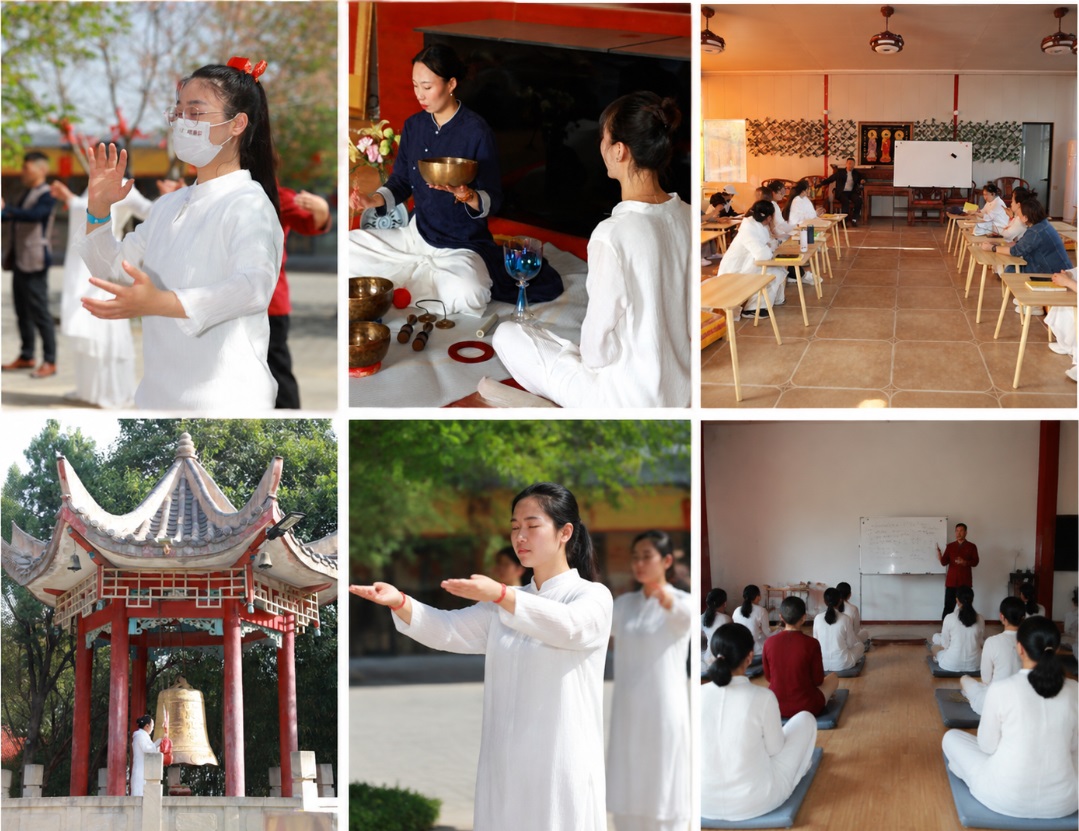
Traditional contemplative practices can appeal to people with different backgrounds and motivations. The most suitable starting point depends on personal interests, available time, physical comfort, and the kind of learning experience a person hopes to gain.
Busy professionals: People with demanding schedules may appreciate short meditation sessions, mindful pauses, and structured time away from digital distractions.
First-time meditators: Beginners can explore posture, breathing awareness, and the fundamentals of sitting practice with step-by-step guidance.
Cultural travelers: Visitors interested in Chinese history and living traditions can combine cultural learning with opportunities for quiet reflection.
Long-term practitioners: People who already meditate may value a dedicated environment in which to review their habits and deepen their understanding of traditional practice.
Private groups and organizations: Groups seeking a cultural or reflective experience can explore tailored activities that fit their schedule and objectives.
For organizations and travel professionals, traditional wellness experiences may also complement cultural itineraries, educational visits, and small-group retreats. Program design should remain clear about the nature of the activities, the level of instruction provided, and the practical needs of participants. Meditation and traditional wellness practices should be presented as learning and personal-development experiences rather than as guaranteed treatments for health conditions.
Planning Your Autumn Wellness Experience at Funzendo
Planning a temple-based wellness experience begins with identifying the purpose of the visit. Some guests want a short introduction to meditation, while others prefer a longer retreat or a broader exploration of Chinese contemplative culture. Choosing the right format in advance makes it easier to understand the daily schedule and prepare for the experience.
Before making arrangements, consider the following questions:
How many days can you set aside for the experience?
Are you looking for an introductory meditation program or a more sustained retreat?
Would you like to focus primarily on meditation, or also explore tea culture and other traditional practices?
Do you require English-language guidance or assistance with travel arrangements?
Are there any physical limitations or accessibility needs that should be discussed before participating?
Program fees depend on the selected experience, duration, accommodation arrangements, group size, and any requested customization. Rather than assuming that every retreat has the same inclusions, visitors should confirm the current schedule, meals, accommodation, teaching arrangements, and total cost for their chosen program before booking.
Funzendo welcomes inquiries from individual visitors and groups interested in Zen meditation, traditional Chinese wellness, and cultural experiences in Luoyang. For travel agencies, educational organizations, and corporate groups, program details can be discussed in advance so that the format aligns with the group's objectives, schedule, and practical requirements.
FAQ: Autumn Wellness and Traditional Chinese Practices
Do I need previous meditation experience?
No. Beginners can start with simple breathing awareness and comfortable sitting. An introductory retreat can provide guidance on posture, attention, and the basic principles of Chan meditation. Participants should choose a practice that feels manageable rather than forcing themselves into unfamiliar positions.
Is Zen meditation only for people who follow Buddhism?
No. Zen meditation has roots in Buddhist traditions, but people from different cultural and religious backgrounds may learn about its methods in an appropriate educational setting. Visitors should approach the temple and its customs respectfully while participating at a level that suits their interests.
How long should I meditate each day?
There is no single duration suitable for everyone. Beginners may find five to ten minutes a manageable starting point. The duration can gradually change according to comfort, experience, and guidance. A short, consistent practice is often easier to maintain than an ambitious schedule that quickly becomes difficult to follow.
Can traditional wellness practices replace medical care?
No. Meditation, gentle movement, and mindful daily routines may complement general well-being, but they should not replace appropriate medical assessment or treatment. Anyone with a medical condition, persistent symptoms, or physical limitations should consult a qualified healthcare professional about suitable activities.
What is the difference between a short retreat and a temple stay?
A short retreat generally follows a defined program with a particular duration and learning focus. A temple stay may provide a broader opportunity to experience the environment and daily rhythm of temple life. The actual activities, schedule, and inclusions depend on the selected program and should be confirmed before booking.
Can international visitors join programs at Longmen Guanghua Temple?
International visitors interested in meditation and Chinese cultural traditions can inquire about available programs and language arrangements. It is advisable to confirm English-language support, dates, accommodation, and program details before finalizing travel plans.
A Season for Attention, Simplicity, and Renewal
Autumn wellness does not need to involve a dramatic lifestyle change. It can begin with a few quiet minutes in the morning, a more attentive walk, a cup of tea enjoyed without distraction, or a willingness to pause between competing demands. These small practices create opportunities to observe daily habits and make more deliberate choices about how time and attention are used.
Traditional Chinese contemplative culture offers a rich setting in which to explore these ideas. At Longmen Guanghua Temple, meditation, tea culture, and the rhythms of temple life connect personal practice with a broader cultural heritage. Whether through a short introductory retreat, a longer meditation program, or a temple stay, visitors can discover a different pace of learning and reflection.
For those considering an autumn journey to Luoyang, Funzendo offers a starting point for exploring Zen meditation and traditional Chinese cultural experiences in a temple setting. Contact the team to discuss available programs, practical arrangements, and the experience that best matches your interests.