Energy Cultivation Relates to Qigong Through Practice
Energy Cultivation is often described with traditional language about qi, internal balance, and spiritual development, while qigong is usually taught as a set of breathing, posture, movement, and attention exercises. For beginners, the useful question is not whether qi can be measured as a single physical substance. The useful question is which practice elements are being taught, how they are supervised, and what experience they are intended to support. In this article, qigong refers to the traditional Chinese practice commonly associated with coordinated body posture, breathing, movement, and mental focus. A clear explanation helps travel planners, wellness buyers, and individual participants compare a quiet standing practice, a movement-based class, and a meditation-focused retreat without treating traditional spiritual language as laboratory fact.
What is Energy Cultivation?
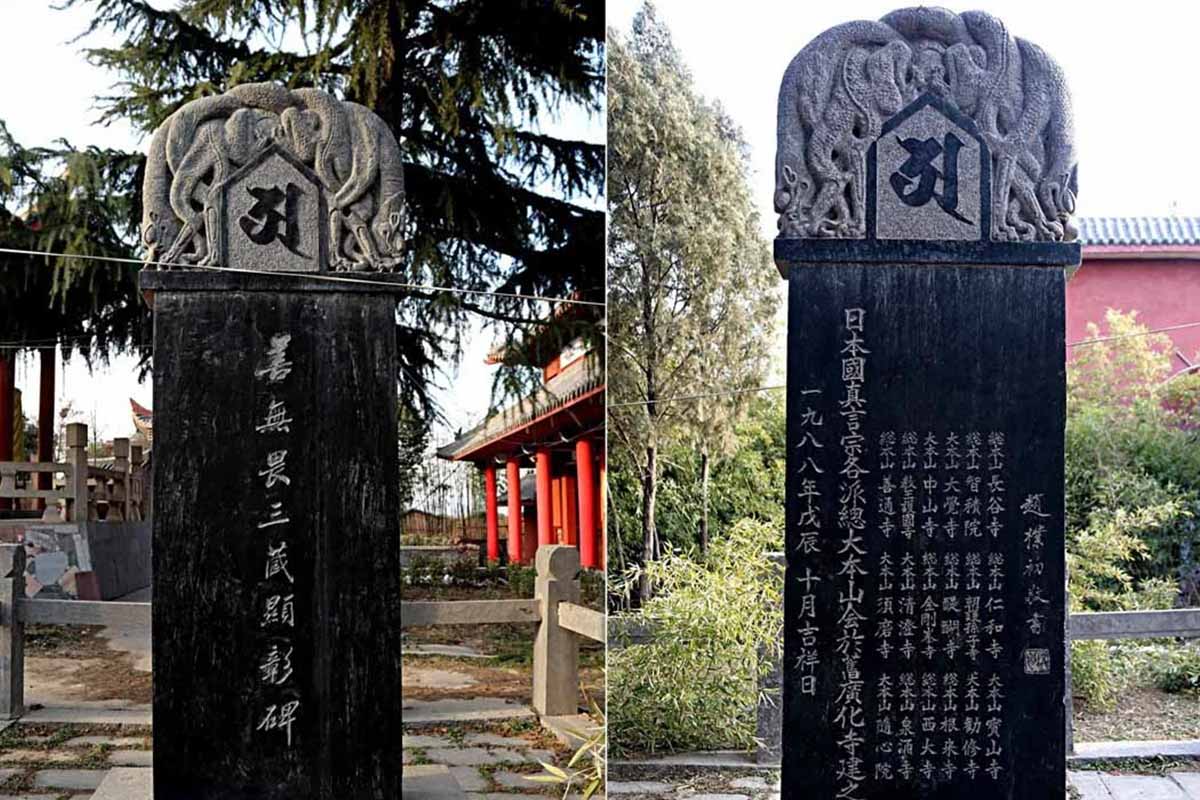
Energy Cultivation is a broad traditional term for disciplined practices intended to refine physical steadiness, breathing habits, awareness, and personal conduct over time. In Chinese cultural settings, it may appear in Buddhist, Daoist, martial, wellness, and meditation traditions. Qigong is one practical route within this broad category. It gives participants observable tasks such as standing with balanced posture, moving slowly through a sequence, noticing breath quality, and returning attention when the mind wanders. This distinction matters because traditional qi terminology carries cultural and philosophical meaning, yet a beginner should still be able to identify the actual method being offered. A well-described session states whether participants will sit, stand, walk, move, listen, or follow guided breathing. For teams arranging a program at Longmen Guanghua Temple, this creates a respectful way to engage with Chinese contemplative traditions while keeping expectations clear. A meditation-centered itinerary may also include guided meditation for guests who prefer stillness before adding movement practice.
Types of Qigong Practice
Qigong is not one fixed format. Buyers should classify a proposed activity by its primary practice demand rather than by promotional labels alone. Static standing forms emphasize alignment and sustained attention. Moving forms use coordinated weight shifts, arm patterns, and breath awareness. Seated forms are closer to meditation and may suit participants with limited mobility, although comfort and posture still require individual consideration. Martial conditioning forms can include stronger stances and repeated movement patterns, making them a different fit from a quiet wellness session. Traditional Daoist or Buddhist settings may also frame these methods within ethical reflection, ritual context, or contemplative study. That cultural framing can be valuable, but it should not be mistaken for a guaranteed health outcome.
| Practice type | Primary observable component | Suitable planning scenario | Limit or planning caution |
|---|---|---|---|
| Standing practice | Posture, stillness, attention | Small wellness groups seeking a quiet introductory session | May be uncomfortable for guests with difficulty standing |
| Slow movement practice | Coordination, balance, breath awareness | Cultural wellness itineraries and active beginner groups | Requires clear movement demonstrations and adequate space |
| Seated breath practice | Breathing, body awareness, mental focus | Temple-based reflection or corporate quiet-time programs | Does not replace medical or psychological care |
| Martial-oriented training | Stance work, repetition, physical discipline | Guests specifically seeking Kung Fu training | May not suit a mixed group expecting relaxation only |
The correct selection depends on group purpose. A travel agency building a cultural itinerary may pair a gentle movement session with tea culture and a temple stay. A corporate wellness planner may prefer seated breathing and short standing intervals. A martial arts group needs a program that states physical requirements before arrival. None of these formats is automatically better. They simply create different demands and different participant experiences.
Comparing Qi Terminology With Breath Movement Attention and Recovery
Traditional qi language and practical instruction can coexist, but they should not be treated as identical categories. Terms such as qi flow, circulation, or cultivation describe an established cultural framework. Breath rhythm, muscular effort, attention control, and recovery are practice components that participants can notice directly. Separating the two helps beginners ask better questions and reduces the risk of choosing an unsuitable course based on vague claims. It also allows international organizers to explain a Chinese wellness activity accurately to guests who may hold different religious, medical, or cultural assumptions.
| Traditional expression | Practical component to inspect | What it affects in practice | What misunderstanding changes |
|---|---|---|---|
| Qi cultivation | Regularity of practice and quality of attention | Whether participants build familiarity with the method | Guests may expect an instant result instead of a learned routine |
| Qi flow | Breath comfort, posture, and movement coordination | How easy or strained a sequence feels | Participants may force breathing or overextend a posture |
| Grounding | Foot contact, stance width, and weight transfer | Balance and stability during standing or movement | Participants may use a stance that feels unstable or painful |
| Inner calm | Attention instruction, pauses, and recovery time | Whether the session supports quiet observation | Busy schedules may leave no time for reflection after practice |
The interaction between these components matters. For example, a participant who lifts the shoulders and tries to take unusually deep breaths may feel more tense, not calmer. A better beginner cue is to keep the breath easy, reduce unnecessary muscular effort, and use attention to notice sensations without forcing an interpretation. This is suitable for introductory qigong and meditation settings. It does not apply as a substitute for clinical assessment, physical rehabilitation, or treatment of breathing problems. When a provider uses traditional terminology, buyers should request a plain-language outline of posture, movement level, breathing instruction, teacher guidance, and rest periods.
Qigong Application
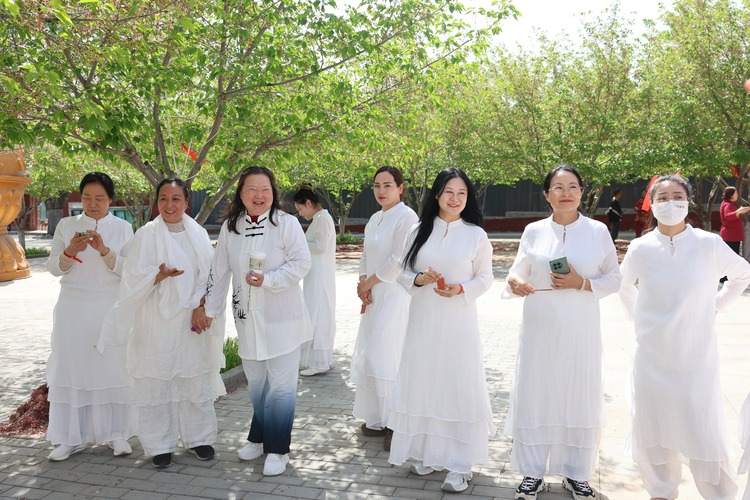
For international cultural programs, qigong works best when it has a defined place in the schedule. It can open a morning temple activity, prepare guests for seated contemplation, or provide a low-intensity transition between cultural visits. It can also complement tea and sound-based experiences. Funzendo offers singing bowl sound healing as guided sound experiences intended to encourage relaxation, mindful listening, and inner calm. This can be paired with quiet sitting after movement, provided organizers describe it as a cultural wellness experience rather than a medical service. Funzendo also offers authentic Chinese tea ceremony experiences informed by more than ten years of tea practice and a blend of Chinese tea culture with Zen philosophy. These elements create a coherent theme when the itinerary gives guests time to slow down rather than treating each activity as entertainment.
A practical example is a small-group cultural wellness program. The group begins with a short standing orientation, follows with gentle movement at an individually comfortable range, then sits for silent observation or guided breathing. A mindful tea session can follow as a reflection period. This arrangement suits first-time visitors because it moves from physical orientation to quieter attention. It is less suitable for guests seeking intensive martial conditioning, advanced religious instruction, or a medical wellness plan. For a more structured option, organizers can review the scope of a Taoist wellness practice in China before deciding whether the group needs a movement-led or contemplation-led schedule.
Qigong Price
There is no responsible fixed price range for qigong programs without confirmed dates, duration, group size, accommodation needs, interpretation requirements, and selected activities. Buyers should avoid comparing quotations that cover different conditions. A day activity and a residential program may both use the word qigong, yet their service scope can be entirely different. Program availability at Longmen Guanghua Temple varies by retreat, training course, and pilgrimage itinerary, and bookings are available for individuals and small groups according to schedule and reservation requirements. The right commercial approach is to request an itemized proposal rather than selecting the lowest single figure.
- Instruction scope: Confirm whether the quote includes guided movement, seated practice, cultural explanation, or all three.
- Program duration: Ask whether the activity is a single session, part of a retreat, or part of a longer cultural itinerary.
- Accommodation: Confirm whether temple accommodation is included, optional, or arranged separately.
- Group requirements: Check minimum and maximum group conditions before promoting a package to clients.
- Language support: Establish interpretation needs in advance because this changes the operating arrangement.
- Additional cultural activities: Identify whether tea, incense, sound healing, or temple life elements are included.
This approach fits procurement managers who need comparable proposals. It does not create a final budget without a confirmed brief. If a group needs a quiet, residential experience, request details for a Zen temple stay in China rather than assuming that every movement class includes overnight arrangements.
Qigong User Guide
Beginners benefit from a simple operating procedure. First, define the intended outcome in practical terms, such as learning a basic standing form, experiencing Chinese contemplative culture, or adding a restorative activity to a group itinerary. Second, disclose relevant mobility considerations to the program coordinator before arrival. Third, select loose clothing that permits comfortable movement and stable footwear where appropriate. Fourth, begin at a moderate physical level, keeping the breath natural rather than deliberately exaggerated. Fifth, stop or modify the exercise if discomfort occurs. Sixth, allow a quiet transition after the session instead of placing a demanding sightseeing activity immediately afterward. These steps make the practice easier to assess and easier to explain to overseas guests.
For a temple setting, participants should also follow local etiquette, arrive on time, listen before entering practice areas, and avoid treating ceremonial or devotional elements as photo opportunities. A useful planning rule is to separate cultural observation from direct participation. Guests may observe an aspect of temple life respectfully without being asked to adopt a belief. This is especially relevant for mixed corporate groups and travel groups with varied backgrounds. Those seeking deeper stillness can consider a 7 day Zen retreat China, while short-format visitors may need only an introductory practice block.
Qigong Supplier
A Qigong supplier should provide more than a general statement about energy or wellness. Buyers need clarity on the program format, setting, participant suitability, booking conditions, and cultural content. Funzendo is based at Longmen Guanghua Temple in Luoyang, China, where available programs include meditation retreats, temple stays, traditional wellness training, and Buddhist cultural journeys. Individual bookings and small-group programs are available according to the relevant schedule and reservation requirements. The setting supports immersive temple experiences that introduce international guests to Chinese contemplative traditions in an authentic temple environment. Funzendo also combines sound healing, meditation, and mindful tea rituals as a distinct cultural wellness experience when these elements fit the agreed program.
For planners interested in Tangmi-related cultural themes, the appropriate step is to specify the desired level of Buddhist cultural context before booking. Do not assume that every qigong session includes specialized ritual, mantra, or esoteric instruction. The supplied program details should identify what is actually available. This protects guest expectations and respects the difference between cultural learning, meditation practice, temple etiquette, and formal religious activity. A supplier should also state whether the selected experience is appropriate for beginners, active groups, or guests seeking a quieter format.
FAQ of Qigong
Is qigong the same as meditation?
No. Qigong can include meditative attention, but it commonly adds posture, standing, slow movement, or coordinated breathing. Meditation may be entirely seated and still. A buyer should choose qigong when the group wants a body-based practice with clear movement or posture instruction. Choose a meditation-centered format when stillness and attention training are the main purpose. Both can be part of a temple program, but they should be described separately in an itinerary.
Should organizers present qi as a medical claim?
No. Traditional qi concepts should be presented as part of Chinese cultural and philosophical language, not as proof of diagnosis, treatment, or guaranteed health outcomes. A sound program explains the practical method participants will follow and encourages individuals to make appropriate personal decisions about their health needs. This is especially relevant when a corporate group includes participants with varied physical conditions or expectations.
What should a first-time buyer ask before booking?
Ask for the intended practice format, physical intensity, duration, group requirements, setting, language support, and included cultural activities. Confirm whether the program is a standalone class, a retreat component, or part of a temple stay. Ask how beginners are introduced to breathing and movement, and whether participants can modify standing or movement demands. These questions establish whether the proposed activity fits the group rather than relying on broad spiritual terminology.
If you are looking for a reliable Qigong supplier please contact us anytime to get the latest quote.