How Does Zen Meditation Train Attention Without Visuals?
What is Zen Meditation?
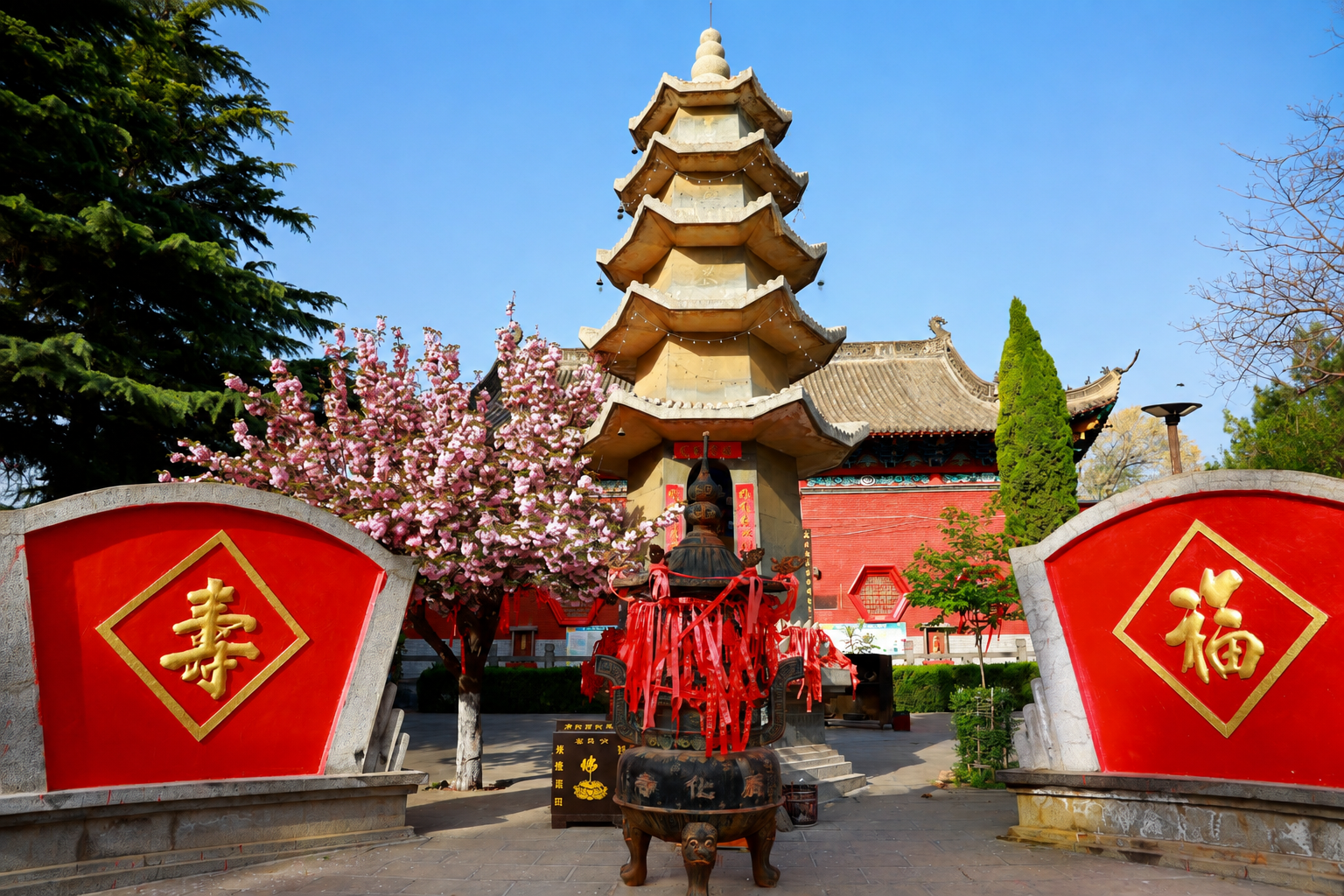
Zen Meditation is a seated practice, known as zazen in Japanese and zuochan in Chinese, that trains attention by working directly with the breath, the posture and the mind's own wandering. There is no image to build and no phrase to recite. That single feature separates it from visualization-based methods, where attention is held on a deity, a light or an imagined scene. At Longmen Guanghua Temple in Luoyang, the practice sits inside a Chinese Buddhist setting with deep Tang Dynasty roots. The temple is linked to the Indian master Śubhakarasiṃha, who passed away and was buried here, and his pagoda still stands on the grounds. For a beginner, the working definition is simple. You sit, you notice where attention goes, and you bring it back.
Types of Zen Meditation
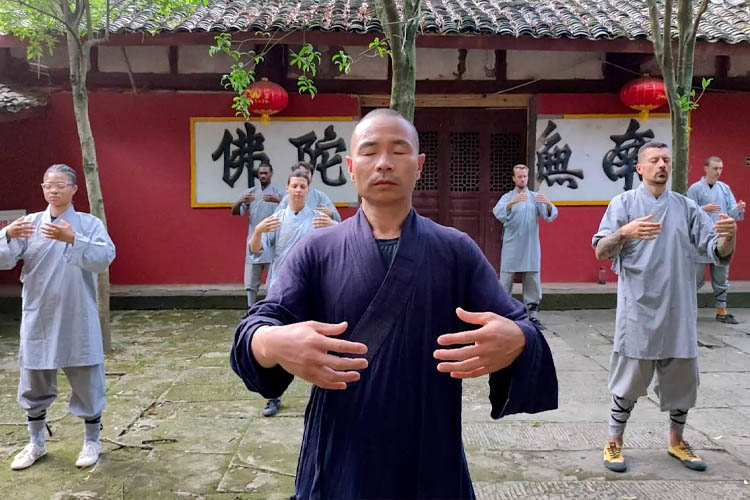
Zen sitting is taught in three working forms, and each suits a different stage of learning. Breath counting gives beginners an anchor: you count exhalations from one to ten and restart whenever you lose the count. Open awareness, close to what Chan lineages call silent illumination, drops the anchor and lets attention rest on whatever arises. Returning from distraction is not a separate technique but the repeated act inside both. For planners, these forms map onto program lengths. A 3 day meditation retreat China is designed as a beginner experience. A 7 day Zen retreat China gives enough sittings to move from counting toward open awareness. A 30 day format allows sustained practice. Choose the form by learner experience, not by the prestige of the label.
Features of Zen Meditation
Three features define the offering. First, the practice needs no props for attention: no mandala, no mantra, no mudra and no deity visualization. Esoteric Buddhism, the Tangmi tradition tied to Guanghua Temple's Tang Dynasty history, is generally associated with those tools, so visitors encounter that heritage in the temple's history and surroundings while the sitting instruction itself stays plain. Second, the setting is authentic. Guests are introduced to Chinese contemplative traditions at Longmen Guanghua Temple, guided by senior instructors from the temple. Third, sitting is combined with sound and tea. Singing bowl sessions encourage mindful listening, and our tea practice, built on over 10 years of experience, applies the same attention training to taste and warmth. The limit is clear: these additions support the sitting and do not replace it.
How Breath Counting, Open Awareness and Returning Train Attention
Attention training needs three capacities: holding an object, noticing when it slips, and releasing the distraction to return. Zen sitting trains all three using signals the body already produces. The breath is always available, needs no construction, and gives instant feedback, because a lost count is obvious. Visualization-based methods work differently. They ask attention to build and sustain an inner picture, so the quality of the image becomes a second thing to manage. Without imagery or mantra, nothing is added to the mind, which makes lapses easier to see and harder to disguise as progress. The table below separates the three mechanisms and states what each trains, where it commonly fails and where it does not apply.
| Method | What attention rests on | What it trains | Common error | Limit |
|---|---|---|---|---|
| Breath counting | Silent count tied to each exhalation, one to ten | Stability and fast detection of lapses | Counting mechanically or treating a restart as failure | Can turn into a contest to reach ten |
| Open awareness | Sound, body and breath as they arise, with no fixed anchor | Wide, non-grasping monitoring of experience | Drifting into daydream without noticing | Harder for beginners without a stable base |
| Returning from distraction | The moment of noticing, then redirection | Meta-awareness and release of thoughts | Scolding oneself after each lapse | Works only if the return stays gentle and immediate |
These elements interact. Posture sets alertness: a slumped back invites drowsiness, while a rigid one creates tension that counting cannot fix. Counting suits restless minds because the number gives a clear marker, yet it can become a performance if you chase the final digit. Open awareness suits minds that can already rest in the present for short stretches, and used too early it often becomes daydreaming. The most common misunderstanding is that a quiet mind is the goal. It is not. Each return from a wandering thought is the repetition that builds the skill, so a sitting full of drift and return can train more than one that feels calm. To judge instruction quality, ask any provider how teachers handle drowsiness, restlessness and the switch from counting to open awareness.
Zen Practice Application
Planners can use attention-based sitting in several ways. Overseas travel agencies can place a short guided session at the start of a Chinese cultural itinerary, so guests settle before sightseeing begins. Experience designers can build a custom workshop around one skill, noticing and returning. Consider an illustrative scenario: a corporate wellness lead wants a stress-reduction experience for staff with no meditation background. A program built on breath counting, a session to explore singing bowl sound healing and a mindful tea ritual gives each participant one repeatable skill, without requiring belief or ritual. The limit matters too. This is a cultural and contemplative experience, not a clinical treatment, and it should be described that way in marketing material and participant briefings.
Zen Retreat Price
We do not publish a single flat figure, and buyers should be cautious with any provider who quotes one without asking about format. Cost depends on program length, since a 3 day beginner program and a 30 day residency differ in teacher time, lodging and meals where included. It depends on whether the booking is individual or small group, because group size and booking requirements vary by program. Add-ons such as tea or singing bowl sessions change the scope. Schedule matters as well: programs run by reservation, and availability differs between retreats, training courses and pilgrimage itineraries. Group terms are quoted on request rather than through a fixed discount table. To compare quotes fairly, ask each supplier what is covered in lodging, meals, instruction hours and guide support, and confirm the dates. Never compare a per night rate against a full program rate.
Zen Practice User Guide
For group organizers, plan arrival so guests do not sit straight after long travel, because tired bodies mistake drowsiness for failure. Brief guests beforehand: follow the temple's schedule, keep voices low in practice areas, dress simply, and treat the instructor's directions as the rule during sittings. Allow beginners short sittings with rests before longer ones, and book enough days for the technique to repeat. A one-off session shows the method, but repetition builds it. A guest who wants to book a Zen temple stay in China gains more continuity across the day. The sequence below is a standard beginner procedure, and the temple's teachers will adjust it in person.
- Sit upright on a cushion or chair with a long spine, hands resting in the lap, eyes half open and lowered to a point on the floor. Do not close them fully if you grow sleepy.
- Breathe naturally without controlling the breath. Simply observe the exhale as it leaves the body and let the inhale arrive on its own.
- Count each exhalation silently from one to ten, then begin again at one. If you lose the count or pass ten, restart without comment.
- When you notice a thought, label it briefly as thinking, release it and return to the count. The return is the exercise itself.
- Once counting feels steady, drop the numbers and rest in open awareness of sound, body and breath, returning to the breath whenever you drift.
Zen Meditation Supplier
As a Zen Meditation Supplier based at Longmen Guanghua Temple in Luoyang, Funzendo offers meditation retreats, temple stays, traditional wellness training and Buddhist cultural programs from one location. Instruction comes from senior teachers connected to Guanghua Temple, a site with a recorded link to Tang Esoteric Buddhism through Śubhakarasiṃha and his surviving pagoda. Our offering combines sitting, singing bowl sound healing and mindful tea rituals, a distinctive mix for international guests who want an authentic setting and not a staged one. We accept individual bookings and small groups. Duration, availability and group requirements vary by program, so confirm dates and group size in your first enquiry. Ask for the itinerary and the teacher briefing before committing, so your clients know exactly how each day is structured.
FAQ of Zen Meditation
Do I need to empty my mind to practice?
No. Emptying the mind is a common misreading of the method, and it makes beginners feel they are failing. The instruction is to stay with the breath or the count, notice when attention has left, and return. Thoughts will continue to arise, and they are not the problem. What the practice builds is the speed and gentleness of your return. A sitting where you drift twenty times and come back twenty times has trained the skill twenty times. Treat a restless session as normal practice, not as evidence that the method does not suit you or that you are doing it wrong.
Can complete beginners join a program?
Yes. Our meditation and breathing practices are accessible to beginners who want greater balance and present-moment awareness, and the 3 day retreat is designed as a first experience. Individual bookings and small groups are both available, although group size and booking requirements vary by program. For groups, send us a short note on participants' prior experience and any physical limits, such as difficulty sitting on the floor, so that instructors can prepare chairs, shorter sittings or a different format. Nobody needs prior belief or ritual knowledge to take part in the sitting itself.
What should a buyer confirm before booking?
Confirm five items in writing: the exact dates and duration, the group size limits for that program, what lodging and meals are included, how many hours are given to guided instruction, and who teaches. Also ask how instructors teach the move from breath counting to open awareness, since this reveals whether sessions follow a structured sequence. Finally, check whether tea or singing bowl sessions are included or priced separately. Written answers let you compare suppliers on equal terms and avoid surprises once guests have arrived at the temple.
If you are looking for a reliable Zen Meditation supplier please contact us anytime to get the latest quote.