How to Choose a Chinese Wellness Retreat: Meditation, Tea and Incense
Choosing a wellness retreat in China can be more complicated than it first appears. Some programs focus on meditation and inner awareness, while others introduce traditional Chinese tea culture, incense appreciation, sound-based relaxation, or the daily rhythm of a Buddhist temple. Although these experiences may share an interest in stillness and mindful living, they offer different ways to learn, participate, and connect with Chinese culture.
For international visitors, the most rewarding experience is not necessarily the longest retreat or the one with the most activities. It is the program that matches their interests, available time, expectations, and willingness to participate. A first-time visitor may benefit from a guided introduction to meditation, while a cultural traveler may prefer a hands-on tea or incense experience. Someone seeking a more immersive journey may wish to combine several practices within a longer stay.
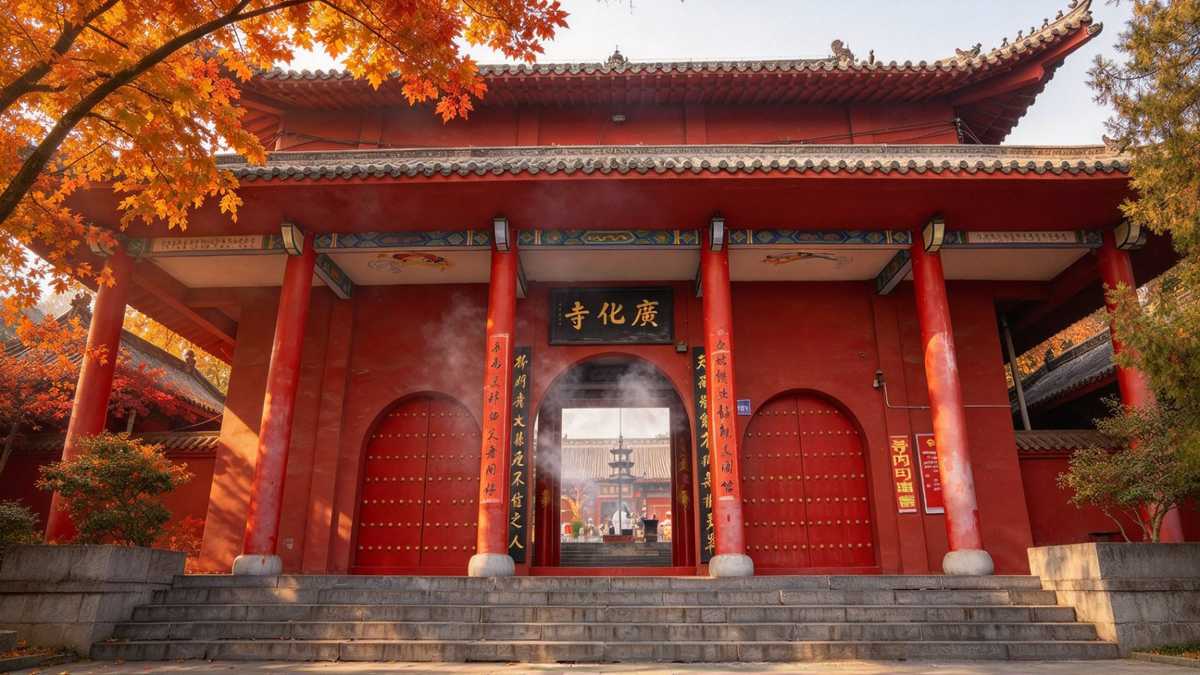
At Longmen Guanghua Temple in Luoyang, Henan Province, Funzendo brings together Zen meditation, traditional Chinese cultural experiences, and opportunities to explore the heritage of a historic Buddhist setting. Understanding the differences between these options can help visitors make a more informed choice before planning their journey.
What Makes a Chinese Wellness Retreat Different?
A Chinese wellness retreat can offer more than a change of scenery. Depending on the program, it may introduce participants to contemplative practices, traditional arts, cultural history, and daily routines that encourage greater attention to ordinary activities.
In a temple environment, meditation may be accompanied by quiet walking, mindful tea preparation, incense appreciation, or opportunities to learn about Buddhist traditions. These activities are not interchangeable, and a well-chosen program should explain what participants will actually do rather than relying on broad promises of transformation.
The cultural setting also matters. Longmen Guanghua Temple is associated with the history of Chinese Buddhism and Tang Esoteric Buddhism, known as Tangmi. Located near the Longmen Grottoes in Luoyang, it offers a setting in which visitors can explore contemplative practice alongside the religious and cultural heritage of the region.
For travelers who want to understand a tradition rather than simply photograph a landmark, this combination of place, practice, and guided learning can make the experience more meaningful. The first step is to decide which aspect of the experience matters most to you.
Five Types of Traditional Wellness Experiences to Consider
1. Zen Meditation: For Those Seeking a Structured Practice
Zen meditation is a suitable starting point for people interested in attention, stillness, and the principles of Chinese contemplative culture. Practice generally involves a stable sitting posture, awareness of breathing, and learning to recognize distractions without automatically following them.
Beginners sometimes assume that meditation requires an empty mind or an ability to sit comfortably for long periods. Neither is a useful starting requirement. Learning begins with understanding the basic posture, finding an appropriate position, and returning attention to the present moment when the mind wanders.
A guided session can help participants understand these fundamentals and develop a realistic approach to practice. The emphasis is on learning a method, not on achieving a dramatic experience during a single sitting.
At Funzendo, visitors can explore Zen meditation experiences in the setting of Longmen Guanghua Temple. This option may be especially appropriate for people who want a clear introduction to meditation before deciding whether a longer retreat is right for them.
Best suited to: First-time meditators, people interested in Chinese Zen culture, and travelers who prefer a guided and structured experience.
2. A Multi-Day Zen Retreat: For a Deeper Immersion
A single meditation session introduces a practice, but a multi-day retreat creates more time to become familiar with its rhythm. Participants can move beyond the first encounter with sitting meditation and explore how attention, daily routines, and a quieter environment relate to one another.
A short retreat is often a practical option for visitors who have limited time in China but want more than a brief cultural demonstration. It can provide an introduction to meditation, guided instruction, and a dedicated period away from the demands of ordinary schedules.
For those who want a longer learning period, a seven-day program offers additional time to establish a routine and reflect on the experience. The appropriate duration depends on personal preferences, physical comfort, travel plans, and the actual schedule offered by the organizer.
Visitors can compare the available three-day Chan meditation retreat and seven-day Zen meditation retreat to determine which format better matches their schedule and level of interest.
Best suited to: Travelers who want dedicated practice time, beginners who prefer guided learning, and experienced meditators interested in a more focused environment.
3. Chinese Tea Ceremony: For a Hands-On Cultural Experience
Traditional Chinese tea culture offers a different entry point into mindful living. Rather than beginning with extended sitting, participants engage with an activity that involves observation, careful movement, fragrance, taste, and hospitality.
A tea experience may introduce the preparation of tea, the selection and handling of utensils, the relationship between water and leaves, and the etiquette of serving and receiving a cup. Each stage creates an opportunity to notice details that are easily overlooked when tea is treated as a drink consumed between other tasks.
For international visitors, a guided tea session can also provide a more approachable way to explore Chinese cultural values. Attention, respect, moderation, and hospitality are expressed through practical actions rather than abstract explanations alone.
Tea and Zen have a long-standing cultural relationship, but a tea ceremony should not be reduced to a meditation exercise. It is also an art of preparation, an expression of hospitality, and a way to encounter Chinese traditions through direct participation.
Visitors interested in this approach can explore Funzendo's Chinese tea culture experiences and ask which guided tea activities are currently available.
Best suited to: Cultural travelers, tea enthusiasts, couples, small private groups, and visitors who enjoy learning through hands-on activities.
4. Chinese Incense Culture: For Those Interested in Fragrance and Craft
Incense culture offers another way to explore traditional Chinese aesthetics. Beyond its associations with religious settings, incense appreciation can involve fragrance, materials, craftsmanship, the arrangement of incense powder, and the careful preparation of a quiet environment.
One distinctive practice is incense seal making, in which incense powder is arranged into a patterned form before being lit. Preparing the pattern requires patience and controlled movements. The process encourages participants to pay attention to small details instead of rushing toward the finished result.
For visitors interested in traditional arts, this hands-on approach can be more informative than simply observing incense burning during a ceremony. It introduces the material and practical aspects of an established cultural tradition while creating an opportunity to appreciate the relationship between craftsmanship and attention.
Incense appreciation is not the same as a medical treatment, and its effects should not be overstated. People with fragrance sensitivities, asthma, or other respiratory concerns should discuss the use of incense in advance and may prefer a fragrance-free alternative.
Funzendo's Incense, Tea and Singing Bowl Culture Retreat is a relevant starting point for travelers interested in exploring several traditional practices within one cultural experience. Ask the team to confirm the current format and available activities before arranging a visit.
Best suited to: Travelers interested in traditional Chinese arts, fragrance culture, craftsmanship, and quieter sensory experiences.
5. Singing Bowl Experiences: For Sound and Focused Listening
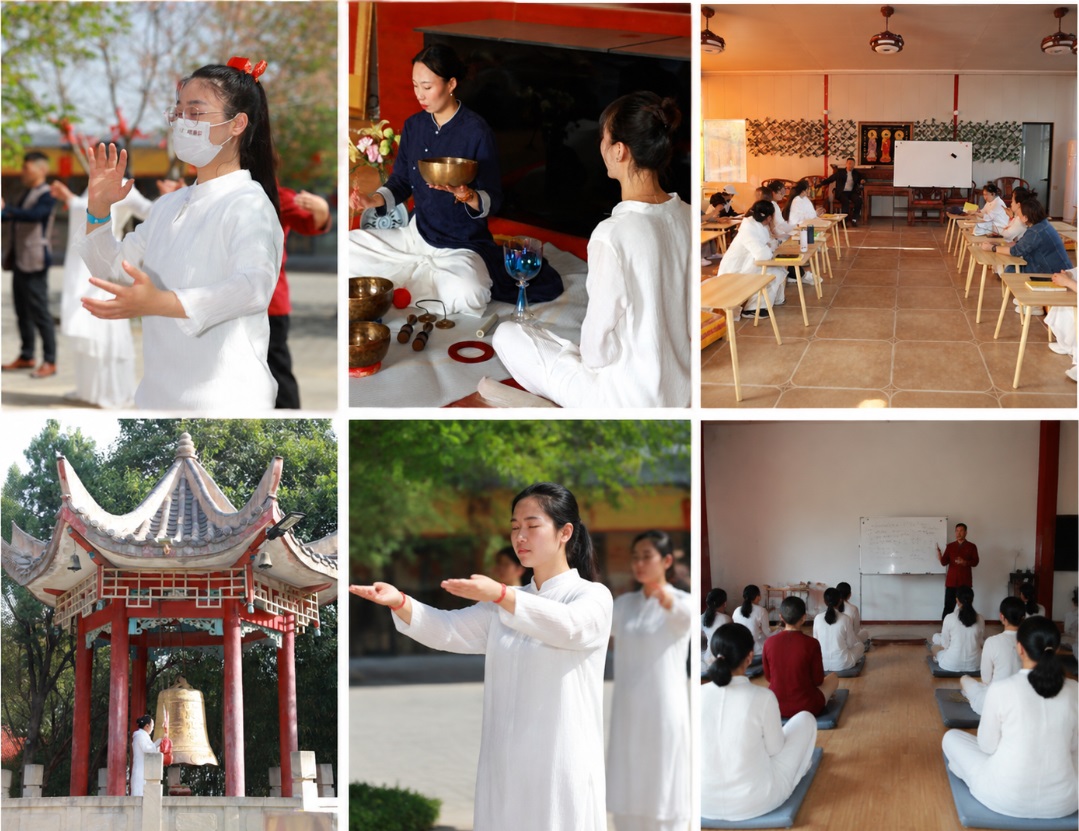
Sound-based sessions offer a different way to explore stillness. Instead of concentrating primarily on posture or a sequence of physical movements, participants are invited to listen carefully to tones, resonance, and the intervals between sounds.
During a guided singing bowl experience, attention can rest on the changing quality of a sound as it begins, develops, and gradually fades. This provides a simple point of focus for people who find it easier to engage through listening than through silent sitting alone.
Sound-based relaxation can be included alongside meditation or traditional cultural activities, depending on the program. However, individual responses vary, and claims that sound sessions can cure medical conditions or guarantee particular psychological outcomes should be treated cautiously.
Visitors interested in this format can review Funzendo's singing bowl and traditional culture programs and confirm whether a sound session is included in the experience they wish to book.
Best suited to: People curious about sound-based relaxation, travelers who prefer guided listening, and participants looking to complement rather than replace meditation practice.
Which Retreat Is Right for You?
The best choice depends on the experience you want to take home. A visitor interested in learning a repeatable daily practice may prefer meditation, while someone primarily interested in Chinese culture may gain more from tea or incense activities. Travelers who want a broader introduction can consider a combined program, provided its schedule allows enough time to understand each activity.
| Your Main Interest | Experience to Consider | What to Look For |
|---|---|---|
| Learning meditation | Guided Zen meditation | Beginner instruction and posture guidance |
| A deeper period of practice | Multi-day Zen retreat | Daily schedule, duration, and teaching format |
| Traditional Chinese culture | Chinese tea ceremony | Hands-on participation and cultural explanation |
| Traditional fragrance and craft | Incense culture experience | Materials, preparation, and incense safety |
| Sound and attentive listening | Singing bowl session | Session format, comfort, and realistic expectations |
| Living in a temple setting | Temple stay | Accommodation, etiquette, and daily arrangements |
These categories are starting points rather than rigid divisions. Some programs combine meditation with tea, incense, or sound-based activities. The important question is whether the actual itinerary matches your interests and whether enough time is provided for meaningful participation.
Why Choose a Temple Stay Instead of a Conventional Hotel?
Accommodation can shape the character of a cultural journey. A conventional hotel is generally organized around convenience and private leisure, whereas a temple stay may place greater emphasis on the surrounding cultural environment, daily routines, and opportunities to learn about traditional practice.
A temple stay is not simply a room in a historic building. Depending on the arrangements, it may involve observing temple etiquette, participating in scheduled activities, enjoying simple vegetarian meals, or setting aside time for meditation and reflection. The actual experience varies, so visitors should check the facilities and program details rather than assume every temple stay follows the same format.
At Longmen Guanghua Temple, the historical setting offers an opportunity to connect a visit to Luoyang with the region's Buddhist heritage. Guests who want to explore this environment beyond a short visit can review the Chinese temple stay experience and ask about current accommodation options, daily arrangements, and the activities available during their intended dates.
Before booking, consider whether you are comfortable with a more structured environment, whether you need a private room or particular facilities, and whether the schedule allows sufficient personal time. Clear expectations help travelers choose an experience that suits their needs.
How to Plan Your Visit to Longmen Guanghua Temple
A successful retreat begins with practical planning. Luoyang is known for its historical and Buddhist heritage, and Longmen Guanghua Temple offers a different perspective from a conventional sightseeing itinerary. Visitors can plan their time around the type of practice they want to experience instead of attempting to fit too many activities into a short visit.
Choose a Realistic Duration
If you have only a limited amount of time, begin with a single guided experience or a short introductory program. If your goal is to establish a meditation routine or explore several cultural practices, consider a multi-day option. Longer programs require more preparation and should be selected according to your schedule, comfort, and learning goals.
Confirm Language and Instruction
International visitors should confirm whether instruction and practical arrangements are available in English for their selected dates. They should also ask whether the experience is guided, whether interpretation is provided, and how much prior knowledge is expected.
Understand What Is Included
Before confirming a booking, ask about the schedule, accommodation, meals, teaching sessions, materials, group size, and any additional charges. The contents of a program may differ according to its duration and format. A written confirmation helps ensure that the experience matches your expectations.
Respect the Cultural Setting
A Buddhist temple is both a cultural heritage environment and a place of religious practice. Visitors should follow local guidance on appropriate clothing, photography, conversation, and participation in ceremonies. Some areas or activities may have restrictions, and not every religious practice is intended as a tourist activity.
Approaching the visit with curiosity and respect creates a better experience for both visitors and the community that maintains the site.
For Private Groups, Cultural Organizations, and Retreat Planners
Traditional Chinese wellness experiences may also be suitable for carefully planned private groups, educational visits, and cultural travel programs. The most effective itinerary begins with a clear objective: introducing meditation to beginners, exploring Chinese tea culture, learning about incense craftsmanship, or creating a multi-day cultural immersion.
Rather than combining every available activity into one schedule, organizers should select experiences that support the group's interests and allow enough time for instruction and participation. A cultural group may prioritize tea and incense, while a retreat-oriented group may prefer a greater emphasis on meditation and quiet practice.
Organizers should confirm the number of participants, available dates, language arrangements, accessibility requirements, facilities, and total costs before making commitments. For corporate groups, it is also important to describe the program accurately as a cultural or contemplative experience rather than promising specific medical or psychological results.
Funzendo can be contacted to discuss potential program formats and practical arrangements at Longmen Guanghua Temple. Early communication helps establish whether the requested experience is available and whether the itinerary can be adapted to the group's needs.
Frequently Asked Questions
Which Chinese wellness retreat is best for beginners?
A guided introductory Zen meditation experience is a practical starting point for people who want to learn the basics. Travelers more interested in traditional arts may prefer a tea or incense session. The best option is the one that matches your interests and provides clear instruction without assuming previous experience.
Can I combine meditation, tea ceremony, and incense culture?
Some cultural programs bring these practices together. However, the exact combination depends on the program and date. Ask Funzendo to confirm which activities are included before booking rather than assuming that every experience covers all three.
How many days should I spend on a retreat in China?
A short session or introductory retreat may suit travelers with limited time, while a three-day or seven-day program allows a more sustained period of practice. Your available time, travel schedule, and preferred level of immersion should guide the decision.
Do I need to be Buddhist to participate?
You do not need to assume a Buddhist identity to learn about meditation or Chinese cultural traditions. However, participants should respect the religious character of the temple, follow local guidance, and understand that some ceremonies or practices may have specific participation requirements.
What should I ask before booking a temple stay?
Confirm accommodation arrangements, meals, the daily schedule, available facilities, language support, program inclusions, and any relevant temple etiquette. If you have dietary, mobility, or other practical requirements, discuss them before confirming your stay.
Are traditional wellness experiences a substitute for medical treatment?
No. Meditation, tea culture, incense appreciation, and sound-based relaxation are not substitutes for medical diagnosis or treatment. Participants should seek qualified healthcare advice when appropriate and discuss any relevant sensitivities or physical limitations before joining an activity.
Choose an Experience That Fits Your Journey
The value of a Chinese wellness retreat lies in the connection between the practice, the cultural setting, and the participant's own intentions. Meditation offers a structured way to explore attention. Tea introduces the art of preparation and hospitality. Incense culture reveals the relationship between fragrance, craft, and patience. Sound-based sessions offer another way to practice attentive listening, while a temple stay creates an opportunity to spend more time within a traditional environment.
There is no single format that suits every traveler. A carefully chosen introductory session may be more valuable than an ambitious itinerary, while a longer retreat may be appropriate for someone who wants dedicated time to practice and learn. Understanding the available options before booking makes it easier to choose an experience that is both meaningful and practical.
Located near the Longmen Grottoes in Luoyang, Longmen Guanghua Temple provides a setting in which traditional Chinese Buddhist heritage and contemplative culture can be explored together. Funzendo welcomes inquiries from individual travelers and groups interested in meditation, temple stays, tea culture, incense experiences, and related programs.
If you are planning a visit to China, begin by identifying the experience you most want to explore. Explore Funzendo's cultural experiences or contact the team to discuss program availability, duration, language arrangements, and the practical details of your visit.